Posted in Europe, France, Paris

Paris, je t’aime – Day 4

РУССКОЯЗЫЧНАЯ ВЕРСИЯ ПО ЭТОЙ ССЫЛКЕ. CLICK HERE FOR RUSSIAN VERSION.

24 March, 2010

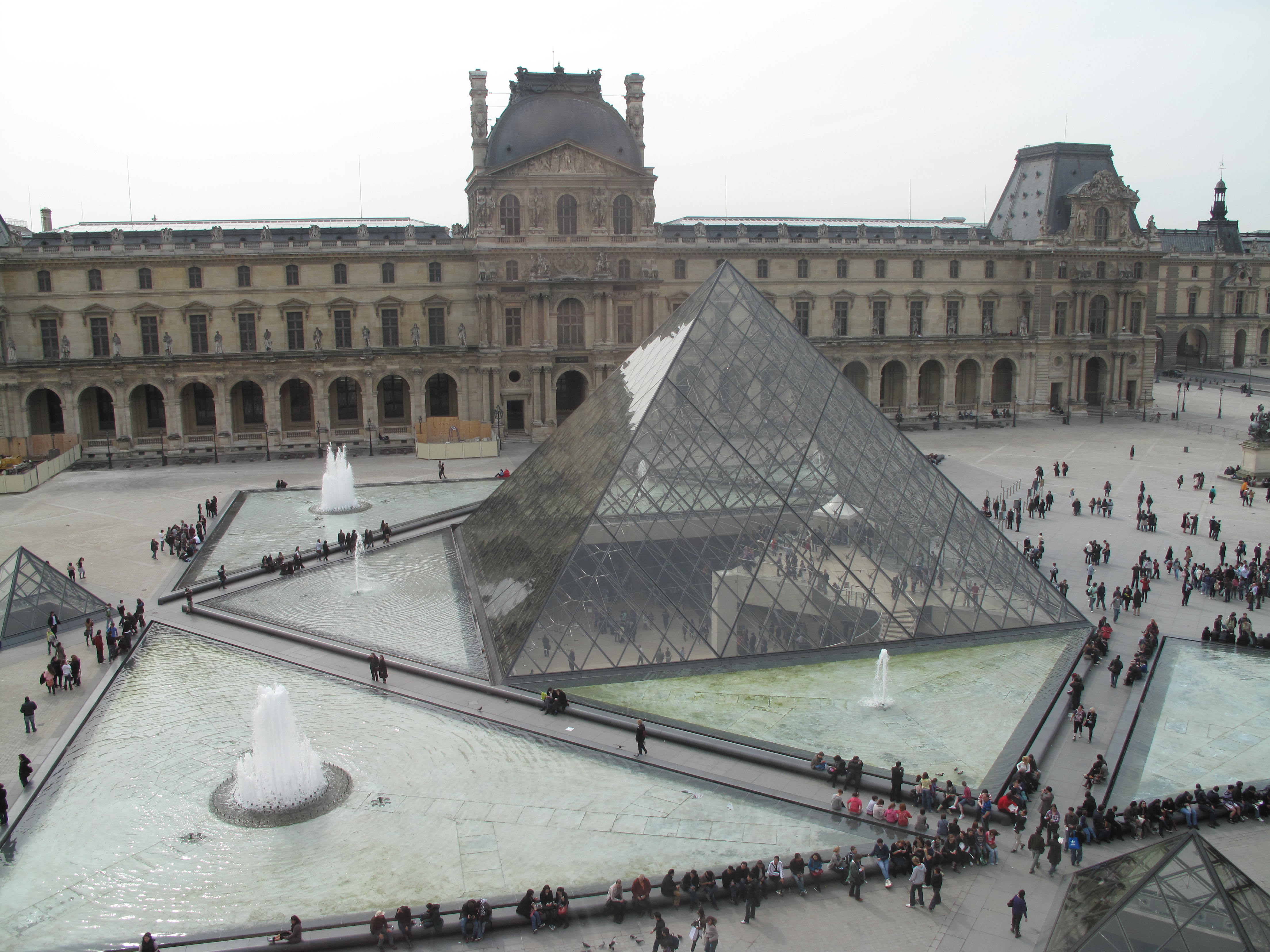
Another busy day began, finally, with visiting the Louvre. We walked into the courtyard and right up to the glass pyramid, which is maybe even more famous than the Louvre itself thanks to The Da Vinci Code, and got inside.

We bought our tickets and decided to see the Venus de Milo first of all. We spent quite some time looking for it, but in the meantime had the opportunity to view other Greek and Roman sculptures. I have to mention that we recognised the Venus from afar – by the great number of people around it.

That’s when we realised that it was a good idea to find the Mona Lisa immediately, while it was still pretty early, because later there would be an incredible pandemonium around it; and after that take our time and see some less popular paintings. And it paid off – there was already an impressive crowd gathering around the Mona Lisa by the time we found it, and later we wouldn’t have been able to get anywhere close to it. As one Russian guy said to another: “In a crowd like this you can’t really find the hidden meaning behind this painting!” But judging by the photos that I made, the meaning was hidden in the bald head of a man, which was reflected in the painting’s glass 😀

After enjoying La Gioconda for a while, we took our time to see some Italian, and then Spanish paintings (and the latter, we enjoyed the most). In the end we went upstairs to see the Dutch School representatives.

I would say, the optimal time spent in the Louvre should be no less than three days. And spending the whole day there, I believe, would be too tedious, and impressions would get all mixed up. As for a half-day visit, you can either gallop around the museum and not really see anything, or, as we did, choose beforehand what you most want to see, and devote your time to it. By the way, I was impressed by the large number of Russian tourists in the Louvre.

As we were done with the Louvre, we went to Monmartre. Mom was grumbling about the need to climb to the Sacrè-Cœur Basilica, but it was totally worth it, because the stairs were really beautiful, and the view on the city from there was magnificent. Plus, I have to admit that we hadn’t been able to find the funicular. Even despite the fact that, while we were standing near the metro station on Place Pigalle, feeling lost and staring at the map, an elderly lady came up to us and offered her help, and when we asked her how to get to the Sacrè-Cœur, she replied that there was “un petit bus” somewhere around (obviously, she meant the funicular), which accepted normal tickets for public transport and it was better to use it, otherwise there were too “beaucoup d’escaliers”.

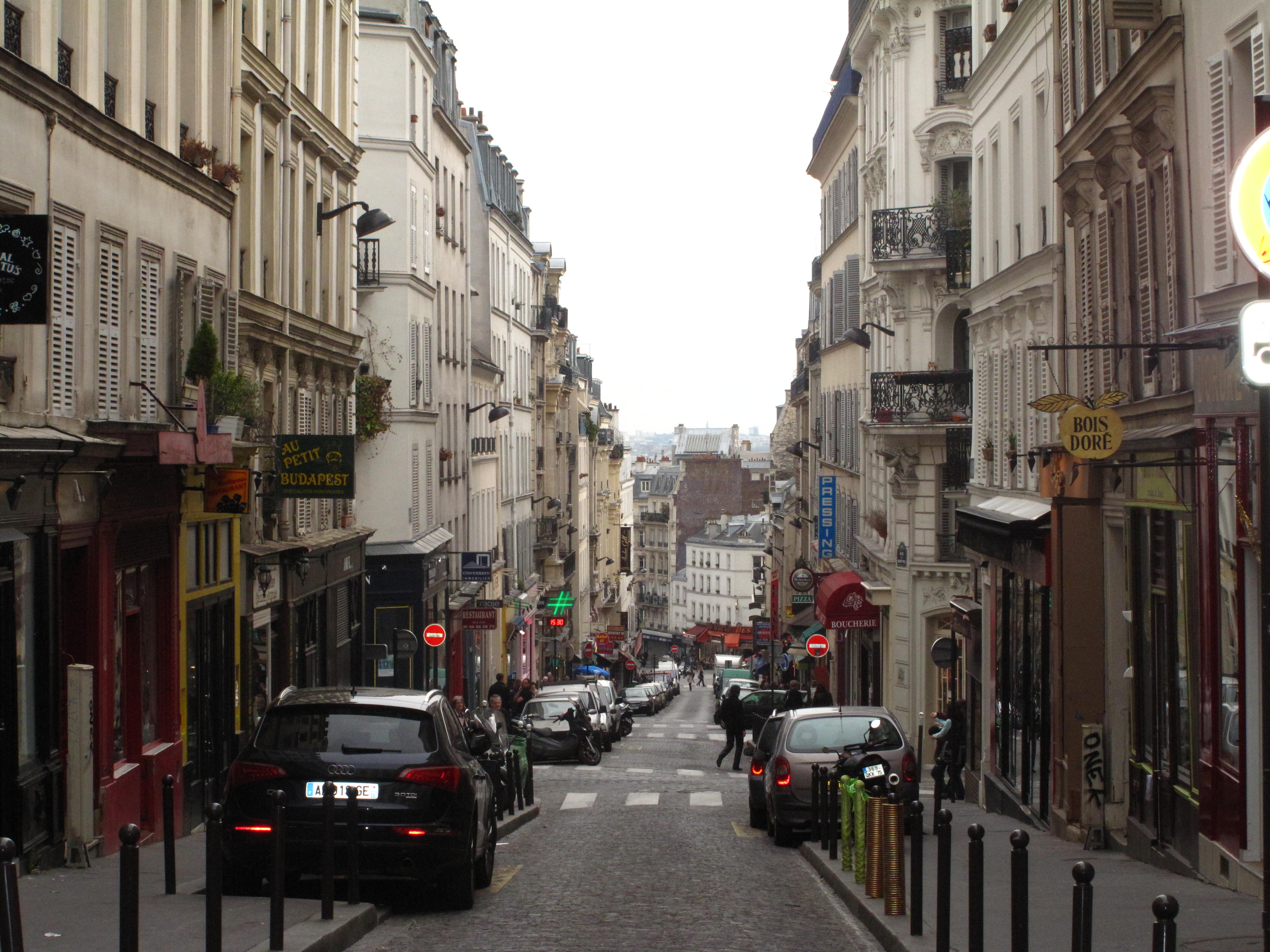
Generally, Monmartre is an amazing place! Narrow cobbled streets, a huge number of cafes, street artists, a fabulous view of Paris … By the way, Montmartre is part of that very 18th district, which I didn’t like on the way from the airport. I found the Sacrè-Cœur a lot more beautiful than the Notre-Dame on the outside.

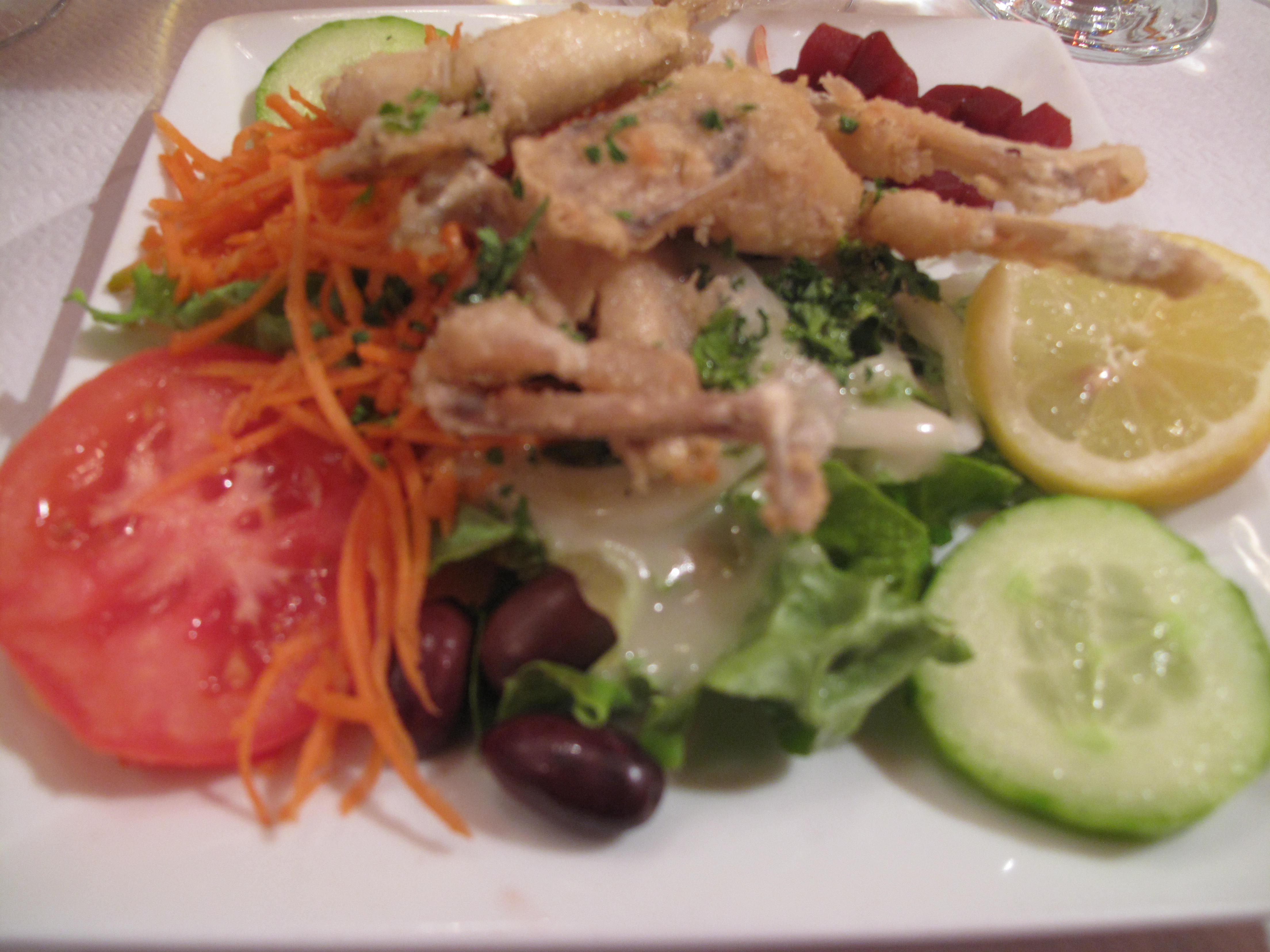
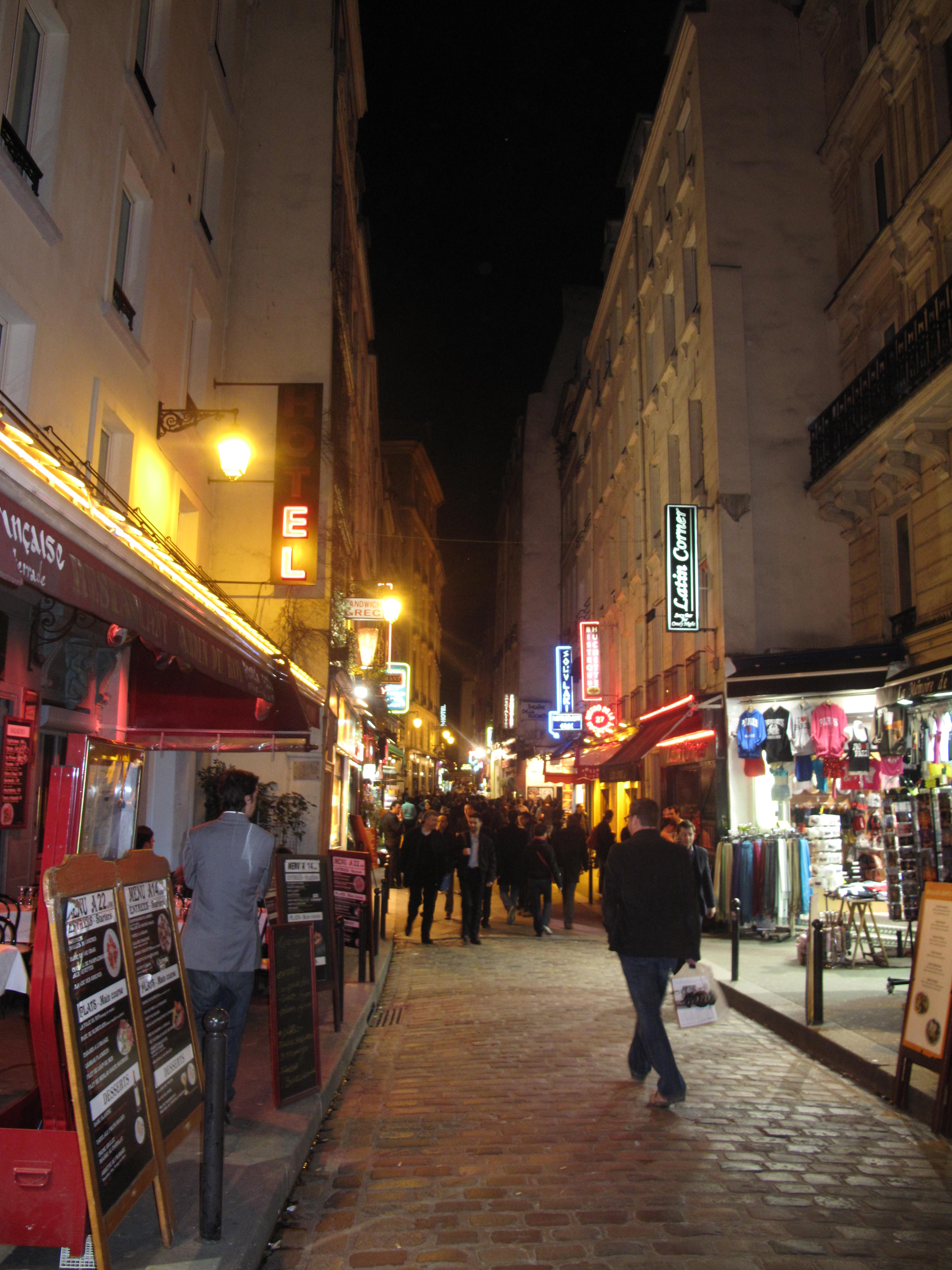
In the evening I met my Azeri friend once again and we went to the Latin Quarter to have dinner. It is also a very interesting and colourful place. Narrow streets are packed with endless restaurants – French, Italian, Greek, Chinese, Korean, in other words, anything you may wish; in front of each there is necessarily a tout, trying to persuade passers-by that their restaurant is definitely worth visiting immediately. After we already had dinner, I found that one of the restaurants on the Saint-Sévérin street served fried frog legs. So tomorrow I will come here again!

Posted in Europe, France, Paris

Paris, je t’aime – Day 3

РУССКОЯЗЫЧНАЯ ВЕРСИЯ ПО ЭТОЙ ССЫЛКЕ. CLICK HERE FOR RUSSIAN VERSION.

23 March, 2010

There wouldn’t be need to write anything if the day hadn’t been somewhat… well, stupid. It started quite sensibly though. We took the good old city sightseeing bus again, as the ticked was valid for 48 hours (and thus, the whole previous day we had been using it as public transport, circling and circling around the same places), intending to go to the Arc de Triomphe. But then, just as the day before, our plans changed en route. We learned from the driver that the Seine cruise tickets could be purchased directly from him and decided not to waste time while the weather was so lovely. We got off near the Eiffel Tower and went down to the Seine. Having already bought the tickets, we successfully avoided a very long queue, which included an unimaginable number of school-age children – mostly British, interspersed with a few German and French kids – in short, a pretty noisy crowd.

On the boat we were accompanied by a guide, who was making comments in French, English, Spanish and Italian. An hour later, we disembarked near the Eiffel Tower (again!) and started thinking of the quickest way to get the Champs Elysees (Attention, the first and stupidity of the day is about to begin!).

The idea to take the tour bus again was rejected by me, as in this case we would have to make almost a full circle. The idea to walk was rejected by Mom – although, as it turned out later, it would have been the best one.

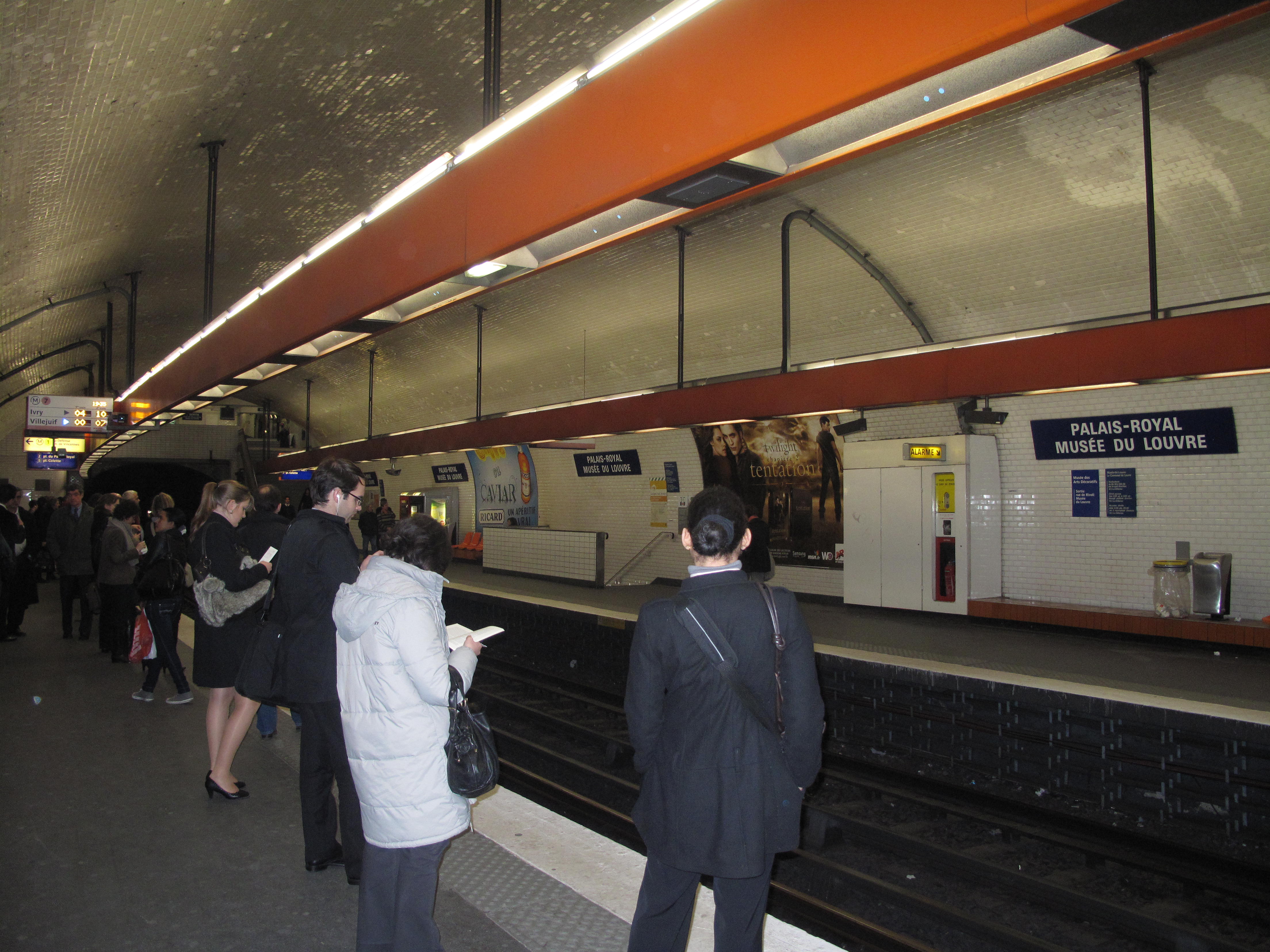
Then I suggested taking the tube, as it looked like we’d get there with no changes. So, we reached the station, the sign above which read «RER», with a notice that the Métro station was 300 metres away. We followed the indicated direction until we ended up in a really stupid place, and there was no tube station in sight. I said we should go back to the RER station and take the train there – for some reason it got in my head that it was an RER line indicated on the map, rather than a tube line. Naturally, it turned out that the RER wasn’t going to the Place de l’Etoile from there! We had to try walking in the direction of the sign once again and ask how to get to the tube, and we found out that we had to walk about fifty more metres from the aforementioned “stupid place”. Well, who would have known that the station called «Bir-Hakeim – Tour Eiffel», which was supposed to be the closest one to the Eiffel Tower, was actually a mile and a day away from it?! And then we had to walk even more under the ground until the Arc de Triomphe exit. By the way, the Paris Métro was not particularly impressive.

On top of all the “joys” of the day, I got stuck in the turnstile! I’m sure that the ticket was validated normally, because I saw the words: «Reprenez votre billet», and so I had to push the turnstile, and then the double door gates. Now, the turnstile worked as it should, but the gate simply wouldn’t open! In the end, I somehow managed to slip through a crack between the gates.

When we eventually reached the Champs Elysees, it was already lunchtime in full swing, so we decided to find a restaurant. Among those rejected was an Italian restaurant (it’s ridiculous to go to one in Paris!) and the famous «Fouquet’s» (too few dishes on the menu for too high a price). Looks like we made the correct choice in the end: we really enjoyed the «Chez Clément» restaurant with its nice interior a lot. And most importantly… they had oysters! I was even able to explain what we wanted to the waitress in French. I asked her which ones were the best. She replied that she didn’t eat oysters, but usually the largest ones are the most delicious, and the largest oysters on the menu were the Creuse de Bretagne № 2. She brought us the oysters – six large molluscs on a bed of crashed ice, with vinegar and lemon. The taste was very original. I find it hard to say with certainty how much I liked them, but at least they weren’t disgusting. They had a mucus-like texture and tasted somewhere between black caviar (mind you, I’m no oligarch, it’s just that I come from a country where black caviar is quite abundant and relatively cheap!) and pickled herring (especially if eaten with vinegar).

After lunch, we tried to do some shopping on the Champs Elysees, but weren’t really in the mood for that. Plus, in one of the stores – attention, another stupidity! – I nearly left my camera in the dressing room.

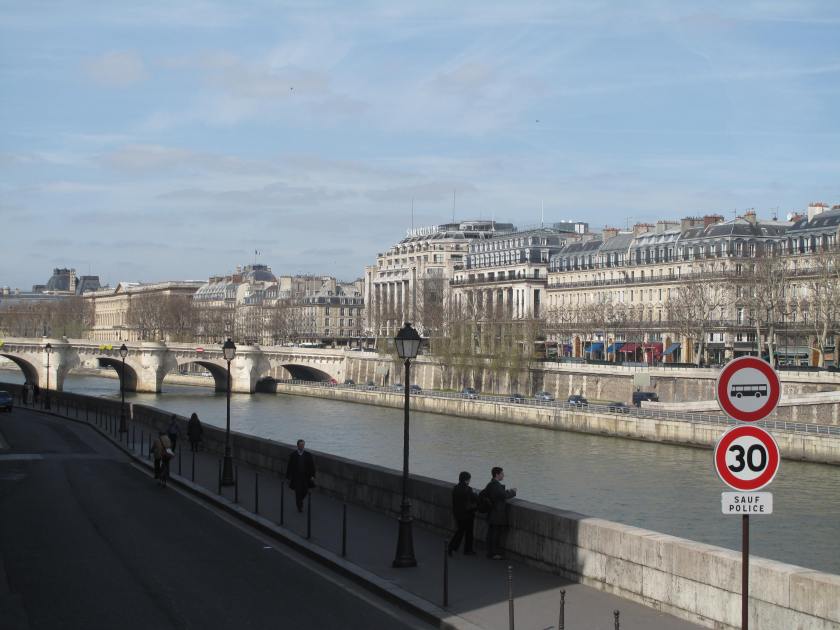
So we decided to walk to the hotel, via the Place de la Concorde and Rue de Rivoli.

Once back in the hotel, I called a friend to meet him in the evening. We met at Saint Germain des Près, where I arrived without incidents this time, albeit in a terrible rush hour.

We wandered through the neighbourhood a bit and then took a tube to the Trocadero square in order to take photos of the Eiffel Tower illuminated by night. And it was really beautiful! It turned out that it sparkles with lights for five minutes every hour, and we arrived just in time to see that. The Trocadero was crowded, much more than in daytime.

Posted in Europe, France, Paris

Paris, je t’aime – Day 2

РУССКОЯЗЫЧНАЯ ВЕРСИЯ ПО ЭТОЙ ССЫЛКЕ. CLICK HERE FOR RUSSIAN VERSION.

22 March, 2010

It was a long and rich day full of impressions! It began at 9 am, when we left the hotel after the breakfast. The original plan to go to the Louvre was dropped immediately, because the weather was delightful and promised to stay delightful all day, so spending a day indoors would have been a sin!

And so we walked to the quay of the Seine, and decided to go to the Champs Elysees from there, but this plan was soon changed as well, and we headed to the Eiffel Tower.

The road to the tower was not much impressive, but something strange happened there. Some dodgy-looking guy rushed towards us with a gold ring, asking if it was ours. After he learned that it wasn’t, he began actively trying to foist it on us, pointing at its countersign and insisting it was genuine. And then he began to beg for money to buy a sandwich and a Coke. When we asked a completely fair question on why he wouldn’t take the ring instead and sell it, he said that he was a Baptist. Somehow he managed to wheedle 4 euros out of us (yes, I always knew that the word “DUPE!” was written in large letters on my forehead). As for the ring, we decided to throw it out of harm’s way, as the whole story seemed too suspicious. Thinking back now, I realise that there wasn’t need to worry too much – the ring, according to its weight, was not gold at all, and most probably this is a common scam.
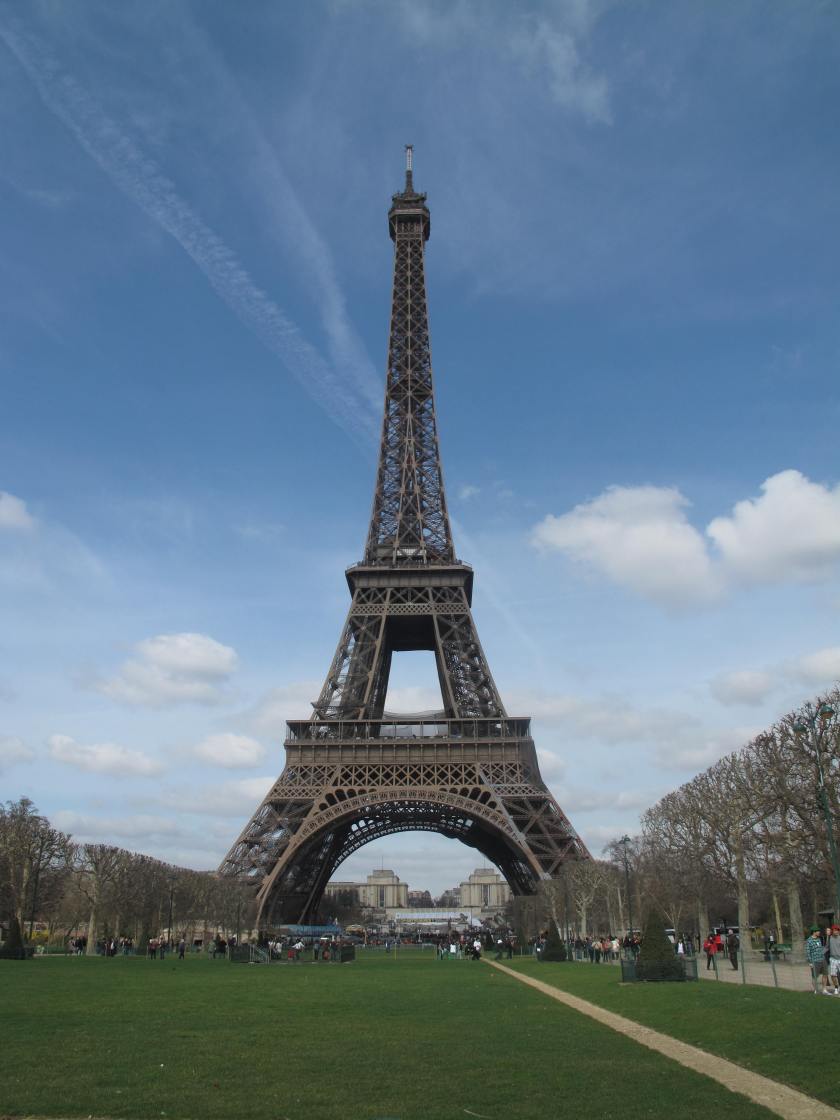
Then we walked to the Eiffel Tower without any incidents. Unfortunately, we didn’t have the chance to go up, as the queue was unbelievable and we didn’t want to waste time standing in it. Especially that there were a lot of gypsy beggars scurrying around, soldiers with weapons, and more dodgy guys selling Eiffel Tower figurines and trying to palm them off on us. However, at some point they suddenly started off to run somewhere simultaneously! Most likely, they were running from the police, but my mom’s comment really made me laugh: “Where are they running? Did anyone tell them that more dupes had arrived?”

The Eiffel Tower itself made me want to take an infinite number of pictures of it. And the sight of this beauty was simply breathtaking. However, if you look closer, the tower doesn’t have any special beauty. By essence, it is a pretty ugly construction. So, I think that its beauty is a purely psychological phenomenon – it is the main symbol of Paris, one of the world’s major attractions, so our eyes are used to considering it beautiful.
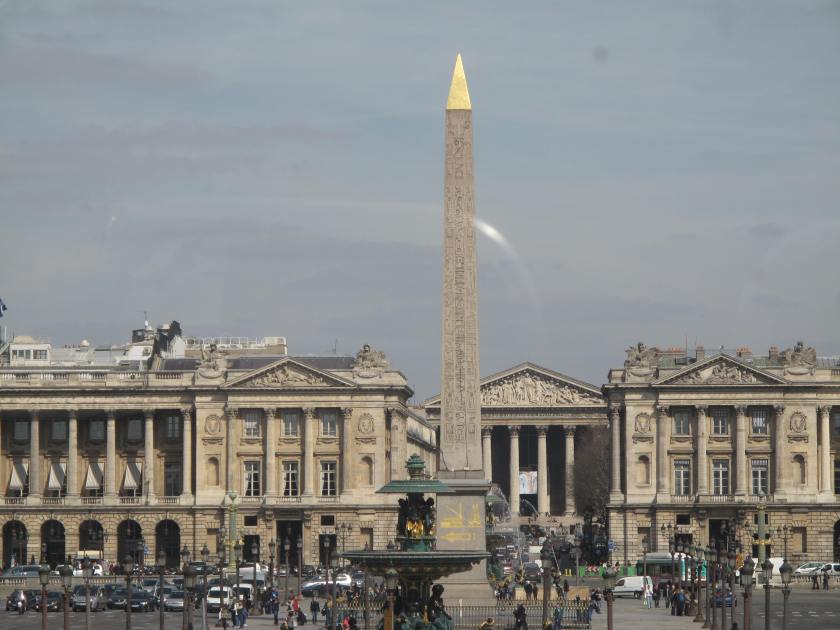
After viewing the tower on all four sides and at least a dozen of photos made, we decided to take a bus tour around the city, taking advantage of the good weather (quite unusually, it didn’t start raining with wind, as it always happens when I get in an open-topped tour bus!). And this, I must say, was a very good idea. Such tours should always be taken at the very beginning of one’s stay in a city – it allows to understand its structure and logic, and at the same time to determine the places that you want to visit later. Especially that there are always places that you generally do find interesting, but seeing them from the bus is just enough, and in the future you don’t have to spend time on visiting them. For example, the Place de la Concorde, which we drove through so many times that we definitely didn’t want to visit it separately.
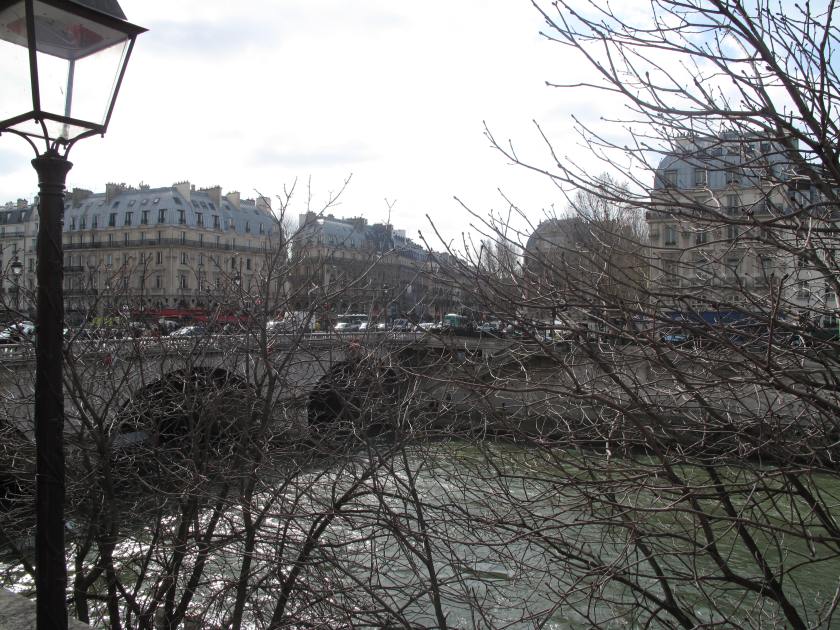
We got off near the Notre Dame Cathedral, looking for a place to eat, but for some reason couldn’t find anything other than sandwiches and croque-monsieurs. So we had to get on the bus once again and head to the Galeries Lafayette.

This area is somewhat like the City of London, where the majority of people are wearing suits and there are lots of banks around – Commerzbank, BNP Paribas, etc. We managed to find a restaurant here.

Looking through the menu, I came across a dish called «Rôti de chapon aux cèpes avec Gratin Dauphinois», and became interested, because I had previously heard of Gratin Dauphinois being a very tasty potato dish. I had no clue what “chapon” was, though, so I asked the waiter. He replied that it was “le coq”, and mimed the process of castration. By the way, the poor cockerel tasted quite good, and the Gratin Dauphinois was absolutely fabulous!

After lunch, replete and happy, we continued our tour bus, to go back to Notre Dame de Paris and get inside. As there was still plenty of time before the 6 pm mass, which we very much wanted to attend, we decided to get off near the Eiffel Tower once again and have a cup of coffee in one of the outdoor cafes.
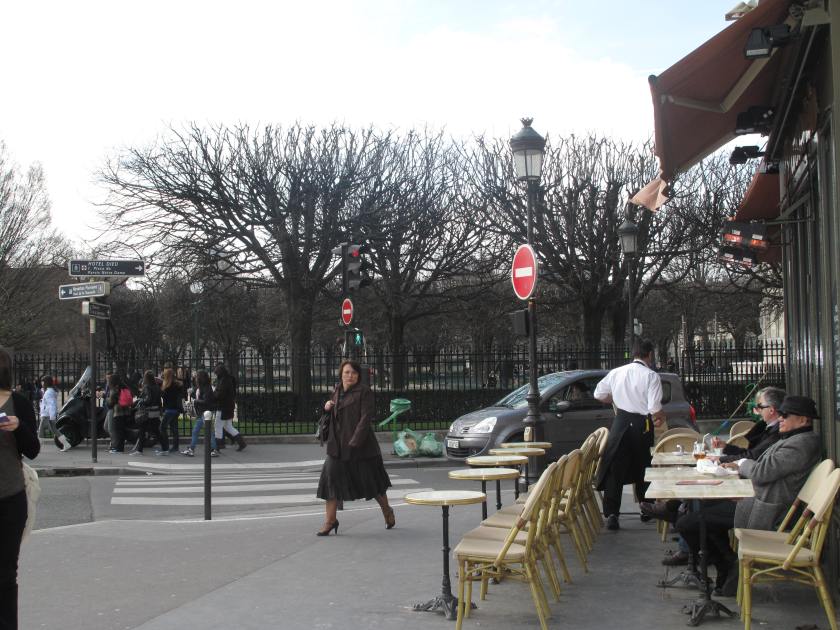
Then we caught another bus and headed directly to Notre Dame de Paris. On the way, I made a few observations. First, it is the love of the French for their flag. It seems to be everywhere: not only over every state institution, but also over all billboards.

Secondly, it is the huge number of motorcycles on the roads, I’ve never seen that many before! And most importantly, they tend to rush at a crazy speed!

And third, I noticed that the names of shops, cafes and hotels are directly dependent on the location. For example, they are all called “Madeleine” in the neighbourhood of the Madeleine Church, or “Notre Dame” in the area of Notre Dame de Paris.

Speaking about the Notre Dame Cathedral, initially, we were prepared to stand in a long queue for an 8-euro ticket. As we approached the tail of the queue, we noticed a sign, saying that there was no point in joining the queue, as that was it for the day. We got very upset, but then decided to ask how to get to the mass, and found out that the entrance was through the church, and it was free! Frankly, I didn’t understand what these guys in the queue were planning to pay 8 euros for, because inside, we were able to view everything free of charge. Actually, “free” is a bit of an overstatement, as we had to spend money on candles, and metal medals “for luck”, and the entrance to the treasury of the church, and the donation after the mass.

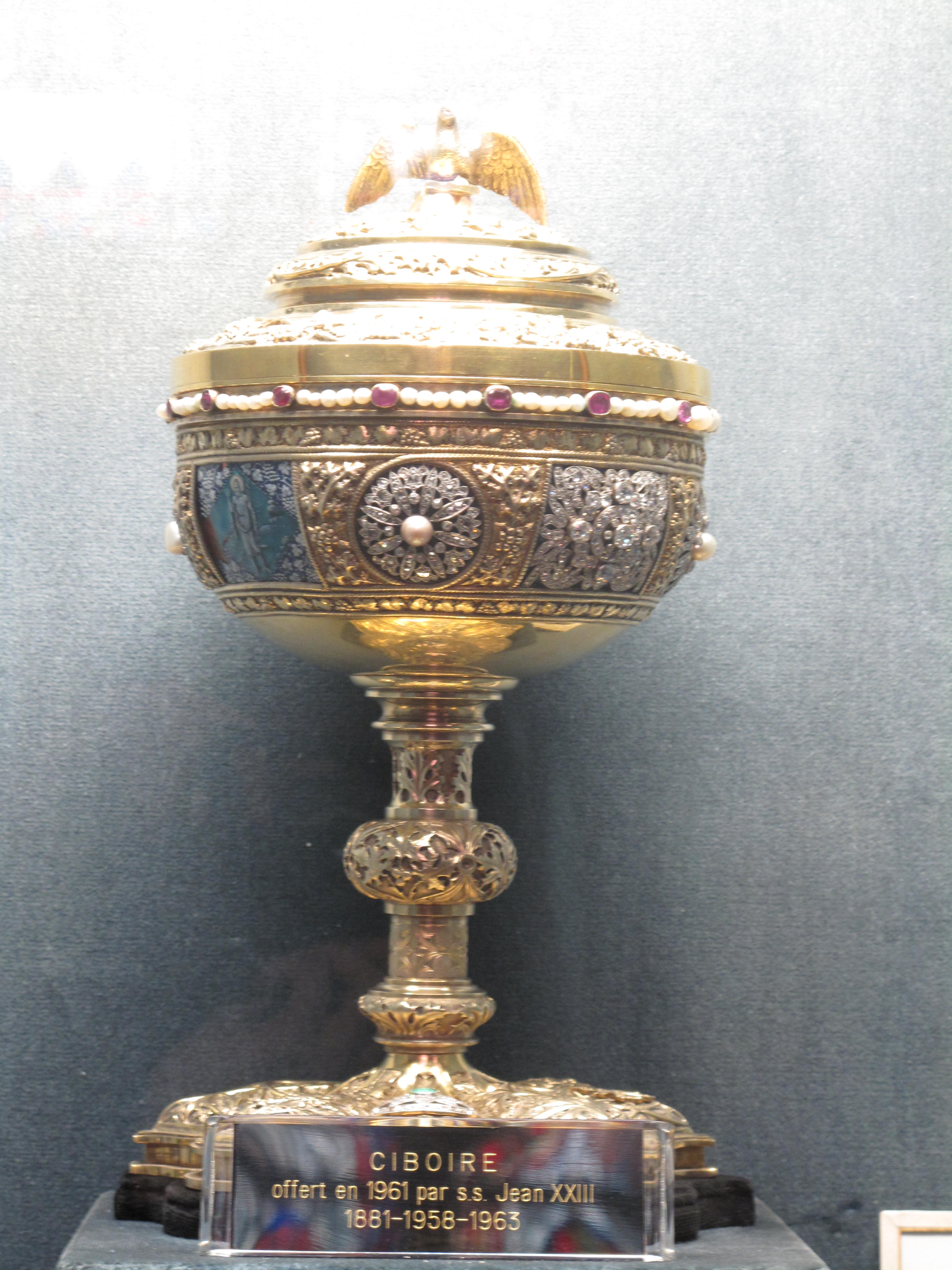
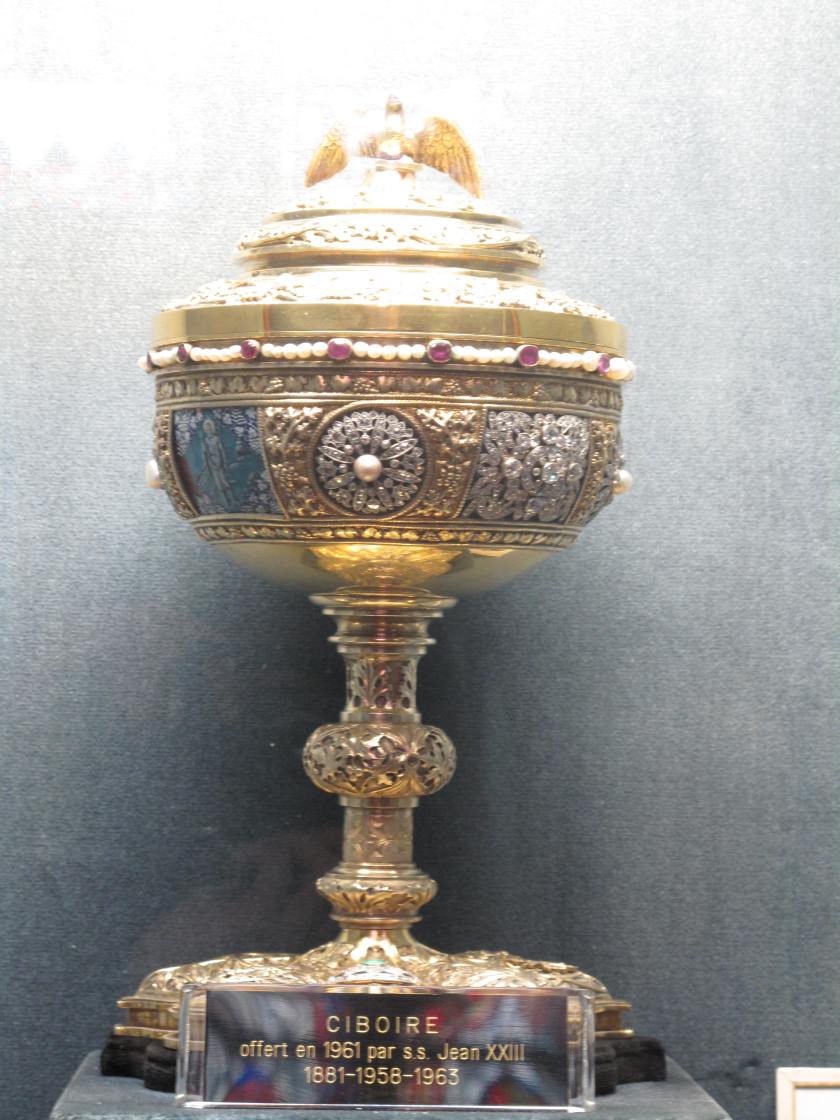
The treasury was well worth the three euros paid for it – it had amazingly beautiful goblets, finger rings, busts of various archbishops, as well as objects of unknown purpose, probably just for decoration.
We highly enjoyed the mass itself too. The service started with vespers at 17.45, followed by the mass at 18.15. Everyone was given sheets of paper with the lyrics of hymns and psalms in Latin and French. Since, wishing to see everything well, we sat in one of the front rows, we had to sing along with everyone. But it all sounded truly divine! The next part mostly consisted of preaching and talking about the biblical Susanna and the two elders, occasionally interrupted by chants such as «Kyrie Eleison».

Generally, looking at all this, I come to the conclusion that if I was a believer, I’d certainly be a Catholic. Because only Catholic churches, services and rituals make me feel awe, albeit minimal. On the other hand, it seems unlikely that I would be able to listen to stories of Susanna, the elders, and others like them with sincere reverence.

Leaving 2 euros as a donation, we left the cathedral just in time to catch the last tour bus, which dropped us off at the Grand Opera, from which we had to walk to our hotel. Once near the Boulevard des Capucines, we decided to have dinner somewhere. Seeing «Le Grand Café des Capucines», I got quite excited about oysters in the menu exposed in front of the cafe, but my mom flatly refused to try them. For the sake of revenge, I suggested Pizza Hut, where the pizza was very, very mediocre.
Posted in Europe, France, Paris

Paris, je t’aime – Day 1

РУССКОЯЗЫЧНАЯ ВЕРСИЯ ПО ЭТОЙ ССЫЛКЕ. CLICK HERE FOR RUSSIAN VERSION.

Since I’m not travelling anywhere right now, I decided to dig out some of my old writings. Unfortunately, the photos aren’t as good as the ones in my posts about China – I didn’t have a very good camera back then, and my photography skills were much worse than now too. Voilà:

21 March, 2010

Here is the city of dreams – Paris, ladies and gentlemen! It starts with the Charles de Gaulles airport, with its moderately “jemenfoutiste” (something like “I-don’t-give-a-damn-ist”) staff, who don’t bother doing any unnecessary inspections.

The road from the airport is quite far from dreams, and so is the 18th district, through which we have to drive: dusty worn signs, dirty buildings…

It doesn’t take too long to get to the centre, or, more precisely, the Grand Hôtel du Palais Royal, where we will be staying. The staff here speaks English pretty willingly, thus saving me from unnecessary embarrassment – I am still somewhat scared to speak French.

But right after that, in a restaurant, I have no other choice than to do so. And I realise that I am understood – which is really good! Waiters in Paris restaurants (so far, on the particular example of the Les Fontaines de Saint Honoré restaurant) are totally unlike their, say, London colleagues – they are more fun, more bustling and more relaxed at the same time. So, cheerfully, bustlingly and relaxedly, they served us the famous French onion soup. The whole idea of an onion soup arouses scepticism among some people, but in fact it is something incredible… A thick rich broth + pieces of bread floating in it + melted cheese = something delicious and amazing. Yum!

We were taken for Spanish, and when we explained that we actually came from the former Soviet Union, for some reason all the waiters came into enthusiasm and even said: “Spasibo!”

After lunch we went out to scout the territory. It turned out that the Louvre was literally a few steps away from our hotel.

I was feeling quite stunned by the fact that everyone around was speaking French! I find it hard to break the mental barrier and start speaking it too yet. On the other hand, when I do, I see that it’s considered absolutely normal. That is, the French perceive foreigners speaking French to them as a totally natural thing.

So we walked from the Louvre to the Paris Opera (which we didn’t recognise at once – it looked like the Paris Opera, but the deceptive inscription read “Académie Nationale de Musique”), and then turned to the Boulevard des Capucines. This is a very busy street, with endless bistros, cafes and restaurants, with a smooth and imperceptible transition into the Boulevard des Italiens.

On our way back we dropped in a drugstore to buy some water and toothpaste. I couldn’t find toothpaste immediately, but just as I wanted to “show off” my language skills and ask “Est-ce que vous avez du dentifrice?”, I immediately noticed it.

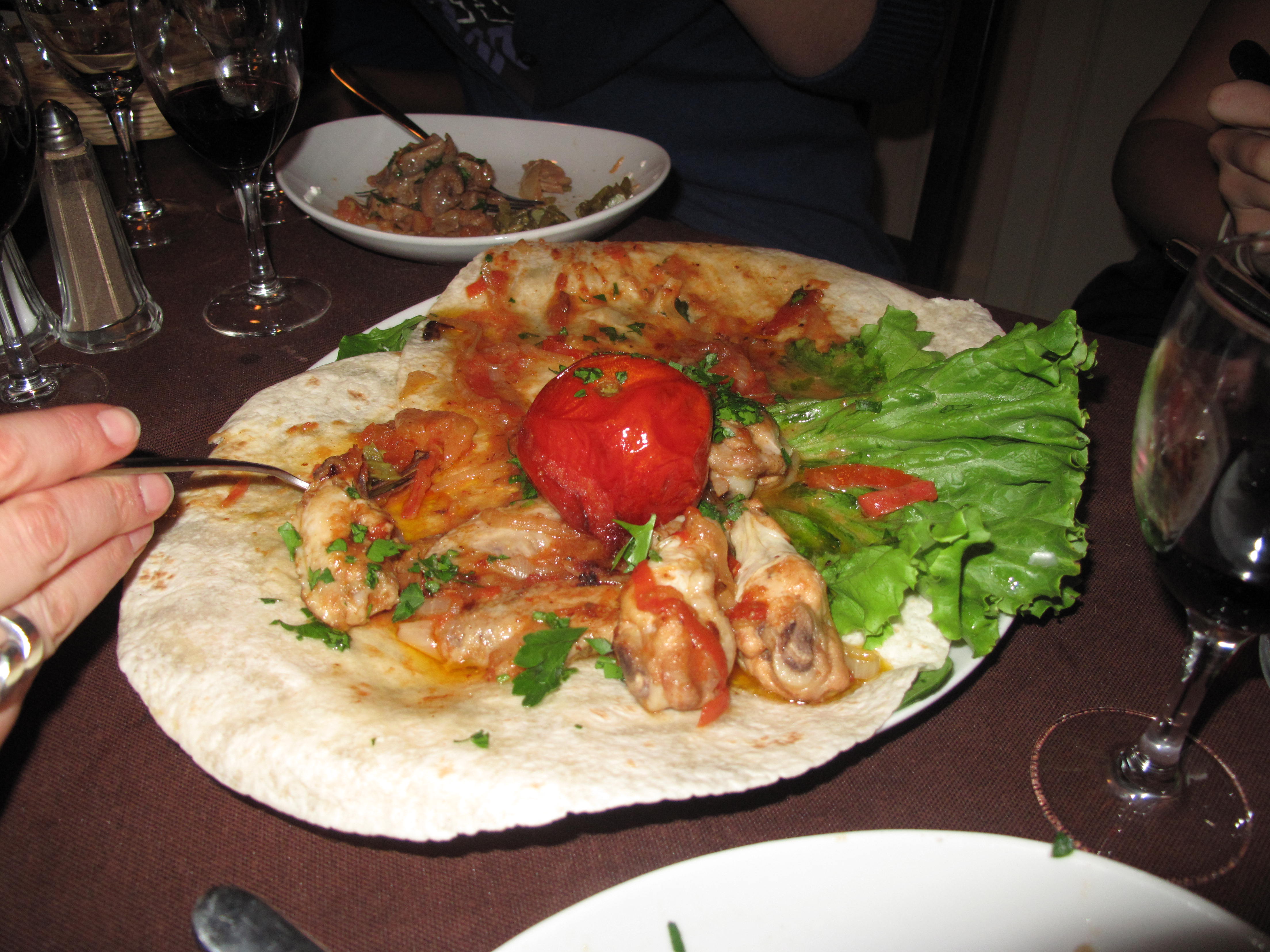
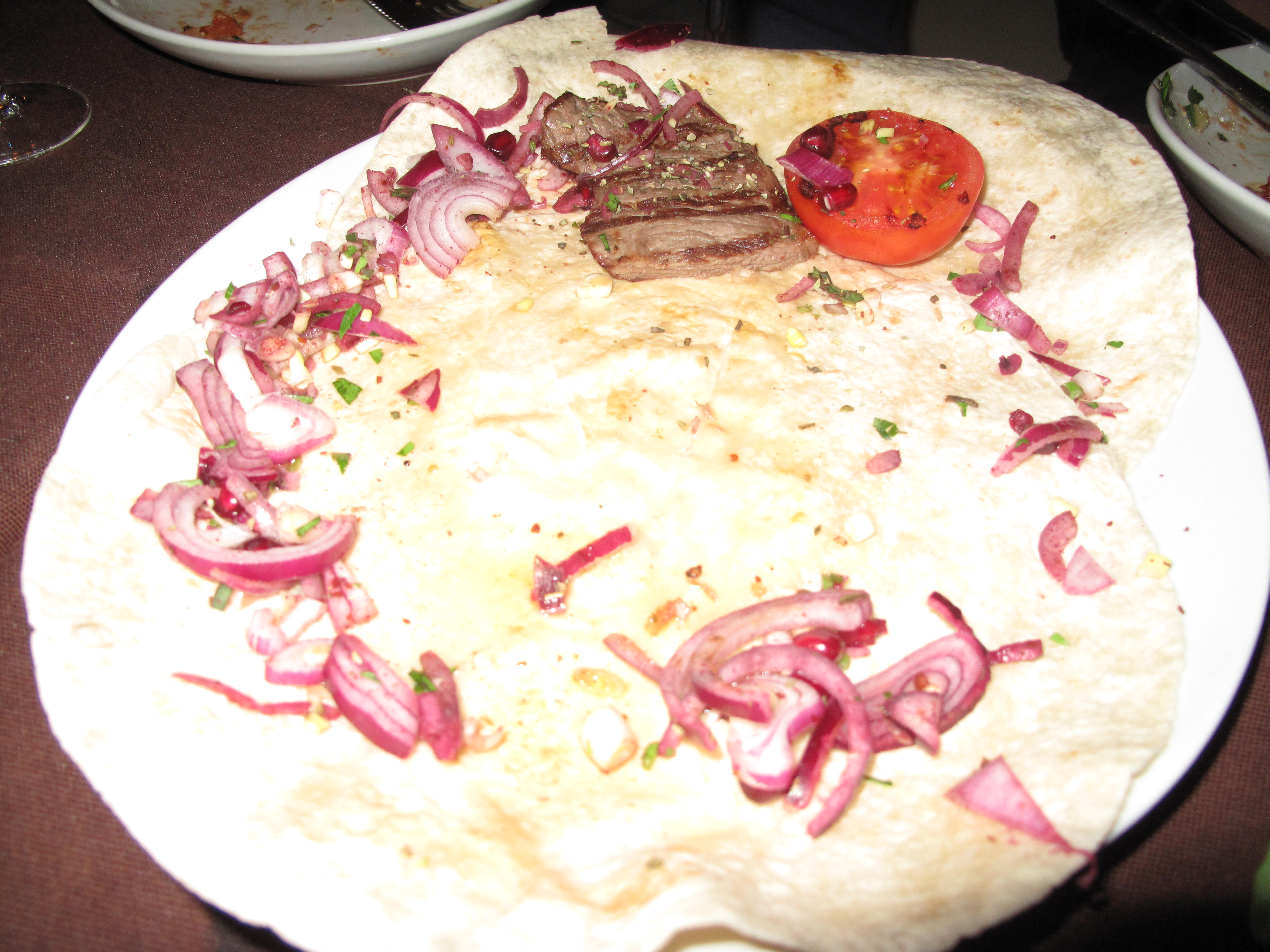
In the evening, after a good nap, I met with an Azeri friend and we made the same route once again, ending up in the Bistro Romain on the Boulevard des Capucines. My friend strongly advised me to try carpaccio – thinly cut slices of raw beef or salmon, with some sauce. Surprisingly, I liked it.

And of course, I should mention the wine served everywhere – it is magnificent! It has none of the bitterness we are accustomed to, it is full of fruity aroma, in fact it has a “bouquet”, as wine experts call it.

Posted in Asia, China, Hong Kong

Trip to China – Hong Kong – Day 6

РУССКОЯЗЫЧНАЯ ВЕРСИЯ ПО ЭТОЙ ССЫЛКЕ. CLICK HERE FOR RUSSIAN VERSION.

31 March 2012, Saturday

This morning, as we had been doing it every previous day, we took a tram to the Causeway Bay station. Today was our last day in Hong Kong – the day of wrap-up.

The first thing in our “to do list” was a hunt for the sailing junk – our “Scarlet Sails” – in order to take a photo of it against the background of skyscrapers. We had been waiting for this moment since our arrival, as on the very first day here we found out that it usually runs along the coast on Saturdays. After we had waited for a while, there they finally were (and not just one!), so I could make a lot of pictures. The view on the photos turned out to be truly symbolic, connecting the traditional and ultra-modern Hong Kong.

When we had just arrived in Hong Kong and looked at the map, it seemed to us that everything was very complicated: a peninsula, a number of islands… Later, after several tours around the city, we kind of got an overall picture of the local topography in our heads, but still were looking at people scurrying on the crowded streets with a bit of envy and wonder – how did they manage to find their ways? But yesterday and today, finally, we decided to delve into the tangled streets of Hong Kong (the island) and Kowloon ourselves.

To be honest, at least in the centre of Kowloon, they weren’t so tangled after all – there were lots of signs and maps everywhere, with an obligatory note saying “You are here”. Following the directions provided, we walked along Salisbury Road and turned onto Nathan Road. The latter is a place where brand stores with sky-high prices peacefully coexist with fake handbags and watches, the falsity of which is not being concealed though – we were literally attacked by several touts (mainly Indian) shouting: “Copy watches, handbags!”

After walking quite a bit, we came across a Shanghai restaurant. Tasting local specialties was exactly part of our “squaring away” – yesterday we tried the shark fin soup, so we still had abalone (edible see snail) and bird’s nest for today. Just to be on the safe side we decided to split the remaining two between lunch and dinner, and to take a different more familiar dish as well each time, just in case the Chinese delicacies turn out totally inedible.

Luckily, the menu of the Shanghai restaurant had an abalone dish (in fact, it is rather a Cantonese specialty). As opposed to the beef (our “safe” dish), which was served in a huge portion, the more expensive abalone dish literally consisted of four slices (each one in the size of a salami slice). The taste was somewhat similar to tender veal, but with a distinct marine flavour.

After lunch, everything we were doing made us think “Here is our last MTR ride”, “This is the last time we are taking the Hong Kong tram”, etc… Interestingly, even though I enjoyed Beijing a lot and saw a lot of unusual and interesting things there, I don’t really have the desire to visit it again. As for Hong Kong, I would so much want to come back and even to live here for some time.

Living here would be good, while living well would be even better. When we had been told that on weekends people were queuing for brand boutiques and jewellery stores, we considered that it was just said for effect. And then we saw this with our own eyes –  despite the fact that there were gobs of jewellery stores here, many of them belonging to multi-branched chains (so multi-branched that there might be 5-10 shops of chains like Lukfook, Chow Tai Fook, Chow Sang Sang on one single street!). And you simply can’t take your eyes off the show-windows with jewellery made of pure gold, or with large pearls, selected jadeite, yellow diamonds, resplendent rubies, sapphires, emeralds, with prices reaching millions. And passing by, we saw that not only weren’t the shops empty, but there were quite a lot of customers at the counters.

On our way back to the hotel, in the overground passage, we observed a “genre scene”: we suddenly heard a clang of breaking glass and saw a red liquid spill. It turned out that one guy accidentally bumped into another and knocked a plastic bag with a bottle from his hands. Immediately, the wronged guy cried “Hey!”, grabbed the offender by the collar and hit his head full throttle against the window. Luckily, it looked like window glasses here were resistant to fights like these. We didn’t stay to see the further wrangles, but the hit guy didn’t try to fight back, looked quite guilty and was clearly preparing to fork out.

Another “loose end to tie up” was visiting a massage parlour. This is also one of local shticks; we had read the most positive reviews in the internet about massage in Hong Kong. We had been planning it for a couple of days, but somehow didn’t have time, so on the last day firmly decided to try it, especially that the nearest parlour was just around the corner from the hotel.

Full body massage took 50 minutes and cost 250 HKD. The massage was purely therapeutic, not relaxing, but quite harsh and sometimes painful (especially in some parts, like neck and lower back, which tend to ache). I was placed face down on a coach and massaged through a towel, by a fragile-looking lady.

Finally, the last item on our agenda was trying bird’s nest for dinner (known as “swallow’s nest”, although in fact only a few species of swifts produce edible nests – they build them not of twigs or clay, but of their own saliva). We didn’t know this fact, so were expecting something hard and even crunchy. However, we were served some white mucous gruel, with sweet almond juice (that was what we ordered, but there are also savoury versions of this dish, always liquid though).

This is the end of our Hong Kong journey, time to lock the suitcases and leave for the airport…

Posted in Asia, China, Hong Kong

Trip to China – Hong Kong – Day 5

РУССКОЯЗЫЧНАЯ ВЕРСИЯ ПО ЭТОЙ ССЫЛКЕ. CLICK HERE FOR RUSSIAN VERSION.

30 March 2012, Friday

It was the first time in Hong Kong when we had to get up very early, as we were supposed to be picked up from a different hotel, the Excelsior, to join the tour group travelling to the Lantau Island. We knew roughly where it was (behind the Sogo department store, i.e. not far from our regular tram stop), but in cases like this it’s always better to allow yourself extra time for clarification, and so we did. As a result, everything went smoothly and we joined our group. We were passed from hand to hand several times: at the first stop we were separated from those going to the New Territories, then, as Lantau is restricted to traffic and only permit-holders may drive there (including buses and taxis), we had to change the bus as soon as we reached the island.

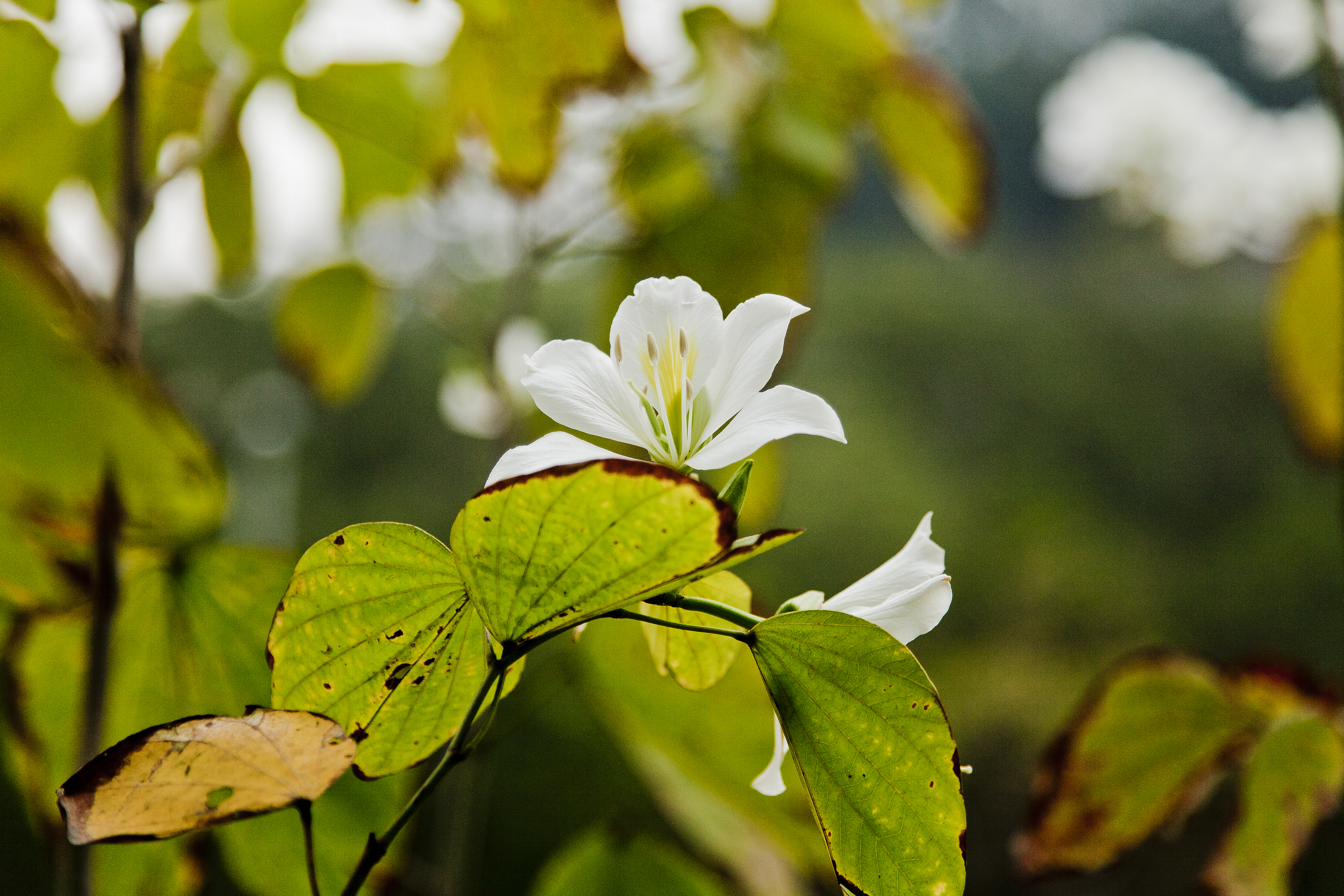
We drove over the same long bridges, as on the first day on our way from the airport, but this time we were told their names (Tsing Ma, Ting Kau and Kap Shui Mun). These bridges are for transport only, walking or cycling is not allowed. At our first stop we were given the opportunity not only to admire the view of these bridges, but also to get a closer look at bauhinia flowers, one of the main symbols of Hong Kong, as we were brought to a bauhinia garden.

Tsing Ma Bridge

There we parted with our nice guide named Ivy and were passed to another one – a lean, thin-faced guy. When I say “we”, I actually mean ten adults and one little boy – the son of a relatively young couple from the USA. Besides them, there were also an elderly couple from the USA, wearing identical vests; another elderly lady, also American; an Australian guy in shorts, who attracted attention by the fact that he had forgotten his ticket and was only able to say “Oops!” (nevertheless, he still was admitted to the trip, as the guides had their own lists of participants), and also a couple from Mainland China, speaking Mandarin only.

Despite the fact that the tour guide told us his English was way better than his Mandarin (just a reminder: the mother tongue of the local Chinese is Cantonese, which is very different from Standard Chinese), his intonations in both languages were absolutely the same and rather monotonous, so every time he was switching to Mandarin for the Chinese couple, we felt afraid that we stopped understanding him.

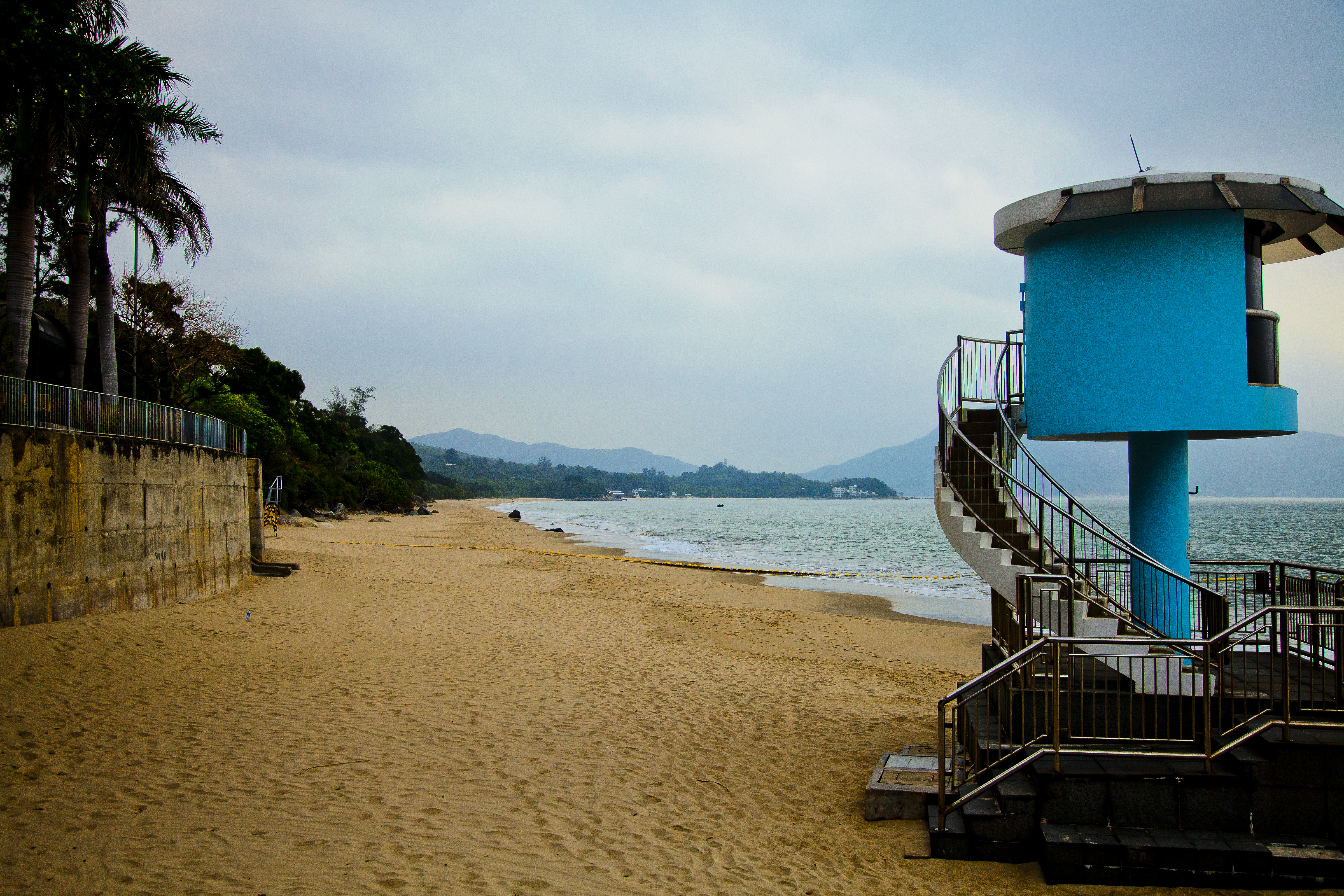
Our next stop was the Upper Cheung Sha beach. Finally we tried – with our hands and feet – the water of the South China Sea. The guide told us that the swimming season would open in three days (i.e. 1 April) – when we would no longer be in Hong Kong. In general, we were told that the time at which we arrived was the most favourable, as both in winter and in summer the humidity is too high, heavy fog makes it hard to see anything and quite often there are rains and even typhoons. The area permitted for swimming was very small and well-fenced, mostly out of fear of sharks, although they hadn’t been seen around for a long time.

The next item on the agenda was visiting the Tai O fishing village, to which we drove through amazingly beautiful mountains. Interestingly, the general view seemed somewhat in common with landscapes of Norway, which we had seen six months before, like the northern and southern variations of the same thing.

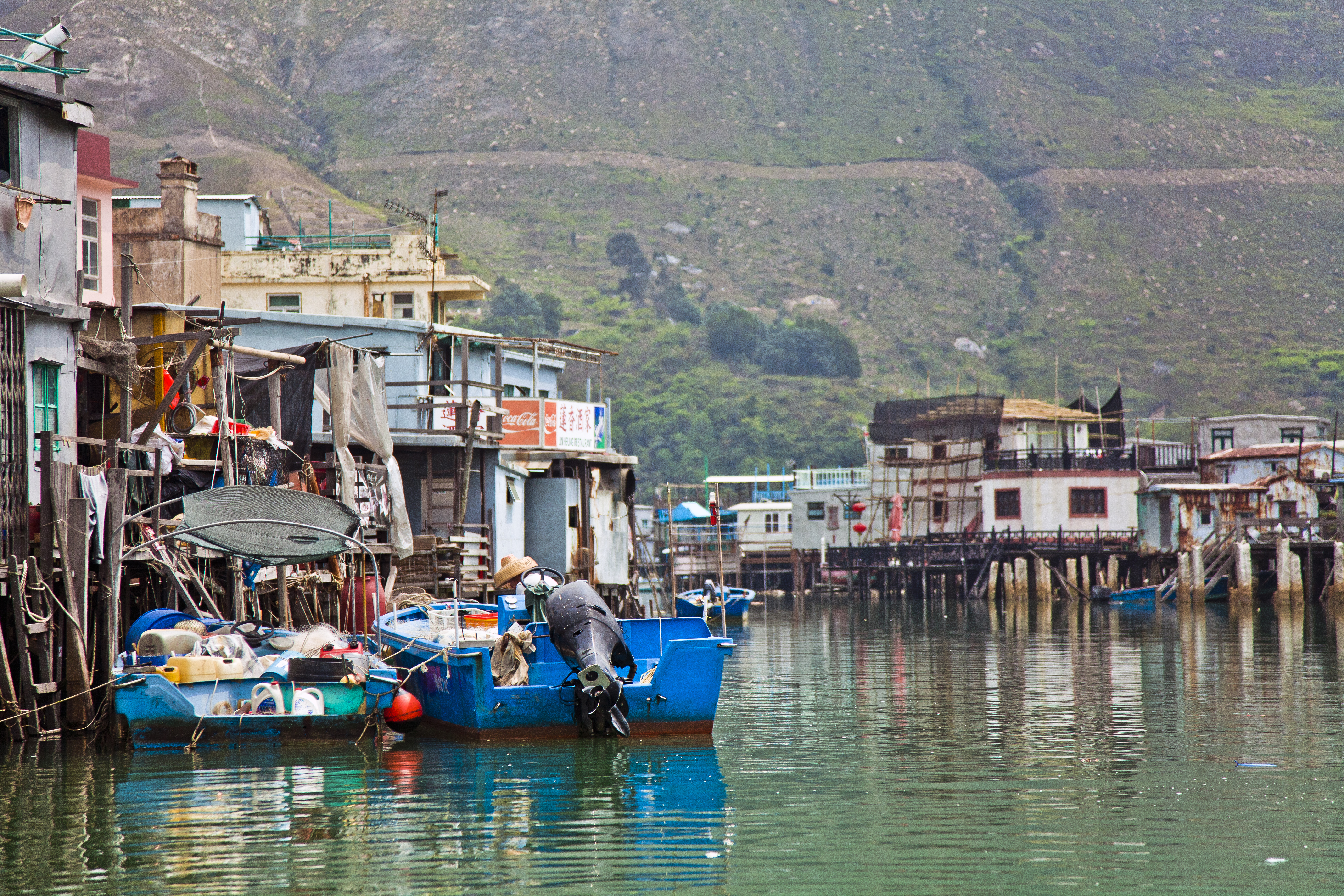
The Tai O village was a sharp contrast to Hong Kong’s skyscrapers, boutiques and luxury brands. People here live mainly in squalid, rusted shacks on stilts. A boat was moored near each shack, and it seemed that such a boat is the most valuable property of its owner, as their engines were mostly of pretty decent brands: Yamaha, etc.

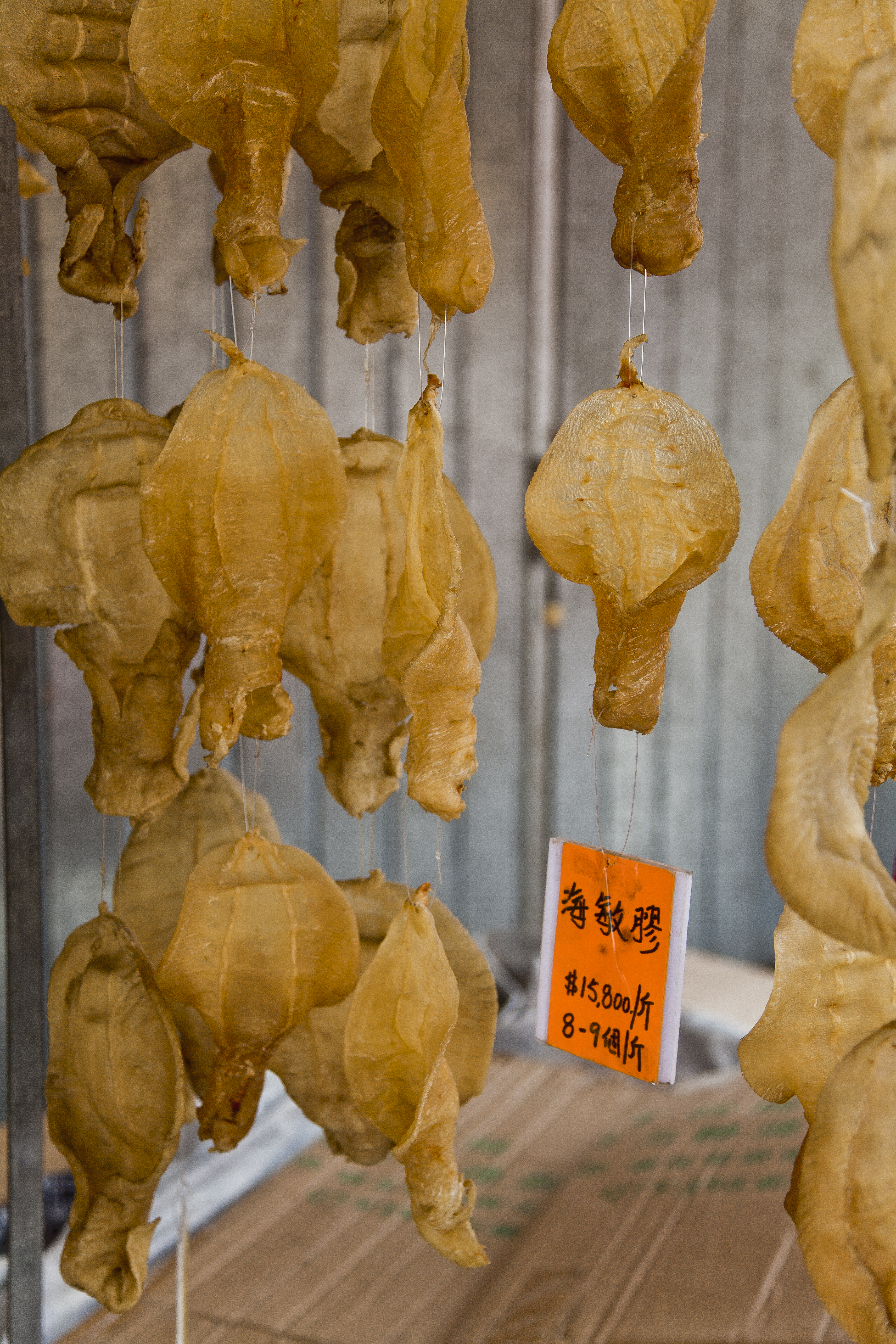
We were taken on a boat ride along these shanties, and then – to a fish market that sold local specialties: dried seafood and shrimp paste. The place stunk to the high heaven! Well, fresh fish smelled ok, but dried fish… This “aroma” then haunted me through the rest of the day – every smell reminded me of it, even that of flowers! Otherwise, the market was indeed interesting and unusual. There were oysters, sea stars, urchins, seahorses, even a huge dried shark. Dried fish of some species was extremely expensive: a bunch of four cost 58,000 HKD (around 7,500 USD or 5,800 AZN).

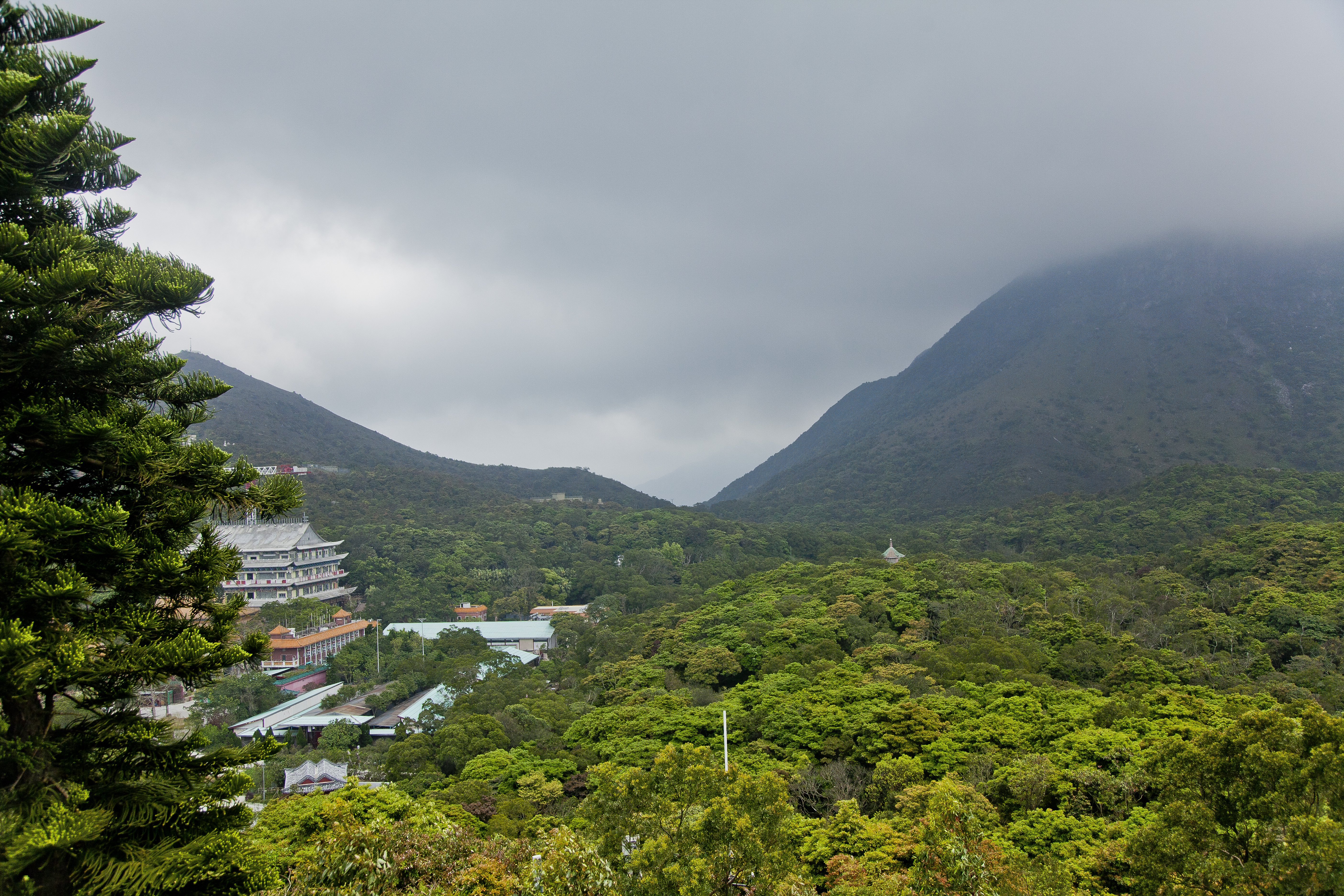
As we drove out of Tai O, we started climbing the mountains again. We already knew that there were 268 stairs leading to the statue of Buddha which we were heading to (known as the biggest outdoor seated bronze Buddha in the world, as among the standing Buddhas there are bigger ones, e.g. somewhere near Shanghai), and were mentally prepared for this. A cable car way exists as well, but it was closed for maintenance.

Well, what can I say about the statue – the Tian Tan Buddha was of course majestic. On his breast there is a left-facing swastika – the symbol of the eternal cycle of the universe. We were taken into the halls beneath the statue, but there wasn’t anything really interesting, apart from bracelets and rosaries for sale and some calligraphic paintings.

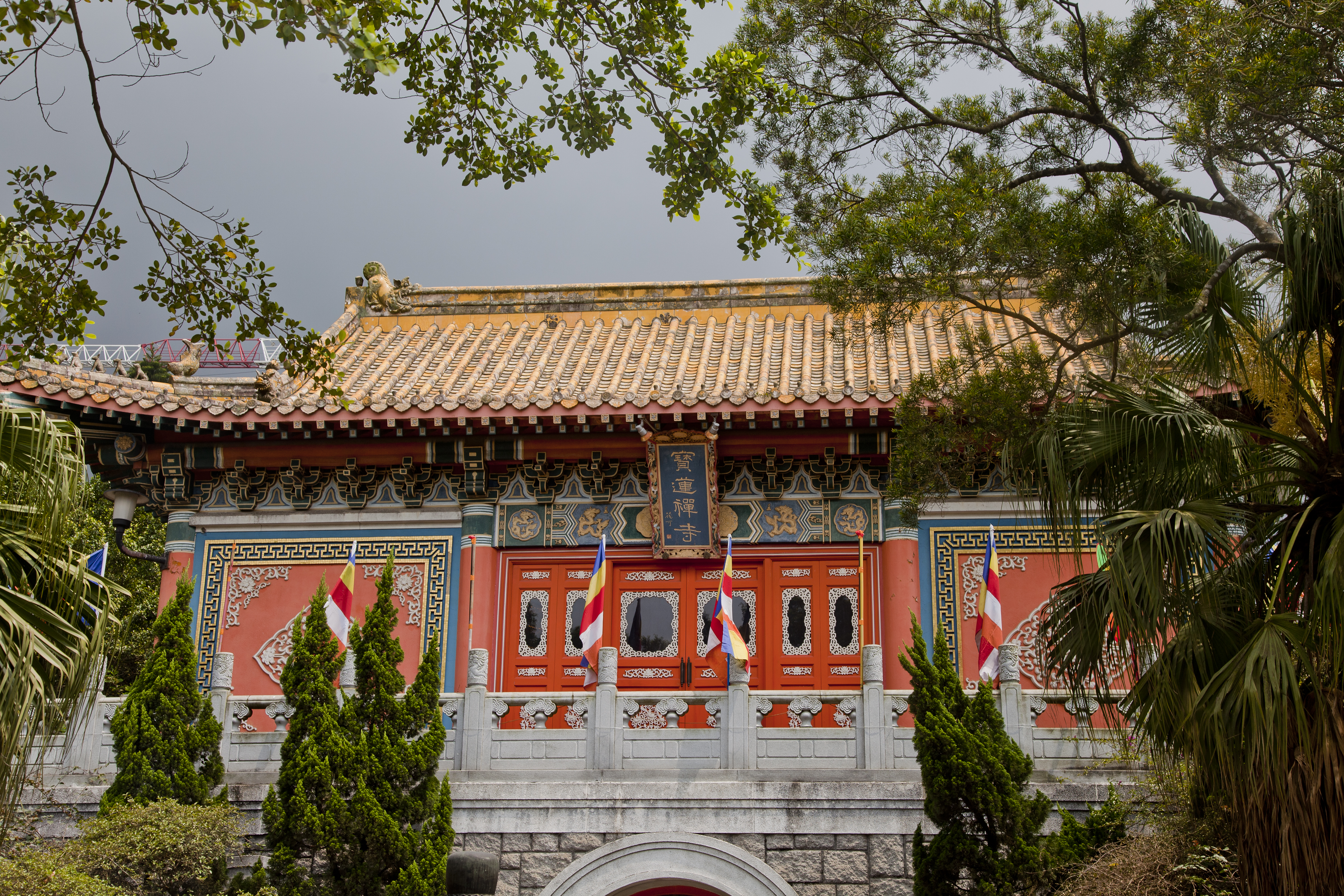
We didn’t have to walk down the previously mentioned 268 steps to get to the Po Lin monastery, which the Buddha statue actually overlooks, as we were taken there by bus. This monastery was much bigger and busier than the one we saw the day before. In its courtyard there were statues of twelve divine generals, representing the twelve-year cycle, as well as time of day. On his hat each general had the animal symbolising the respective year.

For the second time we experienced this strange feeling at the monastery: we came here just to stare around, while for many people around this was a serious visit to their gods. The Chinese couple from our group, for example, were actively praying and burning joss sticks.

The tour included lunch at the monastery, completely vegetarian, just as the day before, but a bit more upper class.

We drove back the same way we had come. Unlike the chatty Beijing guide, this one kept silent all the way back and even seemed to be asleep. After being dropped off at the Excelsior, we popped in the World Trade Centre, did a bit of shopping and thoroughly looked around. A very nice shopping centre, clean, spacious, with relatively few people and without anyone chasing you with their goods.
We had dinner in the Michelin starred Golden Valley restaurant, serving Guangdong (Cantonese) and Sichuan (Szechuan) food, right in our hotel. Inspired by visiting a fishing village, we finally tried the shark fin soup. It was really good. At the next table we noticed a group of locals, literally cooking something in a simmering pot in front of them: they placed slices of meat, some fresh herbs and other products in the pot, and then took them out and ate them. The waiter explained that this was a hot pot dish, and that there was a selection of ingredients and sauces for the eaters to choose from.

Posted in Asia, China, Hong Kong

Trip to China – Hong Kong – Day 4

РУССКОЯЗЫЧНАЯ ВЕРСИЯ ПО ЭТОЙ ССЫЛКЕ. CLICK HERE FOR RUSSIAN VERSION.

29 March 2012, Thursday

In the morning, as our moods revived after the previous night’s episode of depression, we decided to act at our own risk and choose the route ourselves, using maps, Google and common sense.

We stopped our choice on the Ten Thousand Buddhas (Man Fat Sze) Monastery, situated in the New Territories. They are located on the mainland, north of Kowloon, and are not included in the bus tour routes. We were about to cross the entire Hong Kong from south to north.

First thing, we provided ourselves things to do for the next day, entrusting ourselves to the same company we had been touring around the city with so far (Big Bus Tours), and booked a day trip to the Lantau Island.

We took the MTR from the Central station and had to make two changes before we got to the point of our destination – the Sha Tin area, where the monastery is located.

A journey on the tube is always a good opportunity for observing the locals and drawing conclusions. Thus, we noticed that the local Chinese consumed much less garlic than Beijingers, or, in any case, clearly concealed it. As you enter any public place in Beijing you almost suffocate with its “delicate fragrance”, but here you don’t really feel anything.

What also draws attention is the technophilia of Hong Kongers – everyone in the tube is busy with their phones, iPads, readers, PSP’s and other gadgets of the latest models. To the credit of the locals it should be mentioned that a young man gave his seat to me.

At Sha Tin there was a bit of a hitch: we thought that the monastery was one of the tourists’ favourite places and we would see a lot of signs which would easily lead us to the right place. But no! We looked around, walked along a street, which seemed to be the only one (it was very broad, much broader than in the city centre), following the crowd coming out of the tube. Only then did it dawn on us that it was quite unlikely for such a broad modern street to lead to a Buddhist monastery.

After asking a couple of people in the street, we realised that we should go back to the station and make a second attempt.

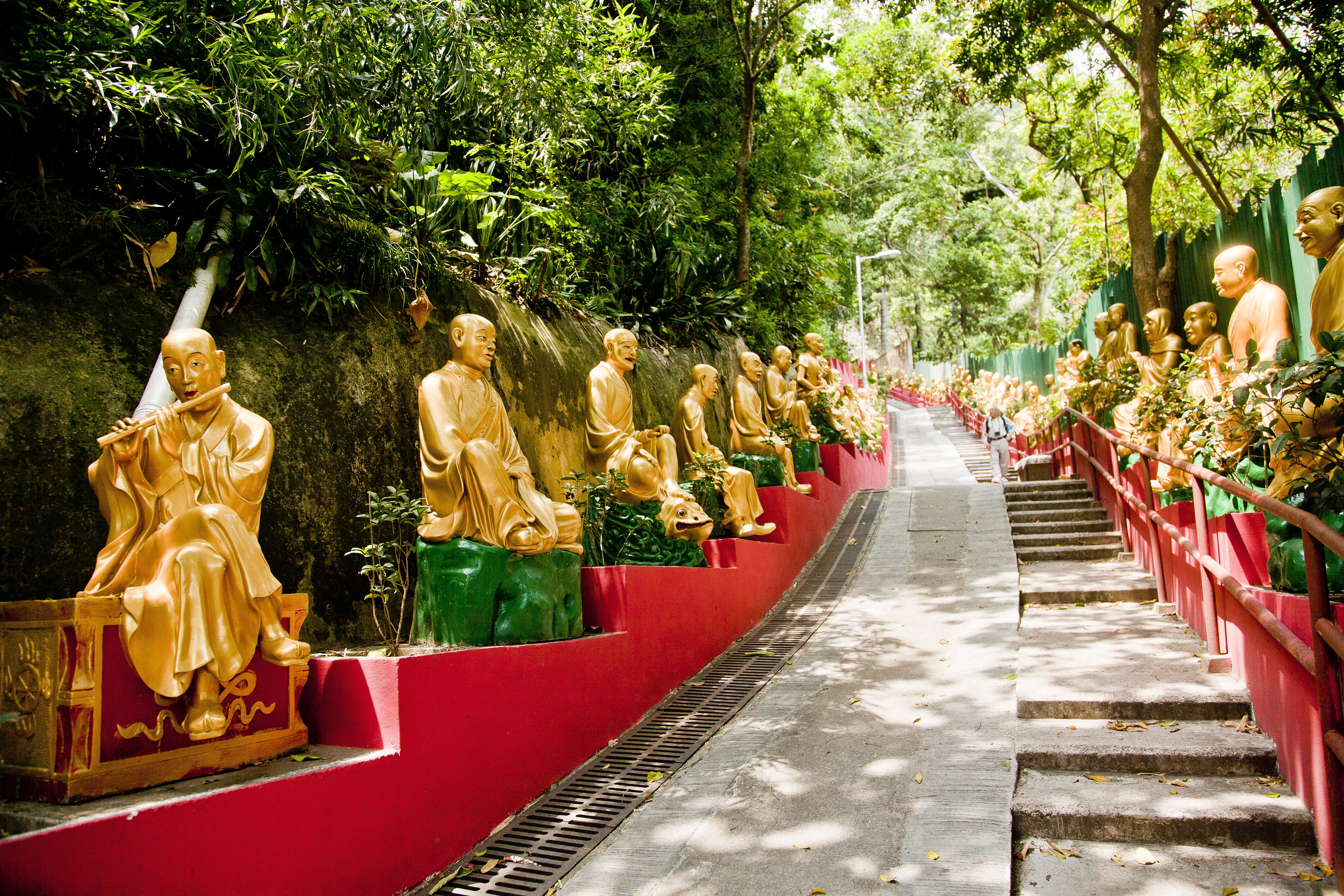
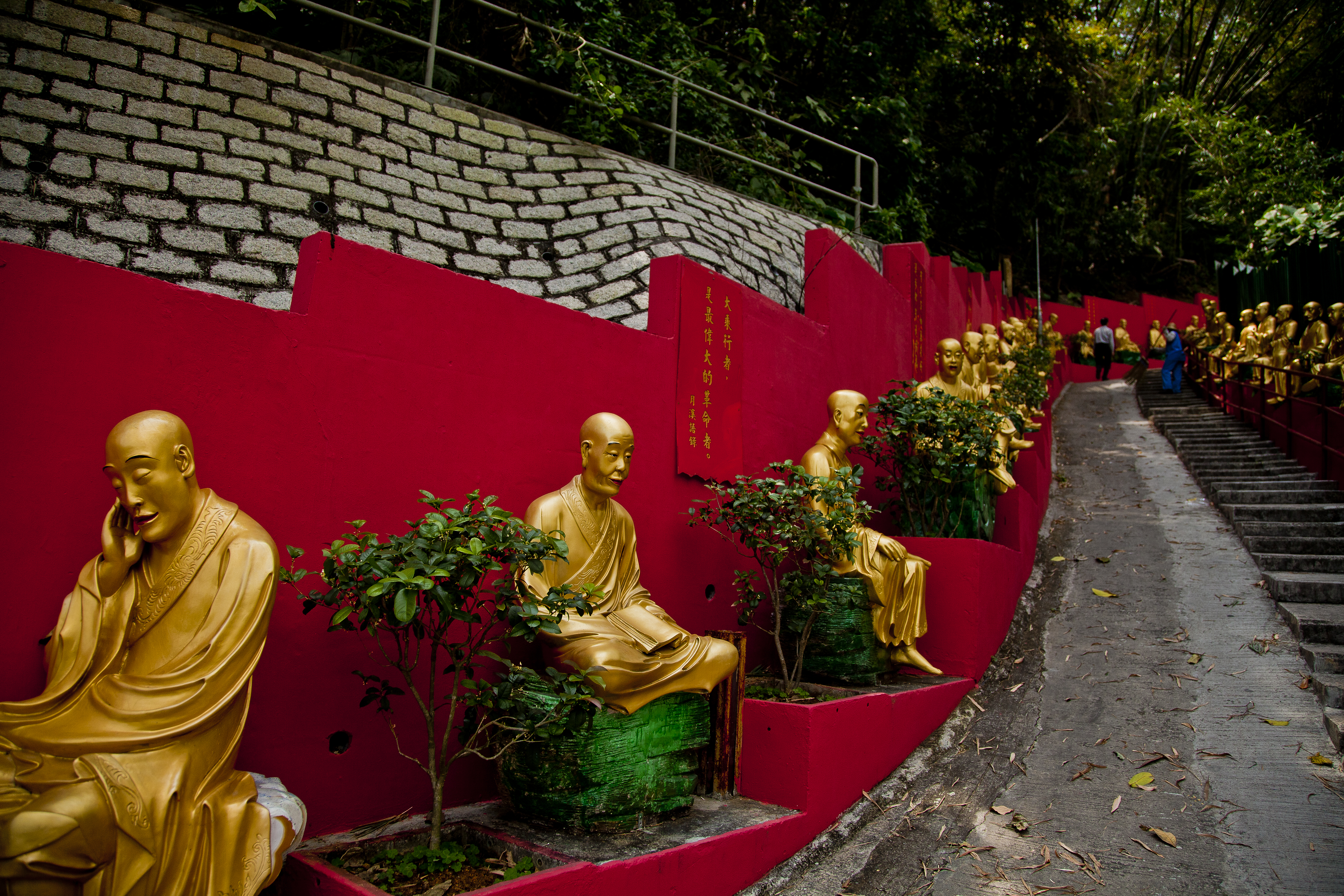
It turned out that there was a trail, which we hadn’t noticed the first time, leading to the monastery.  As we walked a bit, we came up to gates with a univocal sign, notifying that the steps before us were in fact the road to the monastery. The number of steps was simply enormous, but the road itself was quite amusing: on both sides there were thousands of gilded statues of Buddha, standing, sitting in different poses, with different facial expressions. Right at the beginning of the road we were snapped up by two Buddhist monks who mumbled something, pressed some rosaries to our foreheads, put some bracelets on our wrists and clearly hinted that they would like to receive some alms. There was nowhere to escape, and each of us had to part with hundred Hong Kong dollars.  As we walked substantially further, we noticed a sign warning that real monks wouldn’t beg, so, they said, beware of fake monks. Something felt a bit hypocritical about this sign; as if it were impossible to put it right at the entrance!

Once again I should mention that climbing all the way up to the monastery was really uneasy. But even if I make this statement for the third time, still, this would be much easier to write about than to actually overcome. We did it though!

Interestingly enough, on the territory of the monastery itself we didn’t notice even a single monk – neither a real, nor a fake one. There were, however, cleaners, polishing the statues with rags; waterers, and other staff. By the way, it has to be mentioned that all the captions under the statues were made exclusively in Chinese, and only two boxes of ginseng ficus were neatly signed in English, from which one can conclude that this place is mainly visited by Chinese Buddhists and English-speaking botanists 🙂

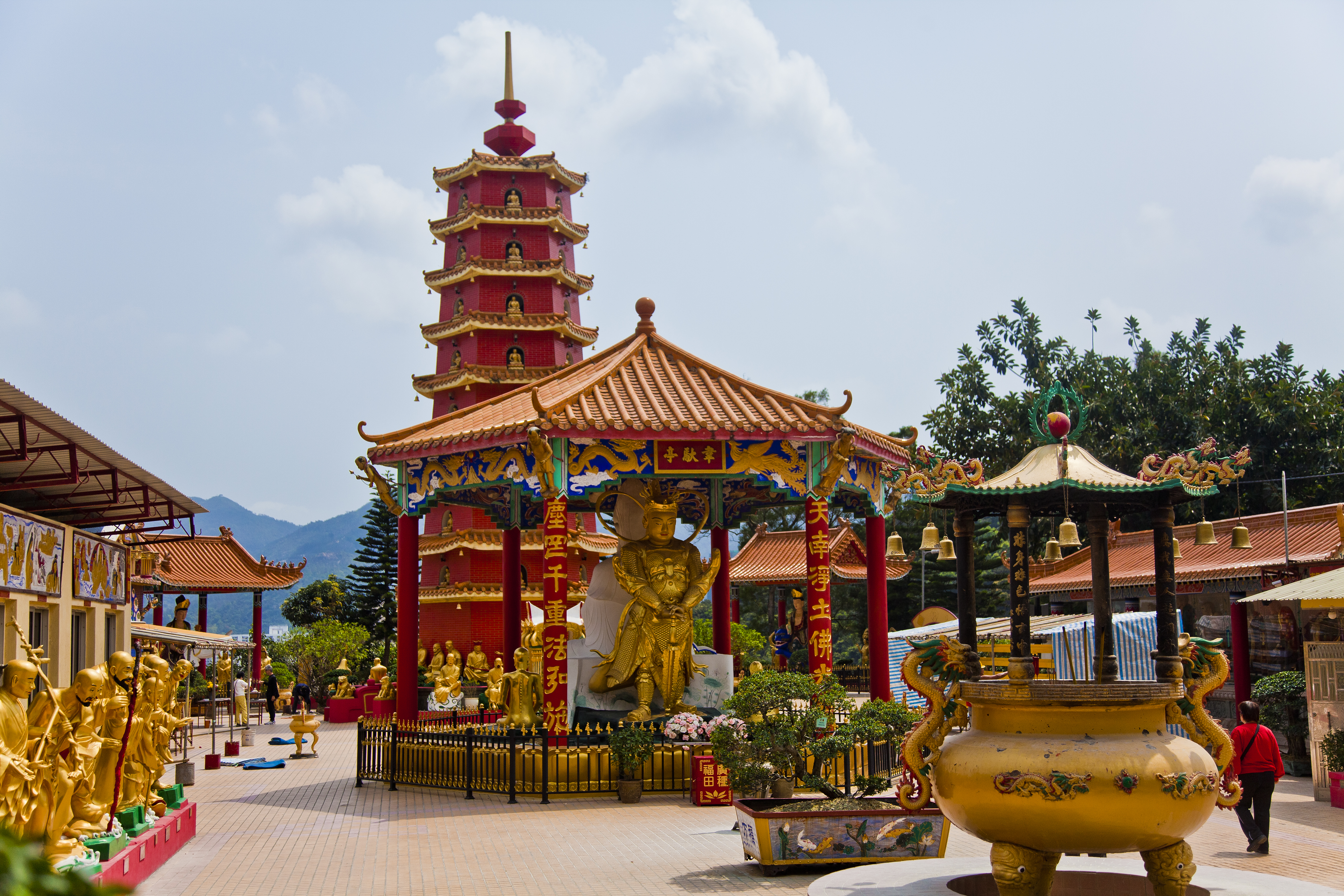
Inside the temple taking photos is not allowed. One could think that the Ten Thousand Buddhas are only those statues on both sides of the road. In fact, they are right in this temple: each wall has numerous rows (we counted 31) with small statues of Buddha.

In the yard there were statues of different deities, a high pagoda and incense burners. Actually, there were quite few tourists; the majority of the visitors were believers who had come to pray. They burned incense sticks, made wishes and read some books.

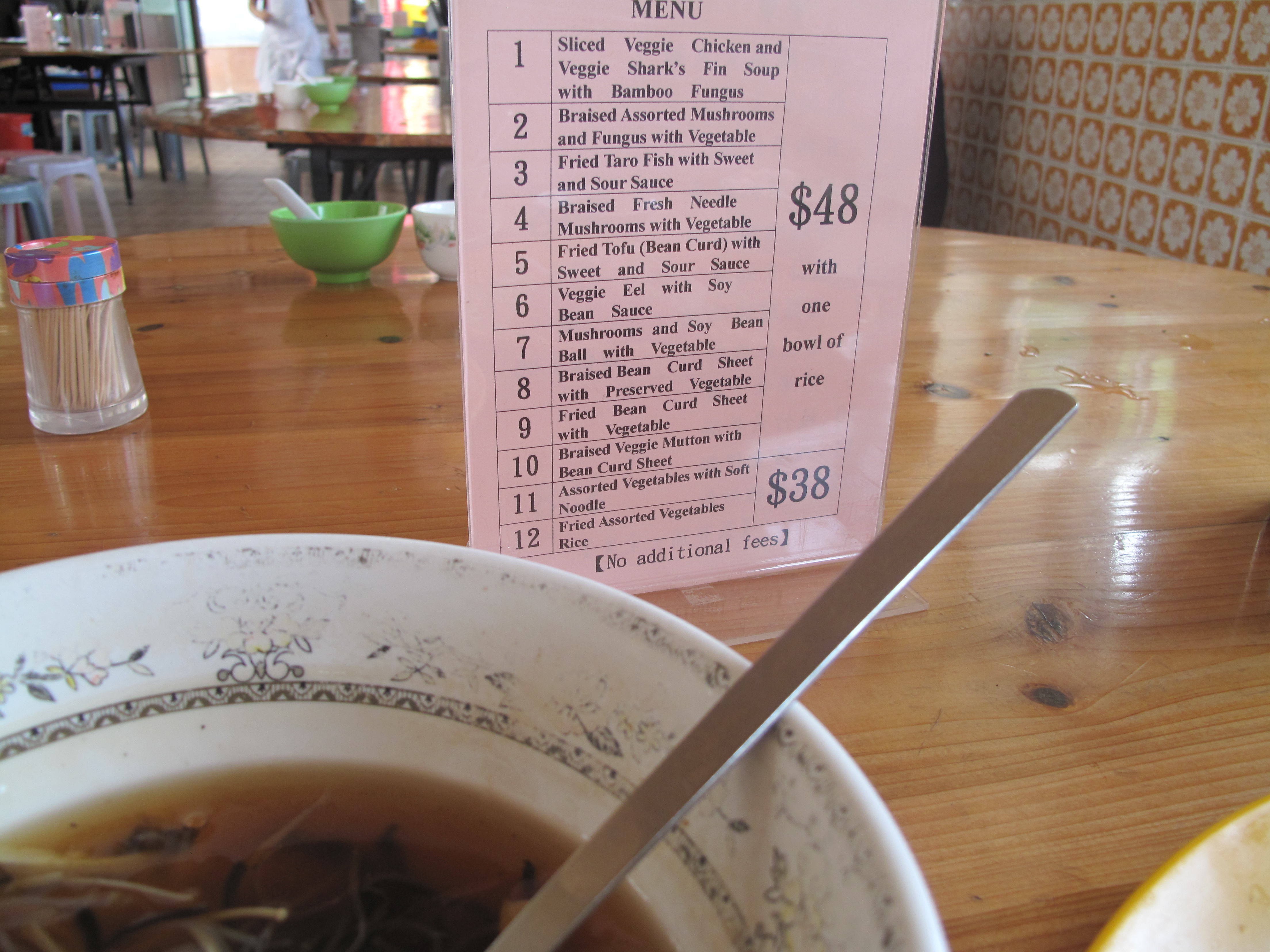
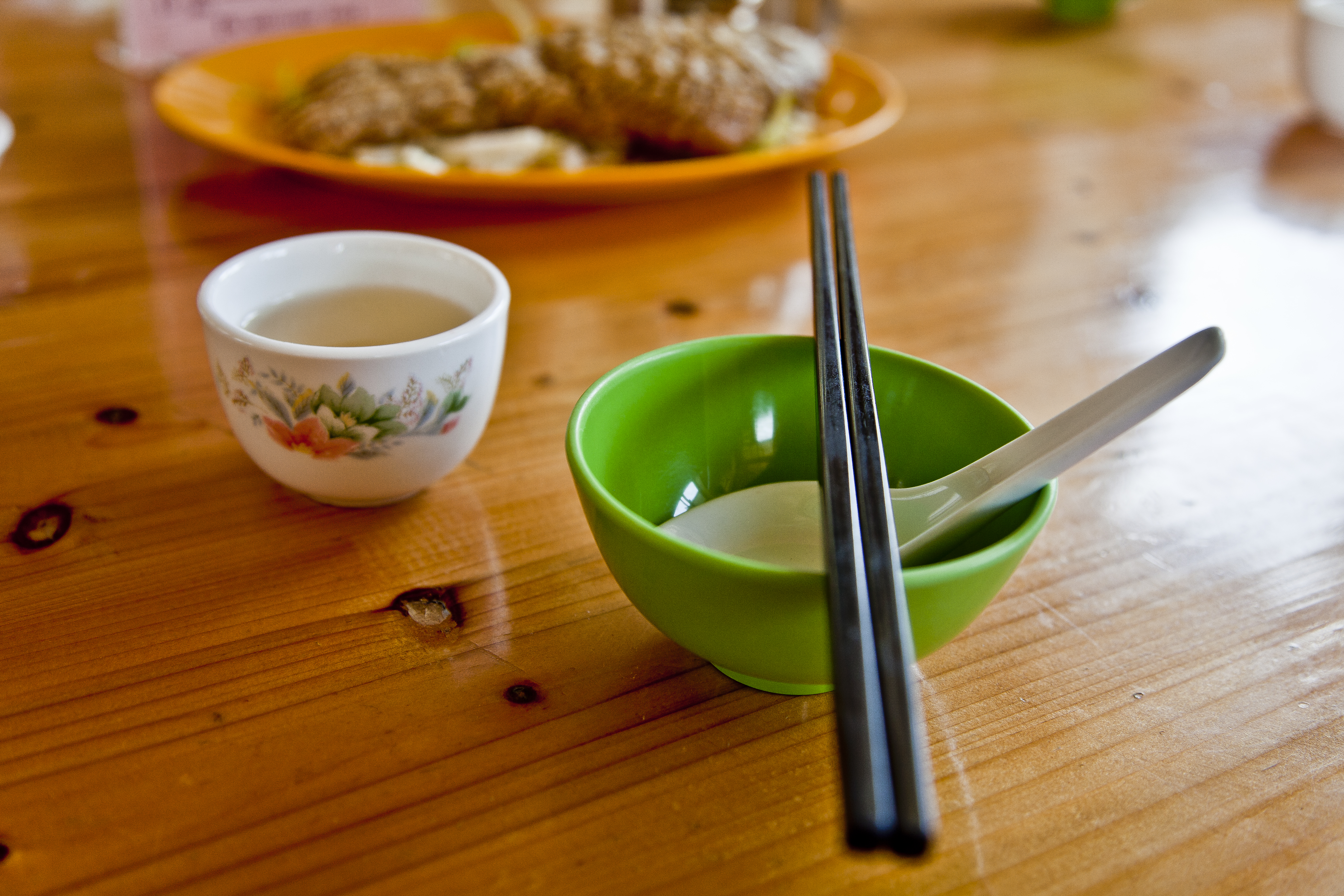
Apart from spiritual food, physical food was also present there, although purely vegetarian. Right there, in the yard, was an eatery, where just for 48 HKD you would be served a tremendous portion of whatever you had ordered (soup, for example, wasn’t served in bowls, but rather in basins!). Chicken, fish and lamb appeared in the menu, but all with the “veggie” prefix, meaning they were probably made of soy. As for vegetables and mushrooms, they were real, of course. And everything was delicious!

Well, needless to say, that the way back was much easier, as we were walking down the hill. Overall, we spent an hour to get there, two hours in the monastery, and a bit more than an hour to get back.

Posted in Asia, China, Hong Kong

Trip to China – Hong Kong – Day 3

РУССКОЯЗЫЧНАЯ ВЕРСИЯ ПО ЭТОЙ ССЫЛКЕ. CLICK HERE FOR RUSSIAN VERSION.

28 March 2012, Wednesday

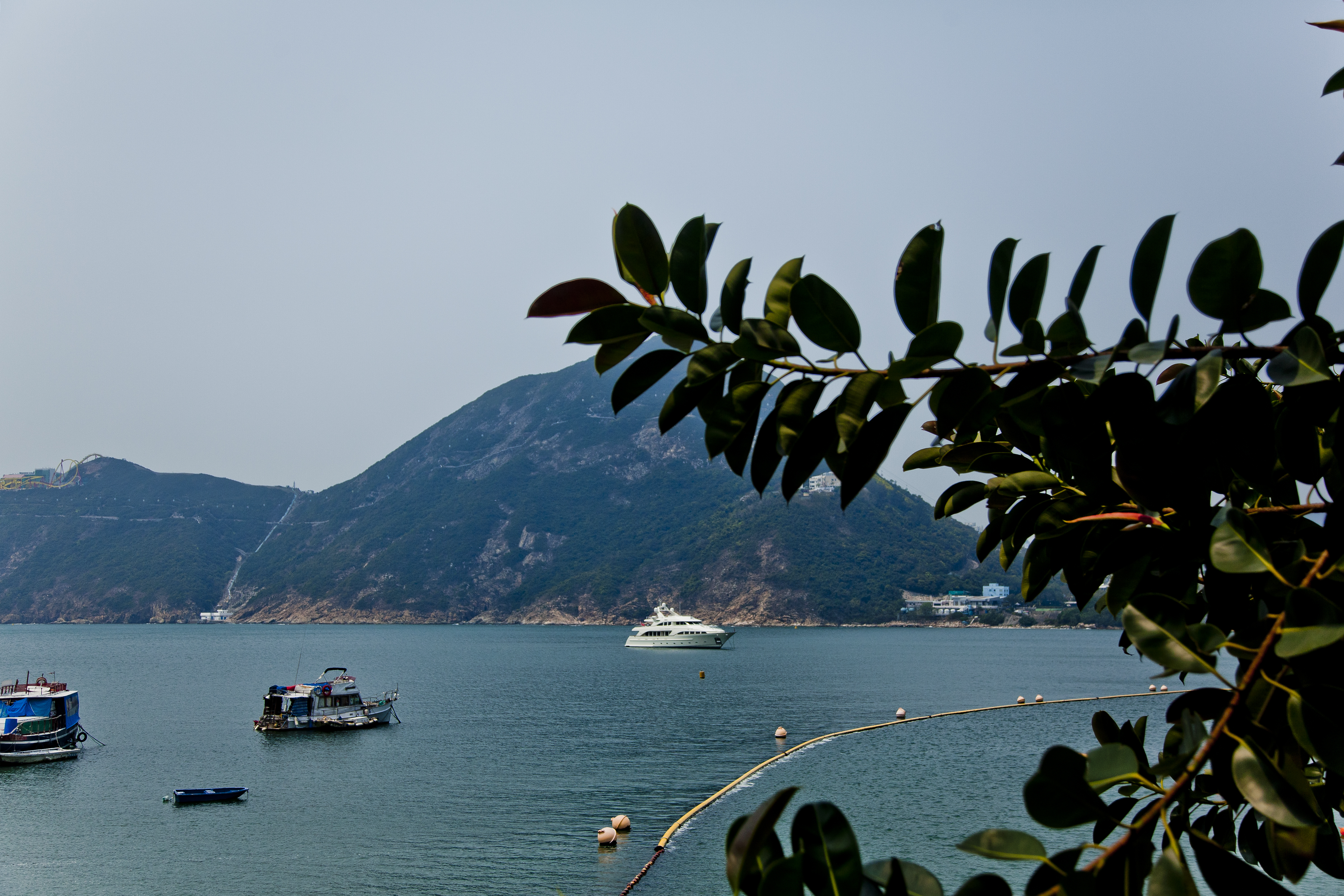
The day began with another bus tour – the one that led out of town. The view, especially along the southern coast, strewn with beaches, was simply amazing, but there wasn’t really anything worth a separate description, unless I would keep repeating: “Oh my god, how beautiful! The sea, the hills, the wonderful smell of flowers!” And the smell was indeed worth these words, it was totally unfamiliar, but still very, very nice.

It is very prestigious to live in the Repulse Bay area (called so, because it once used to be a nest of pirates, which the British troops repulsed severely and eventually eradicated), therefore housing here is very expensive, reaching HK$200,000 (about 26,000 USD or 20,000 AZN) per sq m.

The highlight of the journey was lunch at the Jumbo Kingdom floating restaurant in the Aberdeen fishing village. It can be called a village just conditionally, as it also has high-rises, just like the city does. It was quite suprising to encounter the name of a small Scottish town in subtropical Hong Kong. It turned out that it was named after Lord George Hamilton-Gordon, the British Secretary of State for War and the Colonies, who was Scottish. Generally, everything here is so saturated with Scottish spirit, that even during the handover ceremony (sovereignty transfer from United Kingdom to the People’s Republic of China) in 1997 there were Scottish soldiers marching to the buzz of bagpipes.

Aberdeen is given a special flavour with sampans – traditional boats, in which the Tanka people used to live in the past, and sometimes even live now. We took a ride on one of these sampans which brought us to the restaurant.

The floating restaurant consists of two decks: the top deck is a restaurant serving western cuisine, while the first deck is a fine Chinese (Cantonese) restaurant. We chose the latter. The prices of some dishes, quite frankly, were off the scale, reaching thousands (shark fin soup, for example) or even tens of thousands (fish maw) of Hong Kong dollars. We weren’t really up for spending a fortune on food, so went for quite ordinary stuff we were familiar with: dim sum, sweet and sour pork and chicken noodles. We were served such a huge mountain of noodles, that even after jointly and vibrantly eating as much as we could, it still looked almost untouched. The degree of our satiety could best be described by the fact that we couldn’t bring ourselves to have dinner later that day.

The restaurant turned out to be quite close to the city – we saw some familiar skyscrapers on our way back. By the way, skyscrapers in Hong Kong usually get nicknames related to their shape: for example, the building of the Chinese People’s Liberation Army Forces (the former head office of the British army) is referred to as the “upside-down Gin bottle” (which I didn’t get the chance to take a photo of), and the Lippo Centre buildings, looking like trees with climbing koalas, are simply called the “Koala trees” (in the photo below).

After lunch, our high spirits left us. It happened in the Wan Chai Computer Centre. One would have thought this was a paradise for electronics lovers where they could just shop their butts off. However, being in a space, divided into tiny compartments, littered with goods and packed with people, felt somewhat depressing for some reason. Even buying good phones for quite low prices didn’t make us feel much better.

To recover from a bad mood we decided to visit the Victoria Peak again. Here, too, things didn’t go very smoothly: to buy our tram tickets we had to wait in a queue probably a kilometre long, and also we completely forgot to ask the tour staff about round trips to the Lantau Island, which we were planning for the next day.

Nevertheless, we visited the local “Madame Tussauds”. The exhibition, of course, mainly consists of local celebrities’ figures, among which Jackie Chan’s one stands out (so much, that taking a picture next to it costs money). In general, the wax population is far less than in London, which is quite logical.

Having waited until dusk, we again visited the viewing terrace, where, almost gone with the raging wind, we enriched our photo collection with the pictures of the evening harbour with a bird’s-eye view.

Posted in Asia, China, Hong Kong

Trip to China – Hong Kong – Day 2

РУССКОЯЗЫЧНАЯ ВЕРСИЯ ПО ЭТОЙ ССЫЛКЕ. CLICK HERE FOR RUSSIAN VERSION.

27 March 2012, Tuesday

First of all, we should praise ourselves. And Hong Kong too. The first ones (i.e. us!) were able to find our bearings all the time, figured out where and how to go, purchased Octopus cards which are used for payment in all public transport in Hong Kong (and some shops as well). No more taxis from now on, long live the public transport! The second one, that is Hong Kong itself, provided an opportunity to understand everything, being a very user-friendly city: the streets, the transportation – everything is clear and more or less available, unlike Beijing, where standing on one side of a very wide street, you might have no clue how to get to the other side. Hong Kong’s streets are narrow, often literally a gap between skyscrapers. Usually there are overground crossings in areas with heavy traffic.

So, after breakfast (which was way more modest than in the luxury Beijing hotel), we, as decided the day before, headed to the nearest tour bus stop. We took a tram; trams here, as everything in Hong Kong, had grown in height and not in length: they are short and double-decker.

The bus took so long to arrive, that we got quite anxious whether we were standing in the right place. But just at the moment when we went to clarify this with a staff member of the Sogo department store, in front of which we had been waiting, the long-awaited bus appeared in the distance. Interestingly enough, the tickets were only sold near the Victoria Peak tram station, meaning that should we have decided to get off earlier, we would have ridden for free.

The road to Victoria Peak, which had been open to the public in late 19th century, was extremely steep and we rode at a crazy angle! We were literally pressed into the seat backs. The funicular is not only an attraction for tourists, but also public transportation for residents of the upper levels of the island. In fact, it was originally created in order to stimulate building development of the mountain.

As we got off the tram, we immediately found ourselves in a mall, where we had to climb quite a few escalators in order to get to the lookout. But it was totally worth it: the view from the Sky Terrace was just divine! The Victoria Harbour was picturesque to the utmost; and the concrete jungle, framing it, looked very harmonious next to the lush and curly greenery on the slopes.

We had lunch at the peak, at the Bubba Gump Shrimp & Co restaurant. It is a nice seafood restaurant from an American chain, with average prices. The way of calling the waiter is really interesting: there is a two-sided sign board on the table. If you don’t need anything, you turn it to its blue side, which says: “Run, Forrest, run!” If you need the waiter though, you turn it over to the red side, saying: “Stop, Forrest, stop!”

After a ride through the Hong Kong island (the name, by the way, originates from the Cantonese “Hēunggóng”, which means “Fragrant Harbour”), which is the historical centre of the former British colony, we took the Star Ferry to the Kowloon peninsula. Its name means “nine dragons”.

One of the main attractions in Kowloon is the Tsim Sha Tsui Promenade, or more precisely, the Avenue of Stars, like the Hollywood Walk of Fame, but, obviously, related to Hong Kong cinema. Among a myriad of names, completely unfamiliar to us, there were also the names of internationally famous actors, such as Jet Li, Chow Yun Fat, Andy Lau, and of course, the two biggest local stars – Jackie Chan and Bruce Lee. The latter also has a monument in his honour, which is really an object of pilgrimage for Chinese (and other) tourists.

Speaking of Chinese tourists, we had been told that the Chinese liked to be photographed with the Europeans, but in Beijing no one had expressed the desire to take a picture with us. Here though, right on the Promenade, a whole family – apparently, tourists from some Chinese province – approached us and asked to take photos with us, which they then did one by one.

We toured around Kowloon twice: in the day and evening. During the daytime it looked a bit inferior to the island, despite some memorable sites, such as the Peninsula Hotel, where during the Second World War, just after several days of fighting, the British signed the surrender to Japan; or the International Commerce Centre, which is the tallest skyscraper in Hong Kong (by the way, Hong Kong has the most high-rises in the world, almost twice as many as New York does). In contrast to the fashionable boutiques of the island, the peninsula is famous for its more democratic markets: the Ladies’ Market, Temple Street Night Market, Flower Market, Bird Market, etc.

However, at night the streets of Kowloon are brilliantly lit by colourful neon lights – especially areas like Nathan Road and Mong Kok – and look absolutely safe (the crime rate in Hong Kong is really very low).

After the night tour around Kowloon we came back to the Tsim Sha Tsui Promenade, where a laser show is demonstrated every night at 8pm. Honestly, we expected something more from it, and when the green laser beams started appearing in the sky, we kept waiting for the real show to begin. But that was it, as it turned out – not too impressive (later note: the light show on Maiden Tower walls in Baku during Eurovision Song Contest 2012 week was way more spectacular). But I took some photos of the harbour.

On the way back we easily found the right tube station (or MTR station, as it is called here), then the right tram stop, and after the 12-hour “sortie”, safely returned to our Emperor (Happy Valley) hotel.

A few general observations: the local language, that is, Cantonese, is quite different from Mandarin, or Standard Chinese, which is the official language in China and Taiwan. As for Hong Kong, it has two official languages: English and Chinese (both Mandarin and Cantonese, which makes, in fact, three). For example, tube announcements are made in all three, and pretty soon we got the hang of aurally distinguishing Cantonese from Mandarin.

The writing is also different. Here they use older, traditional characters, which look more complicated, with lots of strokes and dots. In Mainland China, though, as well as in Singapore and Malaysia, simplified characters are used. They were introduced in the middle of 20th century, to increase the literacy of the population.

Watching the locals, you sometimes feel like you see the English in Chinese guise. They queue sedately (something which the Chinese don’t tend to do generally), obey traffic rules, stand on the right side of escalators and walk on the left. All the service staff in all public places speak English, schoolchildren solve math problems for homework in English (we saw this in Starbucks; they were speaking Chinese among themselves, though).

In general, having arrived in Hong Kong, we clearly felt the difference between the communist and capitalist China. Not that in Beijing they flaunt their communist slogans, prohibitions and restrictions – it all seems veiled. But you still have the feeling that the tiger is holding out its paw, even though with hidden claws, over everything around: controlled Internet, controlled television, guides necessarily referring to happy life with universal equality in the People’s China, Mao’s portraits, five-star symbols, and even endless barrages on the streets constantly remind of it. In Hong Kong you see democracy in full bloom. No wonder that in 1997, when Margaret Thatcher returned Hong Kong to China after a 99-year lease  in accordance with the agreement, tens of thousands of Hong Kongers hastily emigrated to the West, terrified by the “charms” of the communist “paradise”. However, Hong Kong practically doesn’t feel its implications so far, because, as well as Macau, it has the status of a Special Administrative Region and will retain its internal system for 50 years. What Hong Kongers will do after the 50-year period expires, is a big question.

Posted in Asia, China, Hong Kong

Trip to China – Hong Kong – Day 1

РУССКОЯЗЫЧНАЯ ВЕРСИЯ ПО ЭТОЙ ССЫЛКЕ. CLICK HERE FOR RUSSIAN VERSION.

26 March 2012, Monday

Goodbye Beijing, and hello Hong Kong! Beijing sent us off with some taxi-related difficulties – it turned out that concept of “booking a taxi” didn’t work at all here. The most you can expect when booking is that the clerk will catch a taxi for you out of turn. But even despite a slight delay, we managed to do everything (i.e. to have breakfast, check out, get to the airport and pass through all stages of airport control) with a huge lead time.

Compared to the Chek Lap Kok Airport in Hong Kong, the Beijing Airport looked half-deserted, perhaps, due to its vast territory. The long winding queues in Hong Kong Airport reminded us of London, while the luggage claim part didn’t remind of anything at all. One would think that it’s really easy – just follow the signs, check the announcements on the monitors and find your luggage. But for some reason our flight wasn’t mentioned anywhere. I had to go to the information desk, where it turned out that our luggage had been unloaded on the conveyor for a flight from Singapore. It’s hard to tell, whether this was a single case, or such disorder is generally usual for Hong Kongers.

Hong Kong’s topography is very complicated, which we realised while trying to find a taxi to the hotel. There are taxis of one colour for one island, those of another colour for another island and taxis of third colour going to the peninsula, while the airport itself is located on yet another island.

The road to the city was totally stunning, as opposed to the dull one in Beijing. Picturesque hills entirely covered with greenery, crimson flowers everywhere, air full of spicy fragrances, huge bridges, skyscrapers of incredible forms, the bay of the purest blue colour – amazing! Every now and then we grabbed each other’s hands and cried: “Look, over there, look there!” Narrow skyscrapers made us feel somewhere in New York, and the palms and tropical greenery clearly indicated that this was an exotic place. Well, as for the left hand driving (as well as triple outlets), it reminded of the good old England.

The hotel somewhat disappointed us though, compared to the five-star one we had in Beijing, shining with luxury. This one was inferior in terms of both service and location: it was situated somewhere on the outskirts, in the interior of the Hong Kong island (Happy Valley area). However, the view from the window was quite interesting: we could see a hill covered with greenery (as all hills here), as well as terraced roofs with tables, chairs, chaise lounges and people, hanging clothes out to dry or cooking something.

After settling in the hotel, we immediately went out to walk around a bit. Hong Kong absolutely has the appearance of a western city. Although the people you see around are pretty much the same Chinese, but their clothes, their manners, their dogs on leashes and even their faces are quite different. For example, in the Beijing Zoo we noticed a group of guys, one of which must have probably been claiming to be very stylish: he had a cool tie, a short-sleeved tight jacket, shades and patent leather shoes. Still, next to any Hong Kong guy he would have looked a bit provincial, despite living in the capital.

The streets, surrounding our hotel were very busy and full of banks, real estate agencies, restaurants and shops. We bought some exotic fruits, like cherimoya and star fruit. The first one turned out to be very sweet, and the second one – rather tasteless, but peculiar. What made us glad was the fact that there were “hop on-hop off” bus tours in Hong Kong, which we planned for the next day.