Posted in Croatia, Europe, Korčula

Croatia – Day 8

РУССКОЯЗЫЧНАЯ ВЕРСИЯ ПО ЭТОЙ ССЫЛКЕ. CLICK HERE FOR RUSSIAN VERSION.

31 August 2012 – Friday

After the two tours we had had with the “Elite Travel” company, where we were picked up next to the “President” hotel, our impressions about this company and their work were quite good. And looks like we put an “evil eye” on them: our today’s trip to the Korčula island started with a hitch: the bus didn’t arrive. It turned out that the day before we had been forgotten to be included in the list. As a result, we were picked up by a separate minibus and delivered to the port of Gruž, where we eventually found our group and the guide. The guide (also named Ivana) initially seemed to us a bit rude (instead of apologising immediately, she attacked us – saying something like, come on, what’s your problem, you’ve been finally brought here after all!), and most importantly, uninteresting – she was literally falling asleep while making comments in English and German. She seemed more willing to speak German, by the way – generally I noticed a clear preference shown to German tourists here.

Another problem – among the group there was a family with a two-year-old toddler, for whom this long road, quite obviously, was way too long: in the good moments he was spinning like mad, while in the bad ones he was crying and throwing up. So, his presence added neither peace, nor fresh air to other passengers.

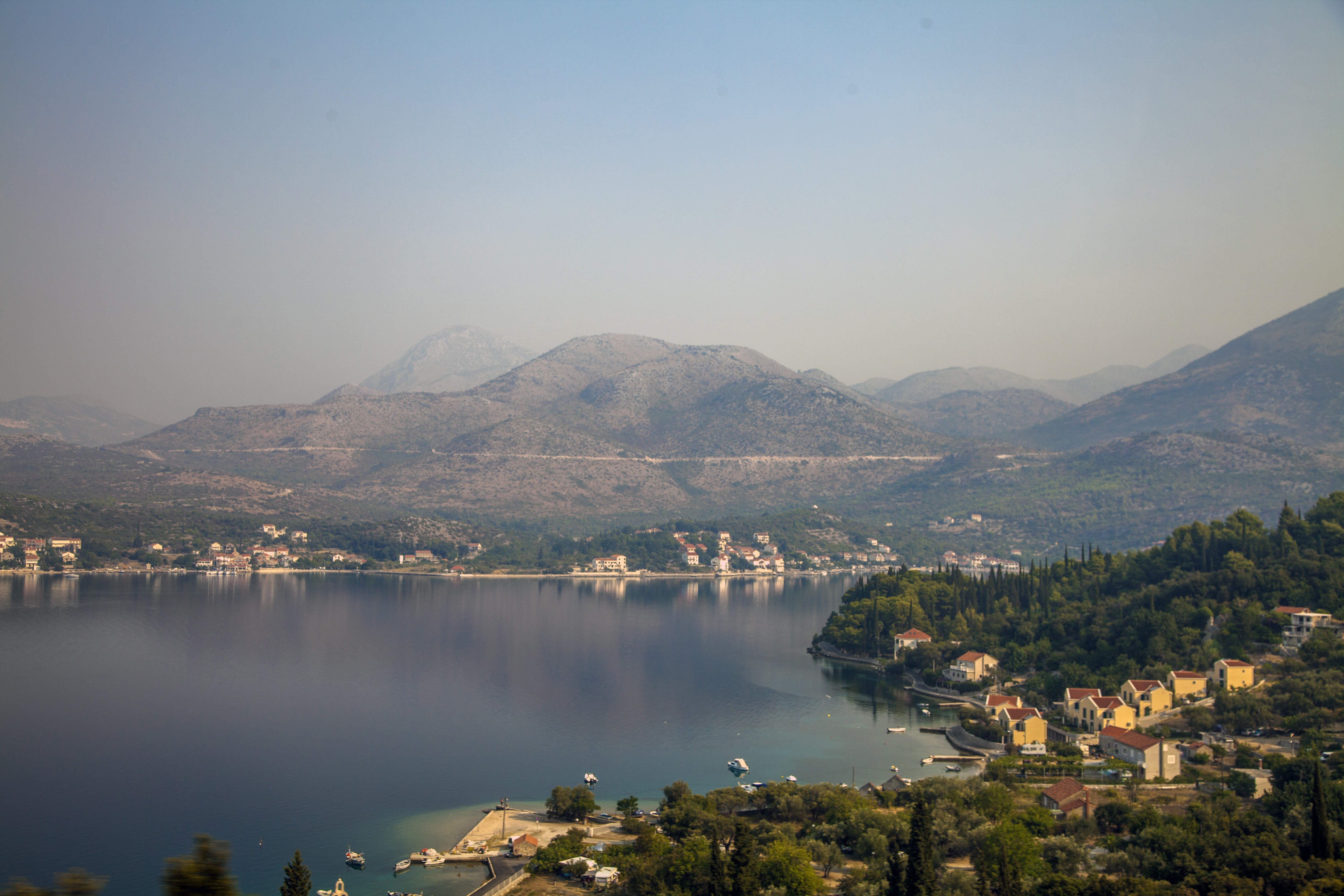
We climbed high into the mountains, again very close to the burning Bosnia. In the town of Slano we picked the last passengers. The location is called Slano (“salty”), because, starting almost from the first settlements, when salt used to be worth its weight in gold, it was mined here. Because of this salt, the Ottoman Empire’s caravan ways passed through these places.

This time the road was totally crazy. In some parts of it even looking down was scary, and at the same time it was hard to tear oneself away from the window – the view was unbelievably beautiful!

Virtually the entire foreseeable space around us was covered with vineyards. The plan was to visit one of them for wine tasting on our way back. Our guide told us that mainly red wine is produced here, and Postup is considered to be the best of all. Looking ahead, I can mention that Korčula is famous for its white wine, Pošip.

We were transported to Korčula on a small shuttle boat from Orebič (a very nice town, by the way), and got to observe how cars and even buses were transported on a large ferry.

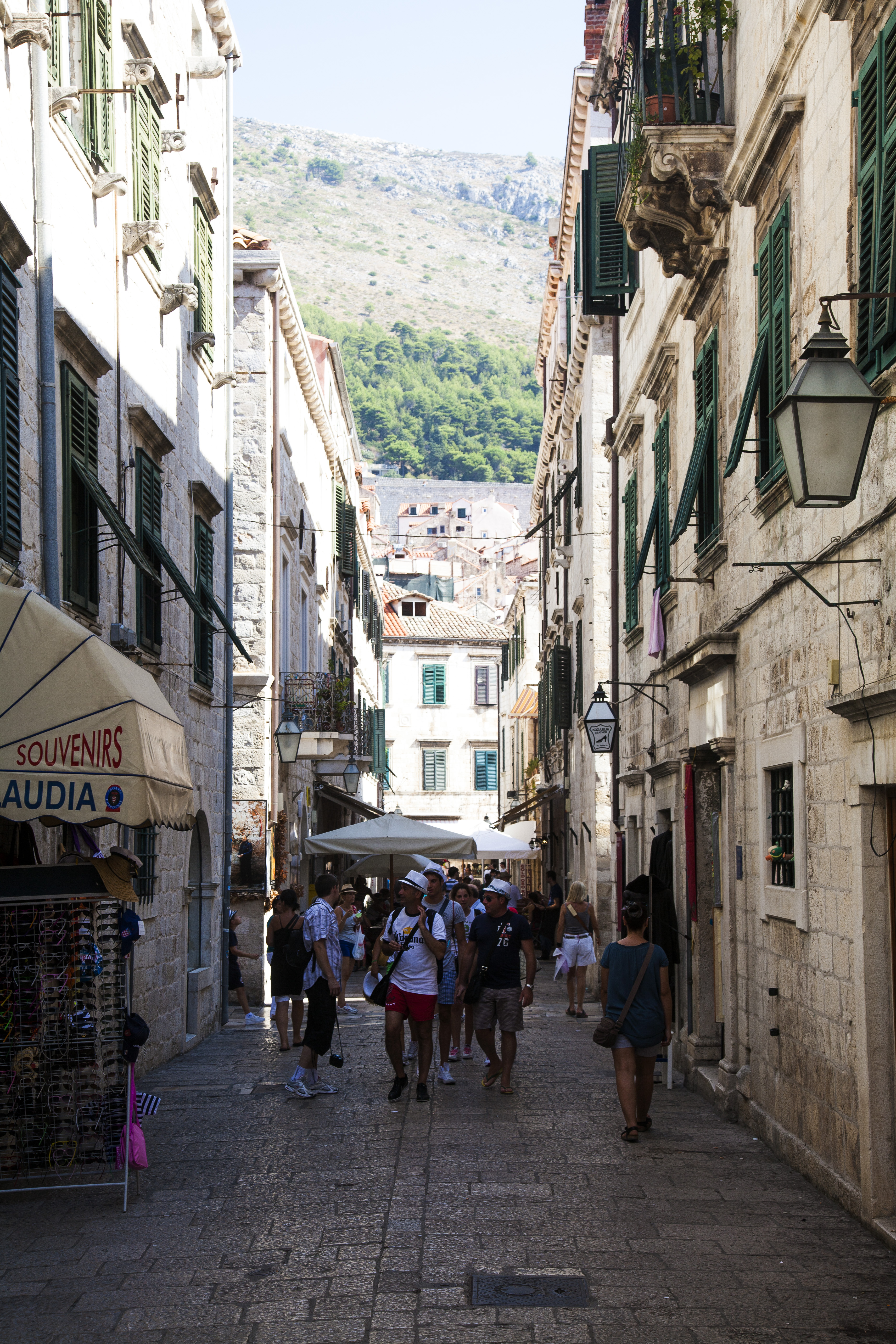
In the town of Korčula we were to visit the Old Town, and the whole group was divided into English speakers and German speakers. The English speakers stayed with our gloomy, moody and sleepy guide, – and that was when she suddenly revived, and showed great artistry and a sense of humour.

First thing, she told us about the local “wind rose”. There is the north wind “bura”, which blows in winter and brings clear and sunny weather, although lowering the temperature to zero. There is a south wind called “jugo” or “siroc”, the locals’ least favourite: it blows from the Sahara in summer and brings dust, and, oddly enough, rain. The city walls are located so that this wind could penetrate the city as little as possible. Finally, the wind most preferred by the population is the western “mistral”, bringing cool air in summer. The city is open for this wind from the sea, and, as Ivana joked, this was the first air-conditioning system in the world.

On the city gates the name of the first Croatian King Tomislav is engraved, and above it there is the Venetian winged lion, as the city used to belong to the Venetian Republic for a long time. These lions usually have their attributes, or symbols, showing how easy or difficult it was to get into the town. If the lion has a closed book before it, it was hard, and if the book is open, it means that the Venetians were accepted almost with open arms.

We came to Korčula thinking of ​​Marco Polo, because we had heard that he was from here. However, it turned out that Venice claims to be his hometown as well, and also, his home as such does not exist – the assumed house is a ruin. As our guide indignantly mentioned, in communist times nobody really cared about history, and in the times of crisis the intention even was to sell it. Luckily, the town borrowed some money and bought the house out (currently the price of these ruins is half a million euros!), but that money wasn’t enough to restore the building and make a museum out of it, as planned. For the time being some enterprising and patriotic Korčulan opened a souvenir shop named after Marco Polo, and behind it, the Museum of Marco Polo, in a totally different place.

By the way, three things are cited as proof that Marco Polo was born here indeed: first, there is a De Polo family still living here to this day, while in Venice there are no families with such name. Secondly, there exists a register of baptisms of the 14th century, which mentions Marco de Polo. Of course, the great traveller lived in the 13th century, but because it was quite common to give children the names of their ancestors, this could well be some great-grandson of his. Well, and thirdly, the book written by Marco Polo’s cellmate brings his own words, saying that he saw the tower of his hometown Corcyra Melaina and sailed towards it. It is proved that this is how Korčula was called in the ancient times, and no other city, including Venice, has claims on this name. As there is only one tower in the town, the house of Marco Polo could be identified.

One of our stops was in the atrium. Ivana showed us, where the mayor and his secretary would seat and how they would collect the citizens’ complaints, literally portraying and mimicking each of them.

In front of the atrium was the doctor’s house. Doctors used to be lured from Venice, the bait being this very house. The doctor could live there with his family as long as he remained in the service of the city of Korčula.

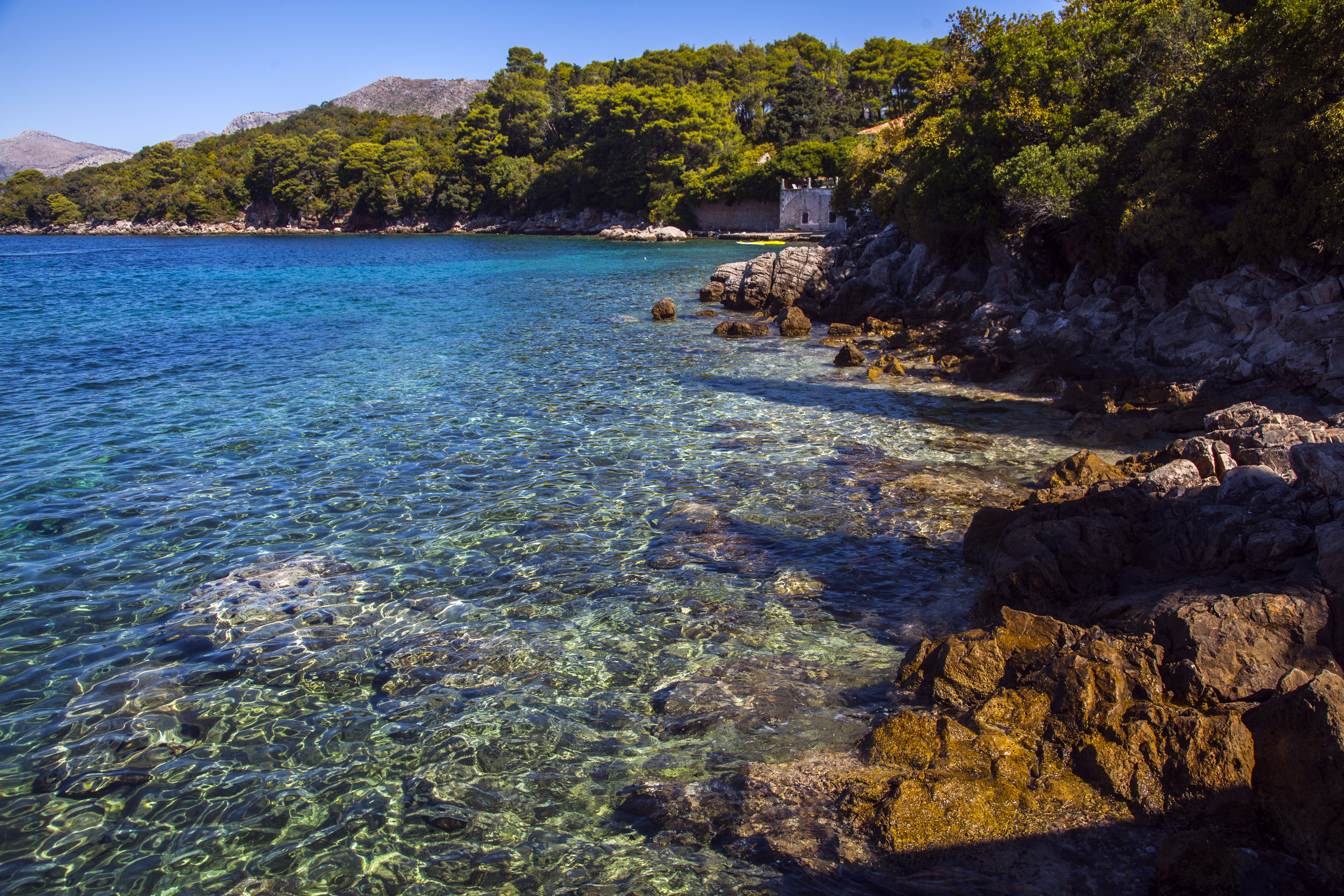
We made good use of our free time – at least, I got a chance to take a quick dip in the sea, right in the city, among boats – even there it was very clean. I deliberately found a deep place, as it was impossible to get into the water in the shallow part because of the large slippery rocks.

On the way back we were taken to a huge winery belonging to the Matuško family. This family produces 500,000 litres of product annually, 90% of which is red wine, and the remaining 10% is comprised of white wine, dessert wine, schnapps and olive oil. They have huge cellars, completely cluttered with enormous barrels.

The first wine we tried was Plavac Mali. The name generally belongs to a grape variety, grown in the continental climate, in places where there is enough water, but not so much sun. 4—5 kg of grapes can be collected from one plant. The wine turns dry and light (only 12.2%), and is only drunk young.
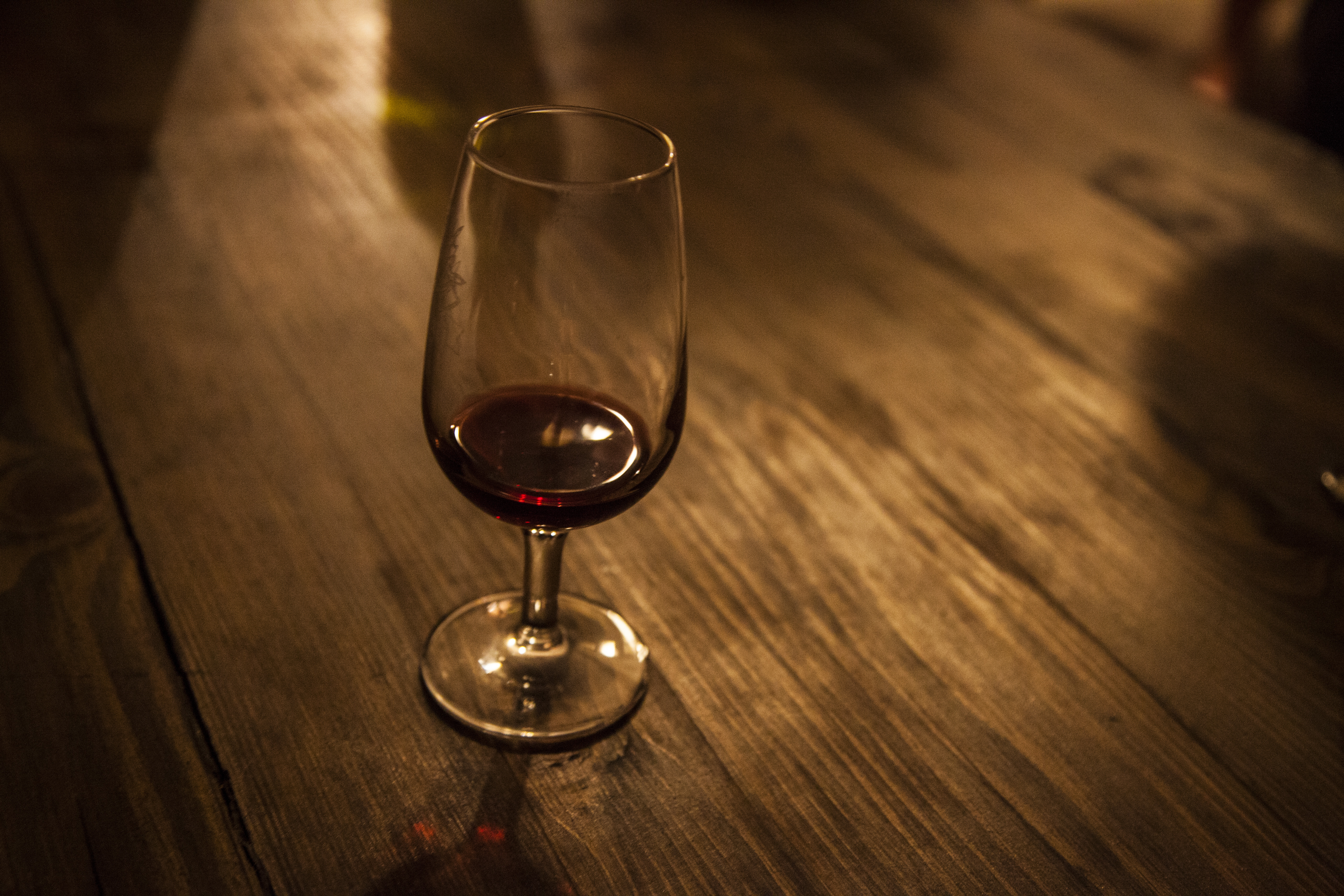
The next wine was Dingač, made from the same grapes variety, but grown in Mediterranean climate: a little water and a lot of sun, and the sunlight comes from three sources: direct, reflected from the sea and reflected from stones. As a result, no more than one kilogramme of grapes is collected from each plant; the wine turns more robust, almost black (14.5%), and is preserved for several years.
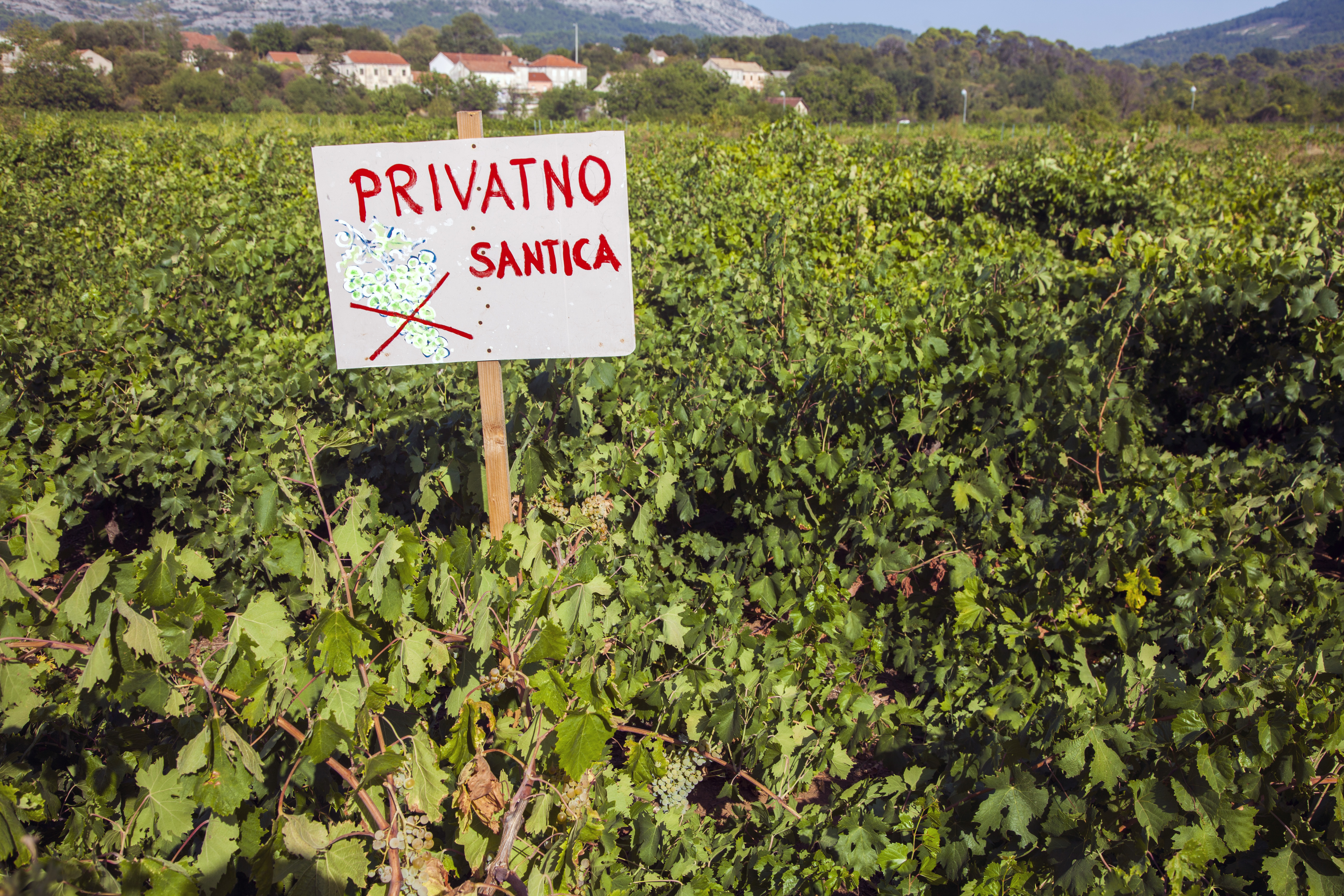
The next drink to try was the sweet dessert wine called Prošek. It can be maintained for many years: according to tradition, when a child is born in a family, a barrel of Prošek is made, and it can only be opened at this child’s wedding. Personally, I found it it too sweet. And finally there was a 40% grappa and a 25% cherry brandy, made from this very grappa.

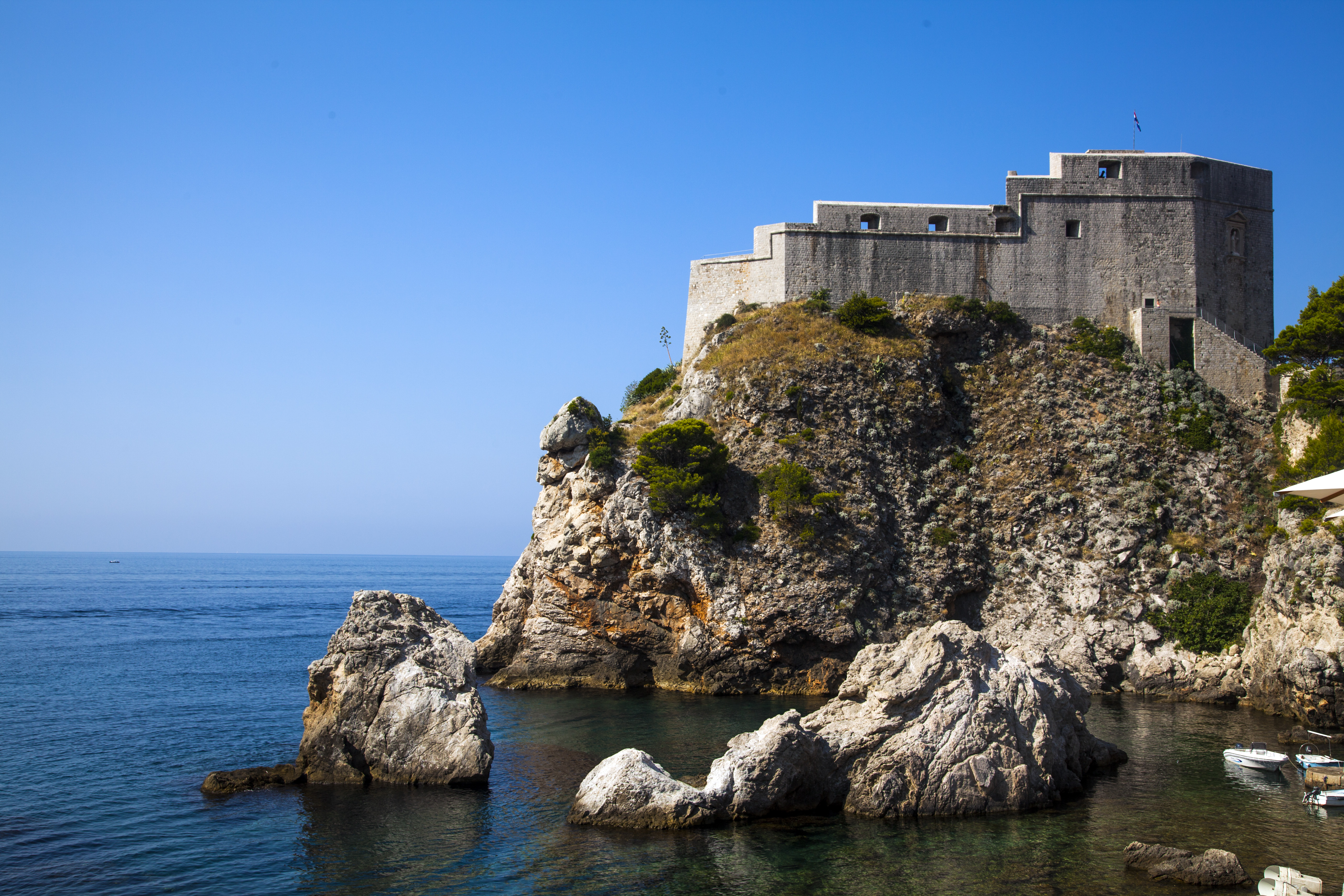
We then had a short stop in the town of Ston. There, too, there is the old town and a fortress, but we didn’t get to see them.

Posted in Croatia, Dubrovnik, Europe

Croatia – Day 6

РУССКОЯЗЫЧНАЯ ВЕРСИЯ ПО ЭТОЙ ССЫЛКЕ. CLICK HERE FOR RUSSIAN VERSION.

29 August 2012 – Wednesday

Today we had a lazy day, swimming in the sea, walking around, drinking cocktails in the bar, playing table tennis and swimming again.

In the evening we had dinner in a fantastic place, where they served us delicious (not just plain delicious – but incredibly delicious, I can’t even describe it!) grilled fish, tuna pâté (as a starter on the house), the freshest oysters and excellent local white wine –  Kozlović.

Posted in Croatia, Dubrovnik, Europe

Croatia – Day 5

РУССКОЯЗЫЧНАЯ ВЕРСИЯ ПО ЭТОЙ ССЫЛКЕ. CLICK HERE FOR RUSSIAN VERSION.

28 August 2012 – Tuesday

Today we got up almost at the crack of dawn to take the trip to Elaphiti Islands. As it was expected, people were picked up from various hotels and taken to the port of Gruž. That’s where we boarded a 16th century galleon (well, a copy of one, of course). Altogether, there were at least 150 people on the galleon, coming from virtually every country in the world. And there were four guide girls, each speaking a different language: English, French, German and Russian. The guide for the English speakers was Ivana, whom we had already met, and since we found here very knowledgeable and nice, we decided to join her group.

So, back to the Elaphiti islands – only three of them are inhabited, and we visited all three. The first one – Koločep – is absolutely tiny, with a population of 50 people. Actually, there wasn’t anything to do on the island, neither were we given much time to explore it. We walked up the street (the only one here possibly?) a little bit, and hurried back to board the ship.

Before we got off, we had been told that everyone could change places after coming back, so seats shouldn’t be reserved. At the same time, it was allowed to leave bags and other belongings – and of course, everyone left them where they had been sitting. So when we tried to move to the upper deck (previously we had had really bad seats) returning from the first island, we encountered the stormy displeasure of a Russian couple who claimed that they had left their things under the seat, therefore it was theirs. So we realised that after the next stop we better look for seats which have no bags on, next to, or under them.

We really enjoyed the sailing, but I can’t say that the coast was of an absolutely marvellous beauty. Once again, these were no Norwegian fjords.

The next island, Šipan, was marked by the abundance of churches and olive trees per capita – for a total of 600 inhabitants there are tens of thousands of olive trees.

As we were told, there are very few people constantly living on these islands – there are almost no jobs, so the islanders mostly work on the mainland, and come here for the summer and weekends. Especially that there are only primary schools here, and also no regular medical care – the doctor looking after the islands only visits each once or twice a week.

We went up to the Church of the Holy Spirit, which looked much like a fort – it used to serve as a shelter from pirates, and the big bell was rung in case of this danger. Today, the bell signals either someone’s funeral, or that there is a forest fire.

The view along the road was very beautiful, with spectacular fields, orchards and olive groves. Overall, a very stereotypical Mediterranean view, I should say.

As we came back, there was a very nice light lunch served right on board: grilled fish, coleslaw, water, and dry wine.

And the next one – the main destination for the majority – was the Lopud Island, famous for its sandy beaches, which is quite a rarity for these places. Here we were given about three hours of free time, and we decided not to waste them looking for a taxi to get to the famous Šunj beach on the other side of the island, but to settle on the closest one. So, we had plenty of time to swim, tan and get all covered in sand. We hadn’t taken any towels with us, and there was nowhere to get them, so we had to allow ourselves some time to get dried off.

By the way, captains of ships used to settle on this island – provided, of course, they were rich enough to build sturdy stone houses.

Posted in Croatia, Dubrovnik, Europe

Croatia – Day 3

РУССКОЯЗЫЧНАЯ ВЕРСИЯ ПО ЭТОЙ ССЫЛКЕ. CLICK HERE FOR RUSSIAN VERSION.

26 August 2012 – Sunday

Today we went to the city centre again – not just randomly, like the day before, but on an Old City walking tour. Yesterday, while watching tourists walking on the city walls under the burning sun, I personally felt their pain, already sadly imagining myself in their ranks. The reality was far more enjoyable: we met our guide Ivana – a very nice girl with a bandaged leg – and within a group of 8 people we walked around the Old City in a “derated mode”, trying to avoid direct sunlight and even sitting down every now and then. The tour lasted two hours, during which we learned a lot of interesting things about Dubrovnik.

So, Dubrovnik once used to be an independent republic, known as Ragusa in Latin. The republic was democratic (albeit conditionally, as the right to vote belonged only to male noblemen). The city had a rector, who was elected for a 30-day period during which he had no right to leave the palace, where he lived alone, without family. Apparently, this was done to ensure that he did not have any outside influences and cared only about the government’s interest.

The Republic had very strict rules and laws, concerning even the construction of buildings. Thus, the buildings had to look pretty much the same – no one was allowed to show off their wealth, at least outwardly. The windows of neighbouring houses were not to be facing each other, as everyone had the right for privacy. Nobody could build their house even a foot or two ahead of others; the punishment for violation of the law was indeed very strict: the house would be demolished, and its owner would face a penalty charge AND go to jail.

Foreigners were allowed to stay in the city only during the day – at night they were expelled, and the city gates were locked. The only exception was made for the Jewish quarter, due to the extreme utility of its inhabitants to the city. But this quarter too was locked at night on both sides, so formally it was kind of outside of the city. When Dubrovnikers were blamed for the fact that they were cherishing the infidels, the very diplomatic city authorities replied that the Republic often had to deal with other infidels – the Ottoman Empire – so it was better to have these infidels communicate between each other. By the way, this quarter has the second oldest synagogue in Europe, the first one being in Prague.

In general, it must be said that the mercantile Dubrovnik had always managed to juggle between its main enemies: the Venetian Republic and the Ottoman Empire. Its motto was “Non bene pro toto libertas venditur auro” (meaning something like “Liberty can’t be sold for all the gold in the world”), yet the authorities spared no expense for buying this liberty – that is, they paid off their enemies.

On one of the side streets we saw the Church of St. Roch – the patron saint of plague patients. There is an interesting story associated with it: once children used to play some football-like game just outside of the church and kept pounding the ball against its walls. At some point the priest had enough of it, so he scribbled a curse on the wall saying “May peace be with you. Remember of death, those playing the ball”. The children scribbled a response – something like “We want to play – and so we will!”

On one of the staircases Ivana asked us if we could figure out why the balustrade was solid up to a certain height. Our version was that it was done in care of children, so that they didn’t fall out. The reality was nothing like that. Noble ladies, climbing the stairs on their way to the nearby Dominican church, of course, had to lift their skirts, revealing their ankles. The architecture of the staircase did not allow loitering young men to stare at them from below.

The old town is associated with many contrarieties, for example, in 1806 Napoleon deceived the authorities of Dubrovnik, asking to give him permission to just pass through the city to hit Montenegrins – the Russian allies. The authorities trustfully opened the gates for the French emperor and… the city was seized. Napoleon even built a fort atop of Mount Srđ. However, these fortifications built by an invader, saved Dubrovnik during the war for independence in 1991. By the way, during this war, Dubrovnik was besieged for real: from the sea it was blocked by the Montenegrin Navy, and from the land it was bombed by Serbs, who also cut off all communications. People, believing that the Old City was a safe place (as bombing historical objects is prohibited by international military law) rushed under the protection of its walls. However, as Ivana told us with indignation, it was bombed in the first place.

But finally there was peace, and as previously, Dubrovnik is respected among Croatian cities. If someone says, “I’m from The City”, this means that they are from Dubrovnik. The rest find this pretty annoying, but nevertheless they have also become used to calling Dubrovnik “The City”.

At the end of the tour Ivana told us a touching story about the local “Romeo and Juliet” – Silvana from the Roman settlement and Dubravko from the Slavic one. As it always happens with lovers from warring clans, they perished. Interestingly, the names of both, each in their own language, are related to the word “forest”, and the name of Dubrovnik itself is derived from the word “dub”, meaning  “oak”.

Left on our own, we walked along the main shopping street, but didn’t find anything decent in terms of good value for money. Tourist shops, no more than that. We wanted to have lunch in the Old City, but somehow ended up in the same terrace restaurant on the Pile Square, as yesterday.

After lunch we went back to the hotel, and as intended, swam in the sea, right until a tangible wind got up, bringing some rubbish to our pristine shores. From the evening impressions it’s worth mentioning an awfully brazen cat in the restaurant: it was not actually begging for food, but rather demanding it discontentedly, wagging its tail menacingly and sharpening its claws on our chairs no less threateningly. Fortunately, one of us didn’t like his Caesar salad, so virtually all of the chicken went to the impertinent animal.

The evening ended with a pleasant walk along the sea, so on the whole the day hasn’t been lived in vain.

Posted in Europe, France, Paris

Paris, je t’aime – Day 7

РУССКОЯЗЫЧНАЯ ВЕРСИЯ ПО ЭТОЙ ССЫЛКЕ. CLICK HERE FOR RUSSIAN VERSION.

27 March, 2010

The day turned out very… German! In the sense that wherever I went, I mostly kept hearing German speech around, while it hadn’t been the case previuosly.

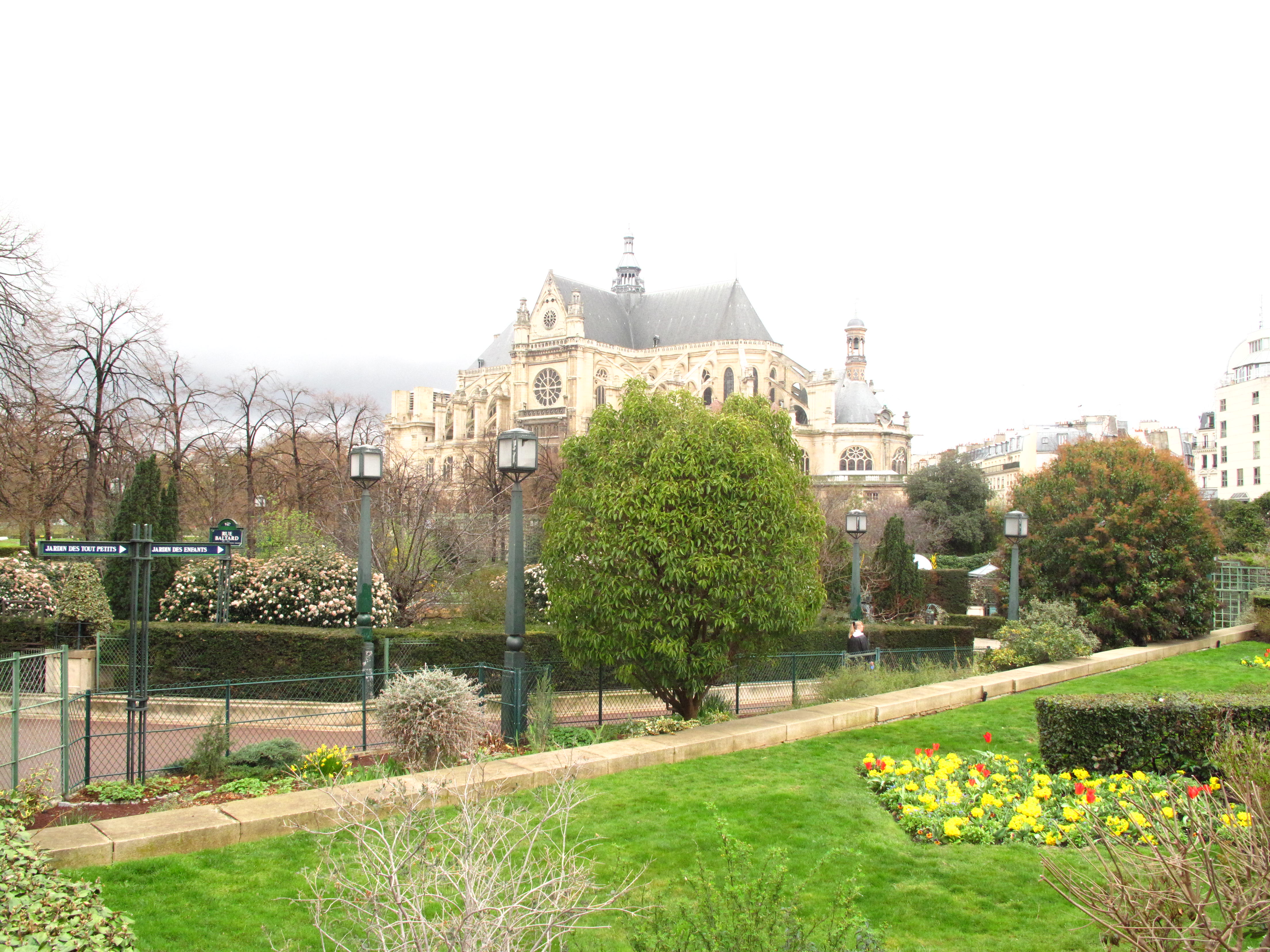
In the morning I felt like visiting The Centre Georges Pompidou. I took the metro to Les Halles, walked out of the station and… stood agape. First, the weather was so nice and pleasant! Second, my eye was caught by the very beautiful Saint-Eustache church, around which everything was blooming with white and pink flowers. And third, I saw a black cat. Then – another one at a distance, and one more a little further. These were live cats, not figurines, as I initially thought: they were moving their heads and ears, licking and grooming, although sitting in the same place all the time. But when a fourth cat, also black, jumped down from somewhere above, I thought I was going crazy!

Generally, the place – Forum des Halles – was unimaginably beautiful! All the greenery, flowering trees, fountains, bridges and crossings, and the sky with white puffy clouds looked absolutely fantastic (okay, the sky did turn grey at some points, but I really don’t know how come all my pictures seem to capture only these moments)!

After a bit of a walk around the place, I found the Centre Pompidou, but for some reason decided against going in. Instead, as I was feeling like walking even more, I took the tube to the Luxembourg Gardens.

On the way, a guy with some papers came up to me and started shilling for something, but I cut him short: «J’comprends pas!» – I told him cheerfully. The guy made ​​another attempt: «Español?» – «Non!» – I replied. «English?» – Again: «Non!». Looks like this simple trick was the best I could think of – the guy just shrugged and walked away.

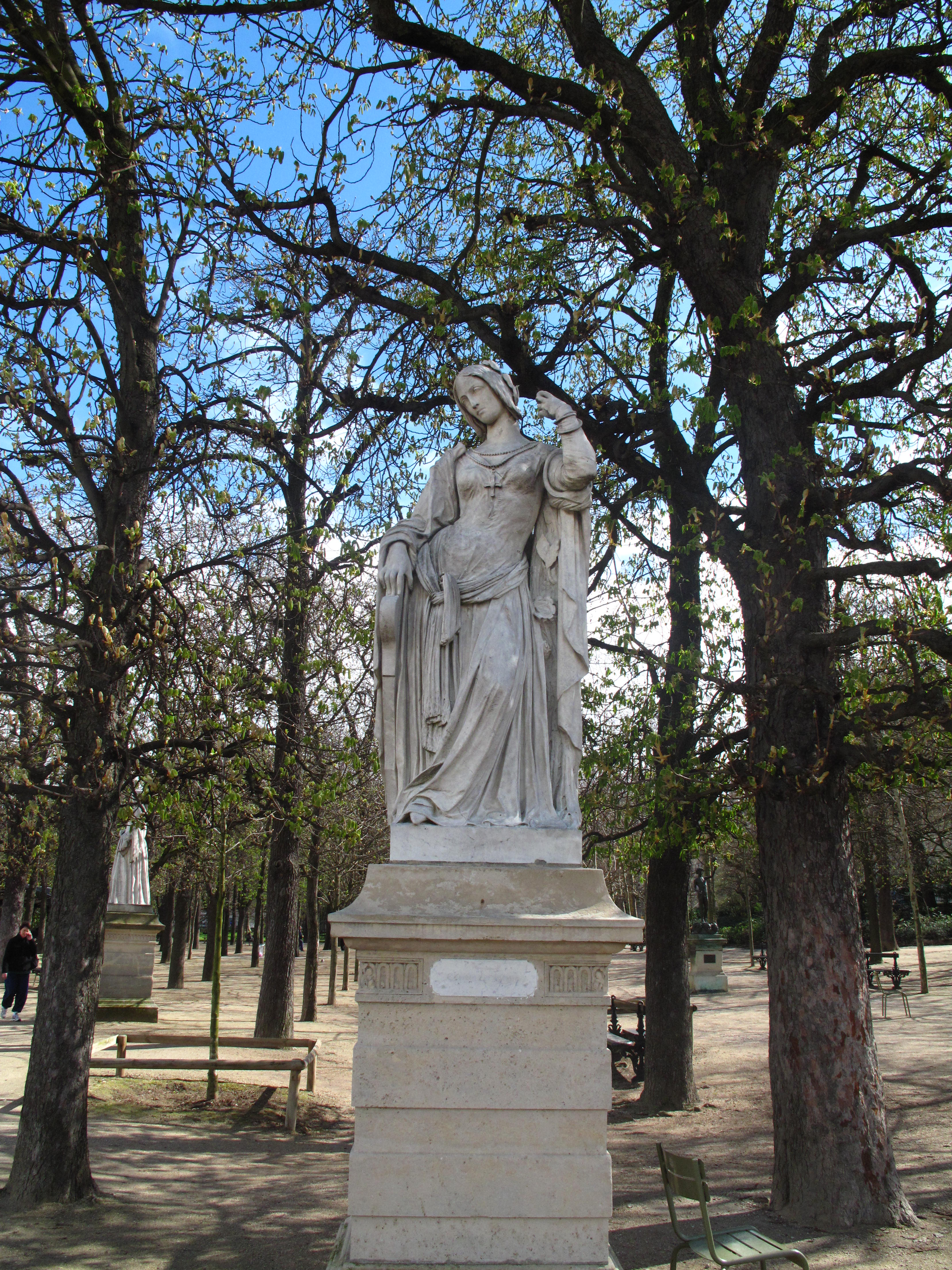
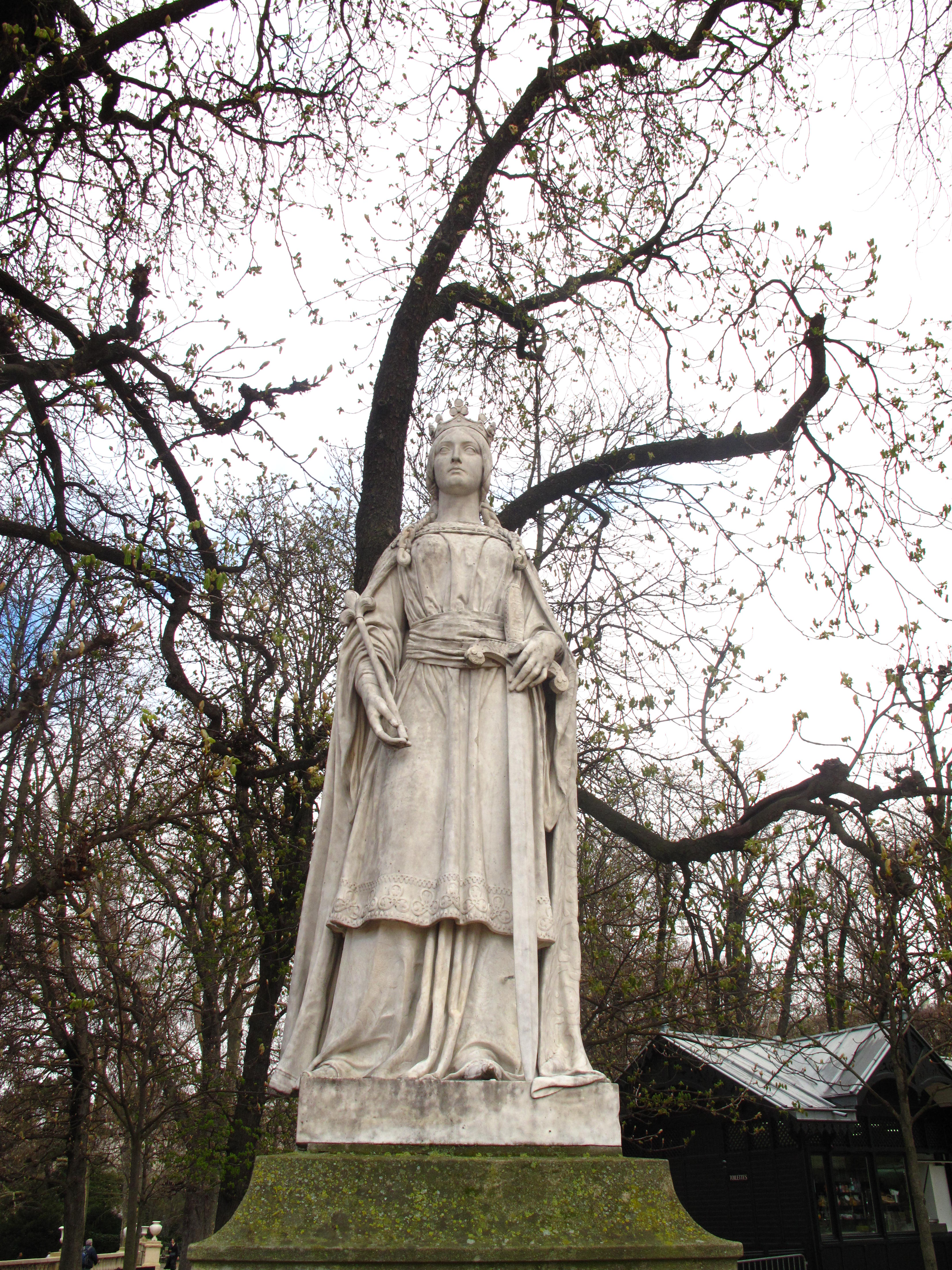
I really enjoyed the Jardin de Luxembourg. Again, largely because of the weather – it turned out that it majorly affects your impressions about a particular place. From time to time it was drizzling, but despite this it was bright and sunny, and beautiful white pillow-like clouds were sailing across the sky. Among the rich greenery, here and there, there were sculptures of various French queens – starting from the canonized Clotilde, Bathilde and Mathilde up to Mary Queen of Scots and Marie de’ Médici. I couldn’t find Marguerite de Valois or Catherine de’ Medici though – not sure whether it was me not searching properly, or for some unknown reason they are not represented there at all.

Around noon, I deigned to dine at the brasserie “Le Luco” on Boulevard St.-Michel. I had duck fillet in pepper sauce, and crème brûlée for dessert.

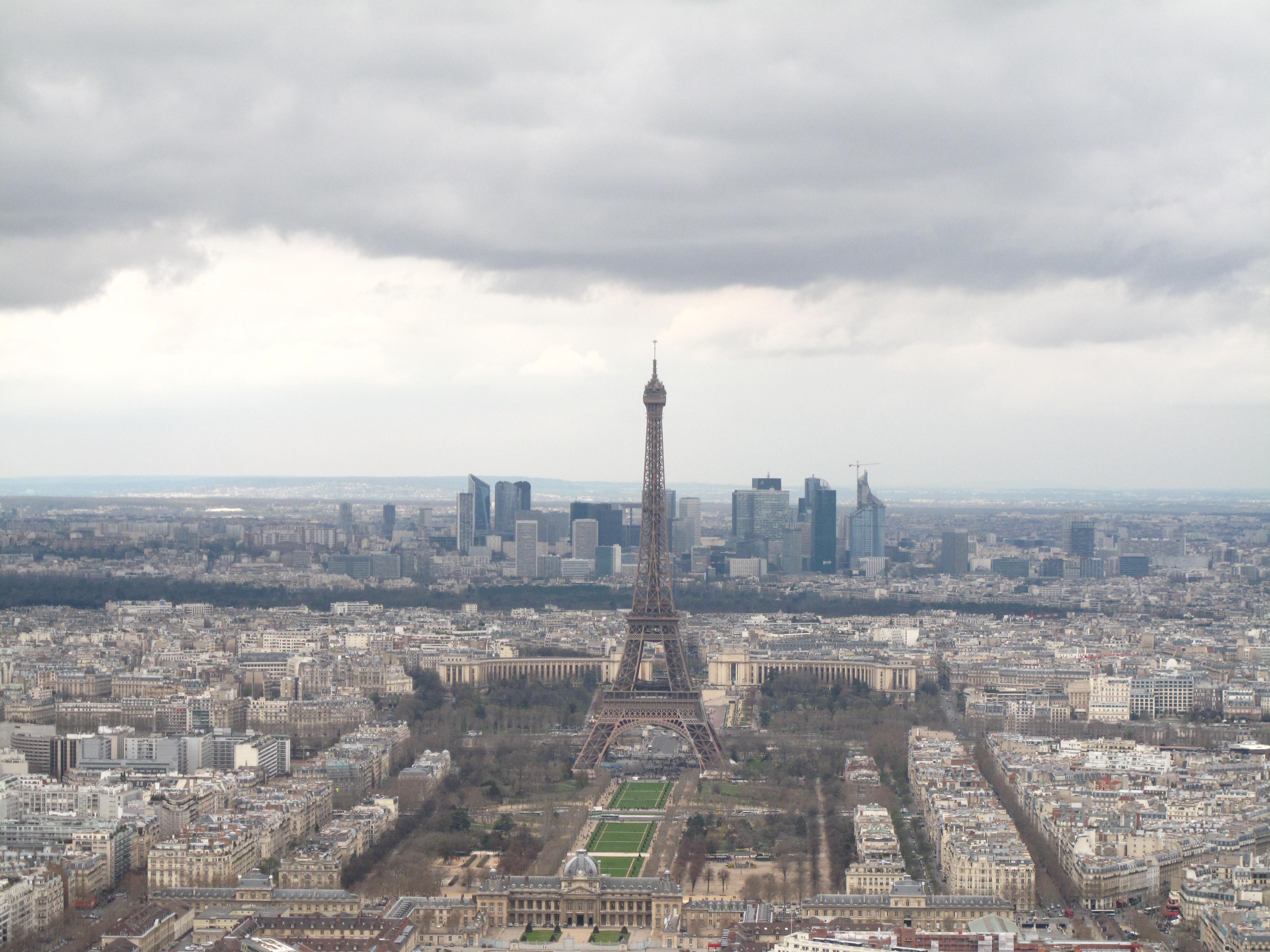
After fortifying myself with nice food, I walked to the Montparnasse Tower, in order to head up its viewing platform – I had heard that the queues there were much shorter than to the Eiffel Tower, plus you would get a view of the Eiffel Tower as well. So, together with other tourists, I took the lift to the 56th floor, the whole outer wall of which was basically one large window providing excellent panoramic view of the whole Paris. There I also came across a Russian tourist group of a very impressive size: apparently they had just arrived, as the tour guide, who, by the way, was telling very interesting stories, kept repeating: “This I will show/tell you tomorrow/the day after tomorrow/later”.

From the 56th floor, I got to the last one, the 59th, where the viewing platform was. Great view, it’s just a pity that the Champs Elysees were far away – I really wanted to get a bird’s-eye view of the Place de l’Étoile to make sure that the place really looks like a star.

Then I went back to the hotel, where I somehow managed to twist my ankle (right in the hotel room, wearing ordinary slippers and not killing stiletto heels as one might have thought!), so didn’t go anywhere in the evening. My ankle hurt so badly that I was struggling to walk the distance from my bed to the bathroom! So I called my Azeri friend, who had twisted her ankle a week before, and she brought some gel, which made me feel better. We stayed in all evening, listening to music, eating sandwiches, chatting and laughing.

Posted in Europe, France, Paris

Paris, je t’aime – Day 6

РУССКОЯЗЫЧНАЯ ВЕРСИЯ ПО ЭТОЙ ССЫЛКЕ. CLICK HERE FOR RUSSIAN VERSION.

26 March, 2010

Today our ranks have thinned – Mom took a flight back to Baku. The day didn’t turn out particularly exciting – perhaps to some extent because of the weather: it’s quite cold today (well, not like -20C, of course, but still very little enjoyable), windy, raining occasionally (if not hailing!), even though the sun kept peeping out every now and then.

First thing in the morning, to my displeasure, we went shopping. Well, not quite shopping, but rather exploring the Galeries Lafayette , shocked with the prices. Okay , these were designer brands – Gucci, D & G, Prada, Céline, Versace, etc. But for goodness’ sake, they weren’t worth this much money! The red dress for more than two thousand euros, which I mentioned yesterday – yes, that one was really gorgeous. Here though, you can come across dresses for 13,000 euros, which, honestly, I wouldn’t even take for free (well, that’s a lie probably; I would take them for free!).

We did manage to buy quite decent stuff in nearby shops at the end, even though we got stuck for a good 40 minutes in a  in a plus size store, where my Mom spent ages choosing clothes, trying them on, and on, and on. It wasn’t actually her fault; it’s just that the sales assistants here differ radically from their London colleagues. In London they don’t bother you unless you specifically address them, and even in that case, generally don’t tend to go beyond the scope of your request. Here though, as soon as they see you looking for something particular, they’ll start offering you more and more new models until you are eventually forced to buy something.

After all this hassle I was already sick of shops, so we went to have lunch at a Japanese restaurant. Then we went back to the hotel to take a short nap, and headed to the Boulevard Montparnasse, but weren’t particularly impressed. I’m not sure whether it was because of the grey weather (that’s when it started hailing, by the way), or the Boulevard is really not extremely remarkable. I think it was more due to the weather – in sunny weather all the street cafes would be working, and the atmosphere would be much happier and nicer. But never mind, the weather had already been very nice to us before, giving the opportunity to see the most interesting places.

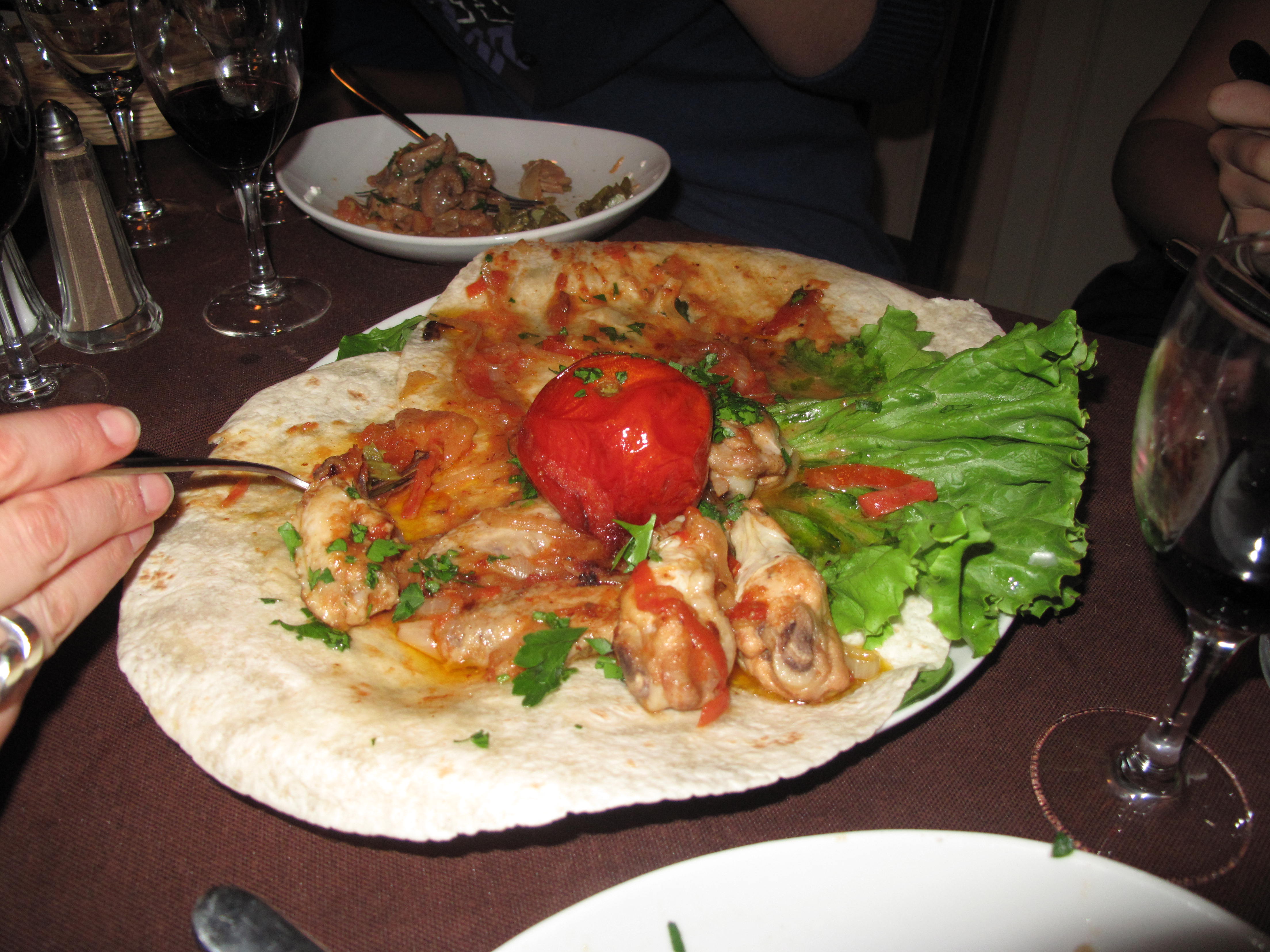
So pretty soon we went back to the hotel. Mom left for the airport, and I went out with my Azeri friend, her flatmate and classmates. We went to have dinner at an Azeri restaurant. Actually, the restaurant itself is called «Caucase», but the owners and chefs were Azeri. And the food was absolutely delicious!

Posted in Europe, France, Paris

Paris, je t’aime – Day 5

РУССКОЯЗЫЧНАЯ ВЕРСИЯ ПО ЭТОЙ ССЫЛКЕ. CLICK HERE FOR RUSSIAN VERSION.

25 March, 2010

This day didn’t go without stupidities as well, and I must say, I’m incredibly exhausted! We started the day with a visit to the Hôtel des Invalides, intending to see Napoleon’s tomb. The turnstiles in the metro weren’t working: «Ça marche pas!» – happily exclaimed a guy walking by. So we took a free ride and got to Les Invalides.

We bought our tickets, and first popped in the Army Museum, located in the same place. It’s really surprising to see how patriotic the French are and how much they respect and love their history. Unlike back home, where with each new form of government the old one is anathematised, everything is renamed, all monuments are demolished. Here they appreciate everything, starting from the Gauls, all the Louis’, the Emperor Napoleon, all their republics… And also it looks like they are a very warlike nation – no surprise they are represented by Gallic roosters. Everything seems steeped with wars; the whole city is full of historic sites dedicated to various victories and battles.

What I liked the most in the museum were the figures of French soldiers of different eras, especially the ancient ones: Gauls, Normans, Carolingians, Merovingians …

We didn’t want to spend too much time in the museum – after all, we are not extremely excited about arms. So off we went, right to the Dome church, where the Napoleon’s tomb was. It was cold there (just like it should be in a crypt), and right in the centre was the magnificent tomb of Napoleon. In principle, the reverent attitude of Parisians to Napoleon is quite understandable – he constructed a lot of streets, built houses, including the Hôtel des Invalides for disabled veterans.

It felt relatively warm outside, after the cold church, but it was raining. It was the first time it rained here since our arrival. As I was intending to have frog legs for lunch, we went to the Latin Quarter and found the same restaurant (Auberge de Saint-Sévérin) on the Rue Saint-Sévérin.

By the way, we took the RER, and not the metro, to get there. It was more convenient, as we would have to make two changes on the metro. But we entered the metro station first and then changed to the RER station. And we had to spend an extra ticket there, so as they say, there is no such thing as a free lunch (i.e., the non-functional turnstile in the morning).

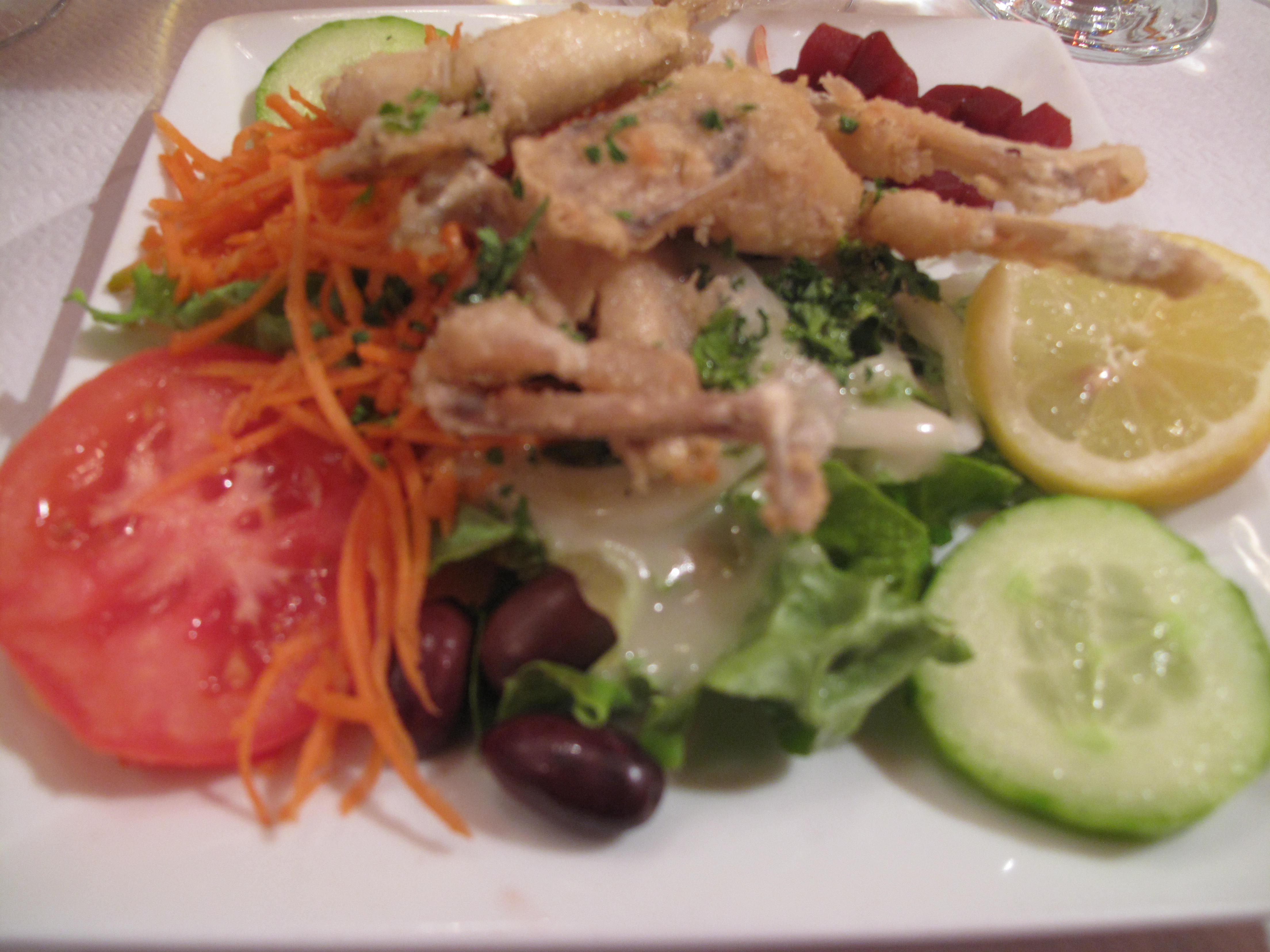
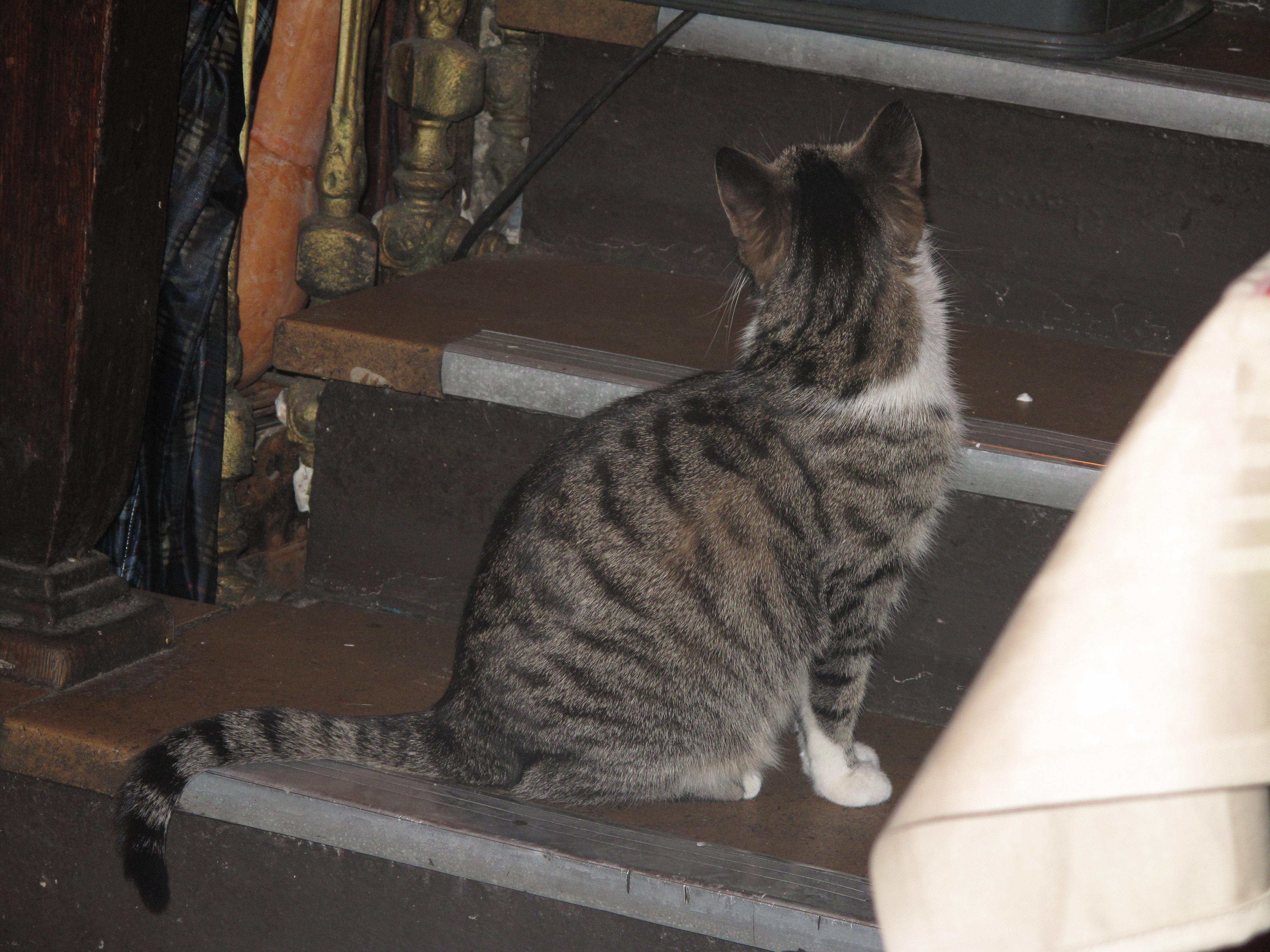
Coming back to the frog legs, I quite liked them – they tasted somewhat like poultry, although a little bit dry and insipid. I also liked fish with sauce – after all, who, if not the French, knows how to prepare excellent sauces? Of course, they are all excellent! What I liked the most about this whole situation was the fact such a wonderful three-course meal with wine for two cost us only 40 euros including tip. And the restaurant had a beautiful cat!

We were planning to do some shopping after lunch, but once outside we realised that the rain had stopped, the clouds had parted and the weather was gorgeous. So we played it by ear and walked along the Boulevard Saint-Michel.

The boulevard was lively and cheerful, especially in such weather. We even were able to do a bit of shopping and bought a pair of shoes each. As the Sorbonne was supposed to be very close, we decided to take a look at it. However, as I tried asking various people the question «C’est où, la Sorbonne?», one man replied «I don’t speak French!», another woman looked puzzled and misunderstanding, and only the third Madame explained how to get there. So much for Paris, with the alleged impossibility to address to people in English, and their desire to respond only in French. On the other hand, it sometimes happens that you get “responded in French,” even when you ask nothing. For example, the old woman in Montmartre yesterday. Or today, when we turned off the Boulevard Saint-Michel to the no less cheerful Boulevard Saint-Germain, discussing how far away the  Saint Germain des Près metro station was from here, we were approached by an elderly man who said: «Le métro Saint Germain des Près, c ‘est là-bas! », and pointed in the opposite direction of our movement.

And by the way, we were interested in the metro for a particular reason. When I walked with my friend in these neighbourhoods the other day, we wanted to go to the Café Ladurée, serving fantastic sweets (according to my friend!). The cafe was closed then, but in a shop window next door, I spotted a gorgeous red evening gown. And now, I wanted to find that very boutique. We went round and round the narrow streets, and were just about to give up (as our feet were already pounding with pain!), when we noticed the Café Ladurée, and next to it – the shop we’d been searching for. We rang the doorbell, went in and asked how much it cost… Deux mille-something (€2000+) … Yeah, dream on, Leila!

On the way back we nearly got stuck in the metro – suddenly the train stopped in the tunnel, the lights went out, and the driver said something very fast – in fact, so fast that I didn’t understand a single word. But luckily it didn’t take longer than ten minutes.

In the evening once again I met with my friend and his friends and colleagues at the La Cordonnerie pub on Réaumur-Sébastopol.

Posted in Europe, France, Paris

Paris, je t’aime – Day 4

РУССКОЯЗЫЧНАЯ ВЕРСИЯ ПО ЭТОЙ ССЫЛКЕ. CLICK HERE FOR RUSSIAN VERSION.

24 March, 2010

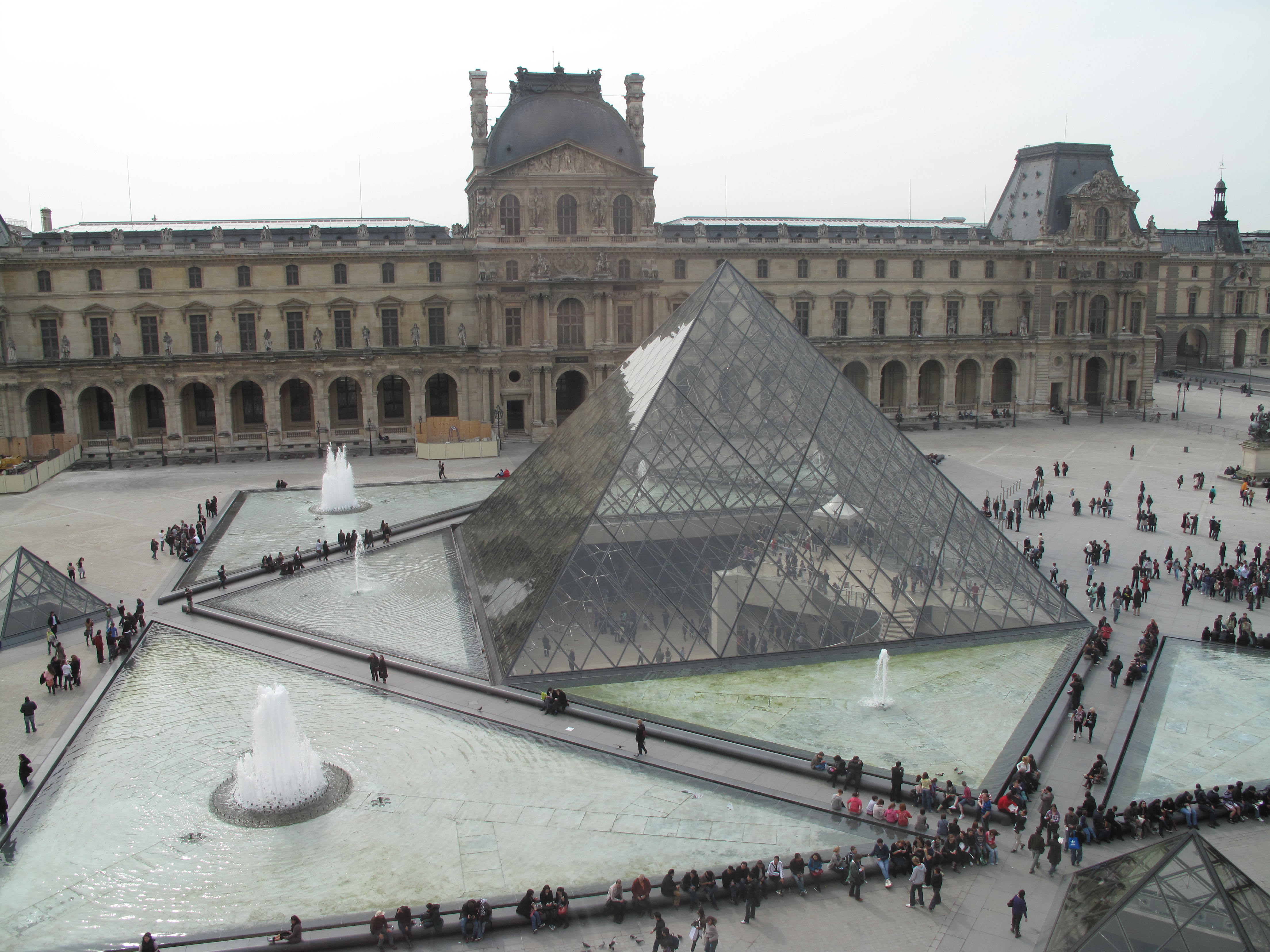
Another busy day began, finally, with visiting the Louvre. We walked into the courtyard and right up to the glass pyramid, which is maybe even more famous than the Louvre itself thanks to The Da Vinci Code, and got inside.

We bought our tickets and decided to see the Venus de Milo first of all. We spent quite some time looking for it, but in the meantime had the opportunity to view other Greek and Roman sculptures. I have to mention that we recognised the Venus from afar – by the great number of people around it.

That’s when we realised that it was a good idea to find the Mona Lisa immediately, while it was still pretty early, because later there would be an incredible pandemonium around it; and after that take our time and see some less popular paintings. And it paid off – there was already an impressive crowd gathering around the Mona Lisa by the time we found it, and later we wouldn’t have been able to get anywhere close to it. As one Russian guy said to another: “In a crowd like this you can’t really find the hidden meaning behind this painting!” But judging by the photos that I made, the meaning was hidden in the bald head of a man, which was reflected in the painting’s glass 😀

After enjoying La Gioconda for a while, we took our time to see some Italian, and then Spanish paintings (and the latter, we enjoyed the most). In the end we went upstairs to see the Dutch School representatives.

I would say, the optimal time spent in the Louvre should be no less than three days. And spending the whole day there, I believe, would be too tedious, and impressions would get all mixed up. As for a half-day visit, you can either gallop around the museum and not really see anything, or, as we did, choose beforehand what you most want to see, and devote your time to it. By the way, I was impressed by the large number of Russian tourists in the Louvre.

As we were done with the Louvre, we went to Monmartre. Mom was grumbling about the need to climb to the Sacrè-Cœur Basilica, but it was totally worth it, because the stairs were really beautiful, and the view on the city from there was magnificent. Plus, I have to admit that we hadn’t been able to find the funicular. Even despite the fact that, while we were standing near the metro station on Place Pigalle, feeling lost and staring at the map, an elderly lady came up to us and offered her help, and when we asked her how to get to the Sacrè-Cœur, she replied that there was “un petit bus” somewhere around (obviously, she meant the funicular), which accepted normal tickets for public transport and it was better to use it, otherwise there were too “beaucoup d’escaliers”.

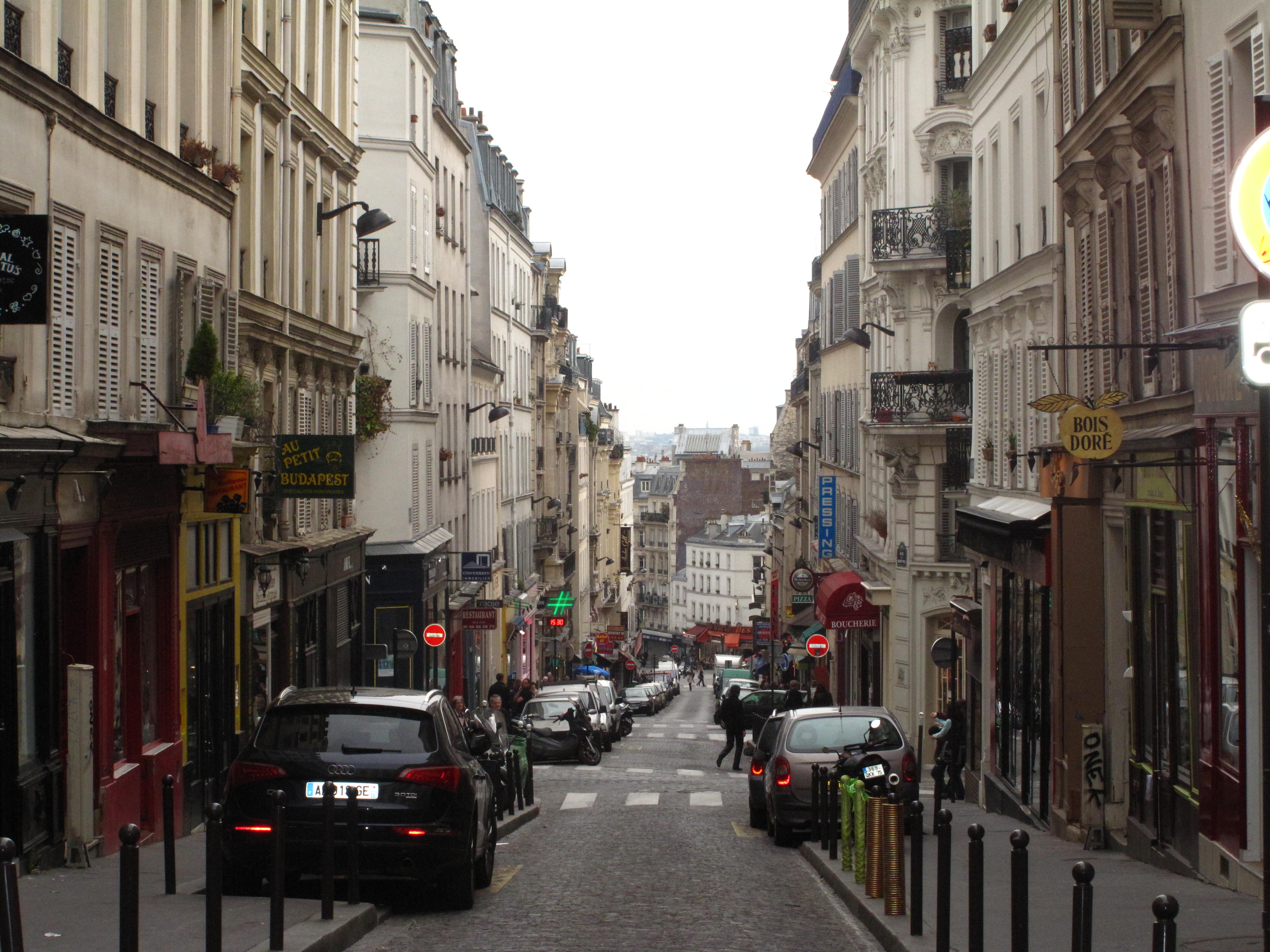
Generally, Monmartre is an amazing place! Narrow cobbled streets, a huge number of cafes, street artists, a fabulous view of Paris … By the way, Montmartre is part of that very 18th district, which I didn’t like on the way from the airport. I found the Sacrè-Cœur a lot more beautiful than the Notre-Dame on the outside.

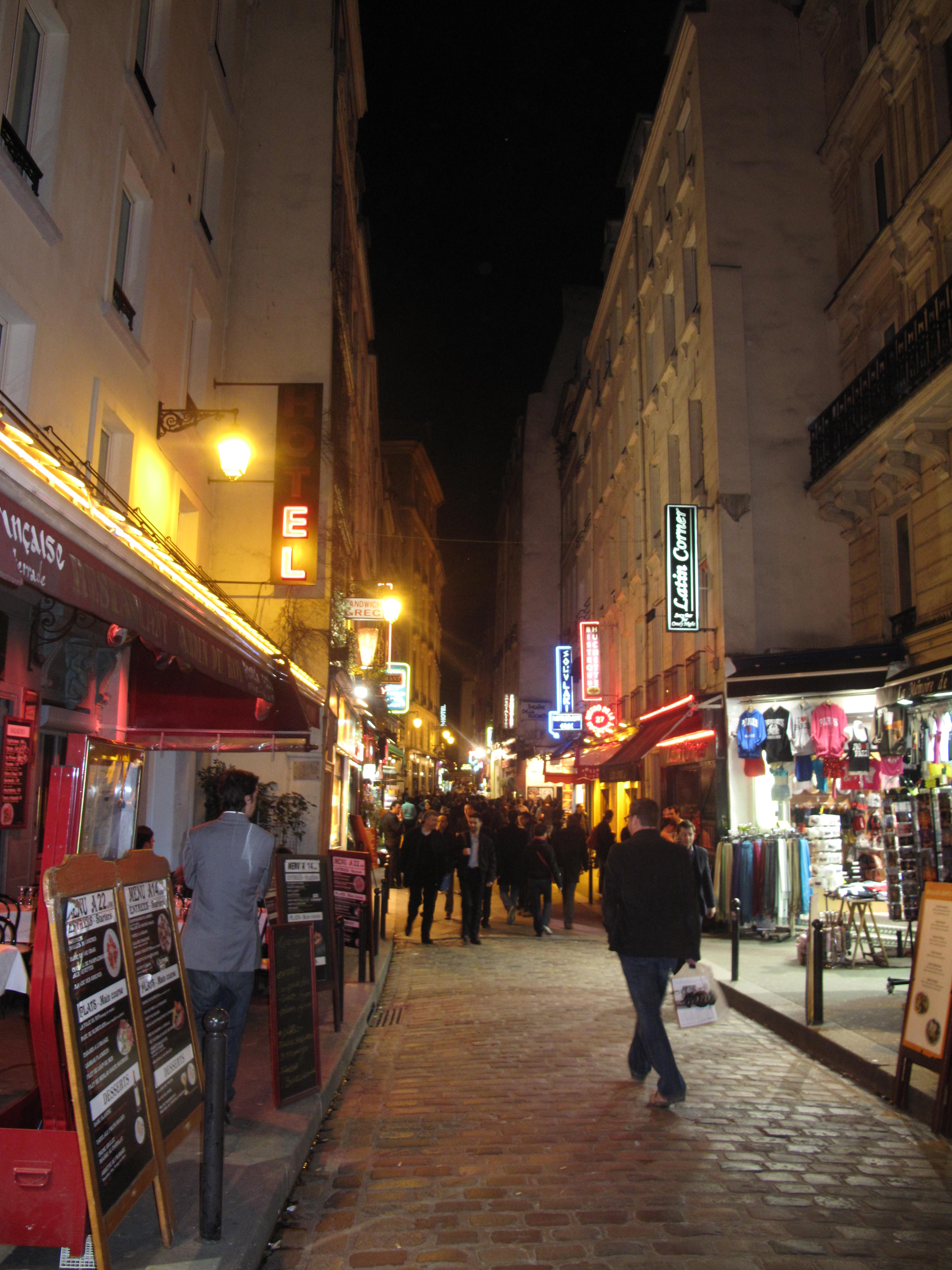
In the evening I met my Azeri friend once again and we went to the Latin Quarter to have dinner. It is also a very interesting and colourful place. Narrow streets are packed with endless restaurants – French, Italian, Greek, Chinese, Korean, in other words, anything you may wish; in front of each there is necessarily a tout, trying to persuade passers-by that their restaurant is definitely worth visiting immediately. After we already had dinner, I found that one of the restaurants on the Saint-Sévérin street served fried frog legs. So tomorrow I will come here again!

Posted in Europe, France, Paris

Paris, je t’aime – Day 3

РУССКОЯЗЫЧНАЯ ВЕРСИЯ ПО ЭТОЙ ССЫЛКЕ. CLICK HERE FOR RUSSIAN VERSION.

23 March, 2010

There wouldn’t be need to write anything if the day hadn’t been somewhat… well, stupid. It started quite sensibly though. We took the good old city sightseeing bus again, as the ticked was valid for 48 hours (and thus, the whole previous day we had been using it as public transport, circling and circling around the same places), intending to go to the Arc de Triomphe. But then, just as the day before, our plans changed en route. We learned from the driver that the Seine cruise tickets could be purchased directly from him and decided not to waste time while the weather was so lovely. We got off near the Eiffel Tower and went down to the Seine. Having already bought the tickets, we successfully avoided a very long queue, which included an unimaginable number of school-age children – mostly British, interspersed with a few German and French kids – in short, a pretty noisy crowd.

On the boat we were accompanied by a guide, who was making comments in French, English, Spanish and Italian. An hour later, we disembarked near the Eiffel Tower (again!) and started thinking of the quickest way to get the Champs Elysees (Attention, the first and stupidity of the day is about to begin!).

The idea to take the tour bus again was rejected by me, as in this case we would have to make almost a full circle. The idea to walk was rejected by Mom – although, as it turned out later, it would have been the best one.

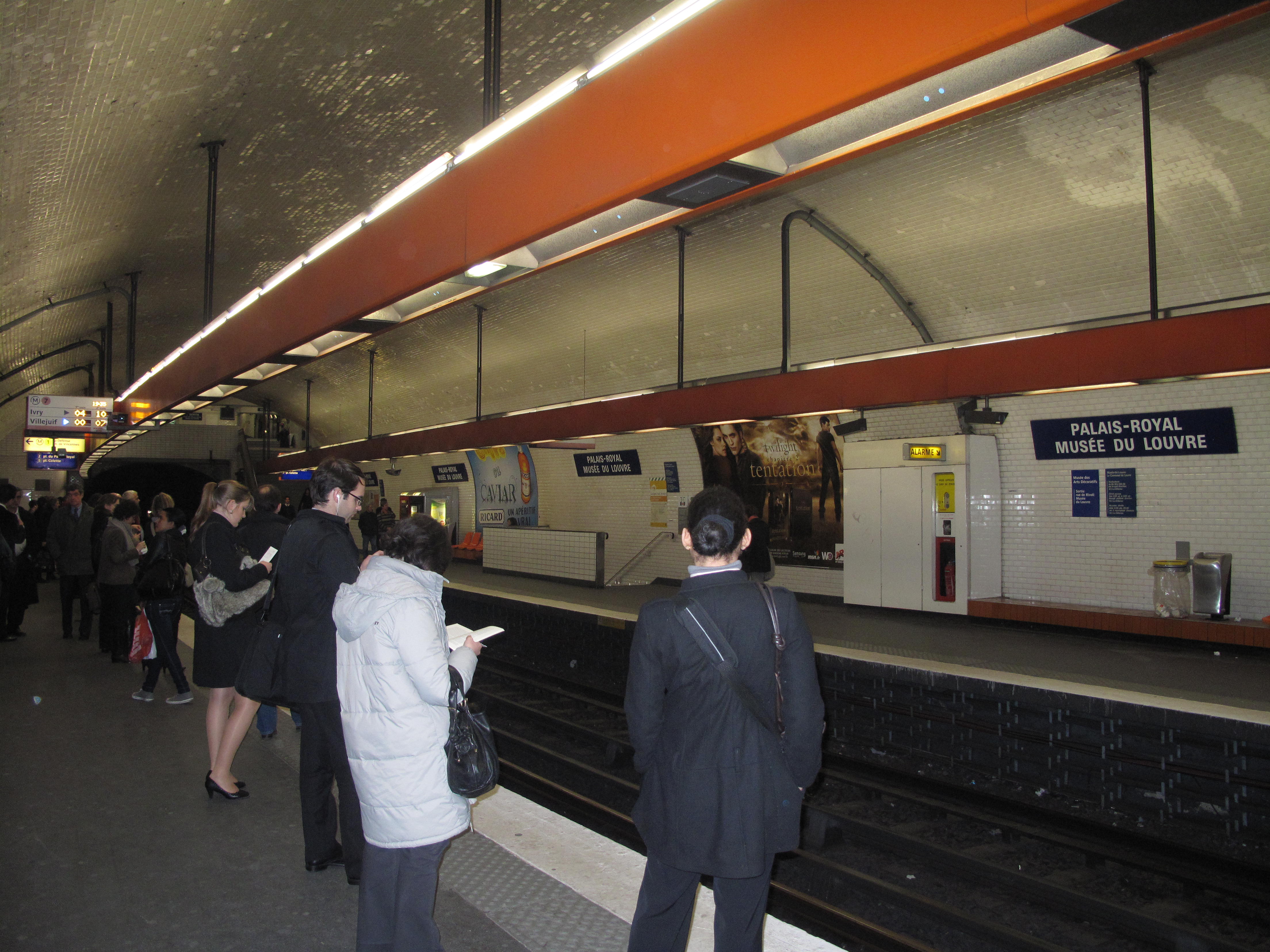
Then I suggested taking the tube, as it looked like we’d get there with no changes. So, we reached the station, the sign above which read «RER», with a notice that the Métro station was 300 metres away. We followed the indicated direction until we ended up in a really stupid place, and there was no tube station in sight. I said we should go back to the RER station and take the train there – for some reason it got in my head that it was an RER line indicated on the map, rather than a tube line. Naturally, it turned out that the RER wasn’t going to the Place de l’Etoile from there! We had to try walking in the direction of the sign once again and ask how to get to the tube, and we found out that we had to walk about fifty more metres from the aforementioned “stupid place”. Well, who would have known that the station called «Bir-Hakeim – Tour Eiffel», which was supposed to be the closest one to the Eiffel Tower, was actually a mile and a day away from it?! And then we had to walk even more under the ground until the Arc de Triomphe exit. By the way, the Paris Métro was not particularly impressive.

On top of all the “joys” of the day, I got stuck in the turnstile! I’m sure that the ticket was validated normally, because I saw the words: «Reprenez votre billet», and so I had to push the turnstile, and then the double door gates. Now, the turnstile worked as it should, but the gate simply wouldn’t open! In the end, I somehow managed to slip through a crack between the gates.

When we eventually reached the Champs Elysees, it was already lunchtime in full swing, so we decided to find a restaurant. Among those rejected was an Italian restaurant (it’s ridiculous to go to one in Paris!) and the famous «Fouquet’s» (too few dishes on the menu for too high a price). Looks like we made the correct choice in the end: we really enjoyed the «Chez Clément» restaurant with its nice interior a lot. And most importantly… they had oysters! I was even able to explain what we wanted to the waitress in French. I asked her which ones were the best. She replied that she didn’t eat oysters, but usually the largest ones are the most delicious, and the largest oysters on the menu were the Creuse de Bretagne № 2. She brought us the oysters – six large molluscs on a bed of crashed ice, with vinegar and lemon. The taste was very original. I find it hard to say with certainty how much I liked them, but at least they weren’t disgusting. They had a mucus-like texture and tasted somewhere between black caviar (mind you, I’m no oligarch, it’s just that I come from a country where black caviar is quite abundant and relatively cheap!) and pickled herring (especially if eaten with vinegar).

After lunch, we tried to do some shopping on the Champs Elysees, but weren’t really in the mood for that. Plus, in one of the stores – attention, another stupidity! – I nearly left my camera in the dressing room.

So we decided to walk to the hotel, via the Place de la Concorde and Rue de Rivoli.

Once back in the hotel, I called a friend to meet him in the evening. We met at Saint Germain des Près, where I arrived without incidents this time, albeit in a terrible rush hour.

We wandered through the neighbourhood a bit and then took a tube to the Trocadero square in order to take photos of the Eiffel Tower illuminated by night. And it was really beautiful! It turned out that it sparkles with lights for five minutes every hour, and we arrived just in time to see that. The Trocadero was crowded, much more than in daytime.

Posted in Europe, France, Paris

Paris, je t’aime – Day 2

РУССКОЯЗЫЧНАЯ ВЕРСИЯ ПО ЭТОЙ ССЫЛКЕ. CLICK HERE FOR RUSSIAN VERSION.

22 March, 2010

It was a long and rich day full of impressions! It began at 9 am, when we left the hotel after the breakfast. The original plan to go to the Louvre was dropped immediately, because the weather was delightful and promised to stay delightful all day, so spending a day indoors would have been a sin!

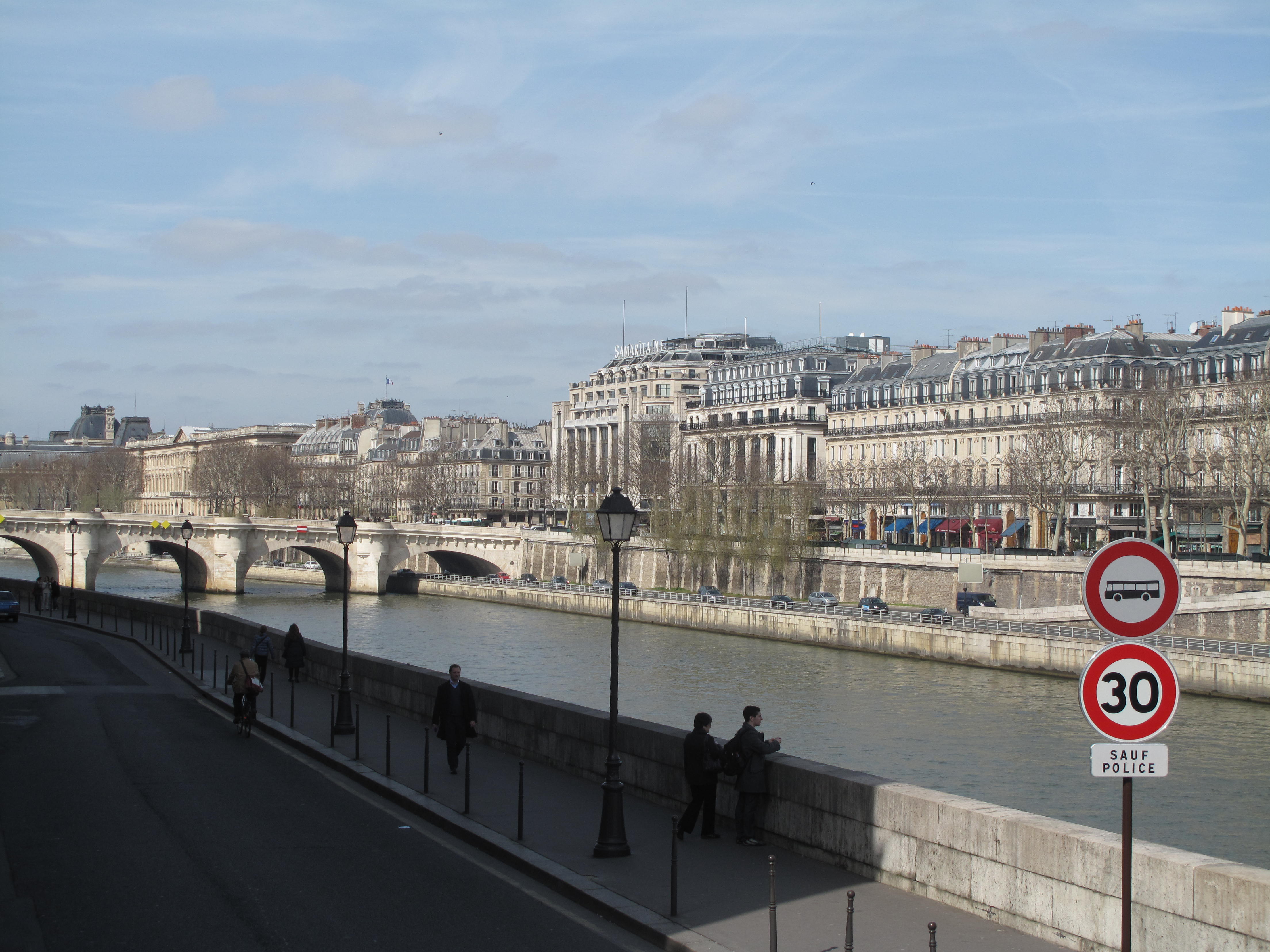
And so we walked to the quay of the Seine, and decided to go to the Champs Elysees from there, but this plan was soon changed as well, and we headed to the Eiffel Tower.

The road to the tower was not much impressive, but something strange happened there. Some dodgy-looking guy rushed towards us with a gold ring, asking if it was ours. After he learned that it wasn’t, he began actively trying to foist it on us, pointing at its countersign and insisting it was genuine. And then he began to beg for money to buy a sandwich and a Coke. When we asked a completely fair question on why he wouldn’t take the ring instead and sell it, he said that he was a Baptist. Somehow he managed to wheedle 4 euros out of us (yes, I always knew that the word “DUPE!” was written in large letters on my forehead). As for the ring, we decided to throw it out of harm’s way, as the whole story seemed too suspicious. Thinking back now, I realise that there wasn’t need to worry too much – the ring, according to its weight, was not gold at all, and most probably this is a common scam.

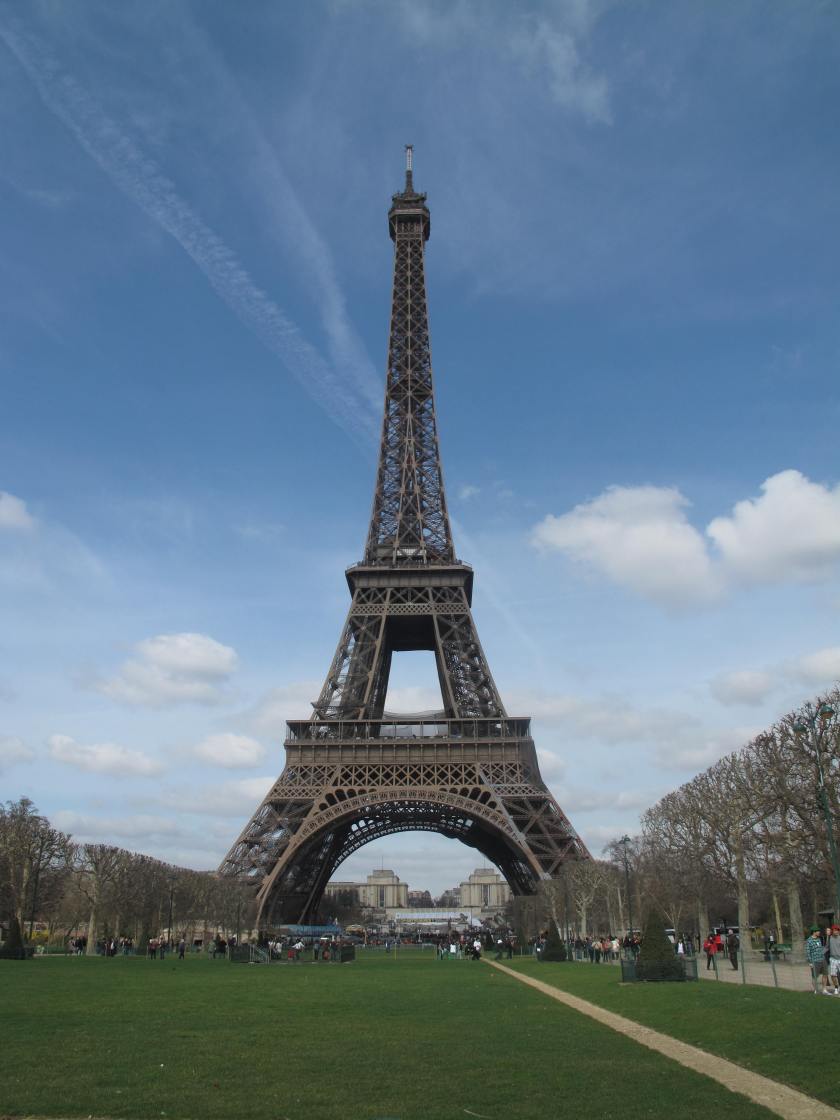
Then we walked to the Eiffel Tower without any incidents. Unfortunately, we didn’t have the chance to go up, as the queue was unbelievable and we didn’t want to waste time standing in it. Especially that there were a lot of gypsy beggars scurrying around, soldiers with weapons, and more dodgy guys selling Eiffel Tower figurines and trying to palm them off on us. However, at some point they suddenly started off to run somewhere simultaneously! Most likely, they were running from the police, but my mom’s comment really made me laugh: “Where are they running? Did anyone tell them that more dupes had arrived?”

The Eiffel Tower itself made me want to take an infinite number of pictures of it. And the sight of this beauty was simply breathtaking. However, if you look closer, the tower doesn’t have any special beauty. By essence, it is a pretty ugly construction. So, I think that its beauty is a purely psychological phenomenon – it is the main symbol of Paris, one of the world’s major attractions, so our eyes are used to considering it beautiful.

After viewing the tower on all four sides and at least a dozen of photos made, we decided to take a bus tour around the city, taking advantage of the good weather (quite unusually, it didn’t start raining with wind, as it always happens when I get in an open-topped tour bus!). And this, I must say, was a very good idea. Such tours should always be taken at the very beginning of one’s stay in a city – it allows to understand its structure and logic, and at the same time to determine the places that you want to visit later. Especially that there are always places that you generally do find interesting, but seeing them from the bus is just enough, and in the future you don’t have to spend time on visiting them. For example, the Place de la Concorde, which we drove through so many times that we definitely didn’t want to visit it separately.
We got off near the Notre Dame Cathedral, looking for a place to eat, but for some reason couldn’t find anything other than sandwiches and croque-monsieurs. So we had to get on the bus once again and head to the Galeries Lafayette.

This area is somewhat like the City of London, where the majority of people are wearing suits and there are lots of banks around – Commerzbank, BNP Paribas, etc. We managed to find a restaurant here.

Looking through the menu, I came across a dish called «Rôti de chapon aux cèpes avec Gratin Dauphinois», and became interested, because I had previously heard of Gratin Dauphinois being a very tasty potato dish. I had no clue what “chapon” was, though, so I asked the waiter. He replied that it was “le coq”, and mimed the process of castration. By the way, the poor cockerel tasted quite good, and the Gratin Dauphinois was absolutely fabulous!

After lunch, replete and happy, we continued our tour bus, to go back to Notre Dame de Paris and get inside. As there was still plenty of time before the 6 pm mass, which we very much wanted to attend, we decided to get off near the Eiffel Tower once again and have a cup of coffee in one of the outdoor cafes.

Then we caught another bus and headed directly to Notre Dame de Paris. On the way, I made a few observations. First, it is the love of the French for their flag. It seems to be everywhere: not only over every state institution, but also over all billboards.

Secondly, it is the huge number of motorcycles on the roads, I’ve never seen that many before! And most importantly, they tend to rush at a crazy speed!

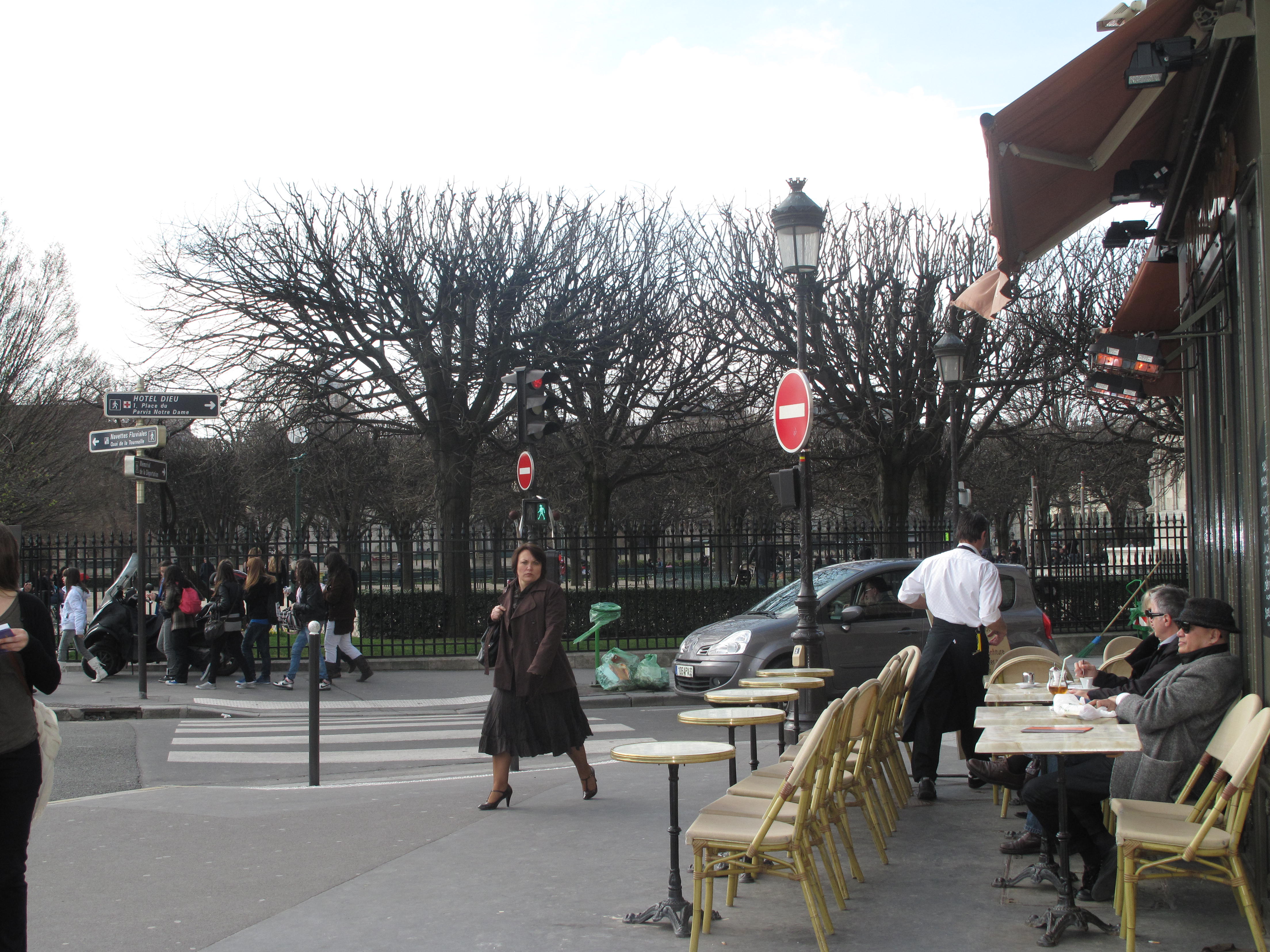
And third, I noticed that the names of shops, cafes and hotels are directly dependent on the location. For example, they are all called “Madeleine” in the neighbourhood of the Madeleine Church, or “Notre Dame” in the area of Notre Dame de Paris.

Speaking about the Notre Dame Cathedral, initially, we were prepared to stand in a long queue for an 8-euro ticket. As we approached the tail of the queue, we noticed a sign, saying that there was no point in joining the queue, as that was it for the day. We got very upset, but then decided to ask how to get to the mass, and found out that the entrance was through the church, and it was free! Frankly, I didn’t understand what these guys in the queue were planning to pay 8 euros for, because inside, we were able to view everything free of charge. Actually, “free” is a bit of an overstatement, as we had to spend money on candles, and metal medals “for luck”, and the entrance to the treasury of the church, and the donation after the mass.

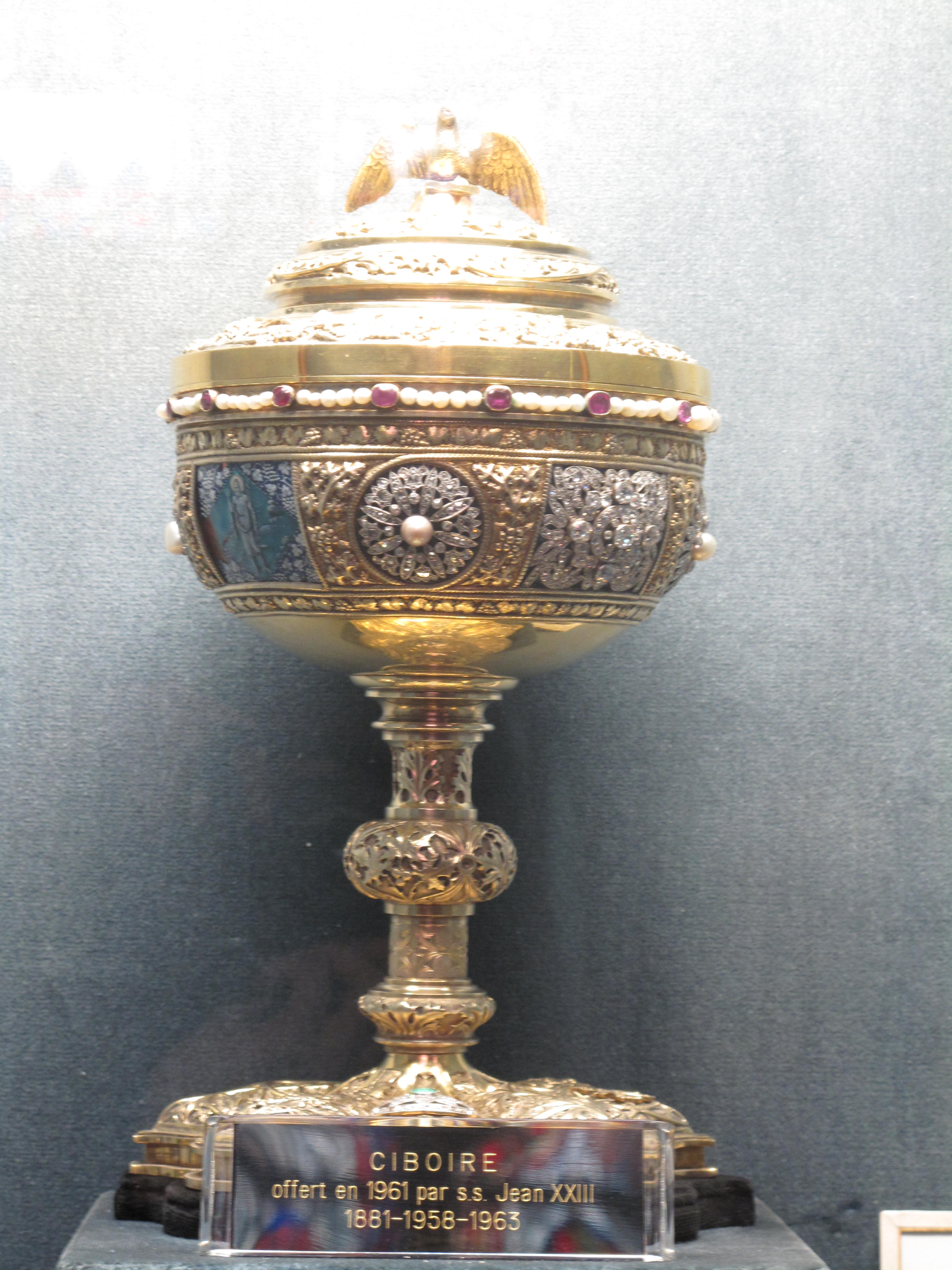
The treasury was well worth the three euros paid for it – it had amazingly beautiful goblets, finger rings, busts of various archbishops, as well as objects of unknown purpose, probably just for decoration.

We highly enjoyed the mass itself too. The service started with vespers at 17.45, followed by the mass at 18.15. Everyone was given sheets of paper with the lyrics of hymns and psalms in Latin and French. Since, wishing to see everything well, we sat in one of the front rows, we had to sing along with everyone. But it all sounded truly divine! The next part mostly consisted of preaching and talking about the biblical Susanna and the two elders, occasionally interrupted by chants such as «Kyrie Eleison».

Generally, looking at all this, I come to the conclusion that if I was a believer, I’d certainly be a Catholic. Because only Catholic churches, services and rituals make me feel awe, albeit minimal. On the other hand, it seems unlikely that I would be able to listen to stories of Susanna, the elders, and others like them with sincere reverence.

Leaving 2 euros as a donation, we left the cathedral just in time to catch the last tour bus, which dropped us off at the Grand Opera, from which we had to walk to our hotel. Once near the Boulevard des Capucines, we decided to have dinner somewhere. Seeing «Le Grand Café des Capucines», I got quite excited about oysters in the menu exposed in front of the cafe, but my mom flatly refused to try them. For the sake of revenge, I suggested Pizza Hut, where the pizza was very, very mediocre.