Posted in Europe, Ischia, Italy

Adventures of the Azeris in Italy – Ischia Porto

РУССКОЯЗЫЧНАЯ ВЕРСИЯ ПО ЭТОЙ ССЫЛКЕ. CLICK HERE FOR RUSSIAN VERSION.

All this sightseeing is nice and interesting, but who said one shouldn’t be shopping when abroad? We’d been thinking for ages how to do it, and were first planning to travel to Naples, but then realised it would take us two hours to get there and two more to get back, especially that the opening time of the shops wasn’t very clear. Due to summertime many places here are closed from 1pm till 4pm, working a little in the morning and till midnight in the evening. And besides, August is the month of holidays, culminating on August 15 , the holiday of Ferragosto, which is an ancient pagan festival of the sun and harvest , adapted in Christianity as a day dedicated to the Madonna. Therefore, the working hours of shops (if at all? ) were under big question.

As a result we compromised . We had already mentioned that in general shopping in Sant’Angelo is virtually inexistent, so we were taken to Ischia Porto, the “capital” of the island. We were told that under the order of Mussolini each Italian city should have its own Via Roma, that is the street of Rome – usually it is the main street with all the shops concentrated on it. Ischia Porto is no exception . We arrived there at 6pm, and the street was crowded . However, we saw very little brand shops as such – most of them, just like in Sant’Angelo, contained a hodgepodge of several items by various brands. Still, after walking along the street till 10pm, each of us ended up with some new clothes .

The taxi driver, which was supposed to take us back to our hotel, told us that the price was not negotiable, but would rather be calculated based on the meter. We were pleased with the idea of not having to pay 40 euros this time. Well, indeed, we didn’t have to – the meter counted 60! We tried to argue, but the driver’s reply was that this was the night fare. Why 11pm had to be considered as night already – is an altogether different question, but arguing any further was simply pointless.

Posted in Europe, Ischia, Italy

Adventures of the Azeris in Italy – La Mortella (Ischia)

РУССКОЯЗЫЧНАЯ ВЕРСИЯ ПО ЭТОЙ ССЫЛКЕ. CLICK HERE FOR RUSSIAN VERSION.

From time to time we are promised that a Russian representative of some travel company will come to the hotel to “tell us everything” and organise a tour. But we do not believe in anything any longer and try to entertain ourselves as much as we can. Having gone through the available booklets, we decided to visit the La Mortella gardens.

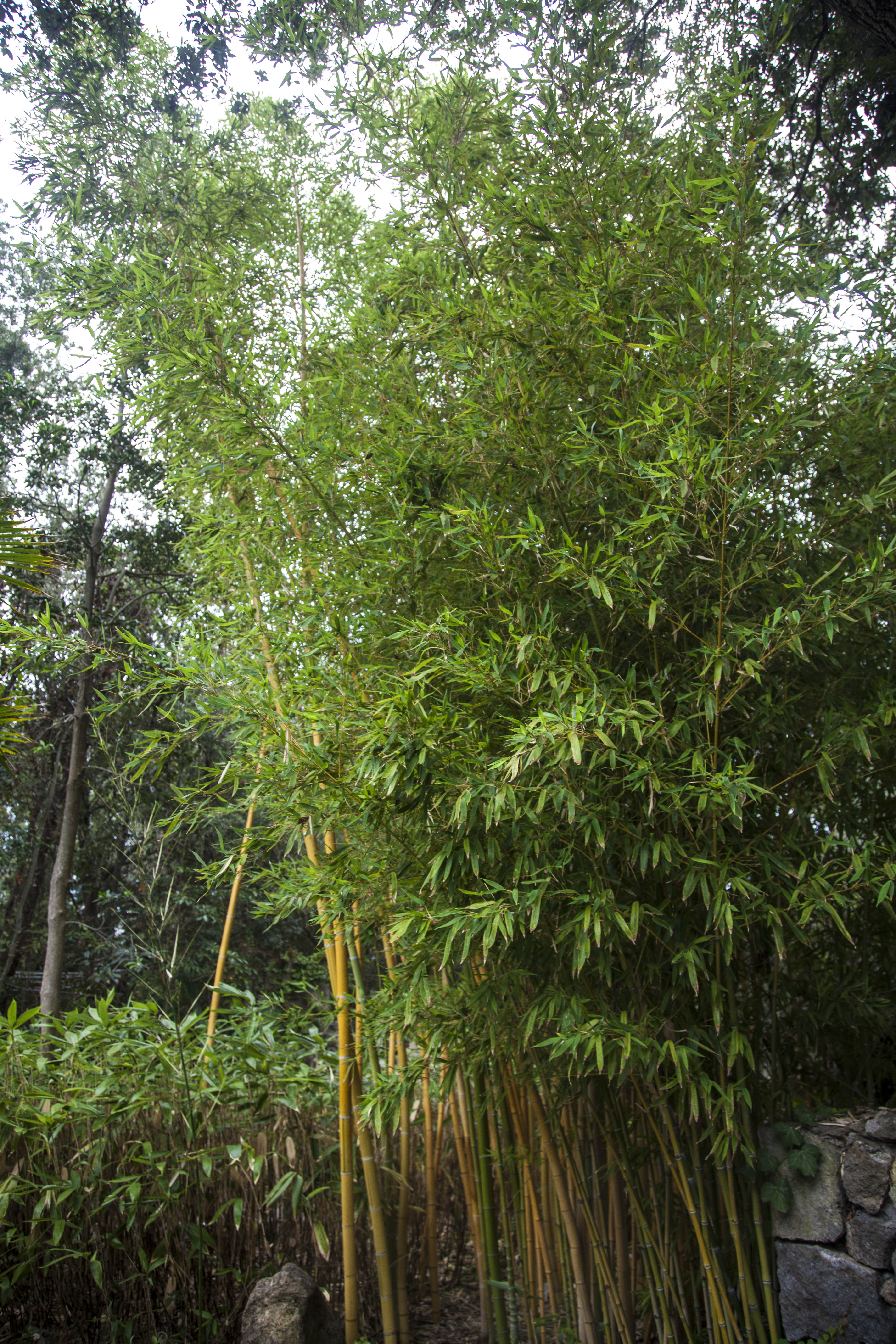
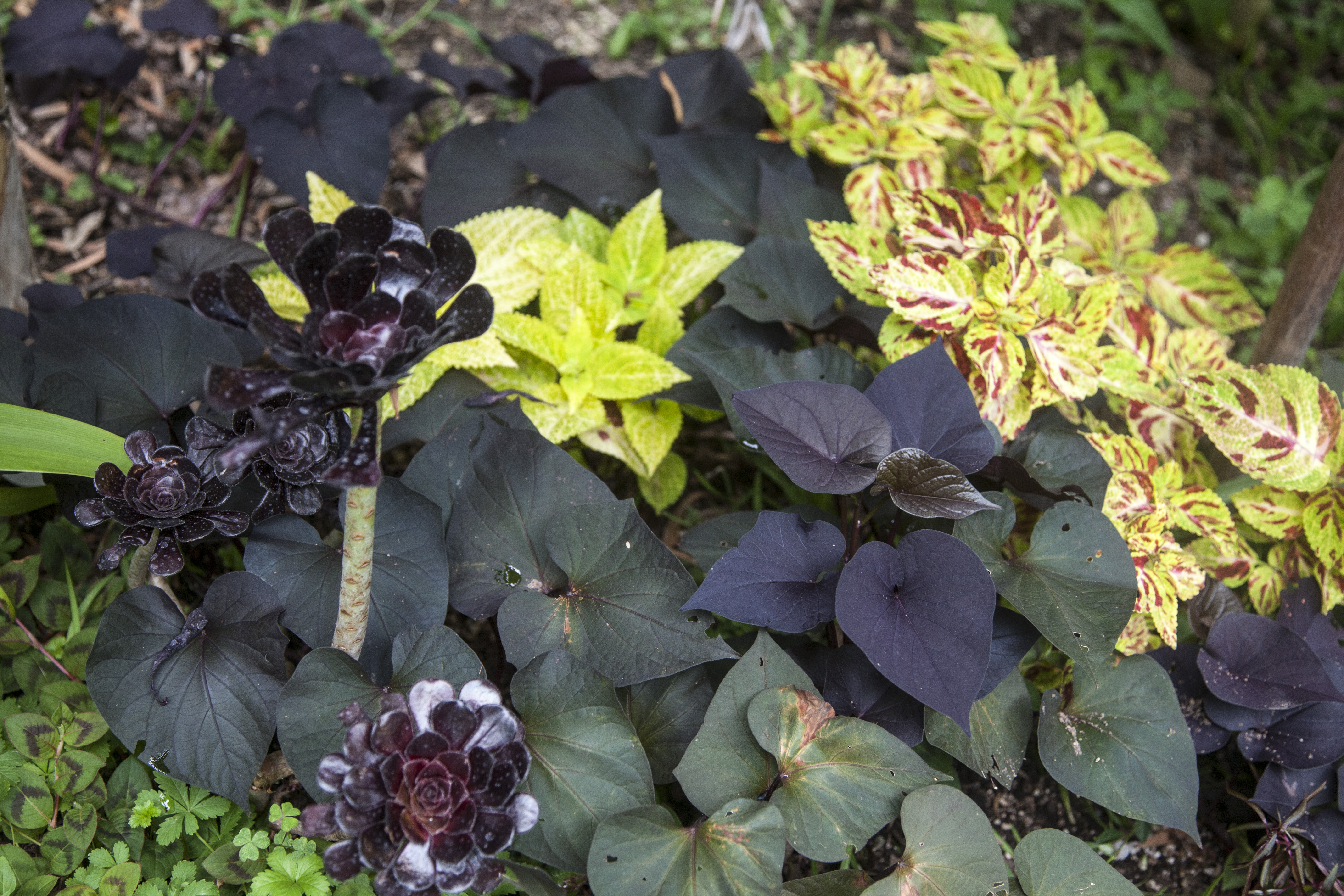
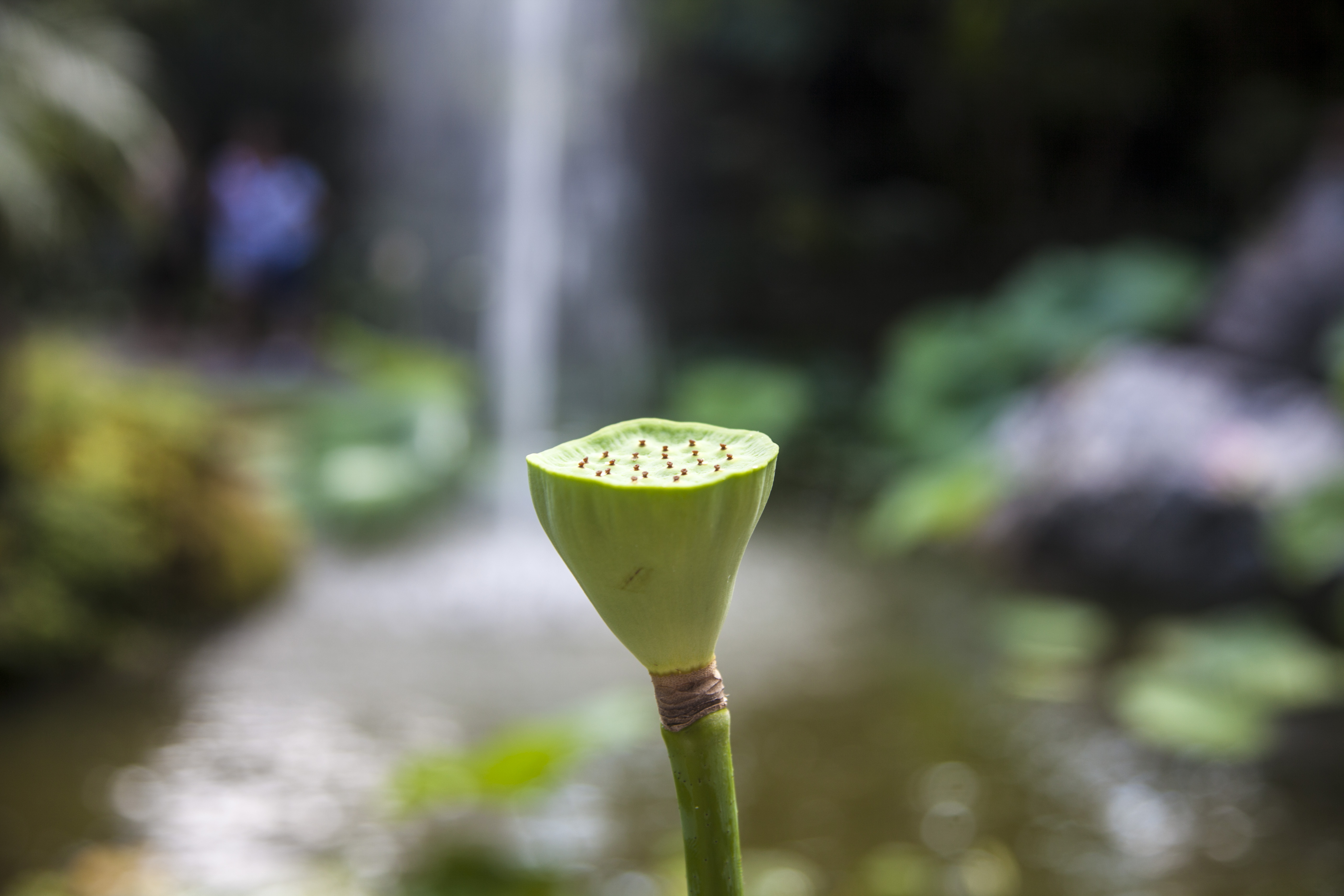
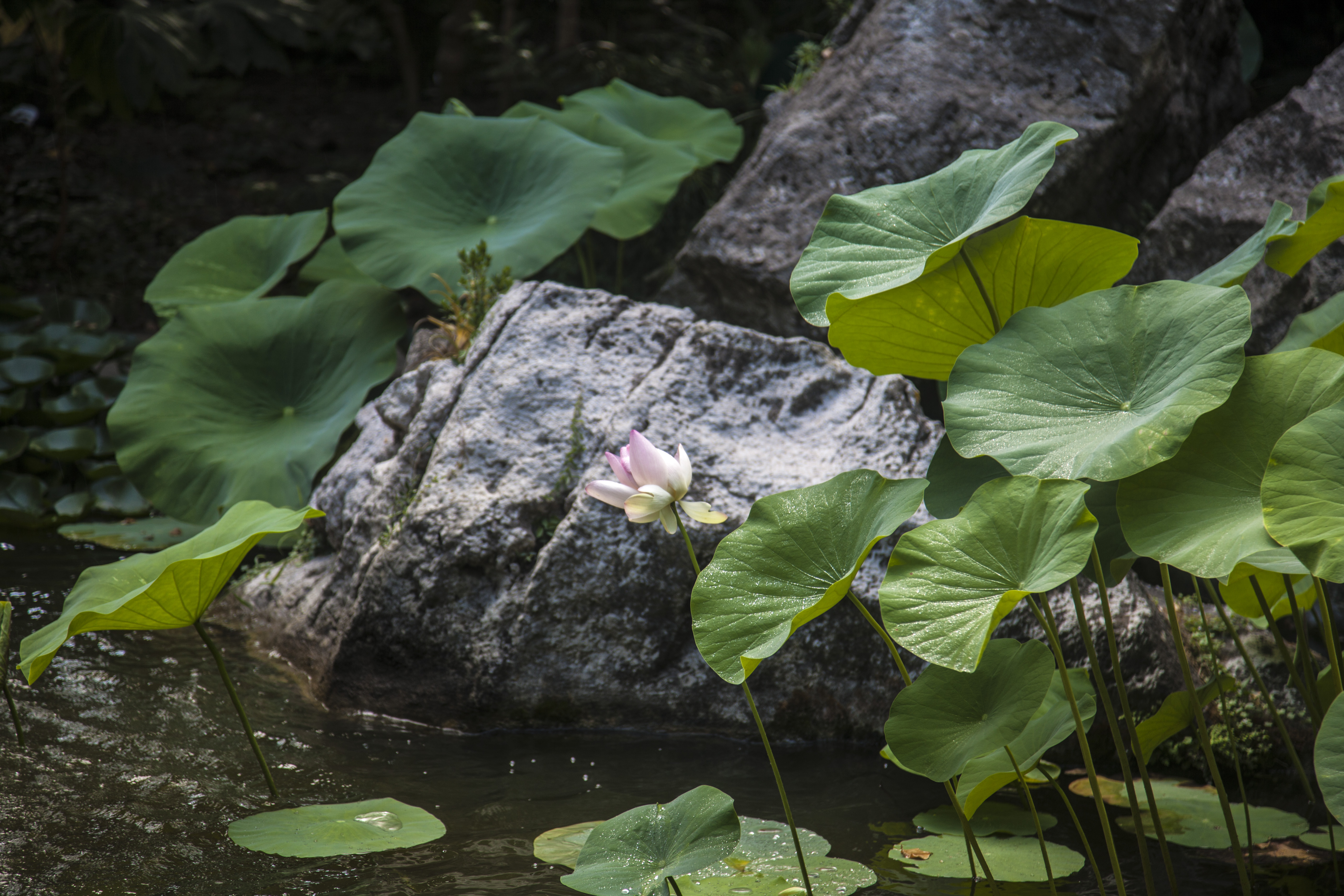
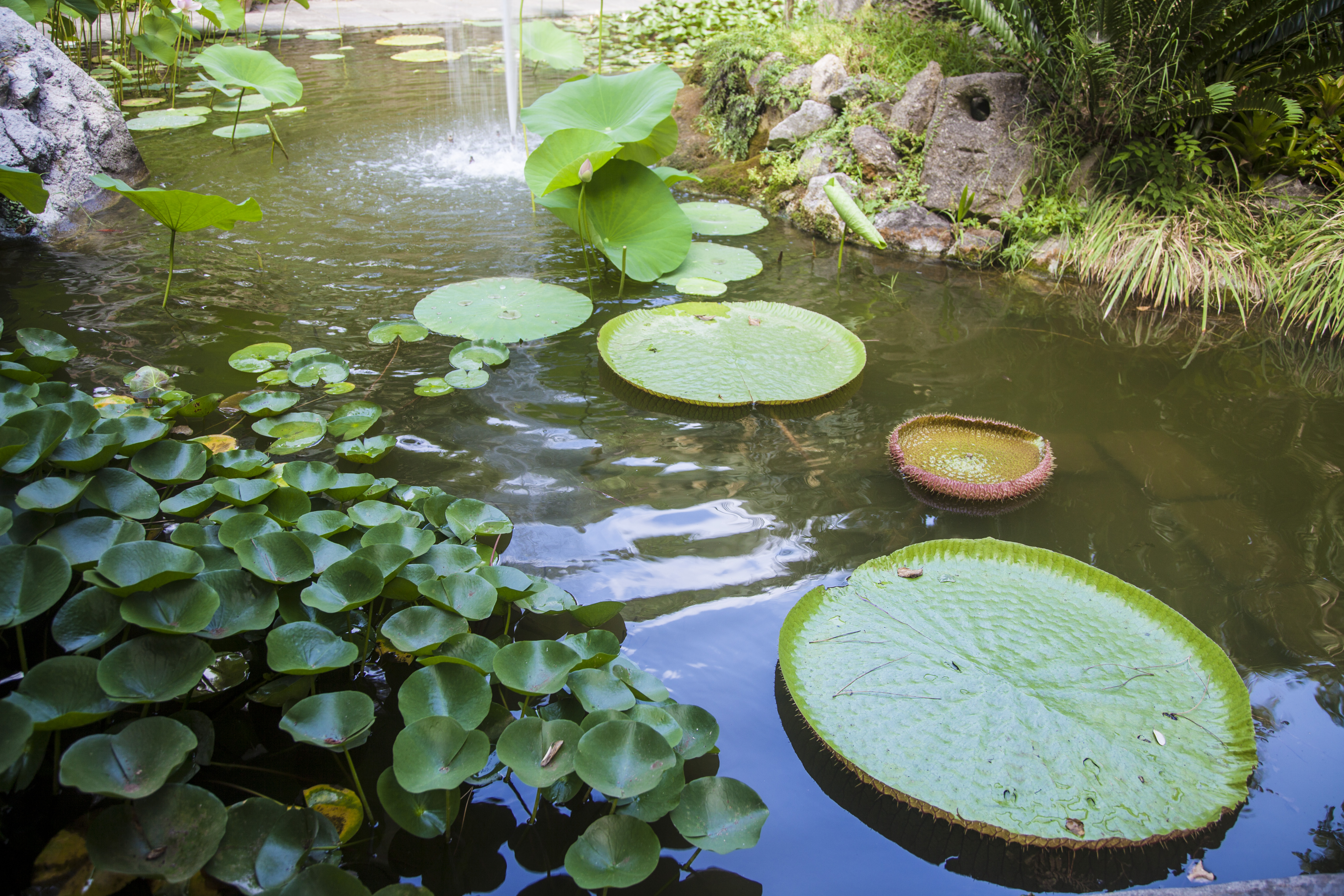
These gardens were planted by an Argentinian gardener who was the wife of the famous English composer Sir John Walton. They settled in Ischia in 1949, and, for the inspiration of her talented husband, she created the lower garden, full of the most rare plants from all around the world, including the giant Amazonian water lily Victoria amazonica, a leaf of which, as we all remember from our school books, can easily hold a month-old baby (dedicated to those lilies is the Victoria House, where water pours into a pool out of a  the ‘bocca’ (mouth) bas-relief); the Chinese paper tree, lotus, bamboos, Araucaria , bromeliads (that’s all I could remember, although there were lots more).

La Mortella - Bamboo

La Mortella

La Mortella

La Mortella

La Mortella - Lotus

La Mortella

La Mortella

La Mortella - Victoria Amazonica

La Mortella

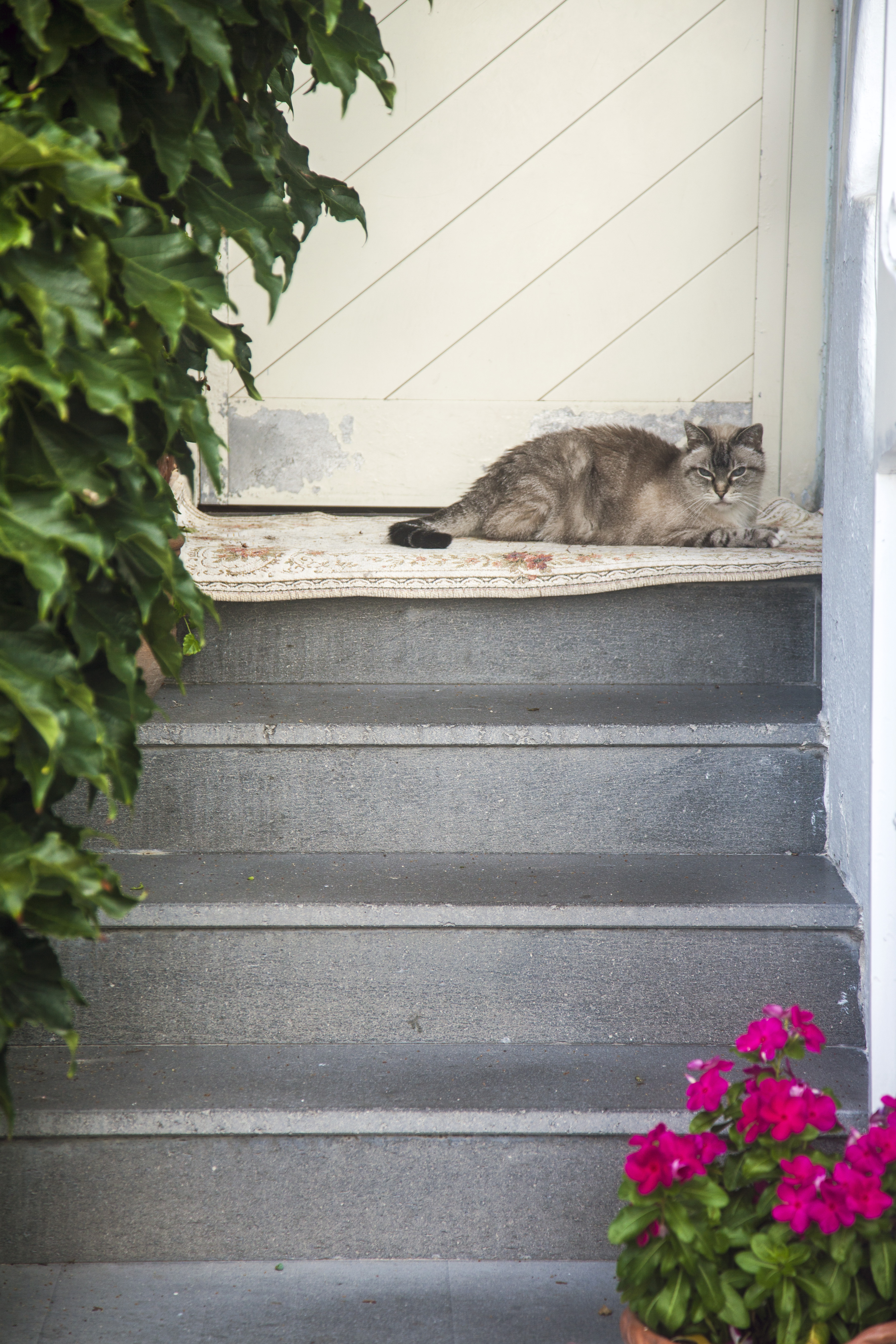
La Mortella - Lazy Cat

The upper garden was created after the death of Sir Walton , in his memory. He is buried right here (and so is Susana – his widow, who died later and who is referred to as the soul of the garden). Clambering up, we saw the Greek theatre , a pool with a bronze crocodile, the Temple of the Sun, the Thai pagoda and a concert hall, where they show a documentary with Lady Walton herself talking about the garden. We did not watch it all, but caught the moment where Prince Charles of Wales was admiring her replicated version of the Victoria House at Chelsea Flower Show in London.

La Mortella

La Mortella - Thai Pagoda

La Mortella - Templa of the Sun

La Mortella - Temple of the Sun

Posted in Capri, Europe, Italy

Adventures of the Azeris in Italy – Capri

РУССКОЯЗЫЧНАЯ ВЕРСИЯ ПО ЭТОЙ ССЫЛКЕ. CLICK HERE FOR RUSSIAN VERSION.

We got our Capri trip almost with a fight. Poor Larissa was really struggling to arrange it for us, but all her efforts met a “brick wall” of the complete apathy of her Italian colleagues. Her requests were passed from one to another, delayed by half an hour, then by another half an hour, and it looked like the trip was about to burst like a soap bubble, when finally, totally desperate, she explained to us how to get there pretty much on our own: take a taxi, then board a boat and then find a tour at the port. She didn’t possess any maps of Capri or guide books, so just had to draw some directions using pen and paper.

Ischia

Ischia

Forio

The boat took about an hour to get to Capri. Fortunately, the day was more or less cloudy, and there was a delightful breeze at the top deck of the boat. We boarded it in Forio and sailed around the whole Ischia, stopping to pick up passengers at all the Ischian ports: Lacco Ameno, Casamicciola and Ischia Porto.

IMG_6481

Larissa had promised us that there would be Russian-speaking tour guides chasing tourists right at the port, but we didn’t want to entrust ourselves to chance and signed up for the Italian/German/English language tour offered directly on board.

Having got rid of this concern, we immersed ourselves in observing other passengers, and were not generally too impressed by their looks. There were quite a lot of sweet couples, gently kissing and hugging, however some of them seemed just plain unattractive. The men looked like a mixture of Julius Caesar with Danny DeVito or Savely Kramarov and the women looked sloppy, scruffy, ready to become coarse in a few years – I’m not trying to be mean here, but you just so imagine them in hair rollers and robe, yelling at their screaming kids!

For reference – the area of the Capri island is four times smaller than that of Ischia, making a total of ten square kilometres. The island is essentially a limestone mountain (as opposed to the volcanic Ischia), so it doesn’t have beaches per se. There are only two towns here, the lower one being Capri, and the higher one is called Anacapri. The water washes away the limestone, which results in the formation of grottos. We took a bus to visit the most famous one of them – the Blue Grotto – once we got off the boat.

The Blue Grotto

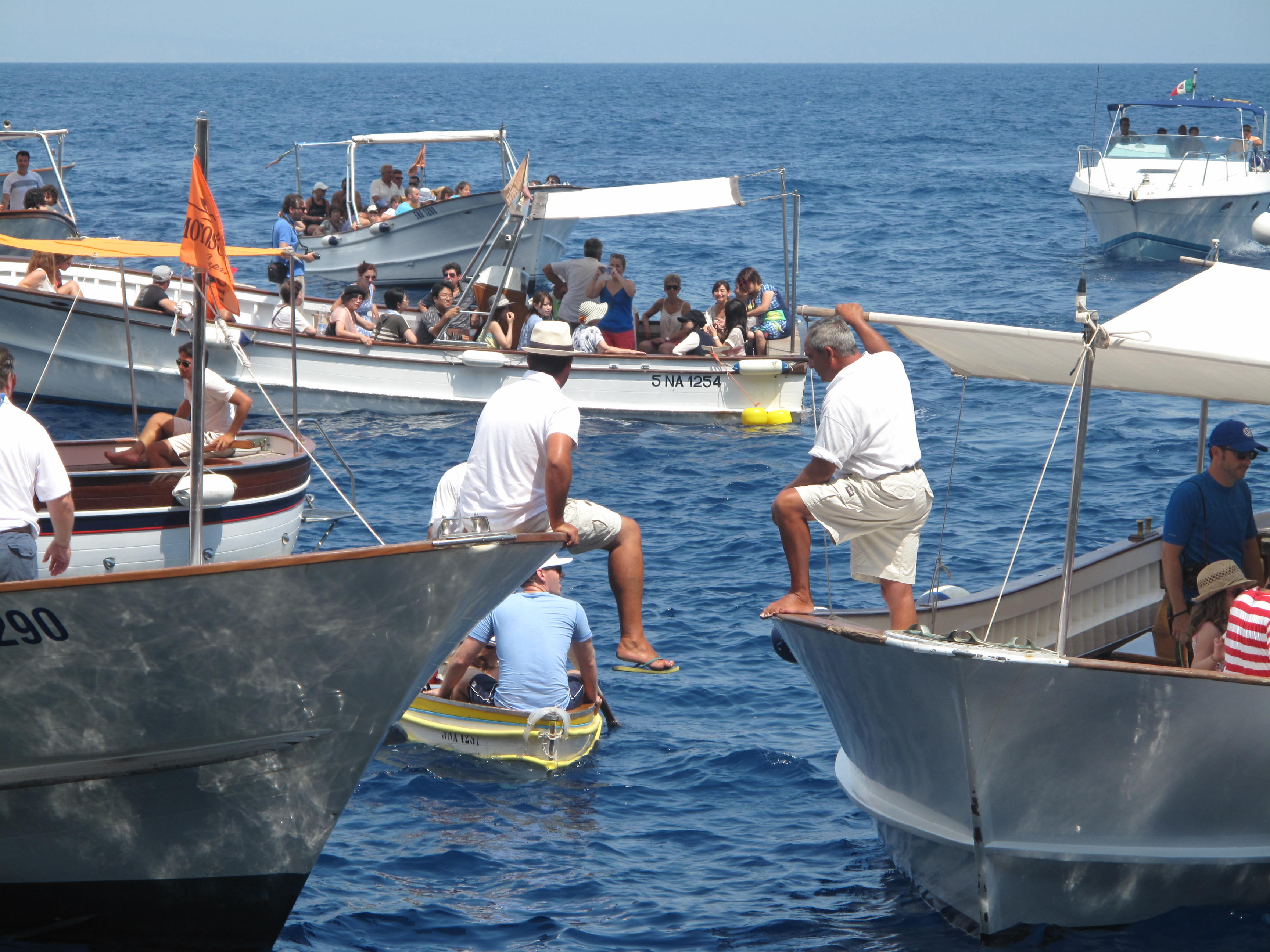
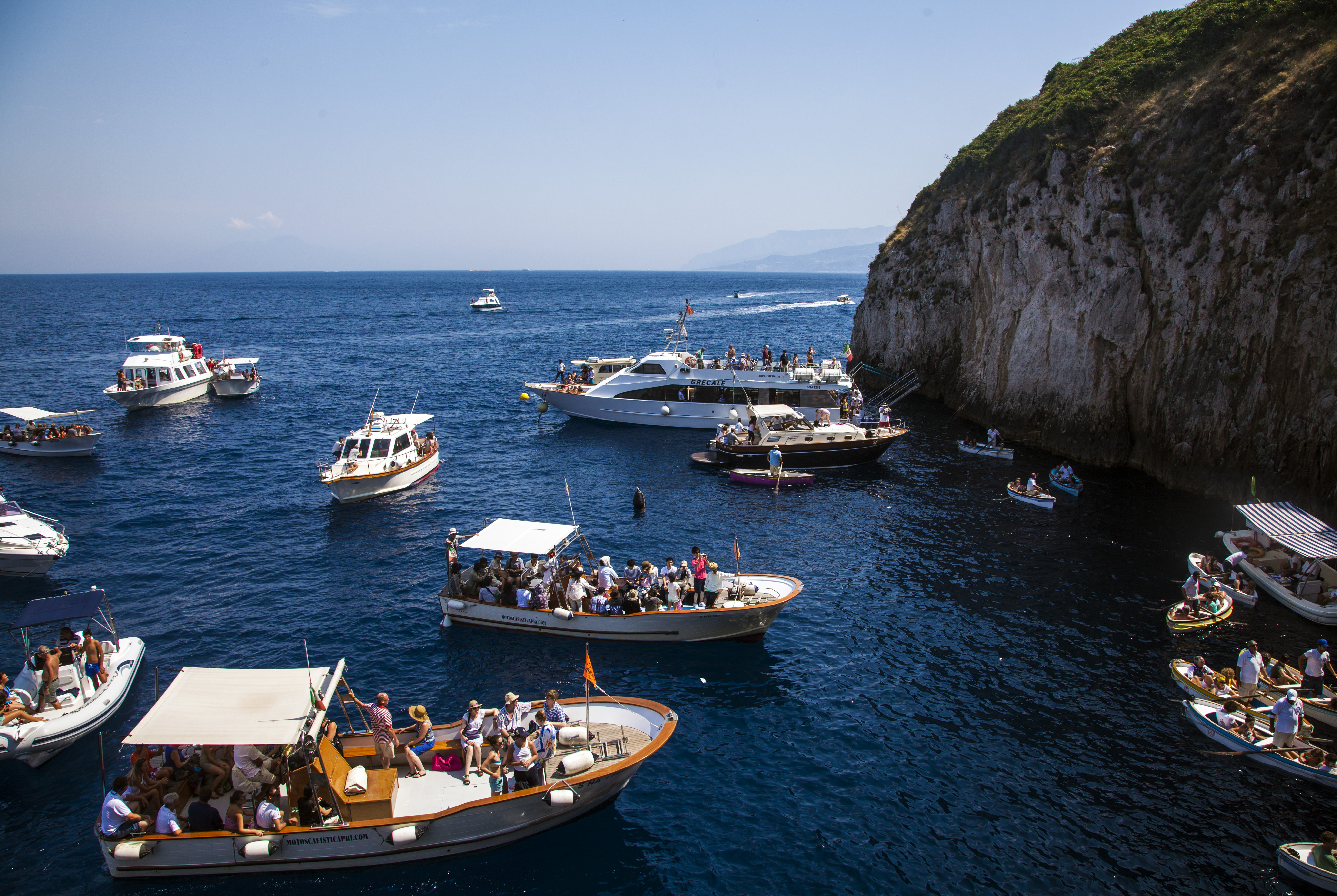
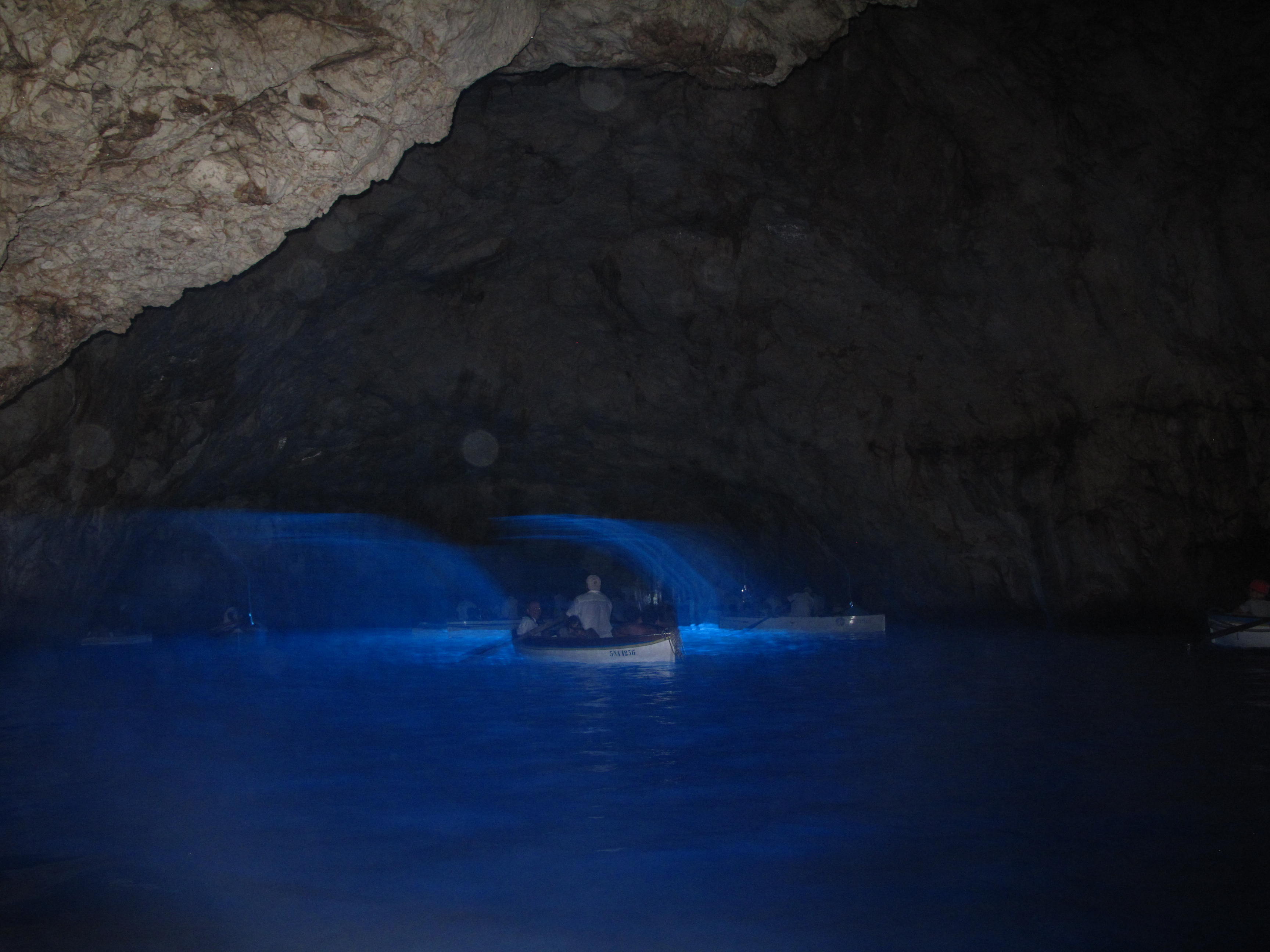
We turned out to be very lucky: the Blue Grotto can be entered only forty days a year (at least, so we were told!), at low water, and we just made it before it closed for today. This is how this all worked: the bus drove us right up to the stairs running down to the water, where there was a myriad of row boats with rowers. We had to wait in a queue; then manage to climb into the row boat, which was not that easy at all; then sail on it to the floating box office and pay there; and then lie down on the boat floor, as the entrance to the cave was very low. We entered into absolute darkness, lit only with occasional camera flashes, and accompanied by many-voiced rendition of “O Sole Mio”. We understood why the cave was called blue only once we turned back: illuminated with the light coming through the inlet, the water and ceiling coving got an amazing blue colour.

The Blue Grotto

The Blue Grotto

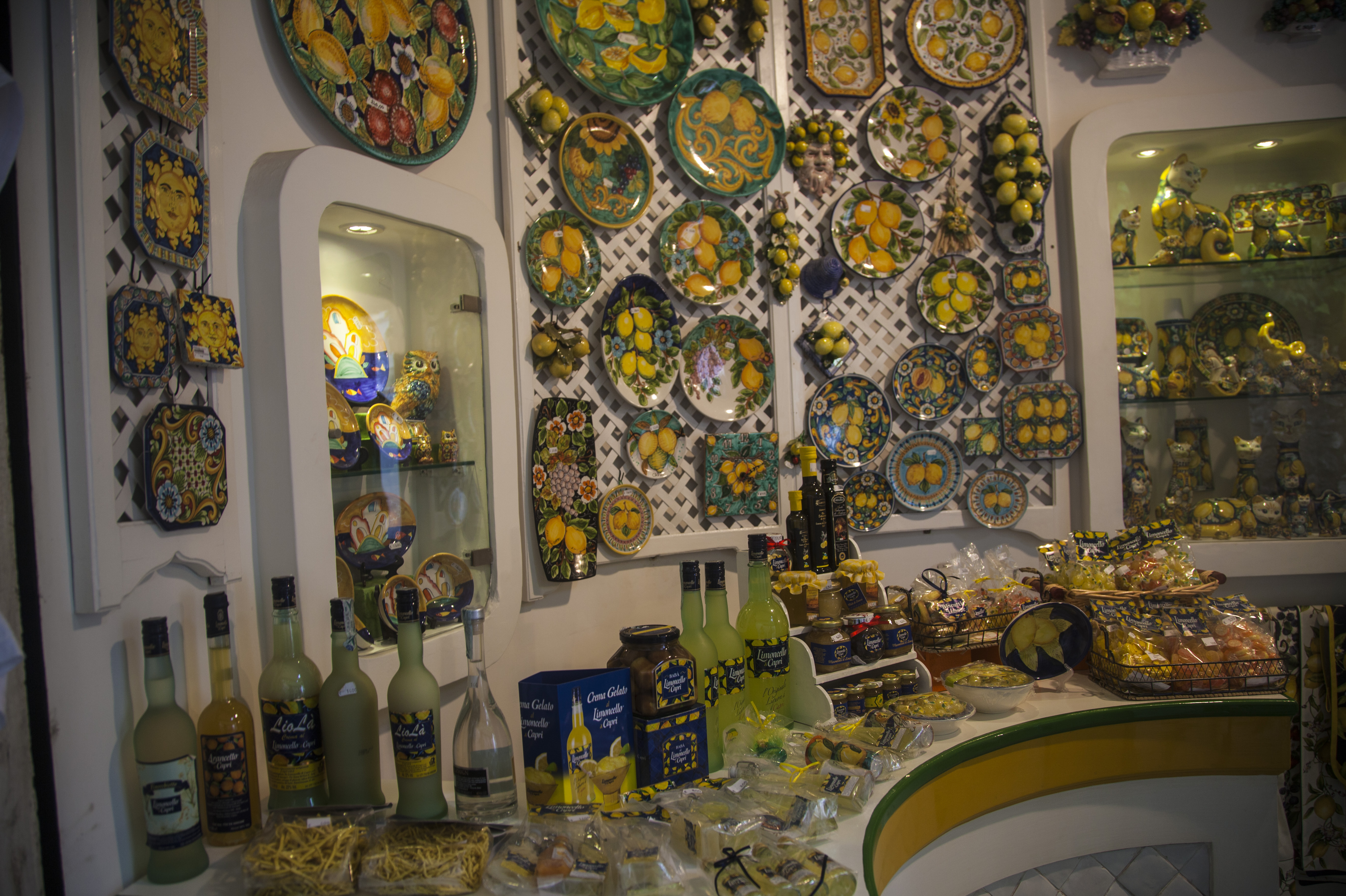
After seeing the grotto, we were taken to the central square of Anacapri. Here our opinion differed with that of Larissa, who had been convincing us that there was nothing to see in Anacapri, and praising Capri – we actually liked Anacapri better, with its magnificent view from the observation deck and a lot of very nice shops. It seems that the symbol of the island is lemon: there are loads of lemon-related souvenirs; there is a lovely refreshing drink made of lemon juice with crushed ice  sold everywhere, and the crown of all is the famous limoncello liqueur. Unfortunately, we only had time to catch a glimpse of all this beauty, as most of the free time we were given was taken by lunch, which our guide Cecilia was so ardently advocating to have right there, that we thought she was receiving commission from the restaurant for referring clients.

View from Anacapri

Anacapri

Later we were taken down to Capri. Here we saw (from the distance) the house of the “stormy petrel of revolution” Gorky, and Cecilia told us that in 1907 he had been visited by Lenin here – there is even a monument to the latter in Capri (which, by the way, no one thought of destroying!). We were told that here is where he was planning the revolution.

Capri

Capri

Capri - Gorky

Monument to Lenin

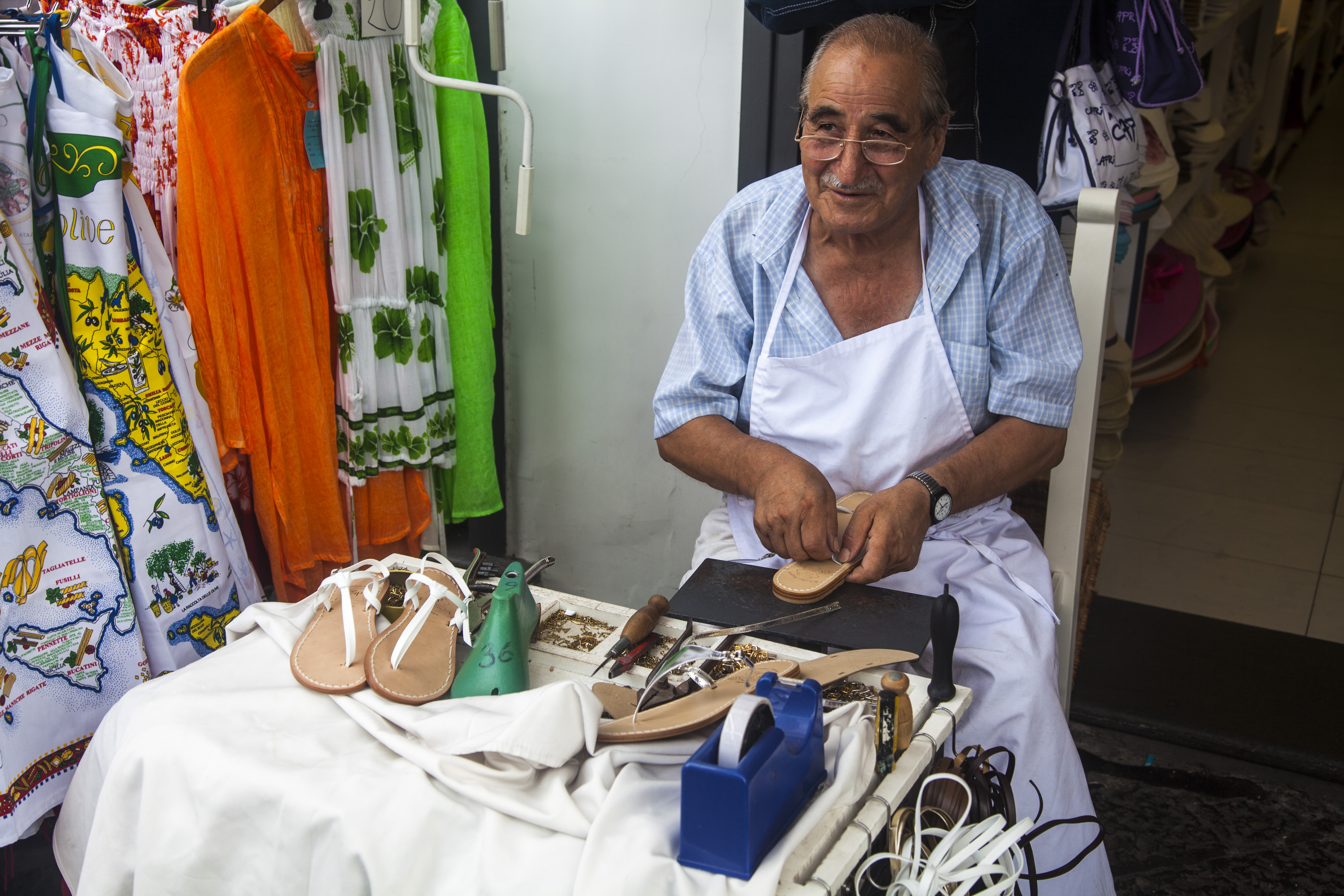
How did we find Capri? Very cramped, too posh, bristling with villas and gorgeous boutiques with crazy prices. On the narrow roads of what is assumed to be the pedestrian zone there are electrocars constantly scurrying around – we have them in Sant’Angelo too, but there they are not flowing continuously and are therefore not so annoying.

Capri

Capri

Capri

Capri - Shoemaker

By the way, all of this splendour functions only from April to October – in winter Capri becomes dormant, and any connection with Ischia stops. Therefore, as Cecilia said, most Ischians have never been to Capri – in summer they are employed in the tourism sector, and in the winter it’s difficult to get there (via Naples), and there is hardly anything to do as well.

If Anacapri was cool and pleasant, in Capri, despite the occasional drizzle, and perhaps because of it, it was very hot and humid. In this swelter we visited the Augusto Gardens and took numerous pictures of the famous Faraglioni rocks.  This stuffiness made the above mentioned lemon drink (la granita) the main highlight of the garden visit. Oh, Larissa, Larissa, we thought, this is where we should have been sitting on a terrace of some restaurant, staring at sauntering tourists and scurrying electrocars, instead of doing so in Anacapri, which instead was perfect for walking.

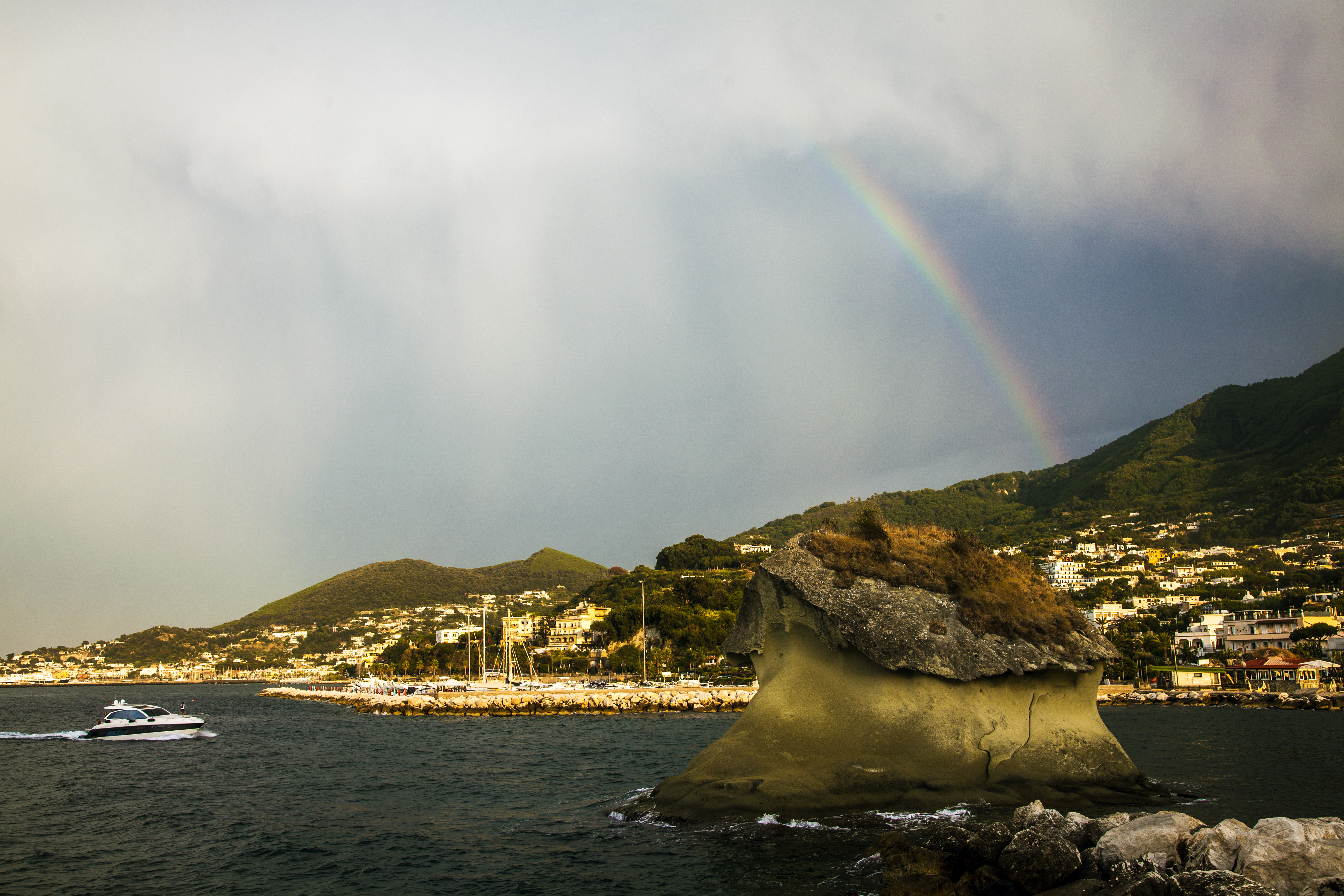
The drizzle finally ended with a magnificent rainbow that we saw on our way back.

Ischia Porto

Ischia (Casamicciola)

Ischia (Lacco Ameno)

Ischia

IMG_6567

Ischia

Ischian sky

Sant'Angelo - way back

Posted in Europe, Ischia, Italy

Adventures of the Azeris in Italy – Ischia

РУССКОЯЗЫЧНАЯ ВЕРСИЯ ПО ЭТОЙ ССЫЛКЕ. CLICK HERE FOR RUSSIAN VERSION.

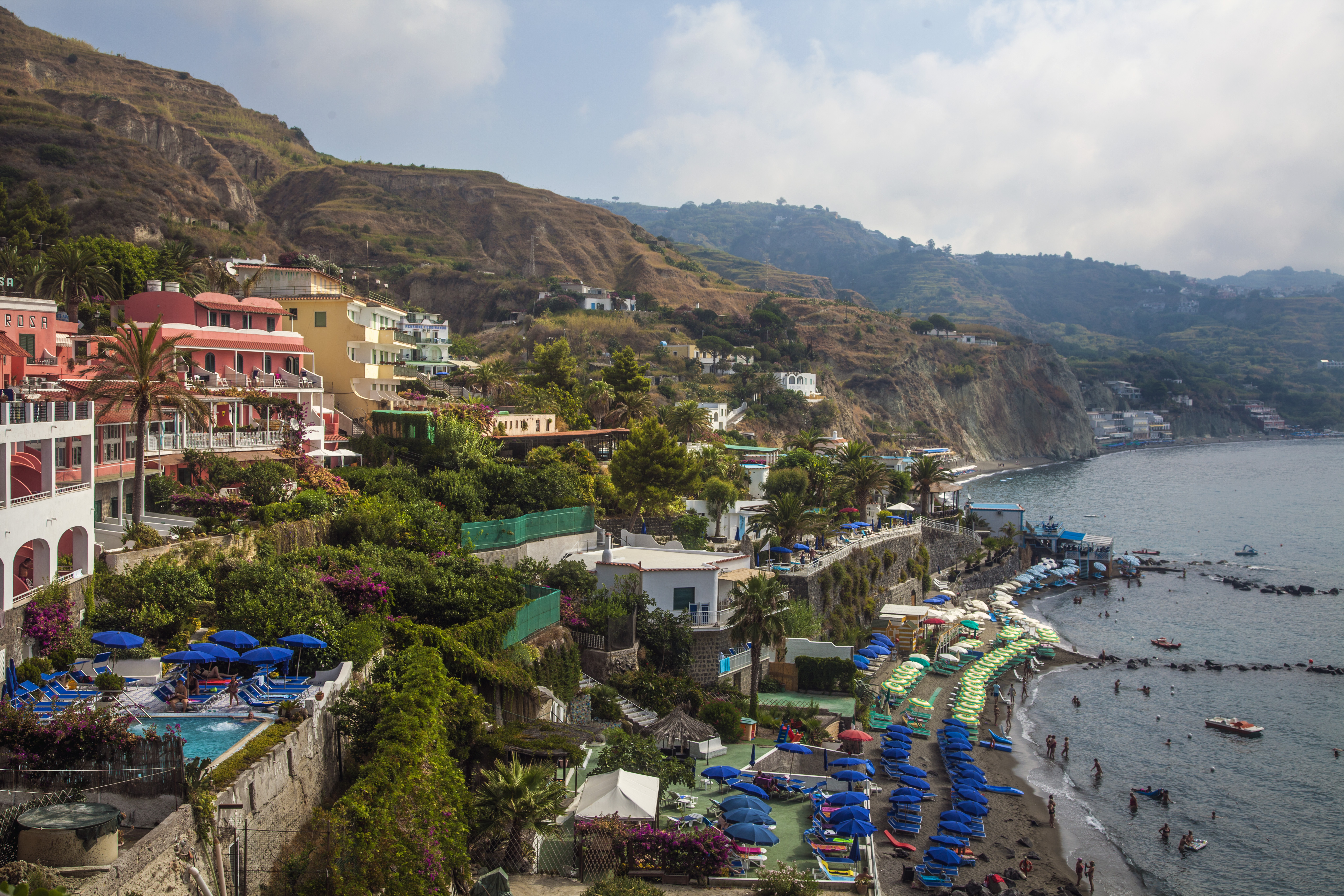
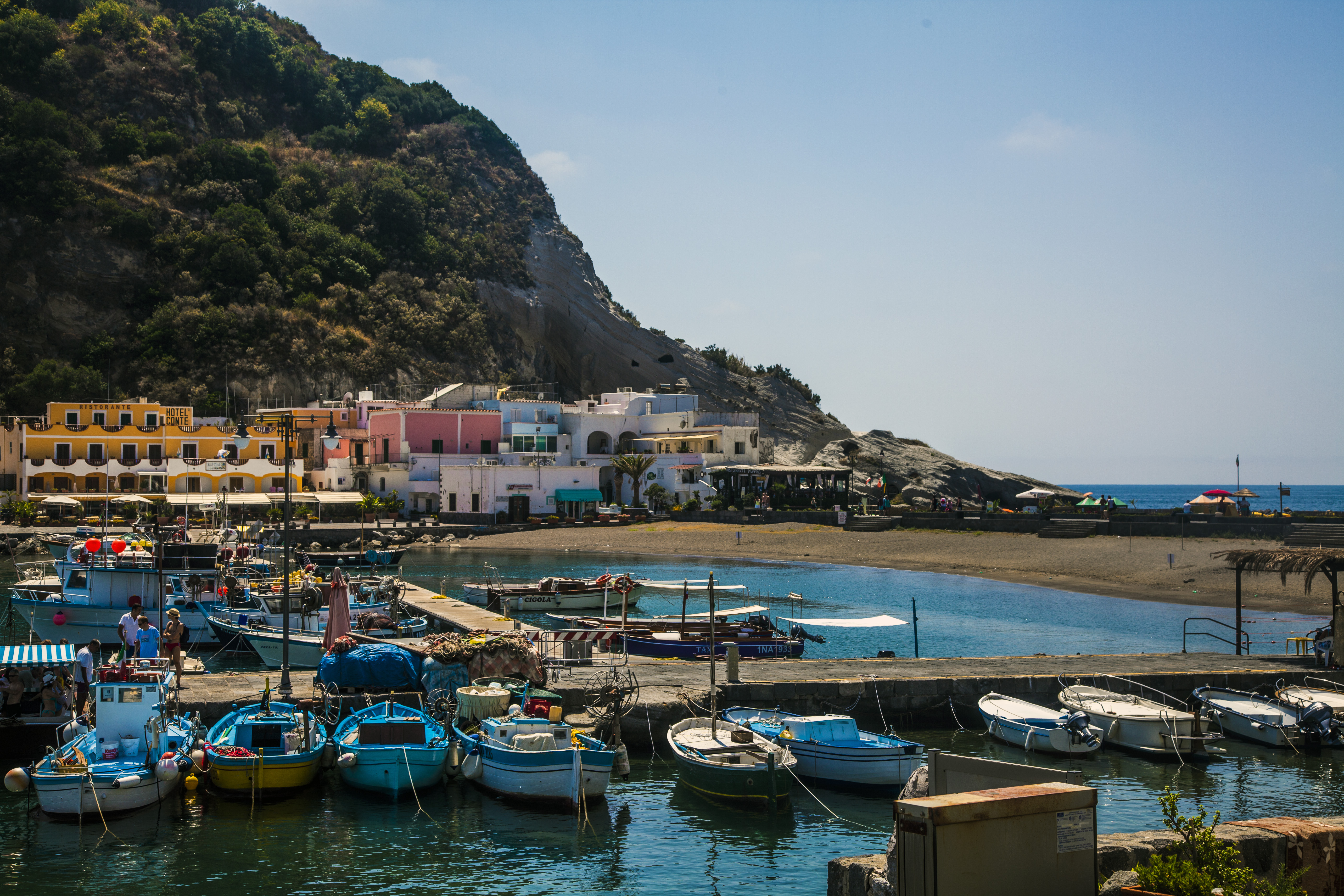
On our first day in Sant’Angelo we took a look around. At first glance our hotel seemed small, labyrinthine and beachless. We stared in disbelief at a small stone slab under our balcony with a couple of sun loungers and pool ladders leading into the sea. Look, we were saying to each other pointing into the distance, that hotel there has got a magnificent sandy beach. Had Booking.com simply duped us like that? It hadn’t, as it turned out. A huge spa area, covering the entire hillside, with a variety of pools – with thermal water, sea water and fresh water, hot and cold – and also part of the same beach which we had been drooling over – were all part of our hotel complex. Then we faced another problem: in order to reach it, we had to walk quite a long way up and down the stairs and paths under the baking sun. Looking ahead, I can say that in the following days this road did not seem as painfully long, as for me personally, I sometimes swam all the way from the stone slab to the sandy beach instead of walking there (about five hundred metres across the sea).

Sant'Angelo, Ischia

Sant'Angelo, Ischia

Sant'Angelo, Ischia

The Tyrrhenian Sea is clear, blue, moderately salty (not as salty as the Adriatic), the only problem is going in and coming out: the sand here is quite different from the dense and compacted one we have at the Caspian Sea, on which one can walk without falling through, the local sand actually looks more like tiny pebbles.

Sant'Angelo, Ischia

Sant'Angelo, Ischia

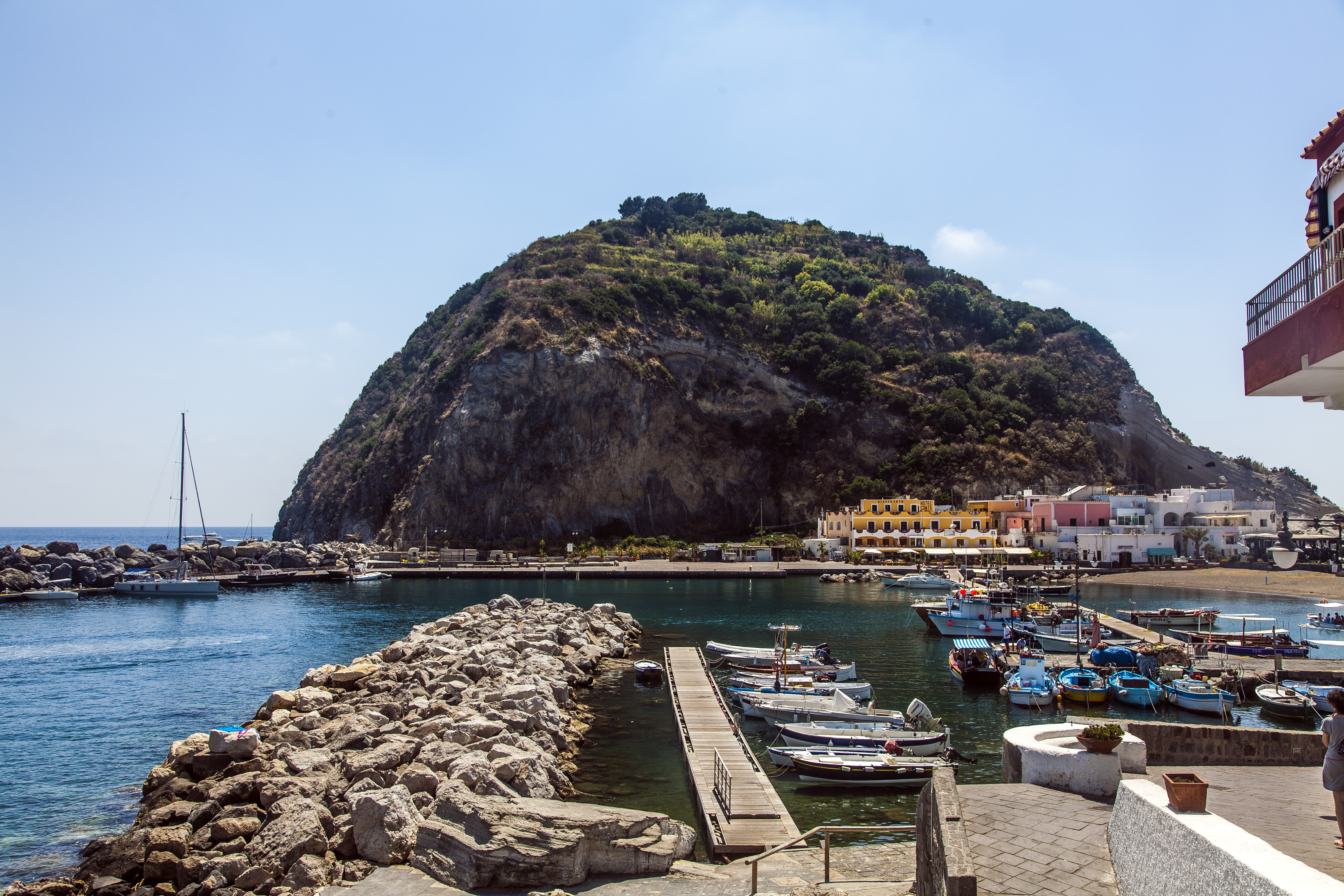
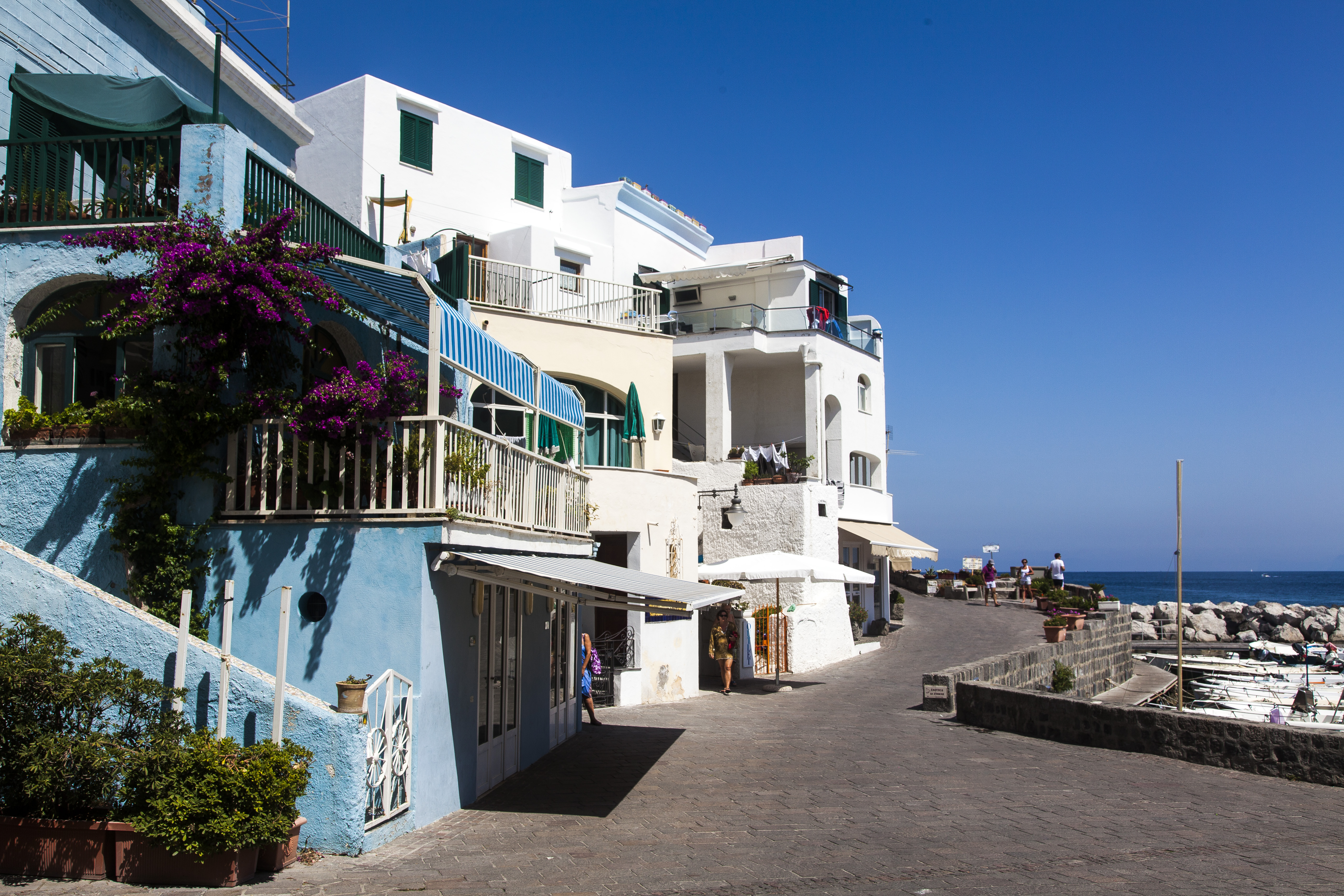
So what can I say about Sant’Angelo? It is a village, situated in the south of the island and is connected by a thin isthmus with a small peninsula, which is basically a lava formation. In the very heart of the village there is a pedestrian zone comprised of a square and a few adjacent streets, dotted with restaurants and shops. The shops look tempting at first glance, with closer examination, though, it turns out that a lot of them sell very cheap trash or the same kind of trash, but at exorbitant prices.

Sant'Angelo, Ischia

Sant'Angelo, Ischia

The food here is quite good, but rather unvaried: seafood, pizza and pasta. Interestingly, there are virtually no soups. The atmosphere in this area is very Italian with music playing, people dancing, children screaming, their mothers yelling at them, someone fishing and small mongrels barking furiously. Somehow the children are mostly girls: it’s either that a century of peace awaits Ischia, or for some reason boys are kept at home.

Sant'Angelo, Ischia

The vacationers here are mostly Italians themselves, there are also a lot of Russians, some Germans, French and British, and that’s pretty much it. There are no Chinese or Japanese tourists, which is surprising – I think you’d agree that places without crowds of either, cause some suspicion.

Sant'Angelo, Ischia

Sant'Angelo, Ischia

Here our observation of the locals’ laziness got developed and validated. To begin with, the vacationers swim surprisingly little – if you see someone swimming in the sea, most certainly they’ll turn out to be French, or Russian, or those writing these lines. Italians prefer to float lazily on mattresses, or not to go down to the sea altogether, lying around the pool instead. As for the staff, it is astonishing that any simple request grows into a big problem requiring a vigorous discussion between a few people.

For instance, on our very first day, as we usually do arriving to a new place, we tried to book tours and excursions, naively believing that this should be an easy and usual practice for the hotel. We came to the reception, and the girl working there readily laid out several maps and brochures, noting the places which she would recommend to visit, and considered her mission completed. We let her know that we weren’t going to call any tourist organisations or taxi services ourselves and clearly hinted that we expected these services from the hotel, in accordance with the notices on the walls. The girl was surprised and puzzled, and called a colleague to help. He pulled out a few more maps and brochures, and, in his turn, showed the places, which, in his opinion, would be interesting for us to visit. We stood our own and tried to persuade them into organising something for us. Finally, he remembered with relief, that they had a Russian lady named Larissa working for them, and she would come in the evening and help us.

Unlike the Italians, Larissa took up the matter enthusiastically. She told us that only the day before she sailed to the Amalfi coast on a private yacht with a Russian couple for 1,500 euro. We asked her to take us at least on a tour around Ischia – and a cheaper one preferably! – and agreed for the next day. Larissa had been living in Italy for the past seventeen years, so had perfectly mastered the talkativeness of the locals. However, these talks ended with zilch: she didn’t manage to get the day off.
Then we went back to the reception and importuned the girl until she finally called us a taxi. This is how we literally wrung out of them a trip to Forio and Ravino Gardens. Gino, the driver, turned out to be a nice fellow, who couldn’t speak a word of English, though – however, he knew a couple of phrases in German and for some reason was using them every now and then communicating with us. Here it’s worth pointing out another feature of the Italians – they are normally nice and willing to help, unless they are playing the big boss. So Gino voluntarily offered to take us not only to Ravino Gardens and Forio, but also to drive us around the whole island, for just a little extra payment.

The Ravino Gardens are basically a small botanical garden dedicated to cacti and succulents only, which are more numerous and diverse than in the famous glasshouses of Kew Gardens in London. The specialty of these gardens is their own very tasty cactus cocktail.

Ravino Gardens, Ischia

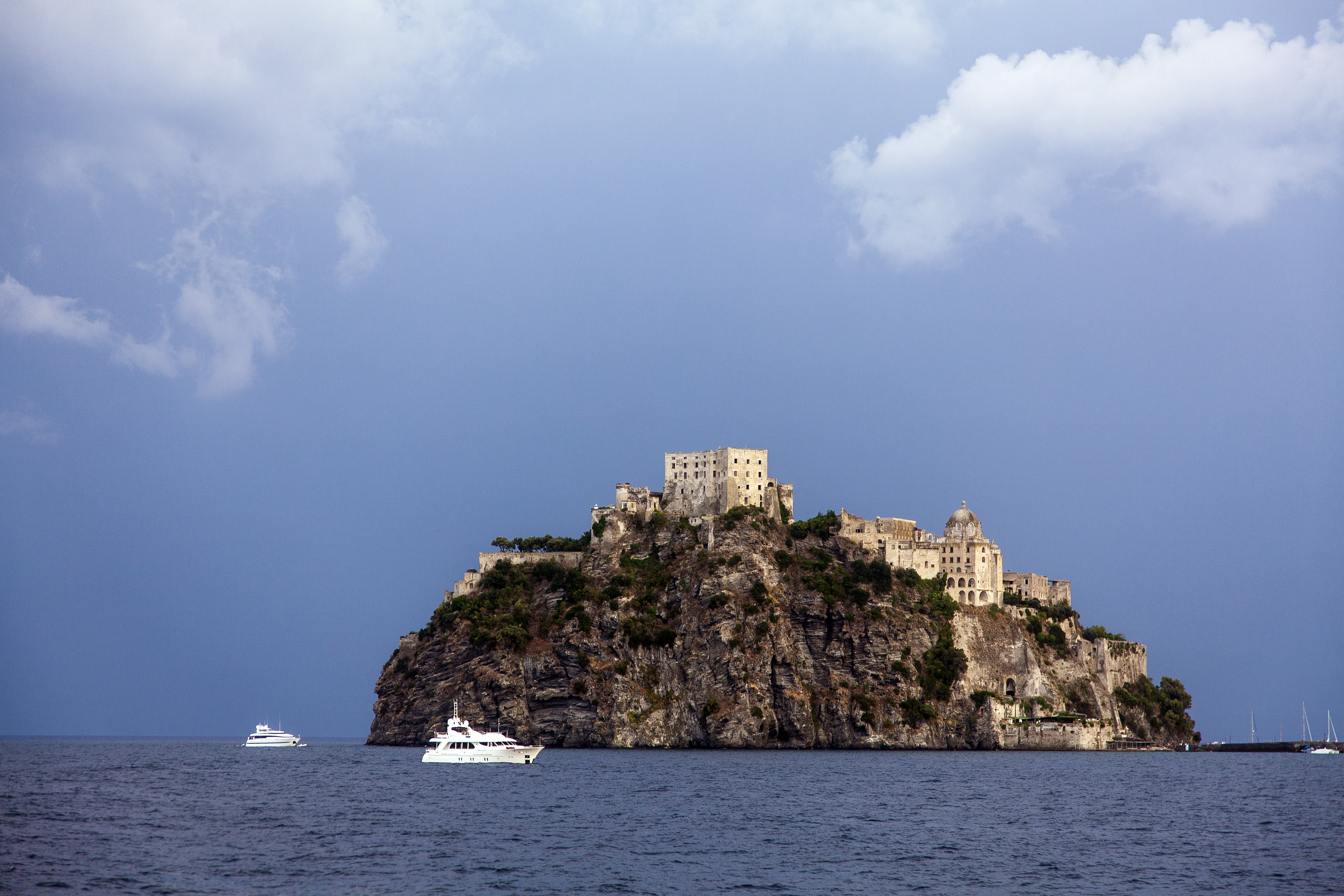
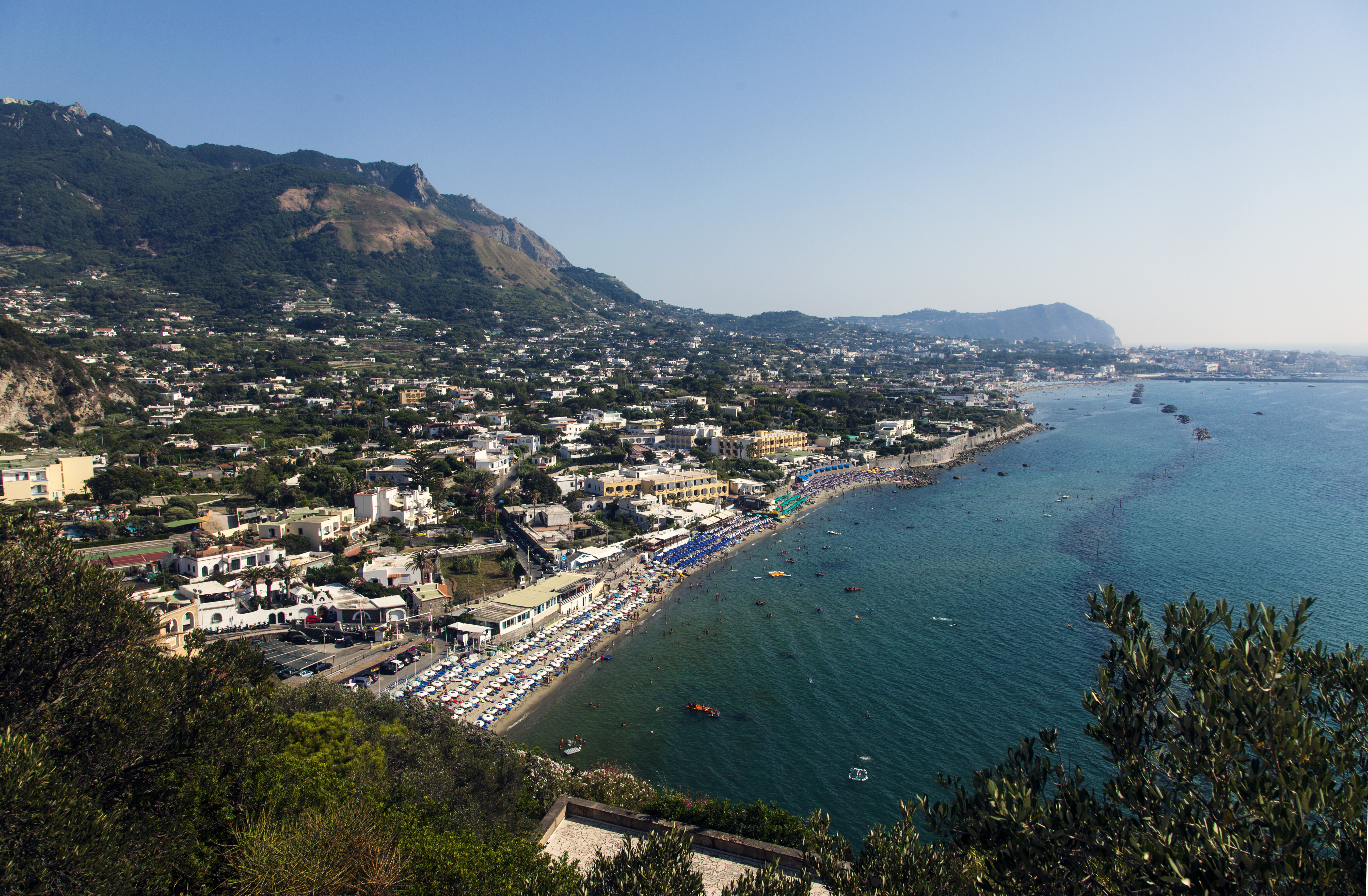
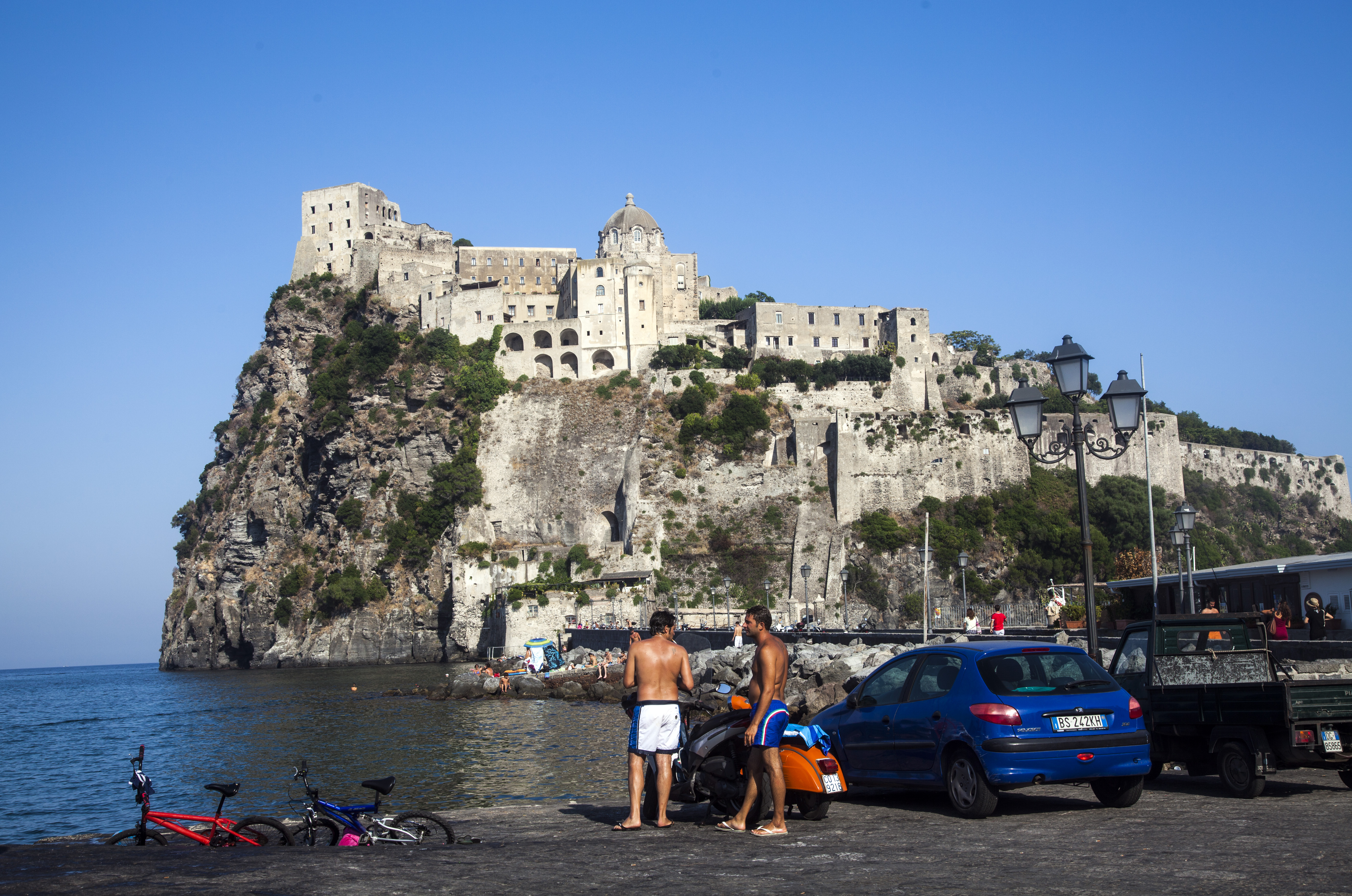
Driving us around the island, Gino still somehow managed to give us explanations in his Italian-German and diligently stopped in the most beautiful panoramic places for us to take pictures. So we pretty much saw almost all of the towns of Ischia: Forio, Lacco Ameno, Casamicciola, Ischia Porto (where we took a look from afar at the Aragonese Castle, a local landmark on the top of a cliff), Barano.

Forio, Ischia

Lacco Ameno, Ischia

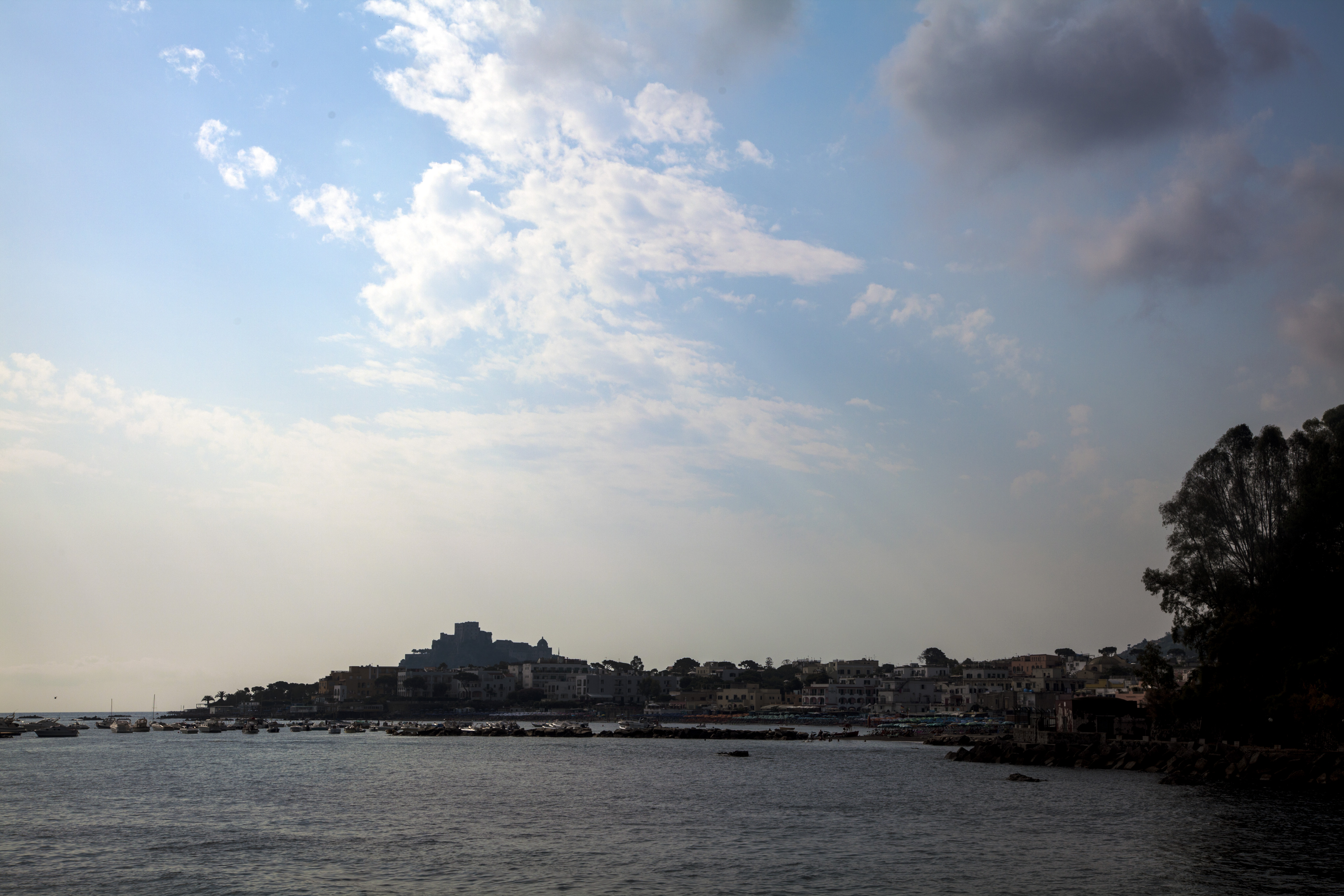
Ischia Porto

Ischia Porto - Castello Aragonese

Ischia Porto

Ischia Porto

Posted in Europe, Italy, Rome

Adventures of the Azeris in Italy – day 3

РУССКОЯЗЫЧНАЯ ВЕРСИЯ ПО ЭТОЙ ССЫЛКЕ. CLICK HERE FOR RUSSIAN VERSION.

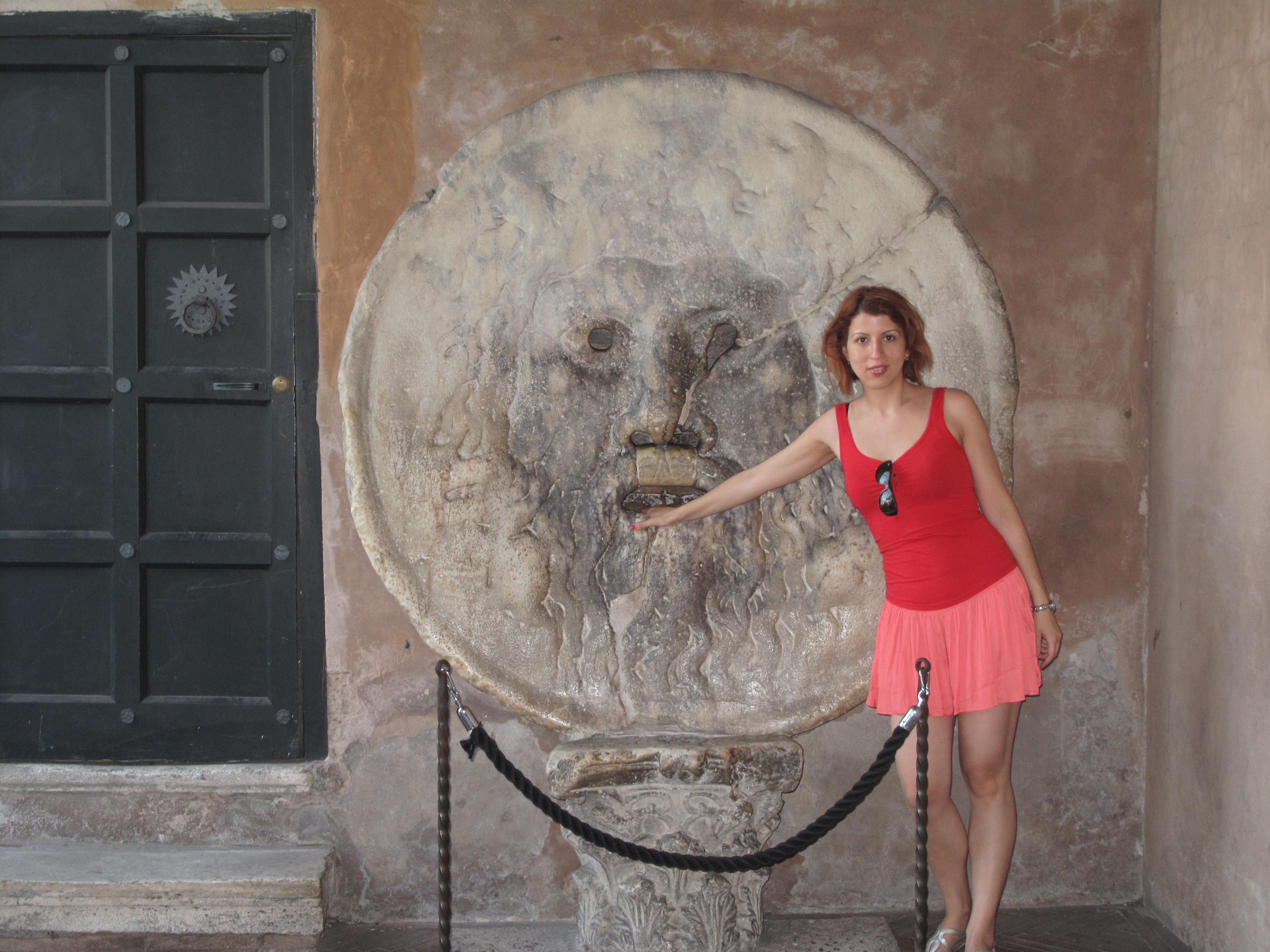
We still had a half more day in Rome. Our company had to split as part of it vigorously decided to go shopping. The other part, including me as well, didn’t mind shopping either, but somehow felt the urgent need to verify our own honesty by putting our hands into the Mouth of Truth. Here we were particularly lucky: a whole cavalcade of Japanese tourists arrived in several buses exactly AFTER us and formed a hopelessly long queue, while we reached the Bocca della Verità pretty quickly. It was only allowed to take one picture per person. Having confirmed that our hands remained intact, we left this place without visiting the church of Santa Maria in Cosmedin – we weren’t really up for it. We tried to find a taxi to catch up with our shopping companions, but there was none anywhere in sight, so we willy-nilly had to go back to the tour bus stop and spend ages (at least, 25 minutes or so!) waiting for the bus under the scorching sun.

The Mouth of Truth

Between this stop and the one leading to Via Corso with lots of shops, there was a trap awaiting us: the Vatican with its non-visited Sistine Chapel. We looked at each other: “Shall we get off here?” – “Yeah, let’s get off. As for the shopping, the hell with it!”

At the Vatican we were delighted by the virtual absence of a queue. Little did we know then, and only later we could appreciate the full extent of our mistake – this time people were entering the Basilica the proper way: through the Museum and the Sistine Chapel, which is completely the opposite side.

And then we met either a fairy godmother or a snake temptress who was persistently inviting us to join a private tour to the Museum, which would allow us to skip the queue, as there was no way to get into the Chapel other than via the Museum. But the tour was to take at least two hours of pure time (i.e. without all the preparation) and by the time it ended we were already supposed to be on our way to the airport. So we basically decided to waste our money: pay the full price, and then skip not only the queue, but also the Museum itself with this 1000+ chambers.

Our Italian-American guide apparently took after his Italian father in being extremely talkative – he eagerly explained us every single step we would have to make, starting from the purchase of the tickets. For us, however, his every word felt like a sharp knife, as it was stealing our precious time. Somewhere in the middle of his speech he was joined by a compassionate Italian lady, who tediously explained us that there was absolutely no way their company could charge us half price for the tour, even though we were going to skip the Museum. Although we hadn’t even asked for anything like this, we had to nod understandingly.

Eventually, we have our tickets in hand, our guide bids us farewell and starts his tour for the others – and off we rush through the museum chambers, full of sculptures, tapestries, maps, mosaics, etc. We only manage to catch a glimpse of this and that on the run, lingering for literally a second in front of anything particularly eye-catching. Very beautiful indeed, but terribly stuffy and packed with people – by and large we would hardly be able to survive a two-hour tour anyway!

The Vatican Museum


The Vatican Museum

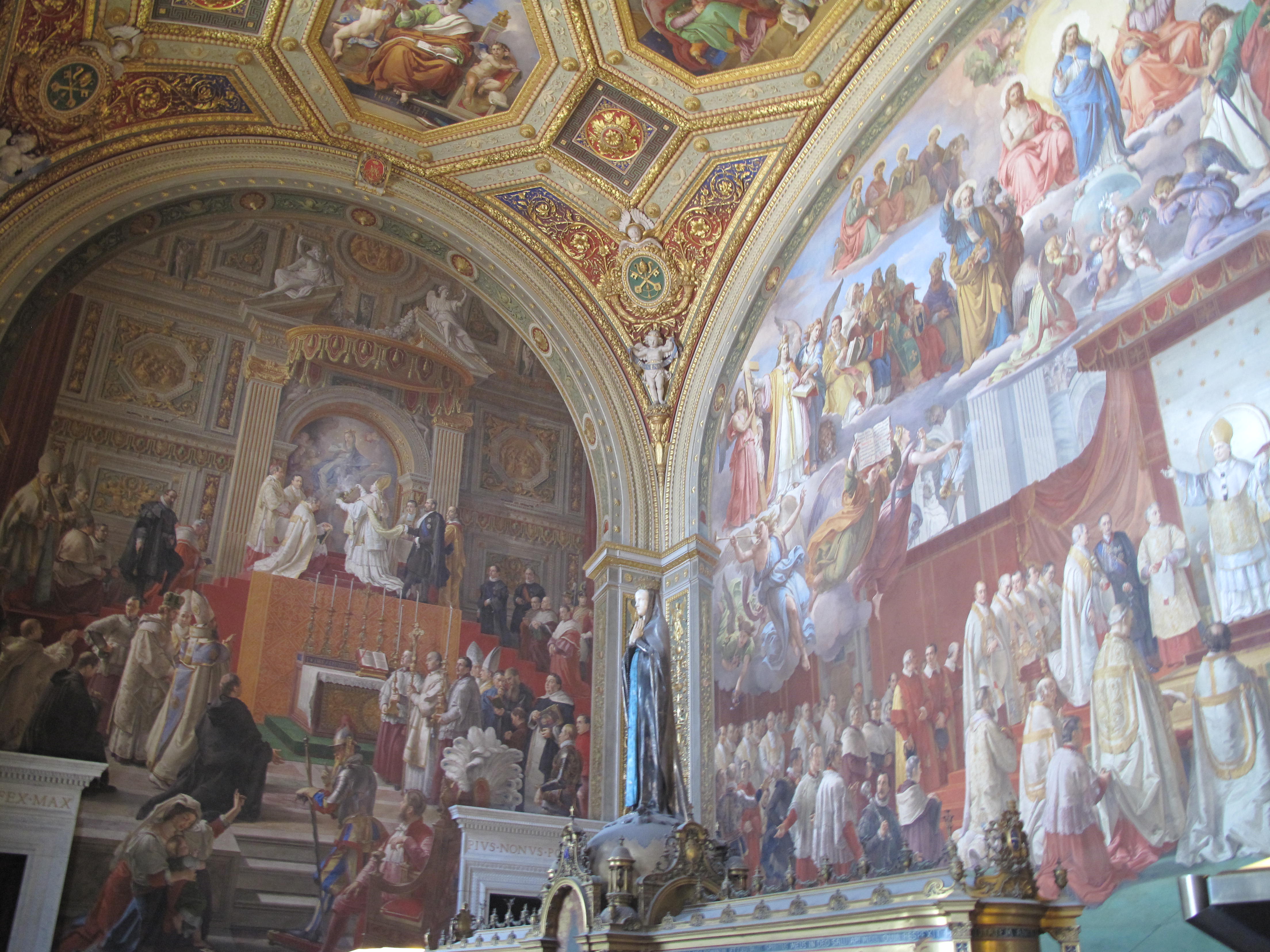
And the Chapel is still quite far, we accelerate and accelerate…  Finally, swathed in shawls once again (it’s also a holy place!) we enter the Chapel. Michelangelo’s paintings on the walls and ceiling are utterly amazing, it is a pity, though, that we can’t appreciate all the details – the unpleasant surprise is that it is so crowded that there isn’t even room to sneeze, therefore no chance to walk around and look. By the way, taking photos in the Chapel is not allowed, but I managed to sneakily take one or two – it is quite blurry, but at least you get the idea.

Sistine Chapel

Still, we anyway felt great satisfaction by the Chapel itself and the fact that we had chosen contemplation thereof over meaningless shopping.

We were lucky to find a taxi right next to St. Peter’s square, and as a result we reached our hotel even before our companions.

Then we headed to the airport where our flight was delayed by about an hour. The transfer in Naples worked perfectly: a minivan took us to the port, where the driver got us tickets for the boat, and on our arrival to Ischia we were picked up by another minivan with a frail elderly driver, who nevertheless famously placed our luggage on the car rooftop.

We had been perceiving Ischia as some kind of a small town – it turned out to be a large island. The minivan drove us for about an hour in the dark until it dropped us at the start of the pedestrian zone of Sant’Angelo, where it took us ten more minutes to drag our suitcases to the hotel.


Posted in Europe, Italy, Rome

Adventures of the Azeris in Italy – day 2

РУССКОЯЗЫЧНАЯ ВЕРСИЯ ПО ЭТОЙ ССЫЛКЕ. CLICK HERE FOR RUSSIAN VERSION.

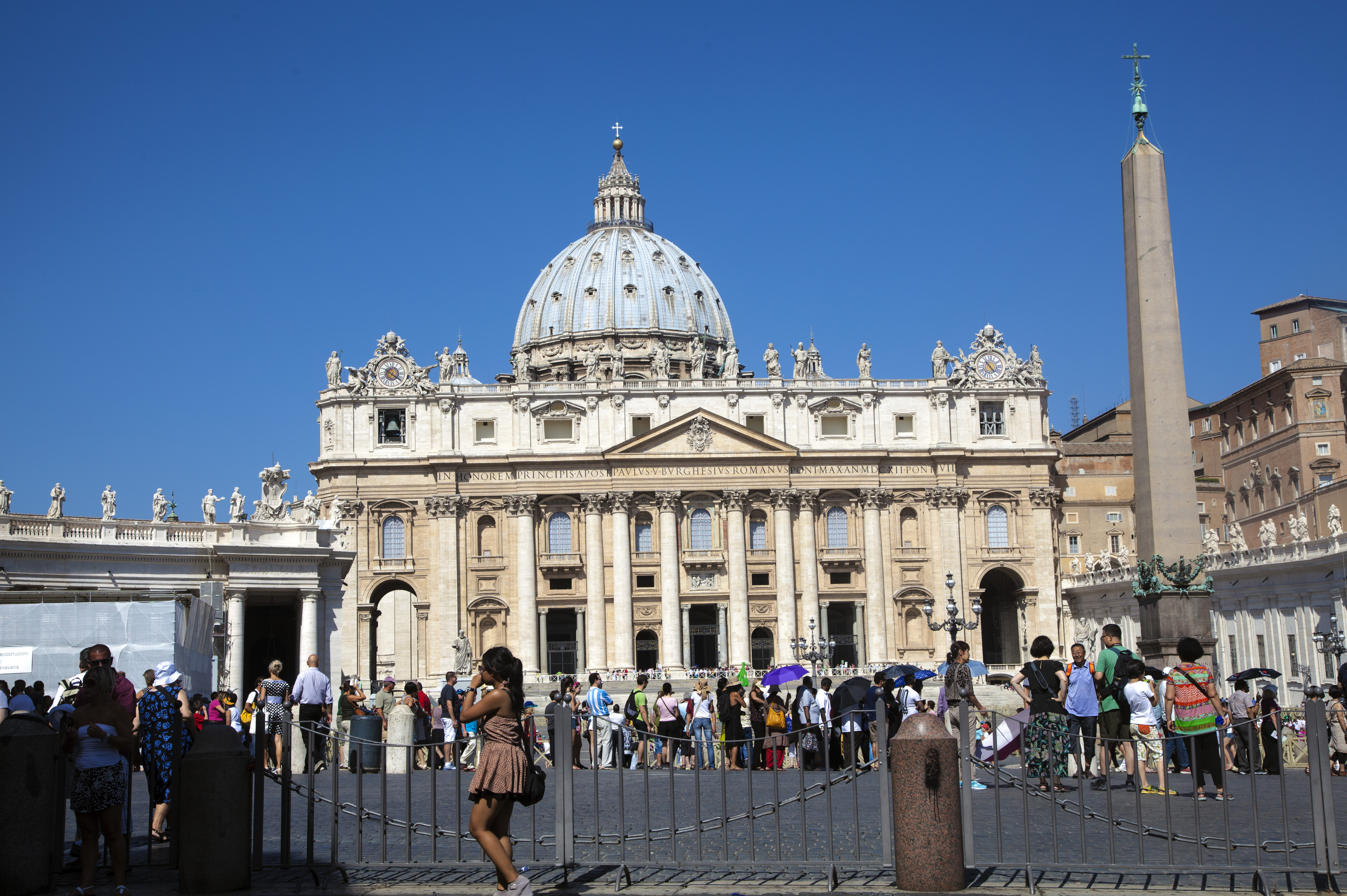
The next morning, on Sunday, we confidently walked down the beaten path to the tour bus which drove us off to the Vatican. The queue, twisting, was encircling the entire St. Peters’ Square and looked so long that our very first idea was to turn back and leave. Then we looked closer: it turned out to be moving very fast, so we joined it.

The Vatican

And then it was as if an angel made us ask two Russian girls standing behind us to take our picture, which they did. But what was the most valuable part of this contact is that they told us that we would not be allowed in the holy place with bare shoulders and knees. It was then that we realised why the Square and the whole nearby area was swarming with vendors selling ugly cheap shawls, and we bought a couple.

The forty-minute queue resulted in us finally getting into the St. Peter’s Basilica. This is not the place, talking about which one would want to ironise. It is beautiful with its majestic dome, magnificent paintings and the sound of organ (it was exactly the time of the Sunday Mass). We were walking around, staring and admiring, but our eyes, nevertheless, were looking for the entrance to the Sistine Chapel – was it here at all? Finally we asked someone and it turned out that it was closed on Sunday (right, one should have thought about that!)

Instead of the Chapel we were led to a grotto, where many popes are buried. I would say this was the least interesting part of our visit to the Vatican. On the way out, as an act of kindness, we gave the shawls to some other unfortunate barelegged and bareshouldered girls, who faced an unpleasant surprise after waiting in the queue: the guards were inexorable and wouldn’t let them in.

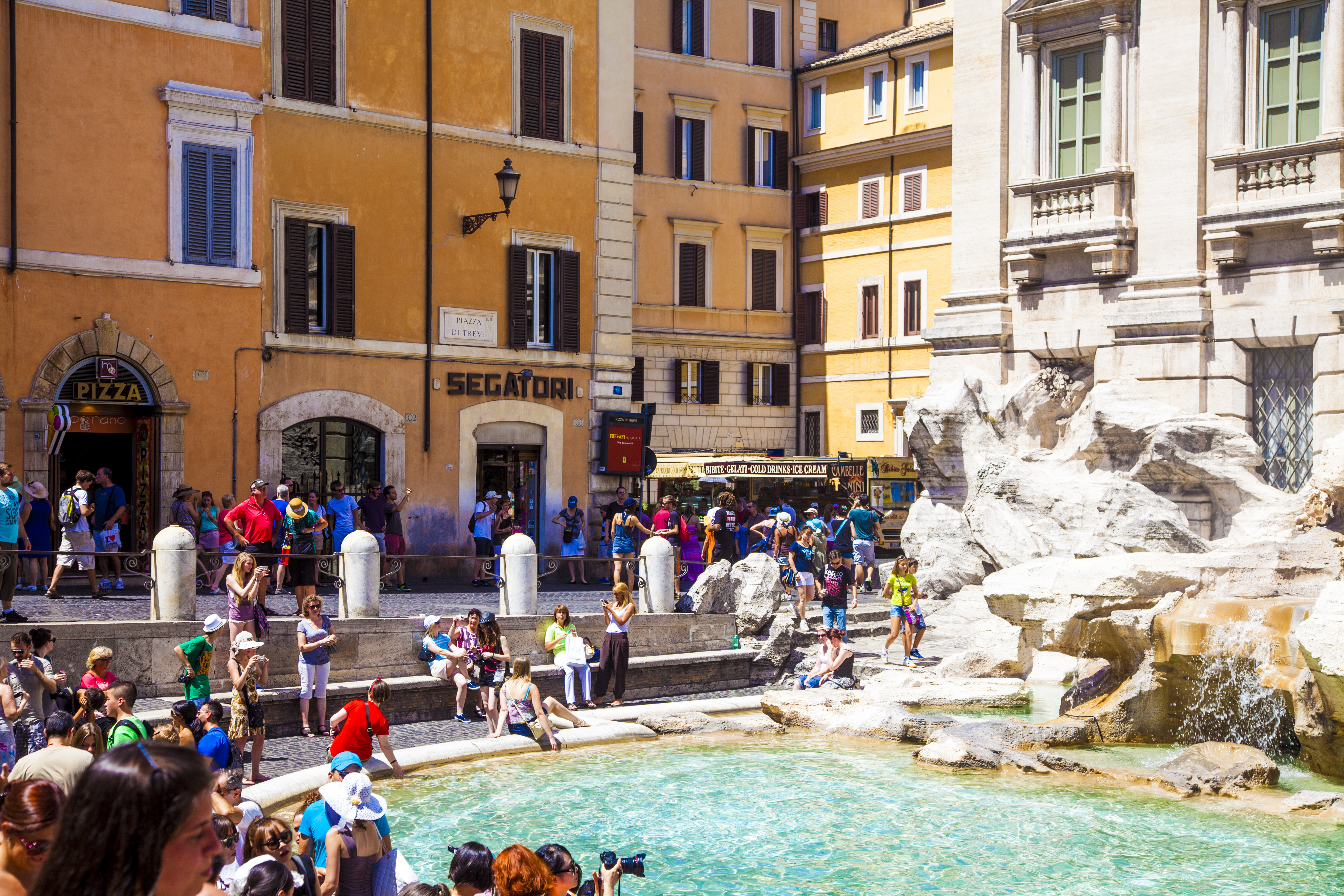
The bus took us further, following the same route at yesterday, but didn’t bring us anywhere close to the Trevi Fountain, which we were planning to visit – again because it was Sunday – but left us in what seemed a bit of a remote area not far from Villa Borghese. It looked like the only solution was to take the taxi loitering nearby. But the driver turned out to be a decent chap (or maybe simply too lazy to move), so he told us that it would literally take us a couple of minutes walking down the street to reach the fountain. Well, let’s say, he exaggerated a little, but in any case the steep narrow road took us where we were intending to get. We diligently pushed our way to the fountain, threw some coins and made wishes.

Fontana di Trevi

Fontana di Trevi

Rome

Rome

Rome

Rome

Rome

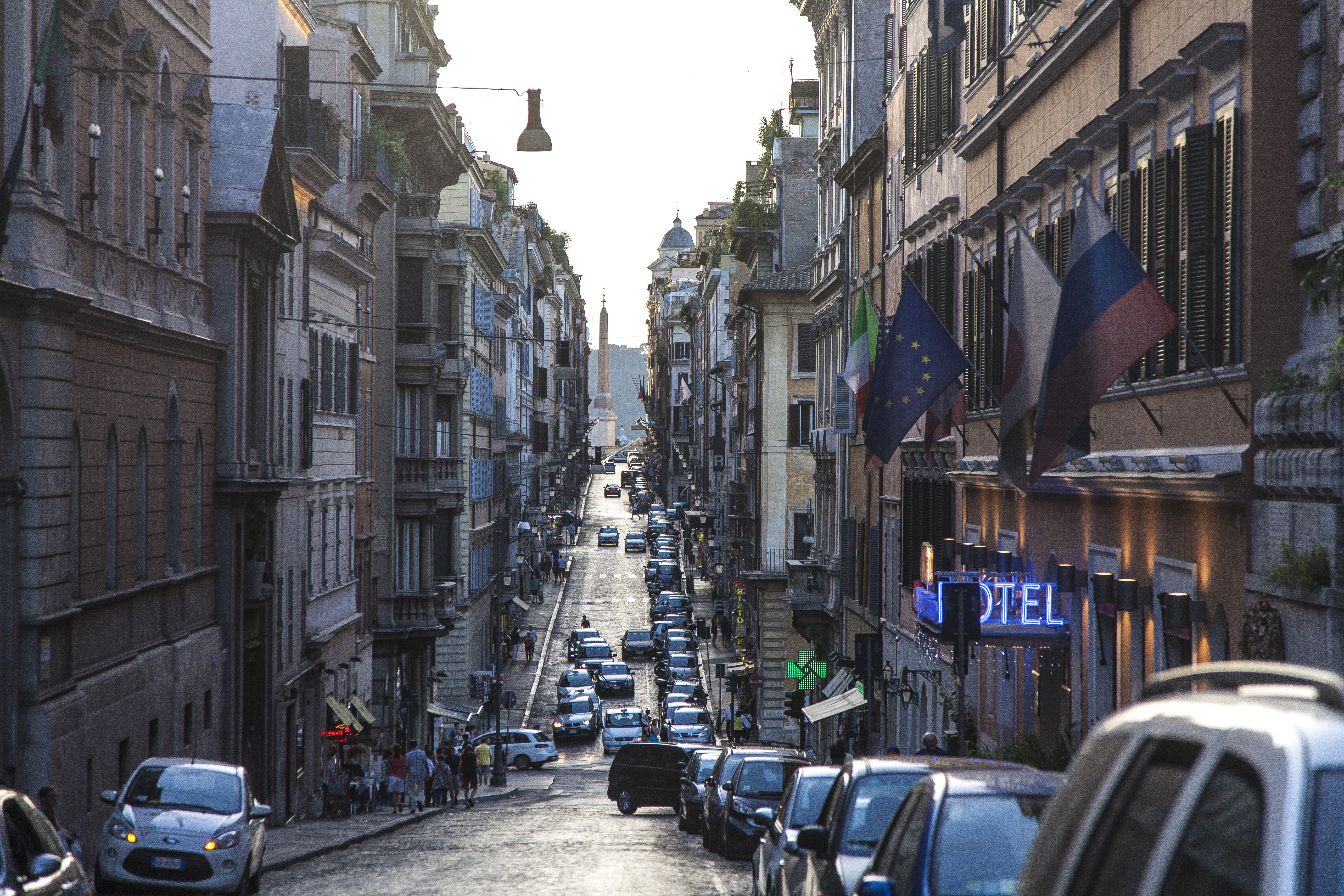
On our way back I started feeling unwell because of the heat, so had to go back to the hotel, where I just lay on my bed, like a beached seal, for a good two hours, although duty was calling me to continue sightseeing. The next item in line was the Mouth of Truth, where Audrey Hepburn and Gregory Peck’s characters put their hands in the unforgettable “Roman Holiday”. Unfortunately, when I got better and checked  the Internet, I realised that it had relatively short working hours and was closing at that very moment! In that case we decided to follow the example of the “Dolce Vita” characters and head to Via Veneto. The guide in our bus had promised we would spot celebrities and paparazzi hunting for them, we saw neither though.

Colosseum by Night

Posted in Europe, Italy, Rome

Adventures of the Azeris in Italy – day 1

РУССКОЯЗЫЧНАЯ ВЕРСИЯ ПО ЭТОЙ ССЫЛКЕ. CLICK HERE FOR RUSSIAN VERSION.

The Italian embassy can essentially be considered the territory of Italy. Therefore, our Italian adventures started from there. First impressions: disorder and outdatedness, colloquially speaking, looks like a Mickey Mouse organisation (later, our stay in the “Big Italy” only confirmed this impression). Simplest things like online appointments, electronic filling of application forms etc. seem to be unheard of here. Their own regulation, posted on the wall of the embassy, saying ​​that documents must be submitted no later than five working days prior to departure, is totally misinterpreted by the embassy workers, who would not accept the documents any earlier than five days before departure (as one might imagine, this allows virtually no time for any changes or corrections). Those who come to apply for visas know none of this, of course – they arrive decorously, queue and wait… The consul, with the face of a gendarme, appears at 9.30 am and begins to check the documents himself. All those who have naively came in advance are mercilessly sent off, receiving a mark in red ink on their application, with the date they should come and the consul’s signature. Others are kindly accepted, but are picked at for every little thing (like a photo being stapled and not glued, or lack of the zillionth stamp, etc.)

Everyone’s faces carry this I-don’t-feel-like-working-but-definitely-feel-like-acting-all-bossy expression. Quite a lot of the “mainland” Italians look and act exactly the same.

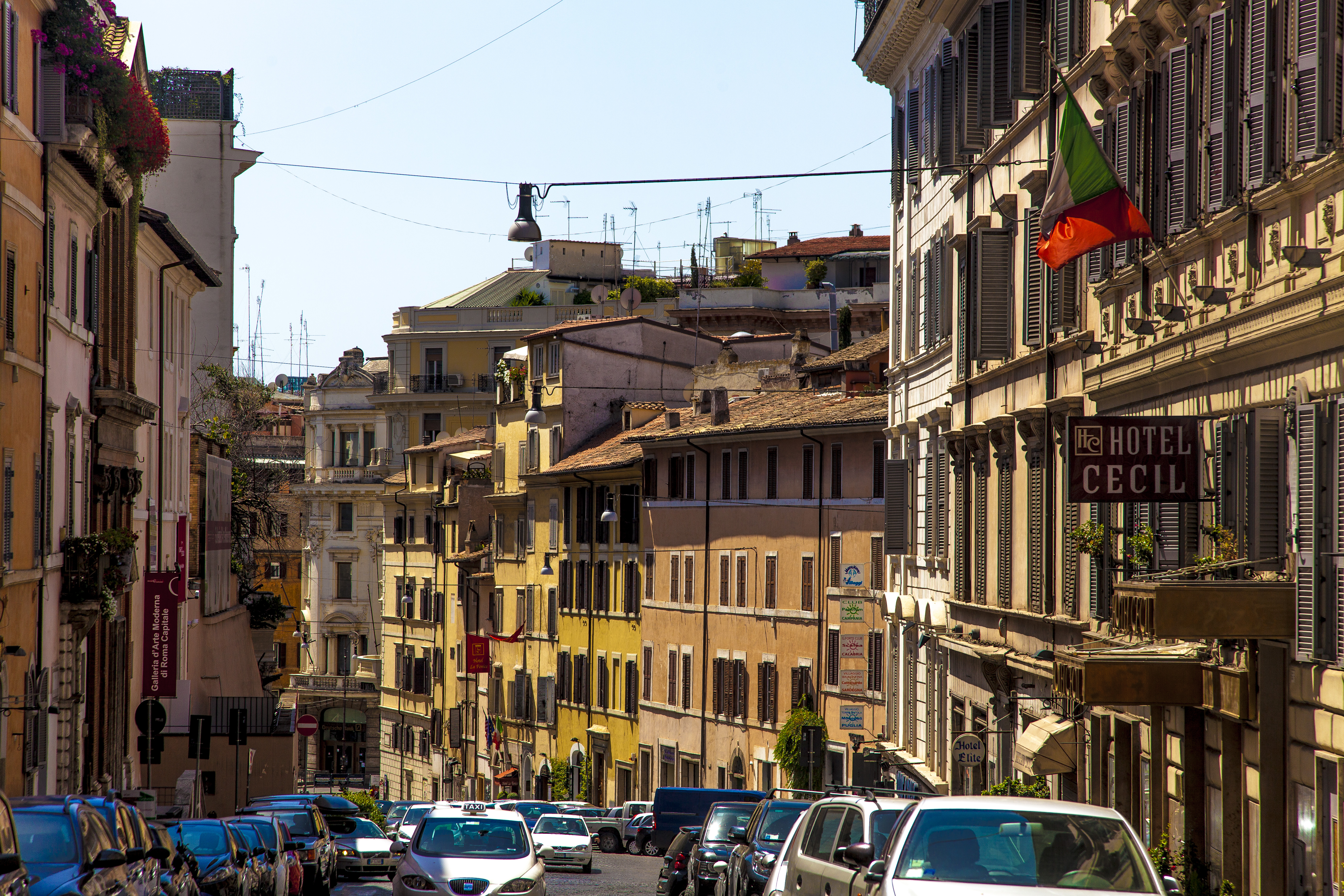
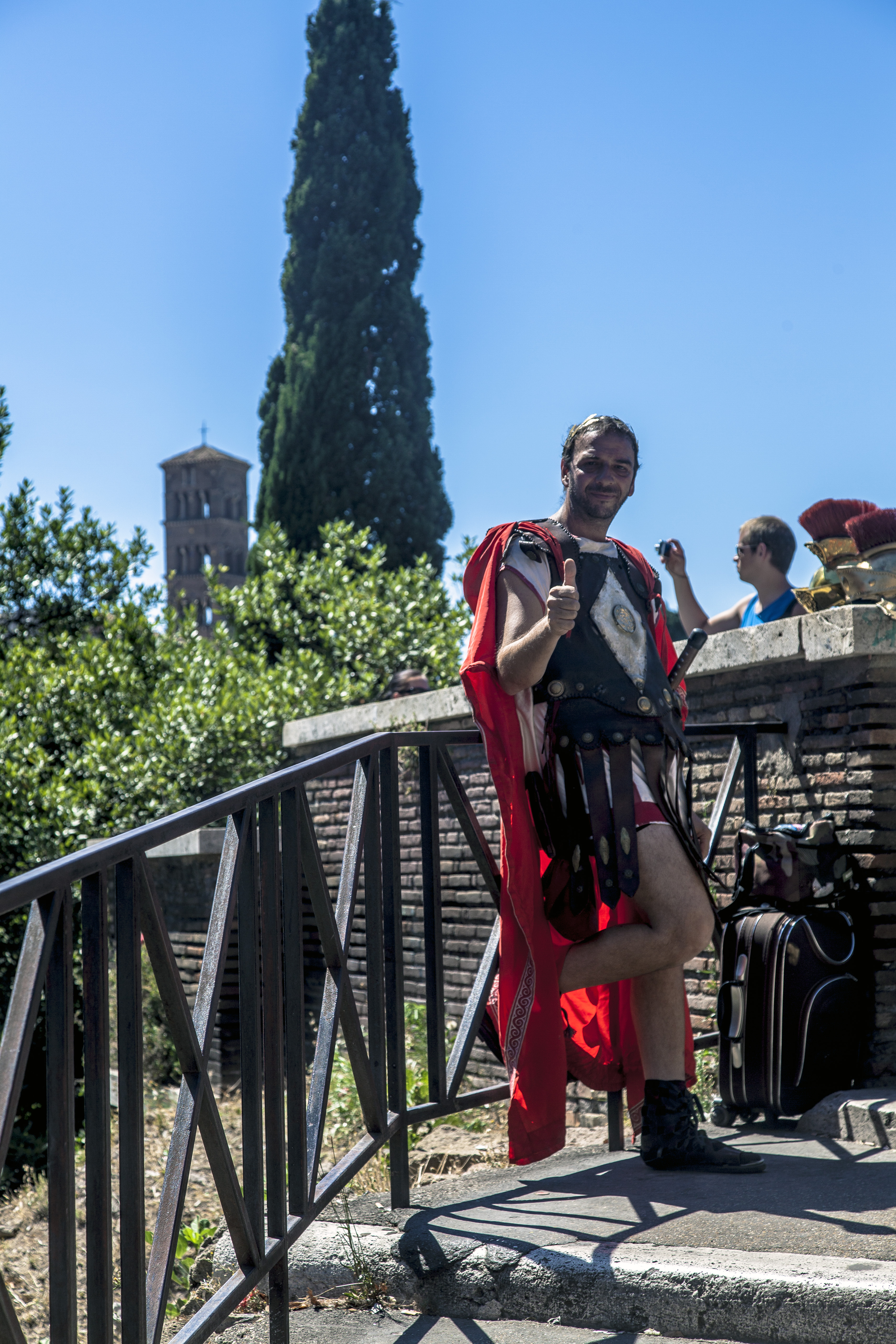
As it had been forecast, Rome greeted us with a 40°C heat, thankfully, a dry and therefore, bearable one. The hotel receptionist was a Russian-speaking lady from Moldova, and she worked well and efficiently. We basically had two days to spend in Rome (one full and two halves), so the most reasonable thing to start with was a city sightseeing tour, and we rushed off to find one. It was a pleasant surprise to see that the Colosseum was just around the corner – right until we remembered that we had booked the hotel with this thought in mind, so it was actually no surprise at all. As we approached the Colosseum, we were literally attacked by sellers of all kinds of stuff like hats, umbrellas, water, as well as “gladiators” and other “ancient Romans,” offering themselves for photos (for money, of course). Unfortunately, all of this merchandising fraternity could express themselves only in Italian and had absolutely no clue where the bus stop was (as we’d been told in our hotel, it was somewhere near the Colosseum). Everyone knows that the Colosseum is a round and a rather large building. We diligently walked all around that whopper – there were no signs in sight and people passing by continued to know nothing about this. Finally, we managed to find the stop ourselves, caught the bus, perched on its upper deck and indulged in the journey through the Eternal City.

Posing "gladiator"

Colosseum

It’s all very beautiful – the sculptures, the ruins, the palaces. Everything is covered with the spirit of antiquity, you feel yourself in a huge museum under the sky. But somehow it didn’t touch the delicate strings of my heart, like, for example, London or Hong Kong.


Via Leonina


Roman ruins


St. Peter's Basilica


River Tiber


IMG_6294

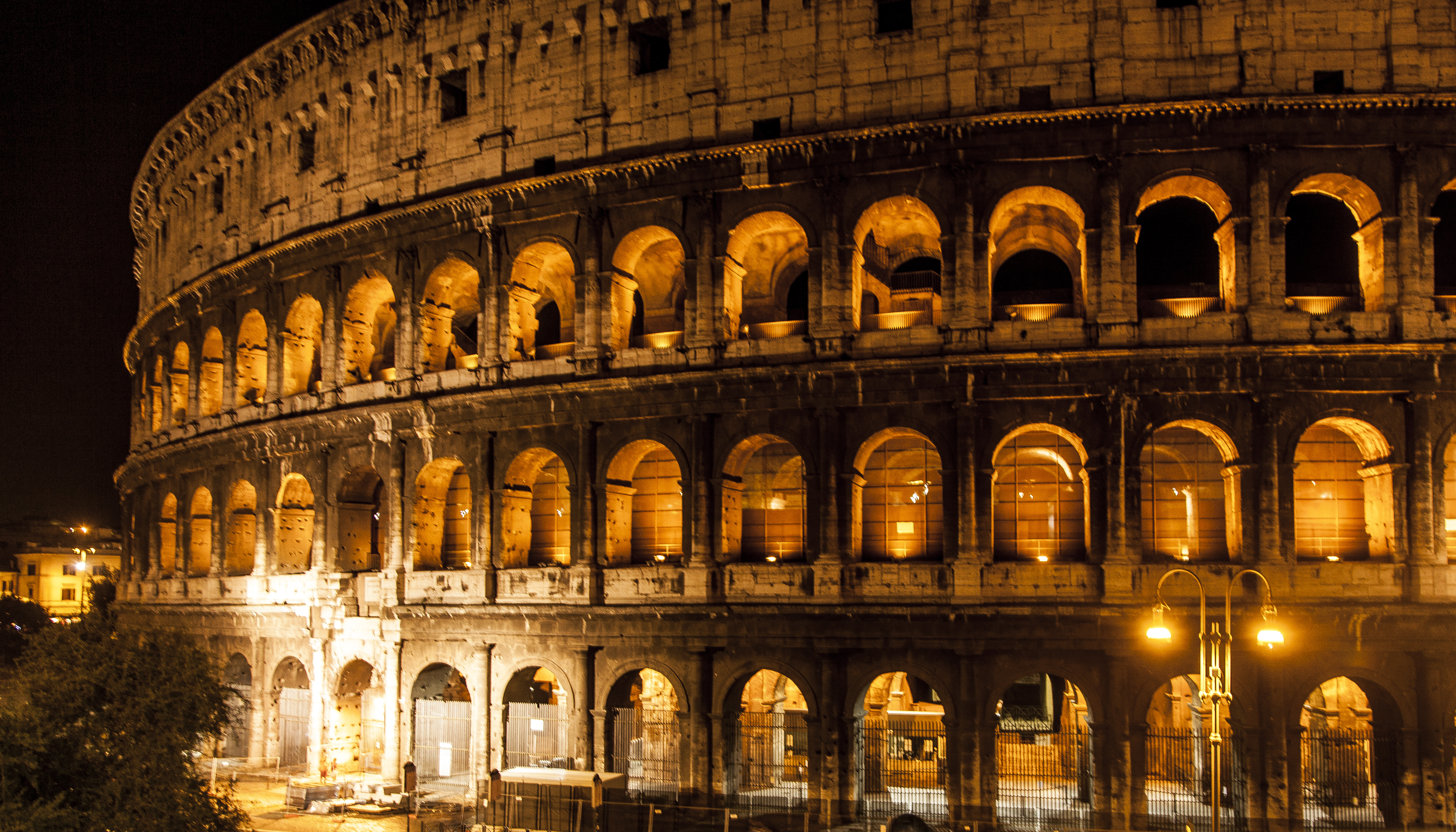
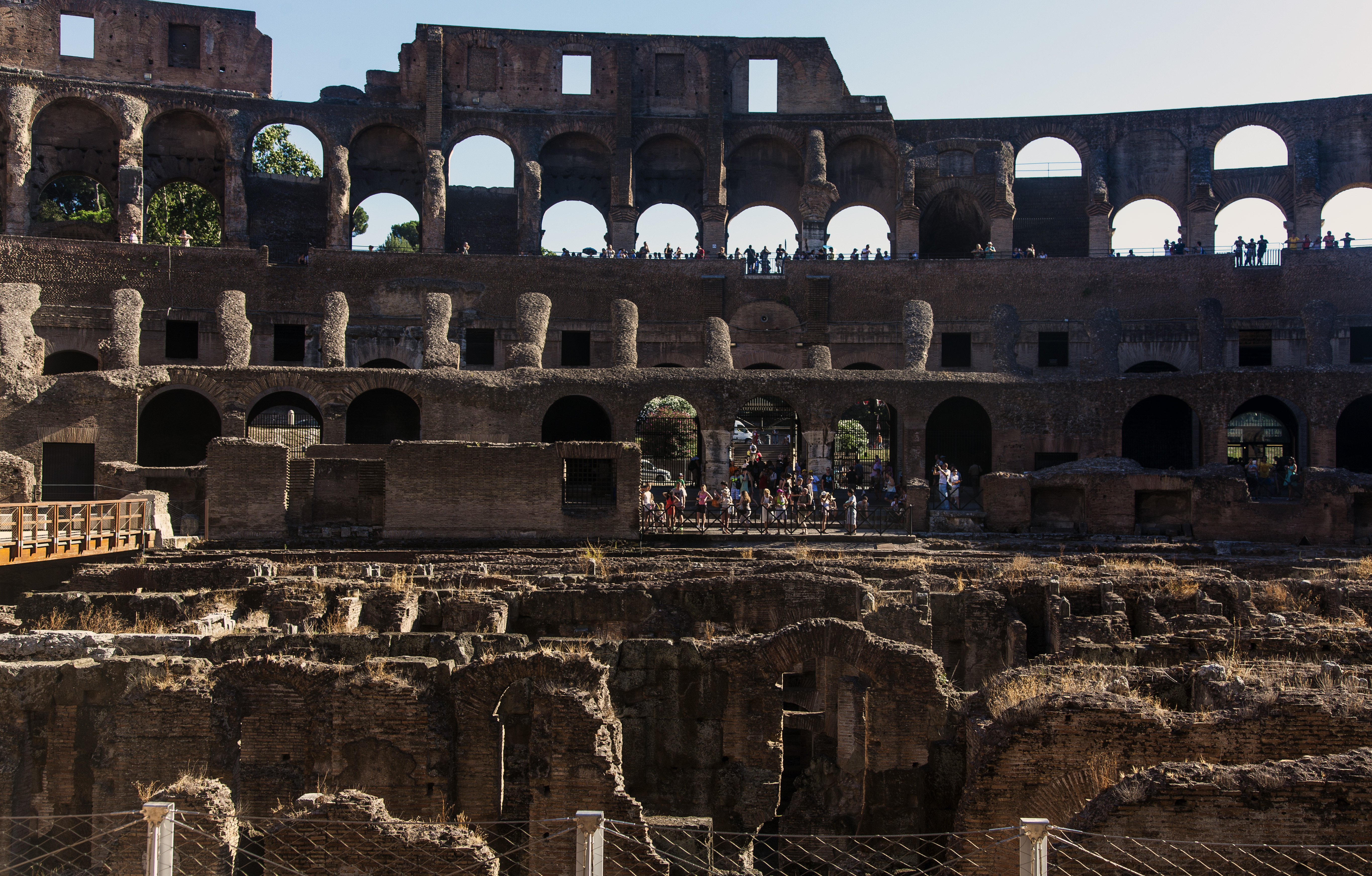
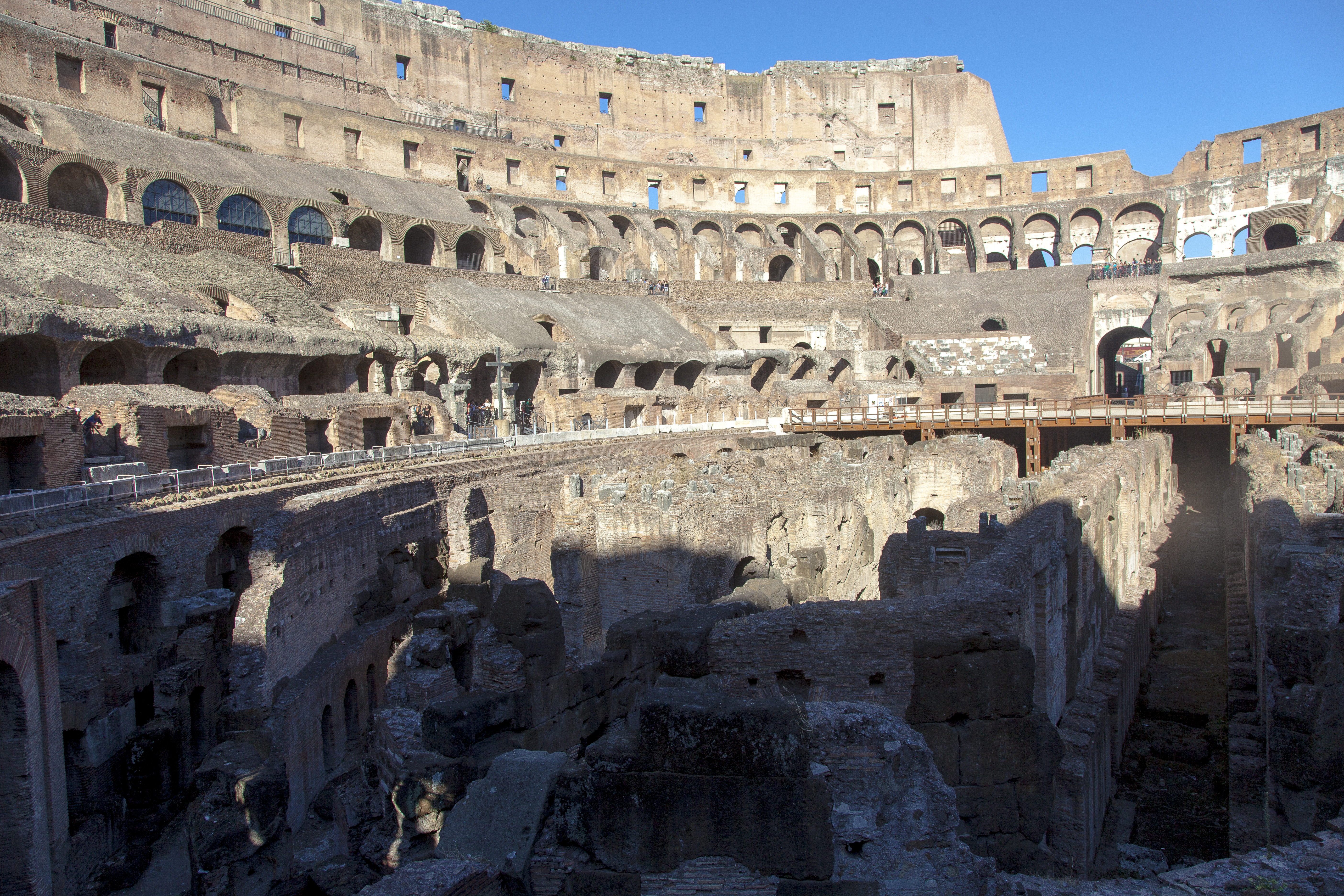
As our tour tickets were valid for 48 hours, we decided to do a full circle without hopping off, and completed the tour with a Colosseum visit. It certainly is a fascinating feeling when you think of these stones being about 2000 years old. There were world wars, and they were standing there; there was Napoleon, and they were standing there; there was the Holy Inquisition, and they were standing there; there was the fall of the Roman Empire, and they were standing there… We climbed to the top and saw part of the arena and the maze beneath it, imagining a defeated gladiator and a crowd of spectators, roaring “Finish him! Finish him!”

Colosseum


Colosseum

Posted in Croatia, Dubrovnik, Europe

Croatia – Days 9 & 10

РУССКОЯЗЫЧНАЯ ВЕРСИЯ ПО ЭТОЙ ССЫЛКЕ. CLICK HERE FOR RUSSIAN VERSION.

1-2 Septebmer 2012 – Saturday/Sunday

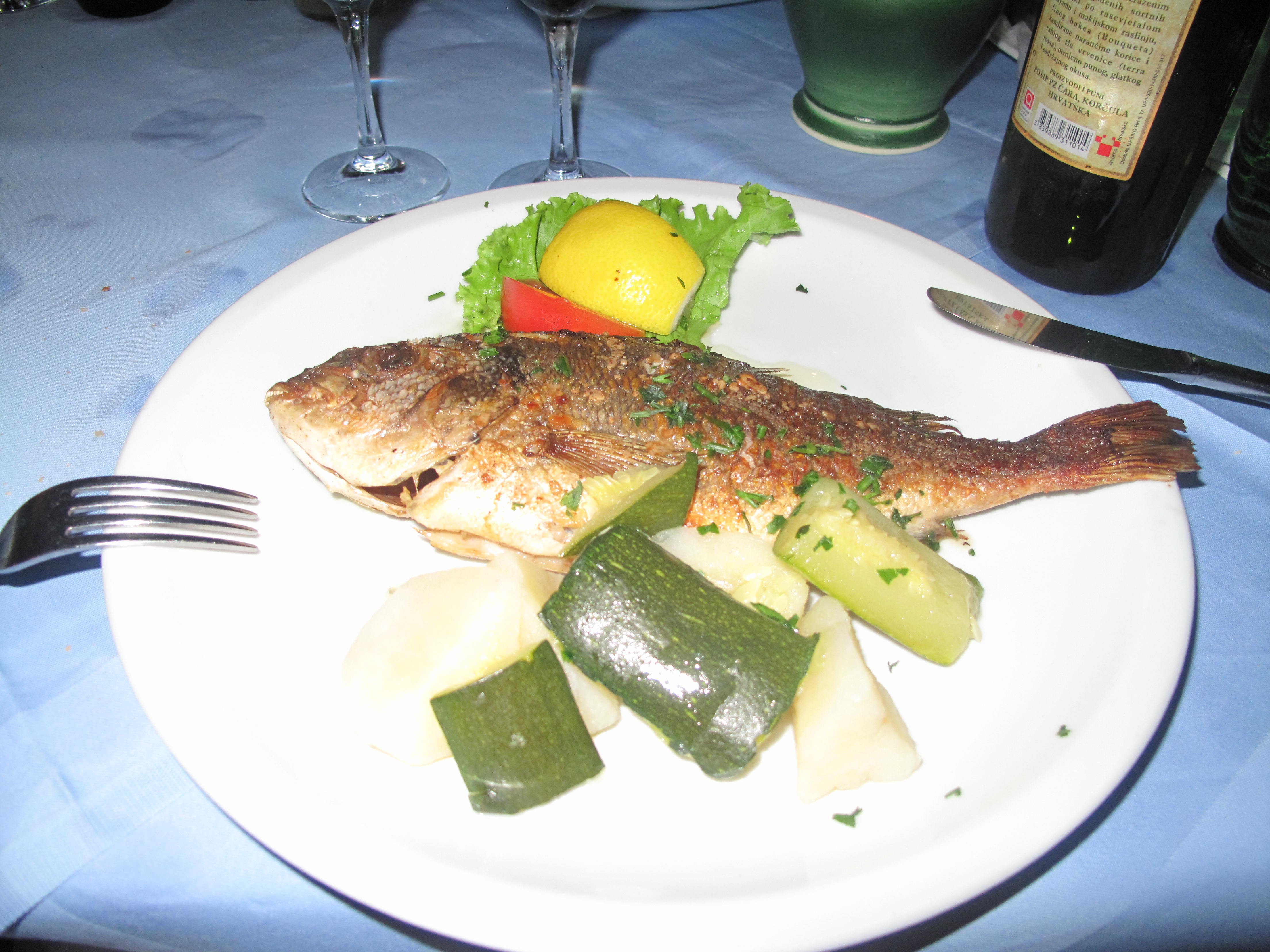
After spending a very lazy Saturday (we had lovely seafood dinner in the evening – oysters, mussels bouzzara and amazing fish!), on Sunday we hit the road once again – for the last time during our stay in Croatia.


The transfer to the Split airport was supposed to be a long one (as attentive readers would remember from the earlier parts, it takes about 4 hours), but the driver took a different paid highway closer to Split, which made our journey a little bit shorter.


As for the driver – that was a really interesting guy, who used to work in the police previously as he himself told us. All the way to the airport he just kept calling somewhere (apparently, the police) and complaining about other drivers violating the rules. We even had to stop at the Bosnian border, as because of our driver they stopped some car with Italian numbers, and he had to witness. The driver of the Italian car was to pay a €1,300 fine, by the way.


Posted in Croatia, Europe, Korčula

Croatia – Day 8

РУССКОЯЗЫЧНАЯ ВЕРСИЯ ПО ЭТОЙ ССЫЛКЕ. CLICK HERE FOR RUSSIAN VERSION.

31 August 2012 – Friday

After the two tours we had had with the “Elite Travel” company, where we were picked up next to the “President” hotel, our impressions about this company and their work were quite good. And looks like we put an “evil eye” on them: our today’s trip to the Korčula island started with a hitch: the bus didn’t arrive. It turned out that the day before we had been forgotten to be included in the list. As a result, we were picked up by a separate minibus and delivered to the port of Gruž, where we eventually found our group and the guide. The guide (also named Ivana) initially seemed to us a bit rude (instead of apologising immediately, she attacked us – saying something like, come on, what’s your problem, you’ve been finally brought here after all!), and most importantly, uninteresting – she was literally falling asleep while making comments in English and German. She seemed more willing to speak German, by the way – generally I noticed a clear preference shown to German tourists here.

Another problem – among the group there was a family with a two-year-old toddler, for whom this long road, quite obviously, was way too long: in the good moments he was spinning like mad, while in the bad ones he was crying and throwing up. So, his presence added neither peace, nor fresh air to other passengers.

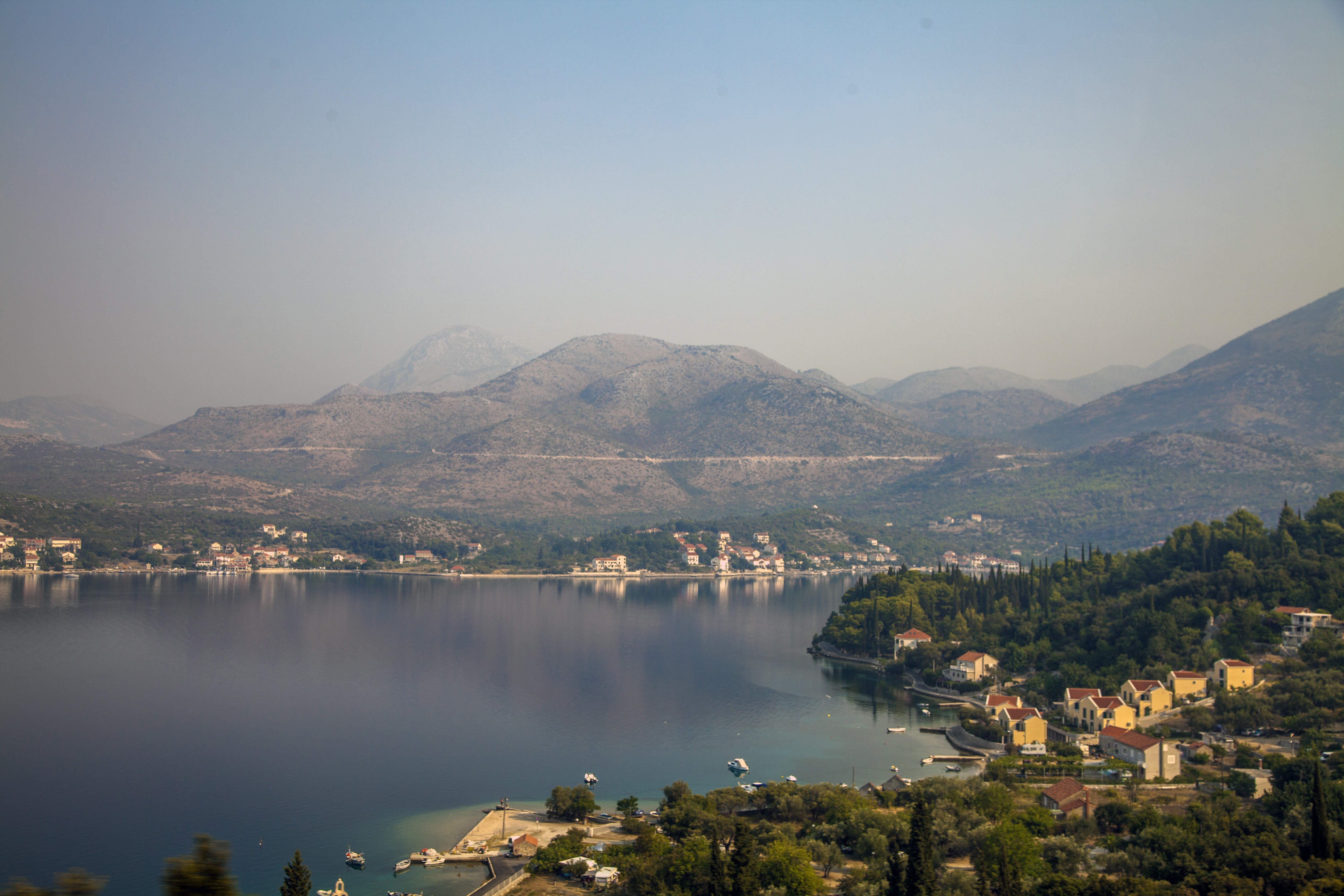
We climbed high into the mountains, again very close to the burning Bosnia. In the town of Slano we picked the last passengers. The location is called Slano (“salty”), because, starting almost from the first settlements, when salt used to be worth its weight in gold, it was mined here. Because of this salt, the Ottoman Empire’s caravan ways passed through these places.

This time the road was totally crazy. In some parts of it even looking down was scary, and at the same time it was hard to tear oneself away from the window – the view was unbelievably beautiful!

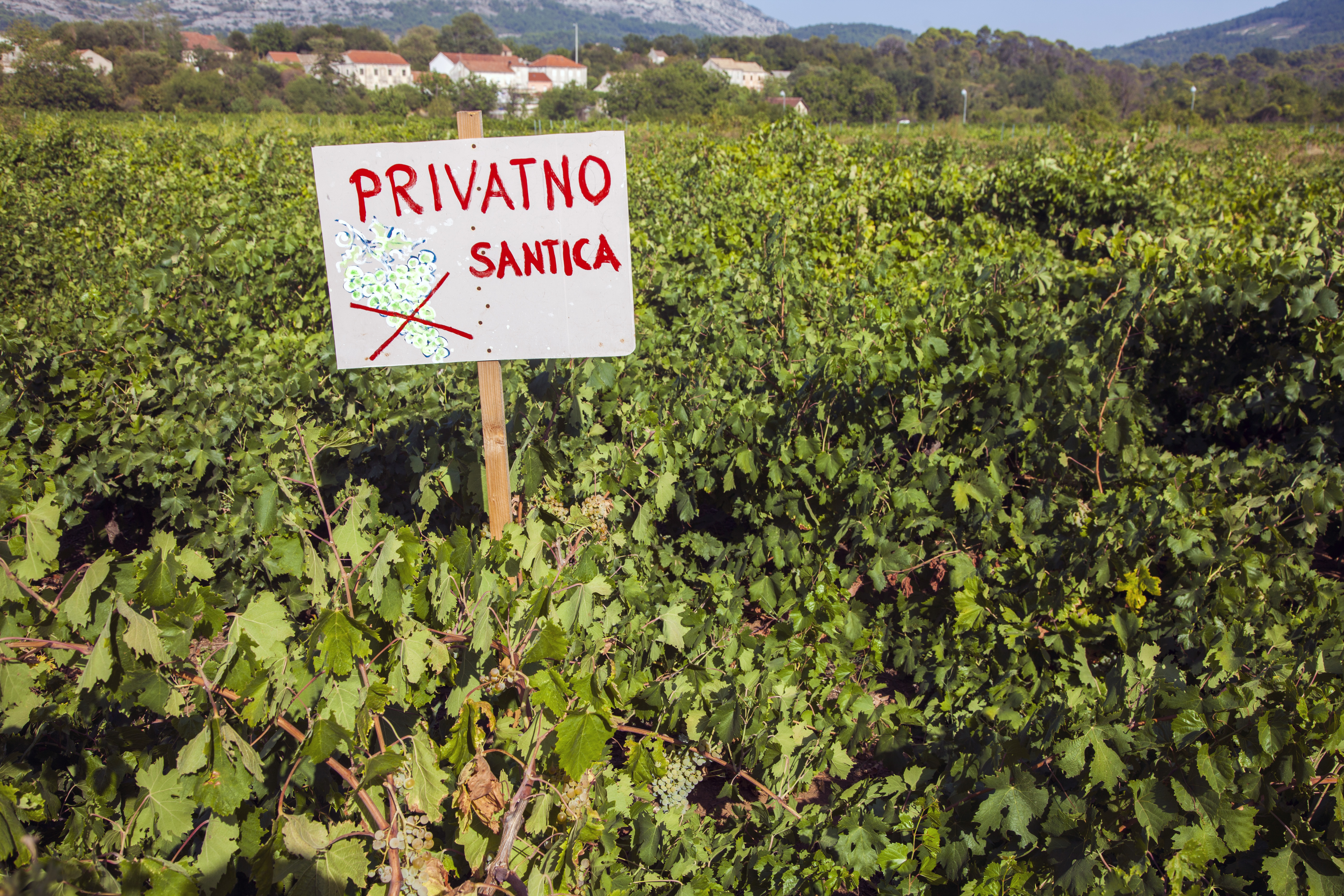
Virtually the entire foreseeable space around us was covered with vineyards. The plan was to visit one of them for wine tasting on our way back. Our guide told us that mainly red wine is produced here, and Postup is considered to be the best of all. Looking ahead, I can mention that Korčula is famous for its white wine, Pošip.

We were transported to Korčula on a small shuttle boat from Orebič (a very nice town, by the way), and got to observe how cars and even buses were transported on a large ferry.

In the town of Korčula we were to visit the Old Town, and the whole group was divided into English speakers and German speakers. The English speakers stayed with our gloomy, moody and sleepy guide, – and that was when she suddenly revived, and showed great artistry and a sense of humour.

First thing, she told us about the local “wind rose”. There is the north wind “bura”, which blows in winter and brings clear and sunny weather, although lowering the temperature to zero. There is a south wind called “jugo” or “siroc”, the locals’ least favourite: it blows from the Sahara in summer and brings dust, and, oddly enough, rain. The city walls are located so that this wind could penetrate the city as little as possible. Finally, the wind most preferred by the population is the western “mistral”, bringing cool air in summer. The city is open for this wind from the sea, and, as Ivana joked, this was the first air-conditioning system in the world.

On the city gates the name of the first Croatian King Tomislav is engraved, and above it there is the Venetian winged lion, as the city used to belong to the Venetian Republic for a long time. These lions usually have their attributes, or symbols, showing how easy or difficult it was to get into the town. If the lion has a closed book before it, it was hard, and if the book is open, it means that the Venetians were accepted almost with open arms.

We came to Korčula thinking of ​​Marco Polo, because we had heard that he was from here. However, it turned out that Venice claims to be his hometown as well, and also, his home as such does not exist – the assumed house is a ruin. As our guide indignantly mentioned, in communist times nobody really cared about history, and in the times of crisis the intention even was to sell it. Luckily, the town borrowed some money and bought the house out (currently the price of these ruins is half a million euros!), but that money wasn’t enough to restore the building and make a museum out of it, as planned. For the time being some enterprising and patriotic Korčulan opened a souvenir shop named after Marco Polo, and behind it, the Museum of Marco Polo, in a totally different place.

By the way, three things are cited as proof that Marco Polo was born here indeed: first, there is a De Polo family still living here to this day, while in Venice there are no families with such name. Secondly, there exists a register of baptisms of the 14th century, which mentions Marco de Polo. Of course, the great traveller lived in the 13th century, but because it was quite common to give children the names of their ancestors, this could well be some great-grandson of his. Well, and thirdly, the book written by Marco Polo’s cellmate brings his own words, saying that he saw the tower of his hometown Corcyra Melaina and sailed towards it. It is proved that this is how Korčula was called in the ancient times, and no other city, including Venice, has claims on this name. As there is only one tower in the town, the house of Marco Polo could be identified.

One of our stops was in the atrium. Ivana showed us, where the mayor and his secretary would seat and how they would collect the citizens’ complaints, literally portraying and mimicking each of them.

In front of the atrium was the doctor’s house. Doctors used to be lured from Venice, the bait being this very house. The doctor could live there with his family as long as he remained in the service of the city of Korčula.

We made good use of our free time – at least, I got a chance to take a quick dip in the sea, right in the city, among boats – even there it was very clean. I deliberately found a deep place, as it was impossible to get into the water in the shallow part because of the large slippery rocks.

On the way back we were taken to a huge winery belonging to the Matuško family. This family produces 500,000 litres of product annually, 90% of which is red wine, and the remaining 10% is comprised of white wine, dessert wine, schnapps and olive oil. They have huge cellars, completely cluttered with enormous barrels.

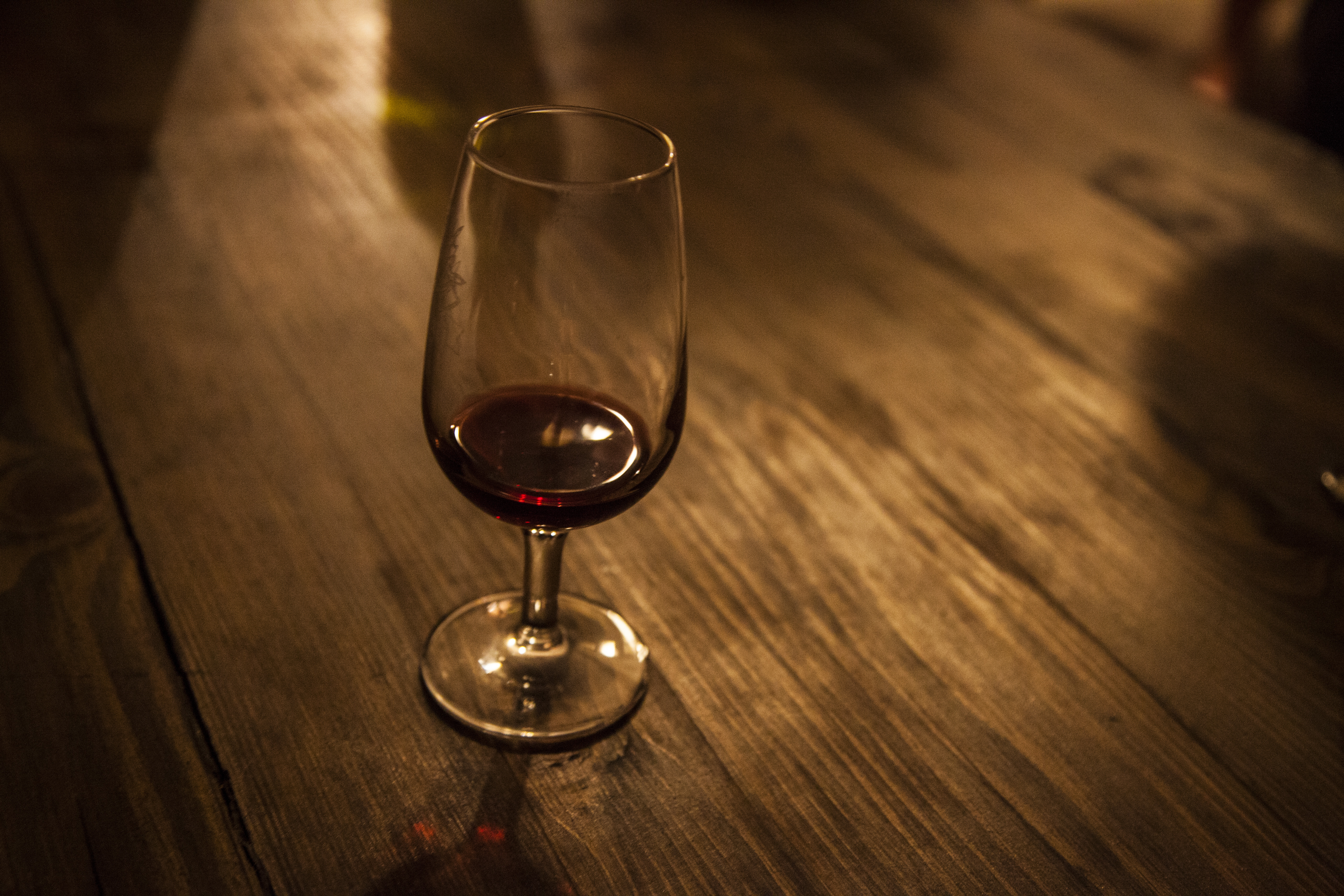
The first wine we tried was Plavac Mali. The name generally belongs to a grape variety, grown in the continental climate, in places where there is enough water, but not so much sun. 4—5 kg of grapes can be collected from one plant. The wine turns dry and light (only 12.2%), and is only drunk young.

The next wine was Dingač, made from the same grapes variety, but grown in Mediterranean climate: a little water and a lot of sun, and the sunlight comes from three sources: direct, reflected from the sea and reflected from stones. As a result, no more than one kilogramme of grapes is collected from each plant; the wine turns more robust, almost black (14.5%), and is preserved for several years.

The next drink to try was the sweet dessert wine called Prošek. It can be maintained for many years: according to tradition, when a child is born in a family, a barrel of Prošek is made, and it can only be opened at this child’s wedding. Personally, I found it it too sweet. And finally there was a 40% grappa and a 25% cherry brandy, made from this very grappa.

We then had a short stop in the town of Ston. There, too, there is the old town and a fortress, but we didn’t get to see them.

Posted in Croatia, Dubrovnik, Europe, Kotor, Montenegro

Croatia – Day 7

РУССКОЯЗЫЧНАЯ ВЕРСИЯ ПО ЭТОЙ ССЫЛКЕ. CLICK HERE FOR RUSSIAN VERSION.

30 August 2012 – Thursday

Today, by contrast, was a very active day: we took the long-awaited trip to Montenegro. The mountain forest road, which took us quite long to drive through until the border, was indeed beautiful, but the day was extremely hazy. At first we thought it was fog, but then it turned out that it was the smoke from forest fires in Bosnia. We were told that the situation was really critical there, so a few sections of Croatian firefighters were sent for help.

In general, our guide Petra told us a lot of things, mostly about Croatia, though. For example, we learned that the Lokrum island (very close to Dubrovnik), famous for its parks and entertainment,  had been cursed. A very soon death is believed to await anyone who stays there overnight. The superstitious Dubrovnikers still believe in this, so every day the last, eight o’clock boat to the city is fully packed with people hurrying to leave the island.

We also learned that  Dubrovnikers do not like to rent housing, but tend to buy it instead – so they feel safer. In this case, they have to take mortgage loans for 30-40 years because of very high cost of real estate.

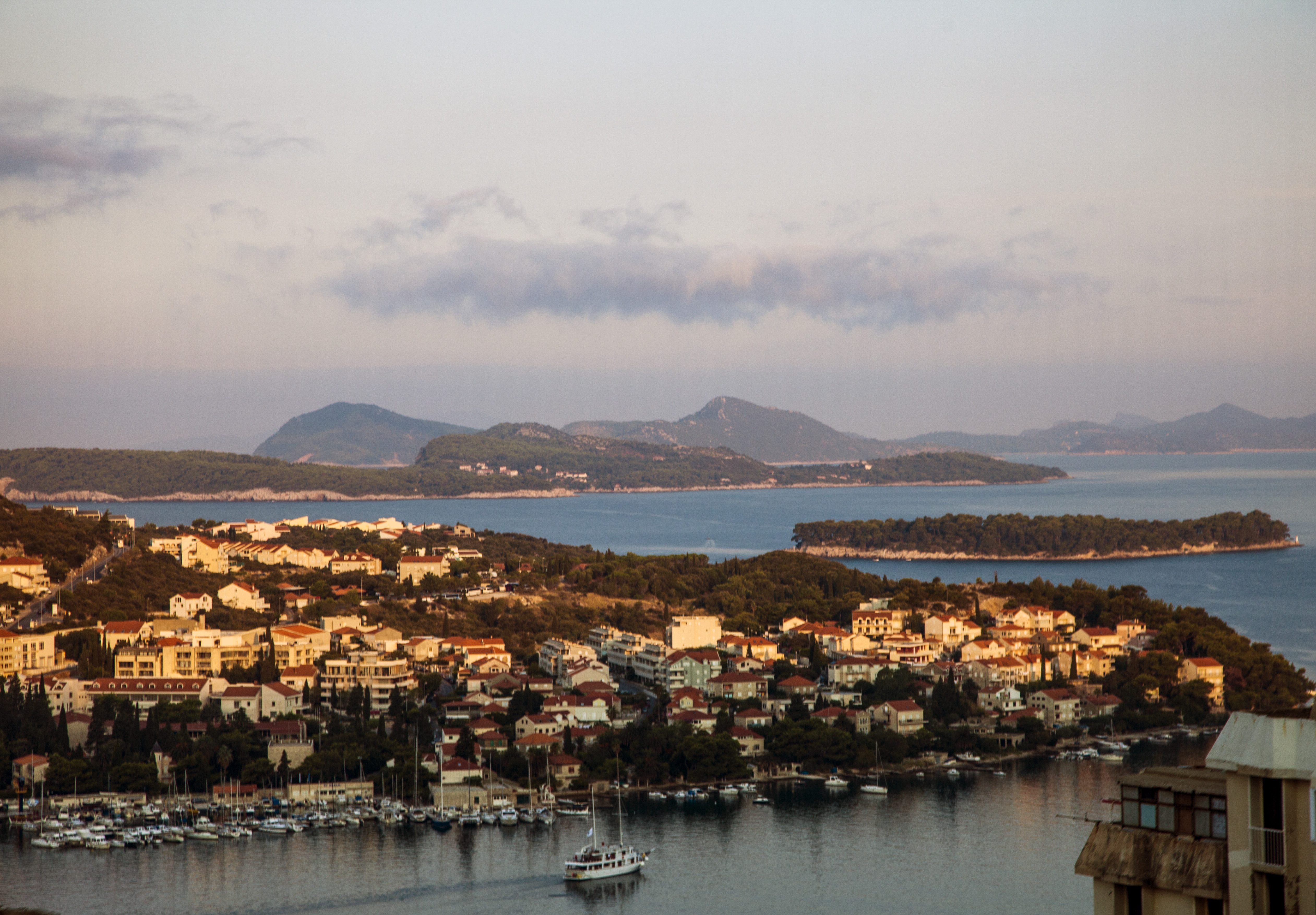
Driving further up in the mountains, we saw three islands from up high: Mrkan (St. Martin), Bobara (St. Barbara) and Supetar (St. Peter’s). In the 14th century, first quarantines in history were located on them, and all those traveling to Dubrovnik (then Ragusa) were required to spend 40 days there, hence the name (from the Italian word “quaranta” – “forty”). Owing to this, plague spread very little in Dubrovnik.

Driving past Konovle, we heard about the fertility of these lands. Here exists a kind of black market for vegetables here: there are women working on the fields, referred to as “our ladies”, who can be called any time and asked to deliver fresh vegetables, which they will do the same day (or, the latest, the next morning), bypassing shops and markets.

We got slightly anxious, approaching the Montenegrin border, and took out our passports and insurance documents in advance. But everything went smoothly and no one got into the bus to check anything – Petra sorted everything out by herself.

Generally, the difference between Croatia and Montenegro can be noticed immediately: Montenegro seems poorer, the houses are more dilapidated, there are lots of signs in Cyrillic script (they use both Latin and Cyrillic scripts here) and in Russian too.

The official currency is euro, even though Montenegro is not part of the EU and not going to be one in the foreseeable future. There is an explanation. This area is located at the junction of the Eurasian and African tectonic plates, which results in frequent earthquakes. After one of such earthquakes in the second half of the XX century, Montenegro had to borrow money from Germany for rehabilitation and reconstruction. When in the 80’s Yugoslavia suffered an economic crisis and, therefore, a high inflation, Montenegro, in order to pay off the debt in German marks, asked for permission to make them their local currency. After Germany switched to euro, so did Montenegro. However, the government does not have the right to print money, it still gets it from Germany.

In general, we were told that the highlanders and the seaside residents were like two different nations. The highlanders used to lead an austere life, and very often, especially during the Second World War, when a family was left without men, some women had to take on the role of head of the family. These women, called “virdžina” (i.e. “virgin”), dressed like men, carried weapons, talked about themselves in the masculine, were always in the company of men, and only performed men’s duties around the house. Nowadays this tradition has practically disappeared. As for the seaside residents, they, in particular Kotorians, used to be were very educated (education was received by both young men and women, even from common families) and looked down upon the highlanders.

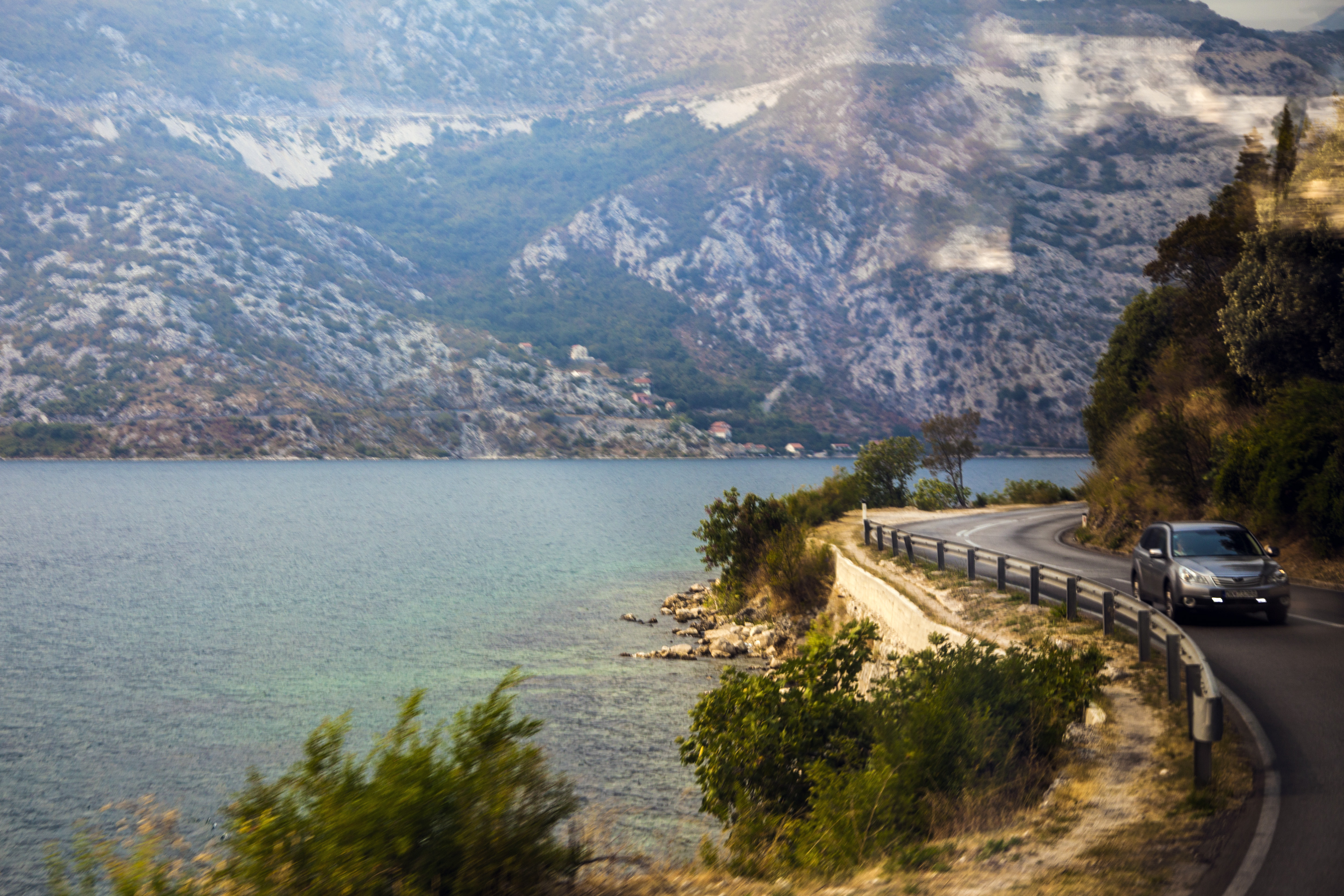
When the Boka Kotorska (Kotor Bay) eventually  appeared in sight, we were really disappointed: in the haze it looked like a decal, devoid of any colors, moreover, the fog was so thick that we couldn’t see almost anything. We were taken to a place which was supposed to have a magnificent view and where we could take photos of the Kotor Bay. But there wasn’t much to take pictures of.

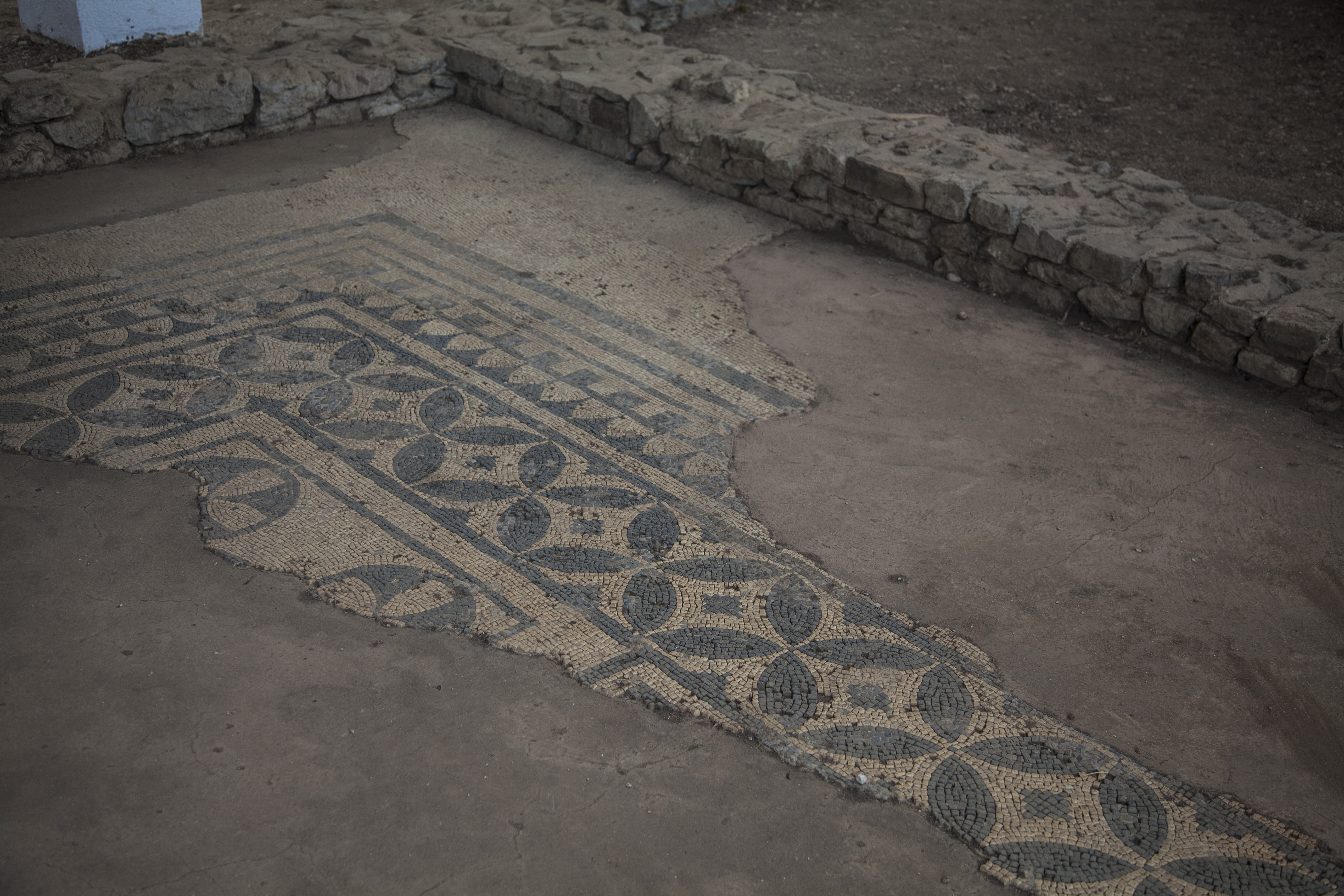
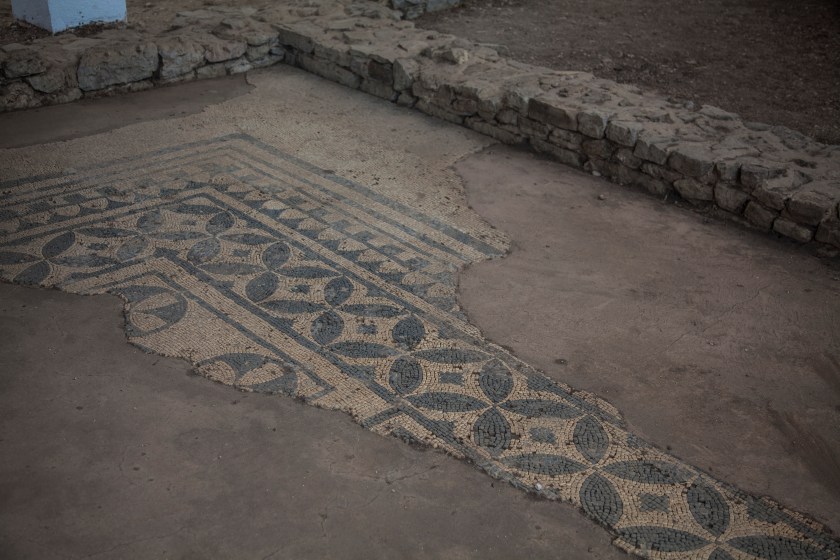
And so, sad and disappointed, we drove to a place called Risan, famous for its Roman mosaics. There are the remains of an ancient Roman villa, which has fragments of these mosaics on the floor.

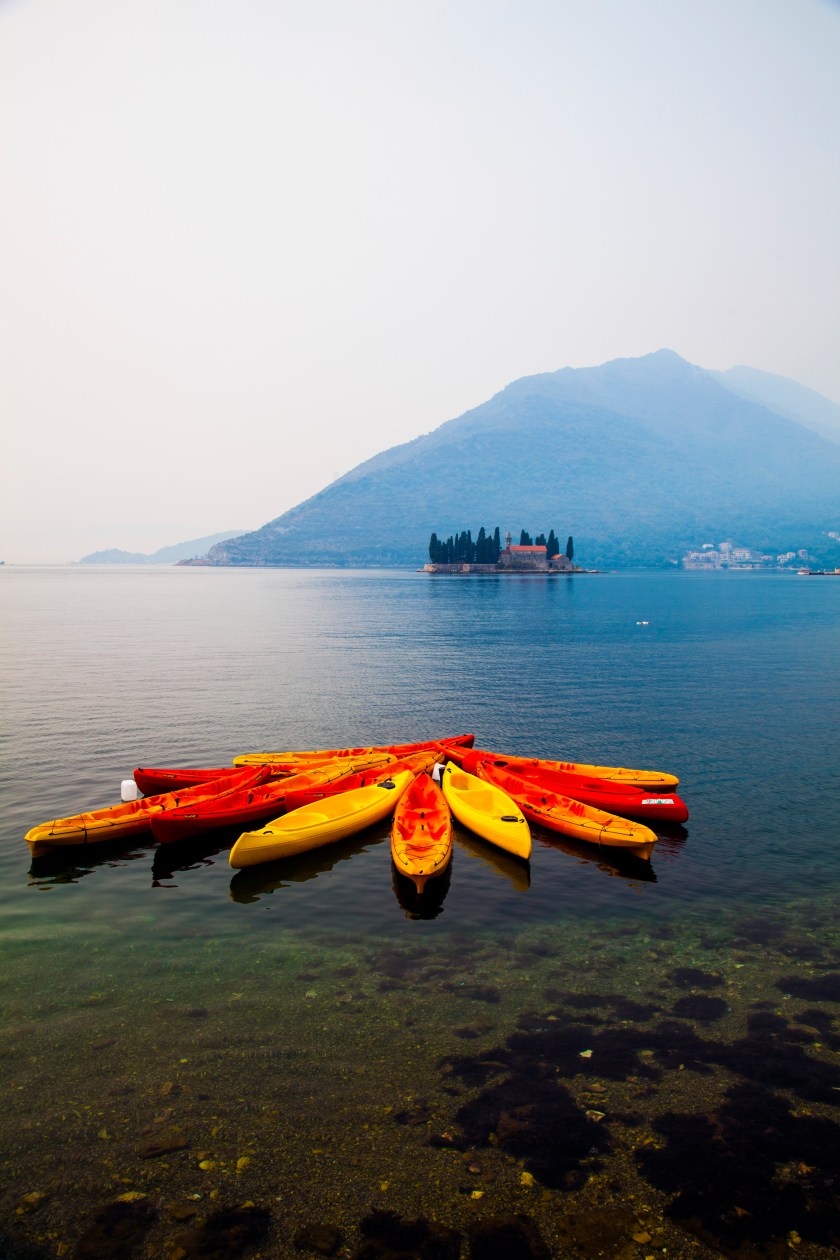
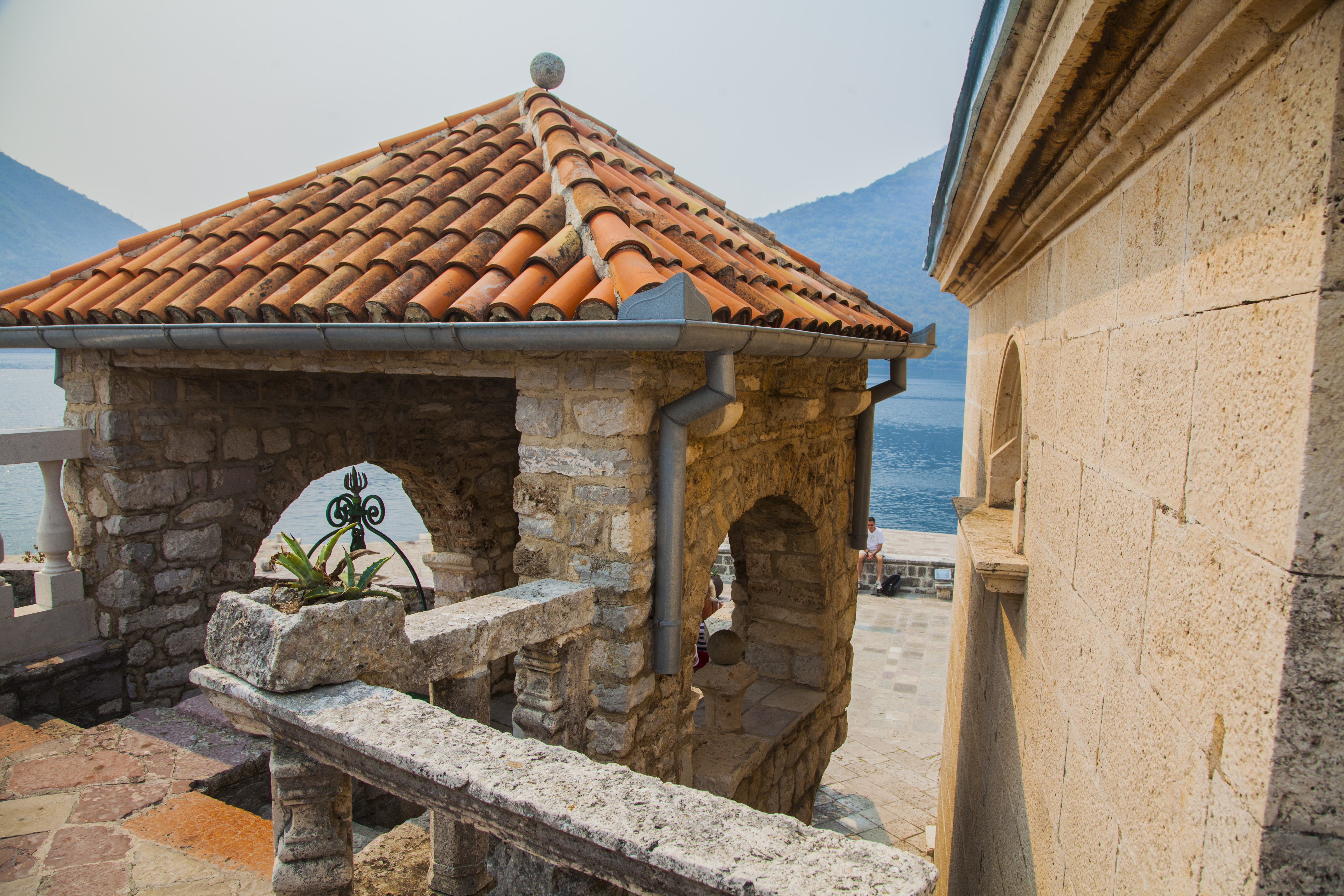
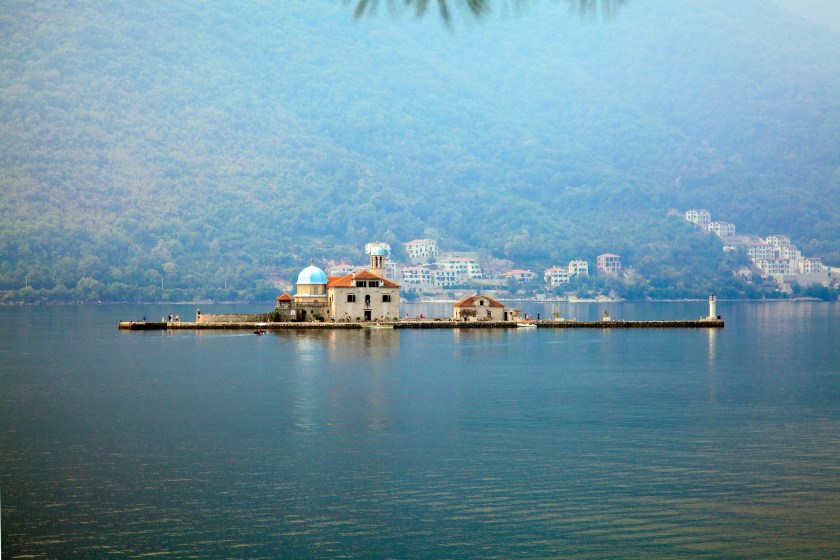
Near the town of Perast we boarded a boat and headed to a small man-made island called Gospa od Škrpjela (Our Lady of the Rocks) with a church of the same name. The origin of the island is rather interesting. For some reason, the Catholics in this area did not have their own church. But once, as legend says, a fisherman found an icon on a rock right in the middle of the Bay. This was considered to be a sign from God, so since then fishermen would throw more and more rocks one on another, after returning from each successful journey and also sank their old ships, loaded with stones.  That is how the island was built.  The tradition to throw rocks still exists – every year, on the day when the icon was found, local people throw more rocks. The church looks very nice inside, with many beautiful canvas by a famous local painter Tripo Kokolja. The altar is made of several kinds of marble, the most rare and expensive of which was exchanged for silver on a  kilogram per kilogram basis.

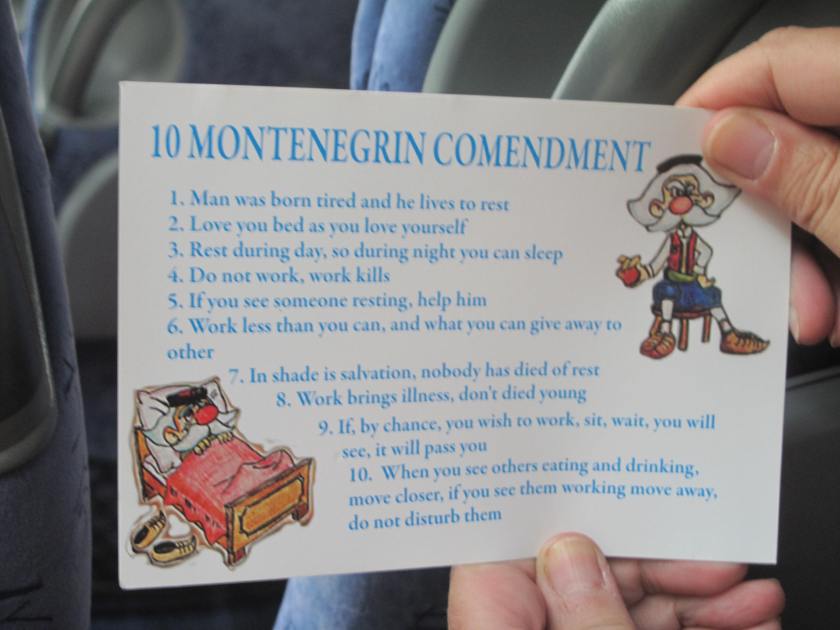
As we were driving down towards Kotor, Petra told us of some humorous stereotypes which people of the former Yugoslavia have about each other. Thus, the stereotypes are that the Croats are very good singers, but also are too arrogant, the Bosniacs have great sense of humour, but are not particularly bright (sorry, don’t mean to offend anyone – these are not my words, but those of a Croat lady after all!), and the Montenegrins are very lazy. There is even a joke about a competition on who can lie on the road for the longest time. After 24 hours, the competition had to be stopped because the three participating Montenegrins were still lying there with no intention of getting up in the near future. We were shown a card with ten funny Montenegrin Commandments:
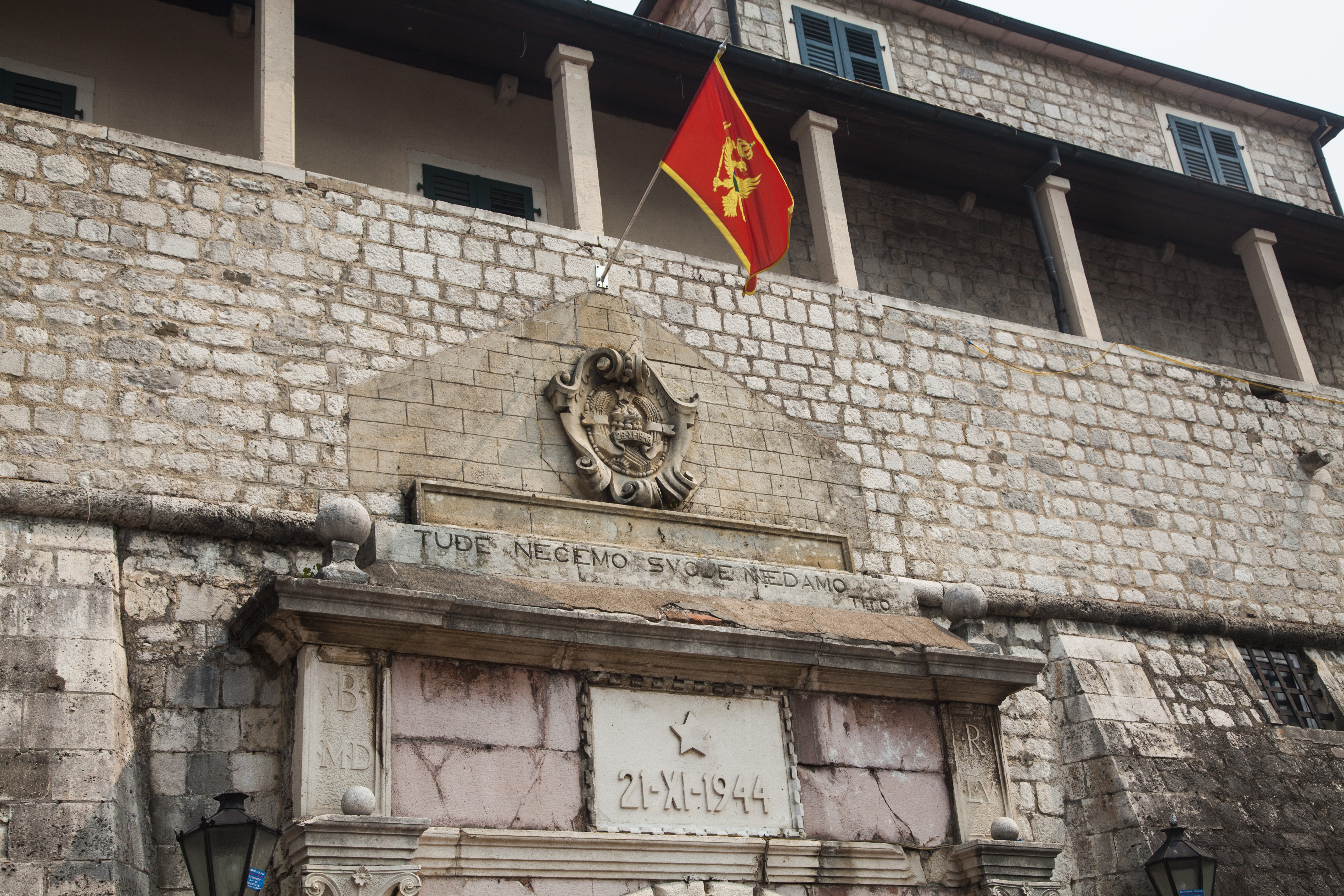
In Kotor we were passed to a Russian guide (a lady named Katya, from St. Petersburg, living here for seven years). Very quickly, she walked us around the Old City, as we only had two hours of free time, including a guided tour and lunch. The Kotor city walls are located high in the mountains, and we didn’t get to climb up there. The Old City has plenty of churches and monasteries, the first music school in the Balkans, the first theatre (now it has been sold to become a hotel, so there is no theatre in Kotor anymore). There are both Catholic and Orthodox churches here, but the Catholic ones are more in number – as there are more Catholics here, although generally the majority of Montenegrins are Orthodox. In tough times, many churches had a Catholic and an Orthodox altar at the same time, i.e. were open for both confessions.

Along with other memorable places, our attention was brought to the Pima Palace on the Flour Square. Head of the Pima family used to be one of the largest grain traders here.

Interestingly, in contrast to Dubrovnik, the buildings here are necessarily located at an angle to each other – it was believed that locating them in a row would bring bad luck.
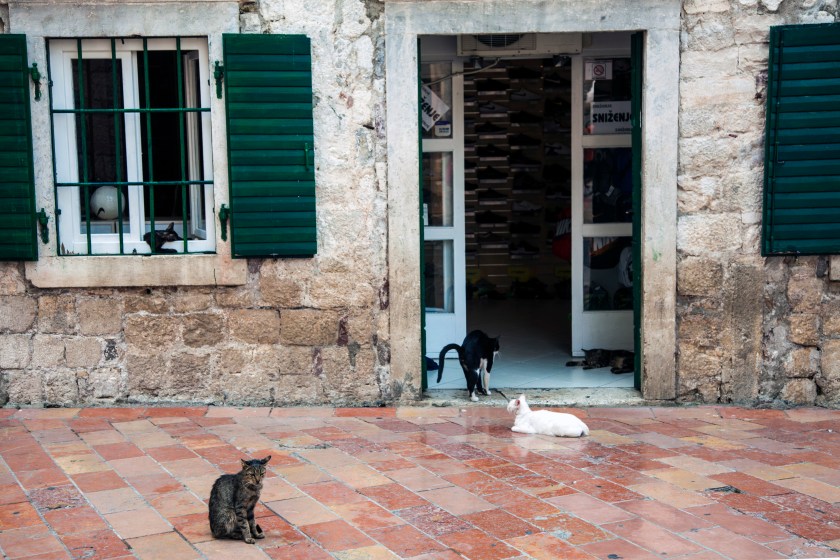
The Kotorians are most proud of the fact that they never were under the Ottoman Empire, even though in their history they used to be subordinate to Venice, were occupied by a Napoleon’s general and by Italian fascists (for two months). On this occasion, we heard a story how Jesus Christ appeared to a girl named Katarina from a mountain village and told her that in two hundred years, the Turks would attack Kotor. The girl didn’t hesitate to come down from the mountains with her mother to warn the Kotorians about the danger. The latter immediately started building a wall to protect their land, succeeded in this and, when the the Turks did attack, they managed to parry the enemy’s strike. Katarina herself had become a nun. In appreciation, her relics were later transferred to the Church of St. Clara, right here, so that the saint would continue to defend the citizens.

By the way, her descent from the mountains was no big deal – we were informed that some inhabitants of the mountain village Njeguši do it every day when delivering products to Kotor.

Driving out of Kotor, we saw a beautiful town on the other side of the bay (the fog had already cleared a little) – either Muo or Prčanj, where we weren’t taken. There was no time left for bathing either, although there were beaches here and there.
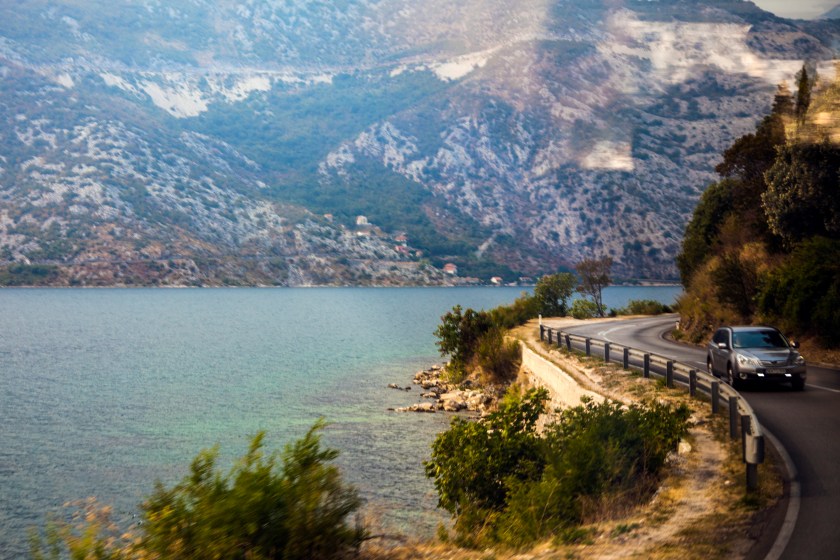
On the way back we were told that during the previous tour a few days before, the car queue on the border was seven kilometres! The most thorough shakedowns are usually undergone by those with Albanian and Kosovar passports – this road is actually a drug “Silk Road”. Recently the guards caught a couple in a car with German plates, transporting drugs for the sum of 10 million euros. But this time we were lucky, there was only one bus ahead of us, from Ukraine, which took quite a long time to check though.