Posted in Amalfi Coast, English, Europe, Italy

Adventures of the Azeris in Italy – Amalfi Coast

РУССКОЯЗЫЧНАЯ ВЕРСИЯ ПО ЭТОЙ ССЫЛКЕ. CLICK HERE FOR RUSSIAN VERSION.

The “cool” guy despising group tours seems to have jinxed us. At first everything went very normal: the bus punctually picked us up at 5.15am, while it was still dark, collected other participants of the Amalfi Coast tour from their hotels and delivered all of us to Ischia Porto, where we boarded a ferry. In Naples we were met by a tour guide with a Baltic accent, and got on another bus.

Ischia Porto

I must say that Naples hadn’t made much of an impression when we arrived from Rome, but, as we drove through it, Lena the tour guide spoke of it with great passion. She was telling us about its status of the capital of the kingdom, its magnificent palaces neighbouring with sunless narrow streets with colourful linens hanging on the balconies, just like in the movie La Ciociara.

We drove out of Naples, past Pompeii and Herculaneum. Here we were told that everything around was pretty much sitting on a powder keg – there are lots of extinct and dormant volcanoes, and also the active Vesuvius. It erupts every 60-70 years, and the last time was just 69 years ago. Thus, on the one hand, the next eruption is anticipated with fear, but on the other, it is awaited, because the longer the interval between two eruptions, the more destructive disaster it turns into – for example, the eruption that destroyed Pompeii and Herculaneum in 79 AD occurred after 300 years of inactivity. However, people continue to settle right at the foot of the volcano with careless perseverance: the climate is too favourable and the soil too fertile for these places to be left. Officially construction within a radius of a few kilometers from Mount Vesuvius is prohibited. But people here seem to live with the if-you-mustn’t-but-want-to-do-it-then-you-can-do-it principle – especially that the law does not permit to destroy the buildings, even at the stage of one wall built only, and only makes the owners pay a fine of 20-30k euros.

Heading to Sorrento

At this point already we noticed that the traffic was very slow on our side of the road, we were basically in a traffic jam. But Lena suggested that this was due to tomorrow’s holiday of Ferragosto and had to do with everyone flocking to the resort coast. The reality was much worse: and we had the chance to fully appreciate it, as well as the “evil eye” of the New Russian, when we entered a two-kilometre tunnel. Here the column of vehicles literally froze, although the opposite lane was absolutely empty. We spent exactly an hour and a half in this tunnel, and the whole way from Naples to Sorrento took us a good four hours, while it barely should have taken 90 minutes. The people in the bus got extremely frustrated, the most radical ones were demanding to turn around, get on the opposite lane, return to Naples and get the money back, but this was absolutely impossible, because there was no opportunity to turn around, and besides large buses are allowed to move in only one direction along this coast. The most impatient ones left the bus at the exit of the tunnel, as the situation outside was no better, and walked around to stretch their legs.

Our tour guide talked to the Carabinieri driving past us, and found out that a terrible fatal accident had happened somewhere ahead and a funeral car was already heading there. Why it took almost two hours for the Carabinieri to get close to the scene remained a big question to us. And anyway, even to us (not quite knowing the intricacies of the case, of course) it seemed pretty logical that the traffic in the tunnel should have somehow been regulated in order to avoid such a disheartening and unsafe congestion in it.

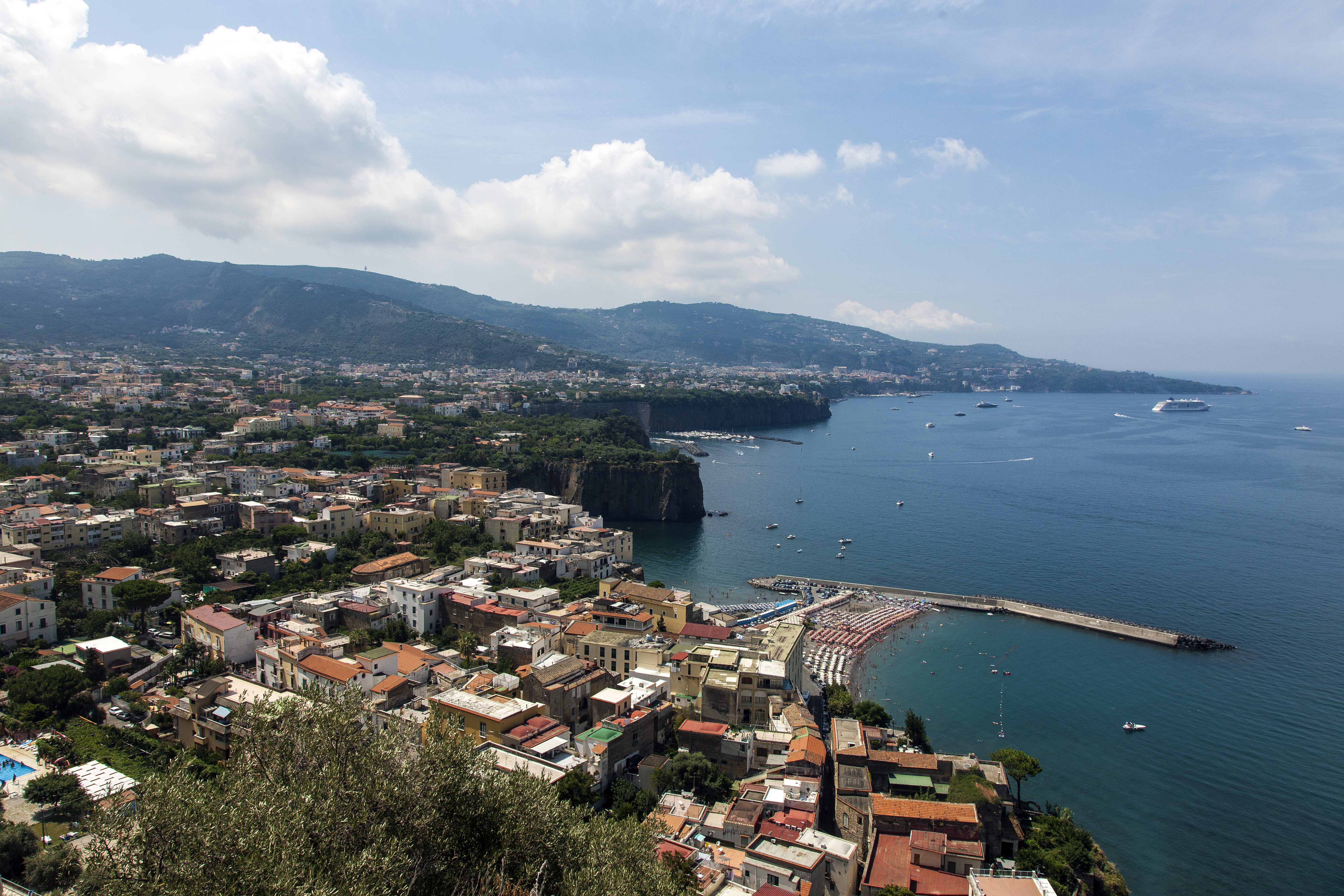
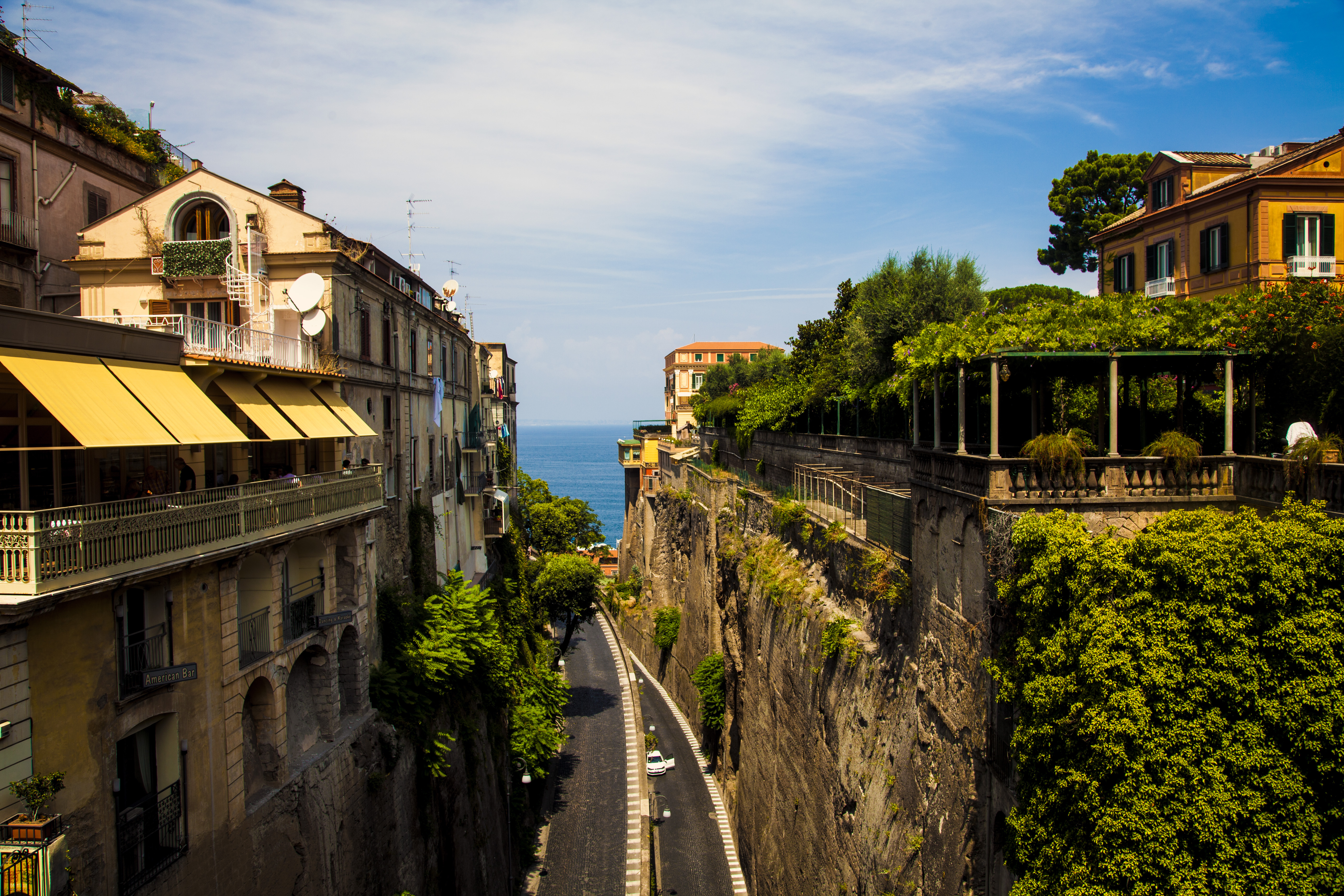
It seemed that the whole tour went awry. However, the situation was saved: Lena promptly got in touch with their “headquarters ” and agreed that we would be allowed to board a different ferry at a different, nearer port an hour later than initially planned, which therefore allowed us to save an hour, and then one more – by cancelling the set lunch planned originally and giving the tourists an opportunity to eat on the go during town walks. And finally, exhausted, but happy, we returned arrived in Sorrento. What can I say, it is indeed a very beautiful town. We were told that it had been visited by Gorky (again!), Feodor Chaliapin, Sylvester Shchedrin. Everything here is all about lemons and olives – lemons reach monstrous proportions (up to two kilograms) and have a distinctive flavour, the whole town smells of them! The mountains slopes are covered with olive trees, with rows stretched underneath them. We were told that the olives for the best first press oil must be collected directly from the tree and not from the ground, which is virtually impossible to do manually on steep slopes – and that’s where those nets come in handy!

Sorrento

Sorrento

Sorrento and the Amalfi Coast are considered traditional wedding places for couples from all over the world. We saw an English wedding, with guests walking on the streets and taking photos.

The views here are just so breathtakingly beautiful, in the truest sense of the word! In general, a drive on the mountain serpentine feels, to put it mildly, quite exciting. The bus is driving on a narrow ledge along the cliff, at a height of up to 300 metres above sea level. The road, however, had not always been there – it was constructed by Mussolini. Prior to that, people used to walk on foot or ride donkeys on the mountain paths.

Amalfi Coast

Amalfi Coast

Amalfi Coast

IMG_6689

Despite the fact that these places are declared heaven on earth (it’s even said that righteous Amalfians will return home after death), life is not that comfortable there. Of course, it probably is for Sophia Loren or Gina Lollobrigida, who own luxury villas along the coast, as we were shown, with helipads and elevators that can take them right down to the beach. For ordinary mortals, though, every simple thing turns into a difficult issue – they have to walk a hell lot of steps (and I mean that – really a lot!) every time they want to go to the beach or to work. If you ask someone where they live, they will tell you the number of the step rather than the street name! And imagine them having to do something more serious, such as painting the house! That’s what they do in this case: a van brings a couple of donkeys to the closest possible place, where the specially trained animals get loaded with buckets of paint and rush up the stairs.

Rock Looking Like Virgin Mary with Flowers

Amalfi Coast

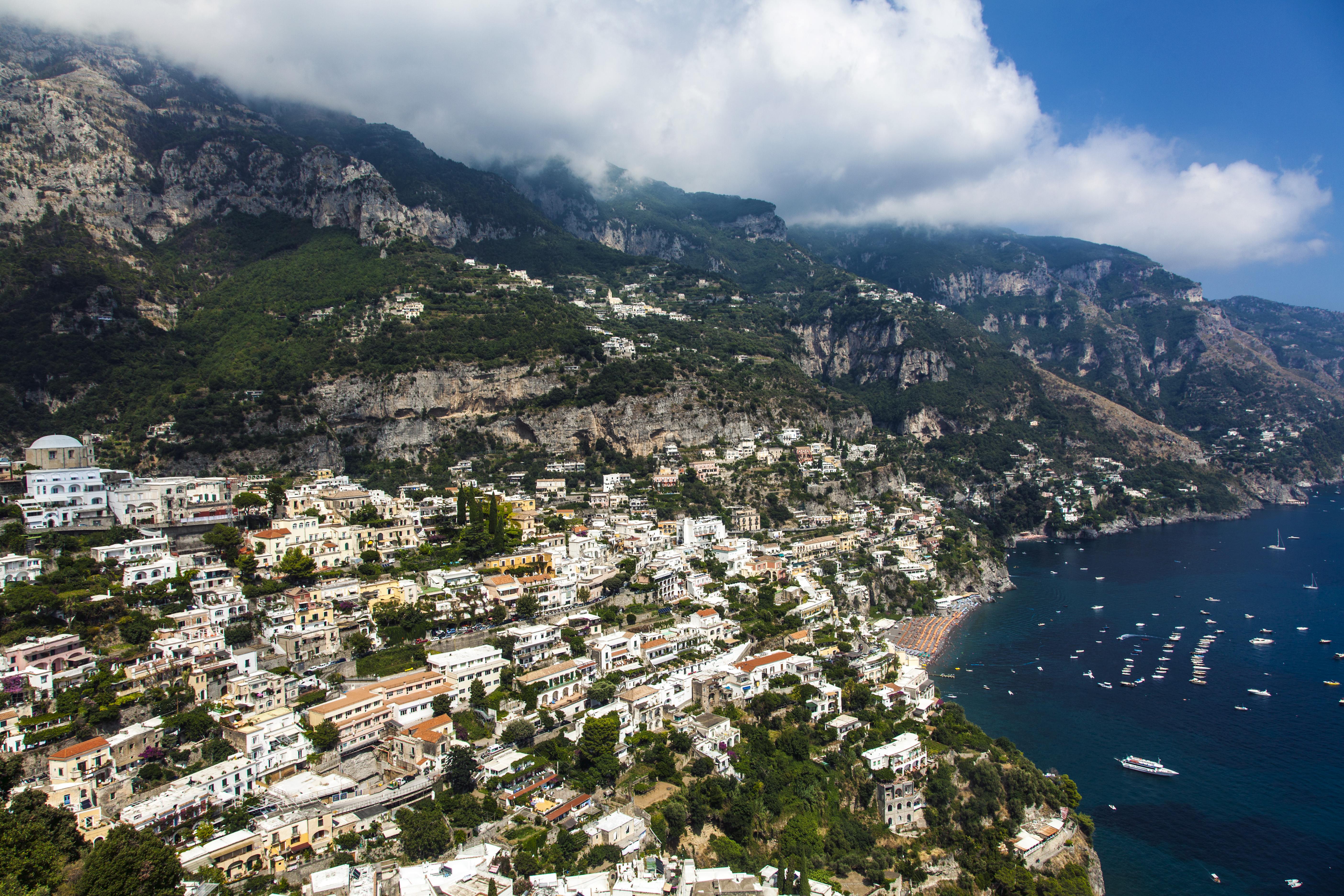
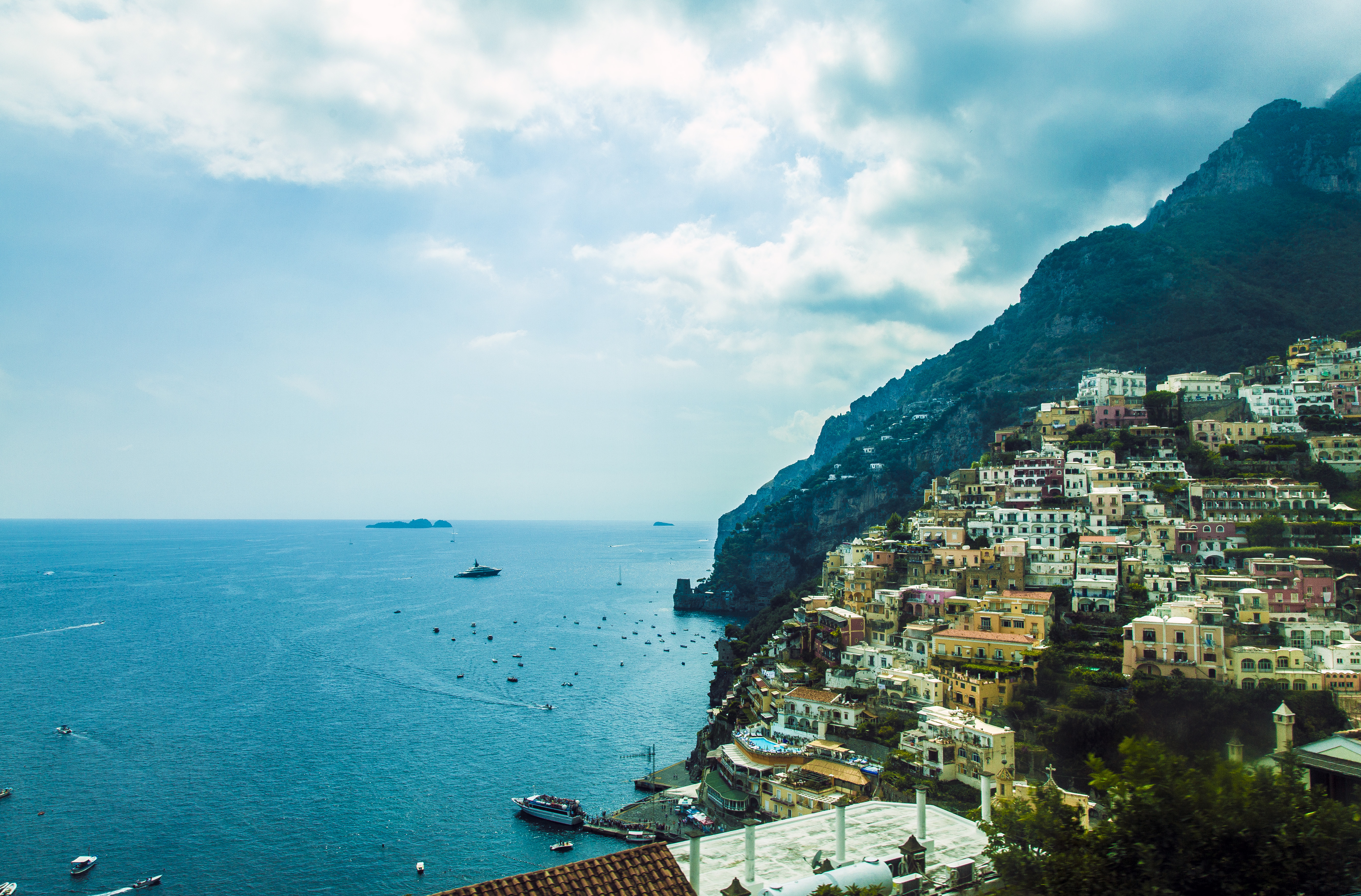
We didn’t get to visit the very beautiful town of Positano, although we did fully appreciate the view over it from the observation deck: pink, white and yellow houses, literally built into the rocks. Very picturesque, but it looked even more inaccessible and impractical.

Positano

Positano

Positano

Positano

Positano

Another town where we didn’t stop either – Praiano – is less well known than Positano. It is interesting that the traditional Christmas nativity scene includes the model of the town itself. This is the ending point of the Christmas procession on December 25, carrying a miniature figuring of Christ the child. We drove past this model and had the chance to take a look.

Amalfi, despite being so celebrated, looked to us like one more replica of the previously seen towns. It is famous for the majestic Cathedral of St. Andrew, where the relics of the aforementioned saint lie. Lena was persistently urging us to see them but honestly we weren’t too enthusiastic about this idea, even though the cathedral was really very beautiful from the outside.

Amalfi

Amalfi

Speaking of holy relics: it appears that in the Middle Ages they were extremely fashionable and prestigious to have in any city, so they were then subject to barter in the best case and theft in the worst. The relics of St. Andrew appeared in Amalfi as a result of the latter actually. Sometimes they would steal not only whole relics, but also parts of them. Robbed monks were ashamed to admit being so careless, therefore, they would replace the missing parts with fake ones (surprisingly, these fake relics still went on working wonders!), and as a result, a saint could end up having three or four arms or legs.

Thus, the walking tour around Amalfi did not satisfy us, but the boat trip along its coast was very pleasant, allowing us to see all these magnificent mountains, bays, hotels and villas from the sea. We sailed in the direction of Maiori, Minori and Ravello, where our bus arrived to pick us up. By the way, on top of all the transportation troubles we had had, the bus somehow managed to hit a parked car when manoeuvring to enter yet another busy tunnel, so while we were happily enjoying our sea trip, the driver had to deal with the frustrated owner of that car.

Minori

Ravello is a small town located even higher up the cliff. We didn’t go up there, and only saw it from aside, while listening to our guide’s comments about Wagner festivals that are held there and are so popular that tickets must be booked almost a year in advance.

The town of Ravello is also a proud owner of relics – this time those of Saint Panteleimont, and every year on the day of his execution the Saint, as if to demonstrate his full consent to be in this place, arranges a miracle – liquefaction of his blood. A similar miracle, but with even more rapid boiling of the blood, is arranged by Saint Januarius, the patron of Naples. It is very important for Neapolitans, as a pattern has been traced: if the blood liquefies duly, the Vesuvius does not erupt during this year and any other ills also bypass Naples. Therefore, on this day – namely September 19 – all Neapolitans are very nervous and can’t wait for the coveted event. To guarantee it happening for sure, the oldest old ladies are sat in the first row in the cathedral (who are jokingly referred to as the “relatives of Saint Januarius” for their age), and start praying to the saint. Then, if the miracle is delayed, they switch to exhortations – gently at first, then more and more angrily until they literally end up swearing. Instead of taking offense, the Saint, either stimulated by, or scared of such attitude finally performs the long-awaited miracle!

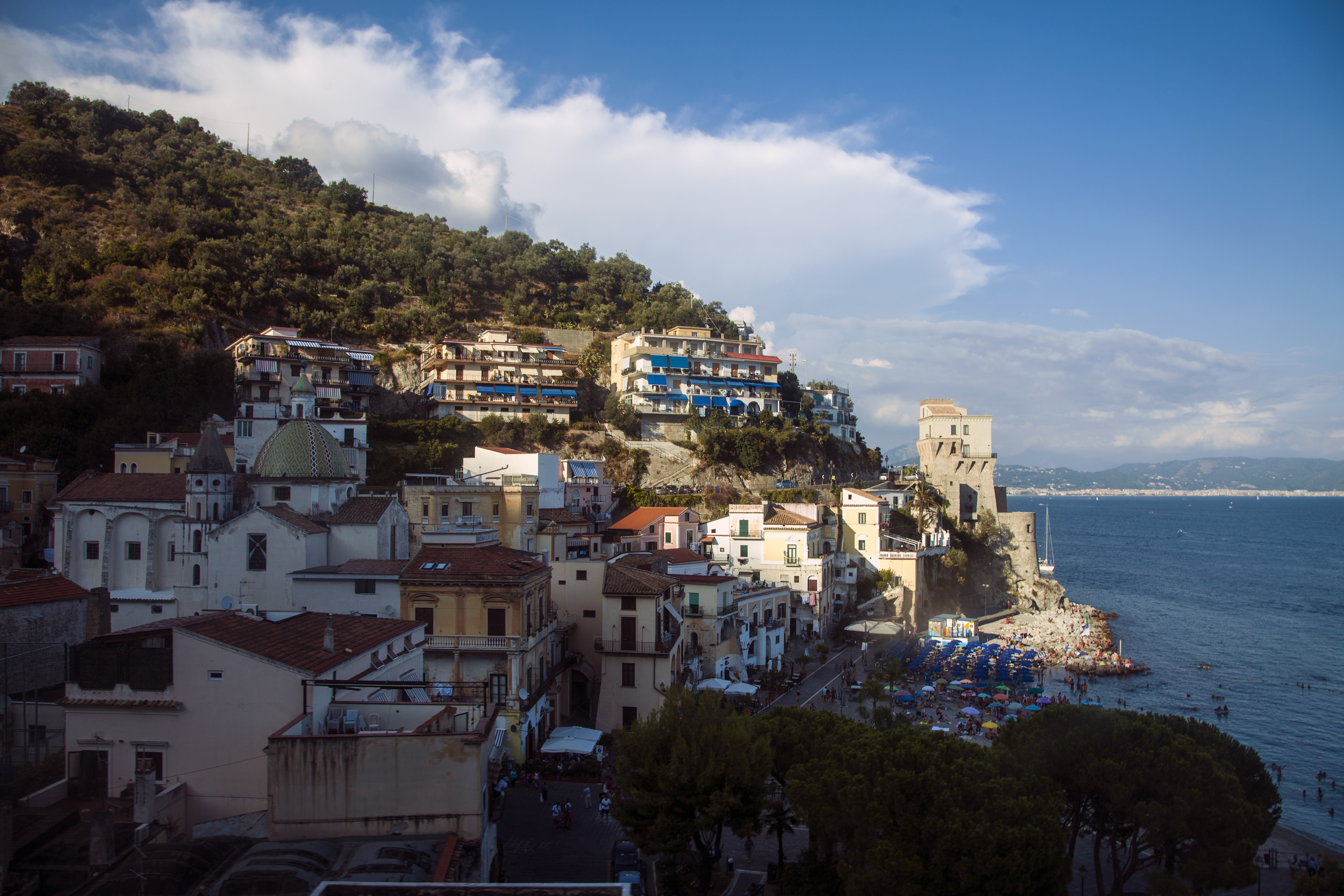
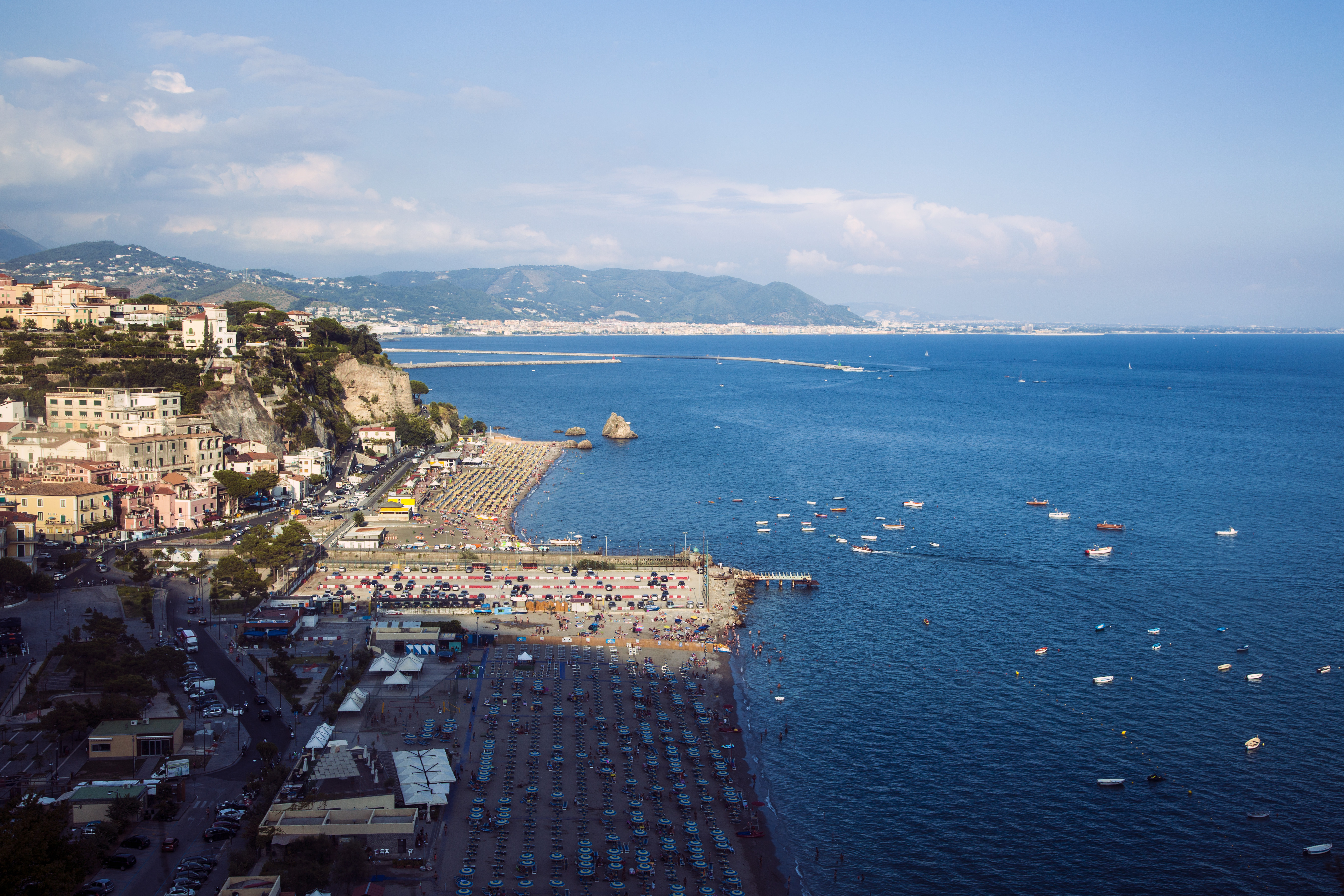
The last town of the Amalfi coast was Vetri Sul Mare, and rounding the hill, we saw the city of Salerno in the distance and hurried back to Naples, to get to the port. On the way back, Lena told us that the Neapolitans were very superstitious , believed in destiny and tried to find signs in any event for the game of bingo . In every house there is a booklet that translates any unusual event into the language of numbers. Lena said half-jokingly, half-seriously, that upon returning home she would check that little book and find out which numbers corresponded to a traffic congestion, a corpse on the road and other events that happened to us today, and then place bets on these numbers.

Vietri Sul Mare

Posted in Europe, Italy, Rome

Adventures of the Azeris in Italy – day 3

РУССКОЯЗЫЧНАЯ ВЕРСИЯ ПО ЭТОЙ ССЫЛКЕ. CLICK HERE FOR RUSSIAN VERSION.

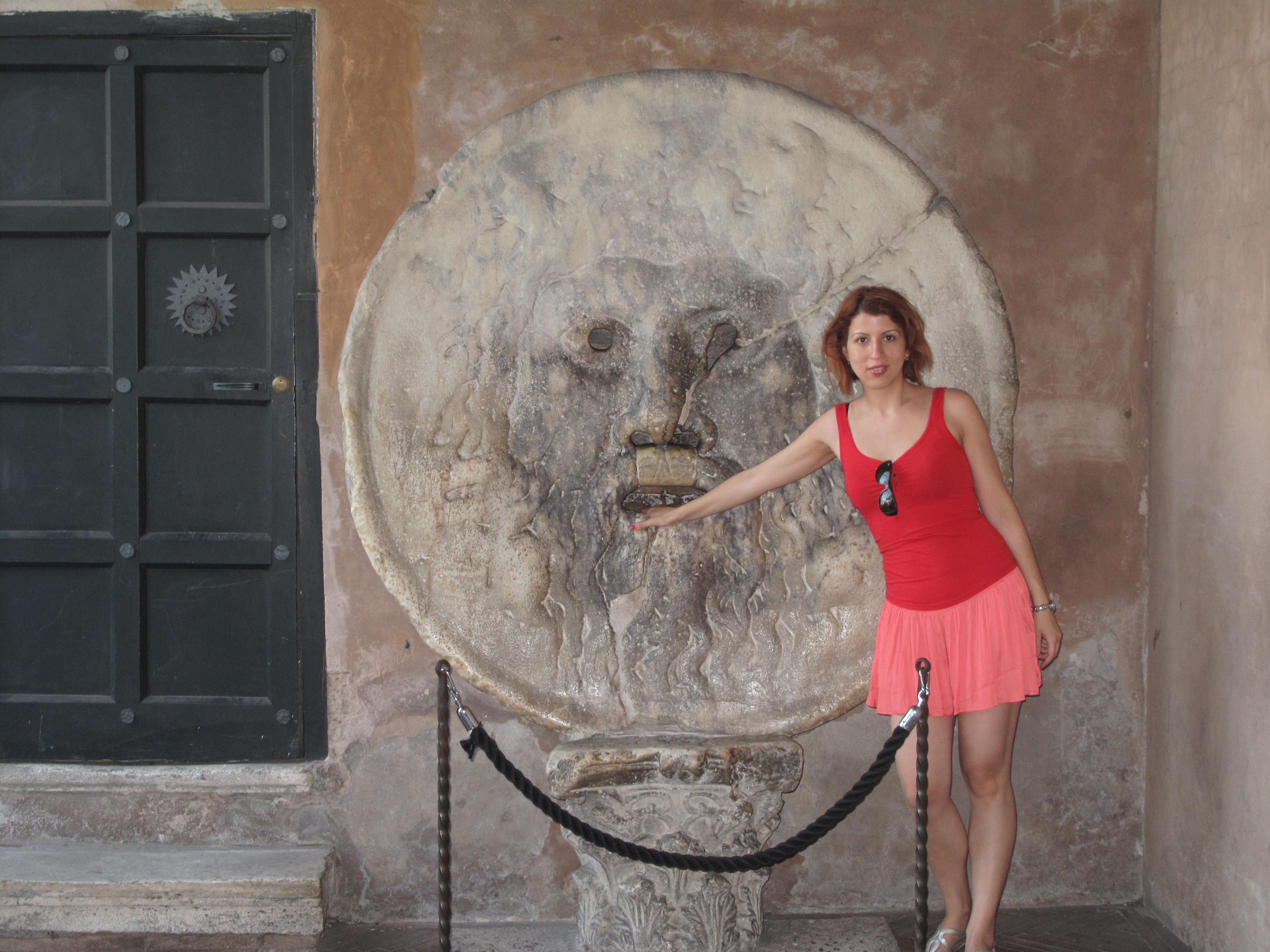
We still had a half more day in Rome. Our company had to split as part of it vigorously decided to go shopping. The other part, including me as well, didn’t mind shopping either, but somehow felt the urgent need to verify our own honesty by putting our hands into the Mouth of Truth. Here we were particularly lucky: a whole cavalcade of Japanese tourists arrived in several buses exactly AFTER us and formed a hopelessly long queue, while we reached the Bocca della Verità pretty quickly. It was only allowed to take one picture per person. Having confirmed that our hands remained intact, we left this place without visiting the church of Santa Maria in Cosmedin – we weren’t really up for it. We tried to find a taxi to catch up with our shopping companions, but there was none anywhere in sight, so we willy-nilly had to go back to the tour bus stop and spend ages (at least, 25 minutes or so!) waiting for the bus under the scorching sun.

The Mouth of Truth

Between this stop and the one leading to Via Corso with lots of shops, there was a trap awaiting us: the Vatican with its non-visited Sistine Chapel. We looked at each other: “Shall we get off here?” – “Yeah, let’s get off. As for the shopping, the hell with it!”

At the Vatican we were delighted by the virtual absence of a queue. Little did we know then, and only later we could appreciate the full extent of our mistake – this time people were entering the Basilica the proper way: through the Museum and the Sistine Chapel, which is completely the opposite side.

And then we met either a fairy godmother or a snake temptress who was persistently inviting us to join a private tour to the Museum, which would allow us to skip the queue, as there was no way to get into the Chapel other than via the Museum. But the tour was to take at least two hours of pure time (i.e. without all the preparation) and by the time it ended we were already supposed to be on our way to the airport. So we basically decided to waste our money: pay the full price, and then skip not only the queue, but also the Museum itself with this 1000+ chambers.

Our Italian-American guide apparently took after his Italian father in being extremely talkative – he eagerly explained us every single step we would have to make, starting from the purchase of the tickets. For us, however, his every word felt like a sharp knife, as it was stealing our precious time. Somewhere in the middle of his speech he was joined by a compassionate Italian lady, who tediously explained us that there was absolutely no way their company could charge us half price for the tour, even though we were going to skip the Museum. Although we hadn’t even asked for anything like this, we had to nod understandingly.

Eventually, we have our tickets in hand, our guide bids us farewell and starts his tour for the others – and off we rush through the museum chambers, full of sculptures, tapestries, maps, mosaics, etc. We only manage to catch a glimpse of this and that on the run, lingering for literally a second in front of anything particularly eye-catching. Very beautiful indeed, but terribly stuffy and packed with people – by and large we would hardly be able to survive a two-hour tour anyway!

The Vatican Museum


The Vatican Museum

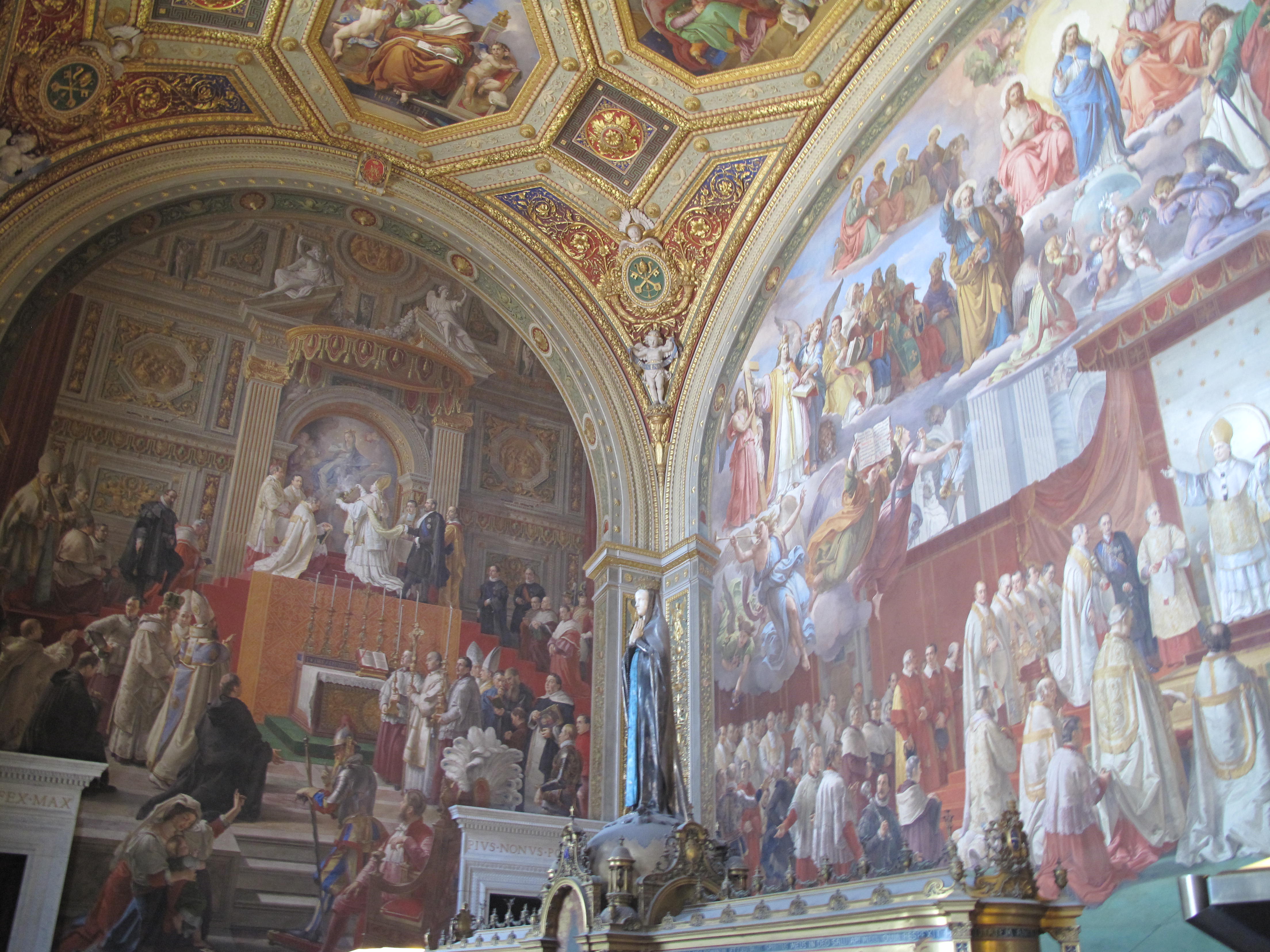
And the Chapel is still quite far, we accelerate and accelerate…  Finally, swathed in shawls once again (it’s also a holy place!) we enter the Chapel. Michelangelo’s paintings on the walls and ceiling are utterly amazing, it is a pity, though, that we can’t appreciate all the details – the unpleasant surprise is that it is so crowded that there isn’t even room to sneeze, therefore no chance to walk around and look. By the way, taking photos in the Chapel is not allowed, but I managed to sneakily take one or two – it is quite blurry, but at least you get the idea.

Sistine Chapel

Still, we anyway felt great satisfaction by the Chapel itself and the fact that we had chosen contemplation thereof over meaningless shopping.

We were lucky to find a taxi right next to St. Peter’s square, and as a result we reached our hotel even before our companions.

Then we headed to the airport where our flight was delayed by about an hour. The transfer in Naples worked perfectly: a minivan took us to the port, where the driver got us tickets for the boat, and on our arrival to Ischia we were picked up by another minivan with a frail elderly driver, who nevertheless famously placed our luggage on the car rooftop.

We had been perceiving Ischia as some kind of a small town – it turned out to be a large island. The minivan drove us for about an hour in the dark until it dropped us at the start of the pedestrian zone of Sant’Angelo, where it took us ten more minutes to drag our suitcases to the hotel.


Posted in Europe, Italy, Rome

Adventures of the Azeris in Italy – day 2

РУССКОЯЗЫЧНАЯ ВЕРСИЯ ПО ЭТОЙ ССЫЛКЕ. CLICK HERE FOR RUSSIAN VERSION.

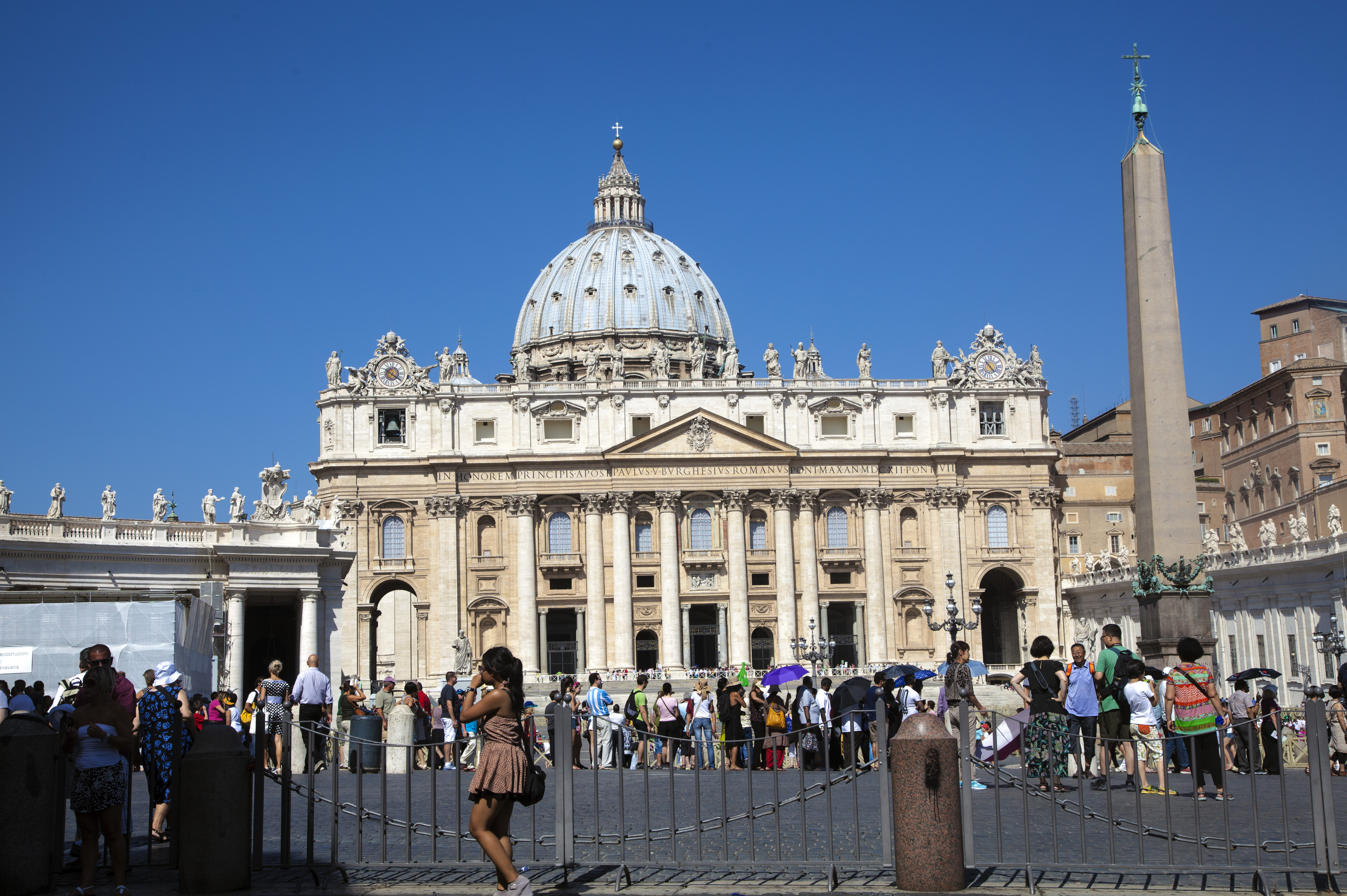
The next morning, on Sunday, we confidently walked down the beaten path to the tour bus which drove us off to the Vatican. The queue, twisting, was encircling the entire St. Peters’ Square and looked so long that our very first idea was to turn back and leave. Then we looked closer: it turned out to be moving very fast, so we joined it.

The Vatican

And then it was as if an angel made us ask two Russian girls standing behind us to take our picture, which they did. But what was the most valuable part of this contact is that they told us that we would not be allowed in the holy place with bare shoulders and knees. It was then that we realised why the Square and the whole nearby area was swarming with vendors selling ugly cheap shawls, and we bought a couple.

The forty-minute queue resulted in us finally getting into the St. Peter’s Basilica. This is not the place, talking about which one would want to ironise. It is beautiful with its majestic dome, magnificent paintings and the sound of organ (it was exactly the time of the Sunday Mass). We were walking around, staring and admiring, but our eyes, nevertheless, were looking for the entrance to the Sistine Chapel – was it here at all? Finally we asked someone and it turned out that it was closed on Sunday (right, one should have thought about that!)

Instead of the Chapel we were led to a grotto, where many popes are buried. I would say this was the least interesting part of our visit to the Vatican. On the way out, as an act of kindness, we gave the shawls to some other unfortunate barelegged and bareshouldered girls, who faced an unpleasant surprise after waiting in the queue: the guards were inexorable and wouldn’t let them in.

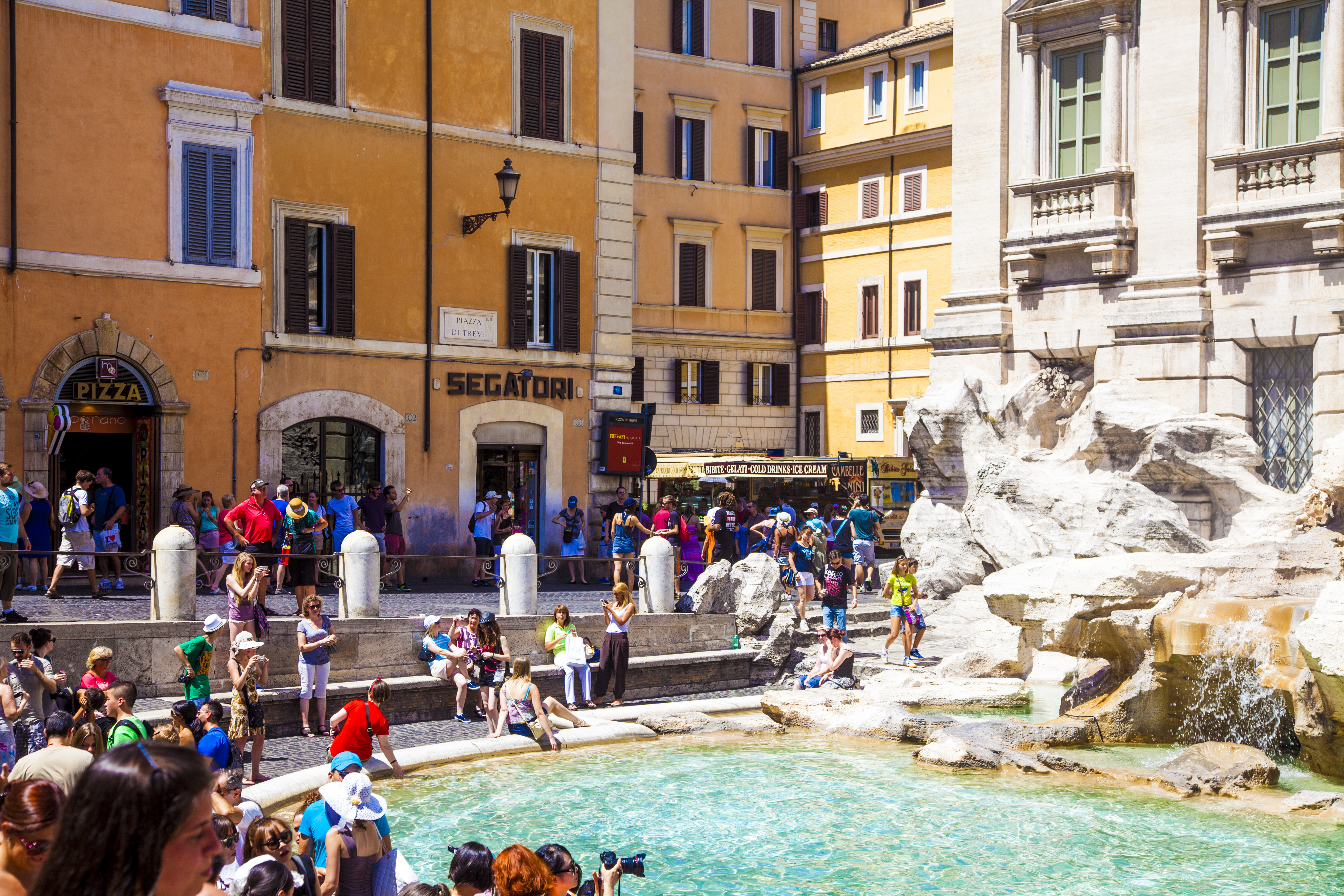
The bus took us further, following the same route at yesterday, but didn’t bring us anywhere close to the Trevi Fountain, which we were planning to visit – again because it was Sunday – but left us in what seemed a bit of a remote area not far from Villa Borghese. It looked like the only solution was to take the taxi loitering nearby. But the driver turned out to be a decent chap (or maybe simply too lazy to move), so he told us that it would literally take us a couple of minutes walking down the street to reach the fountain. Well, let’s say, he exaggerated a little, but in any case the steep narrow road took us where we were intending to get. We diligently pushed our way to the fountain, threw some coins and made wishes.

Fontana di Trevi

Fontana di Trevi

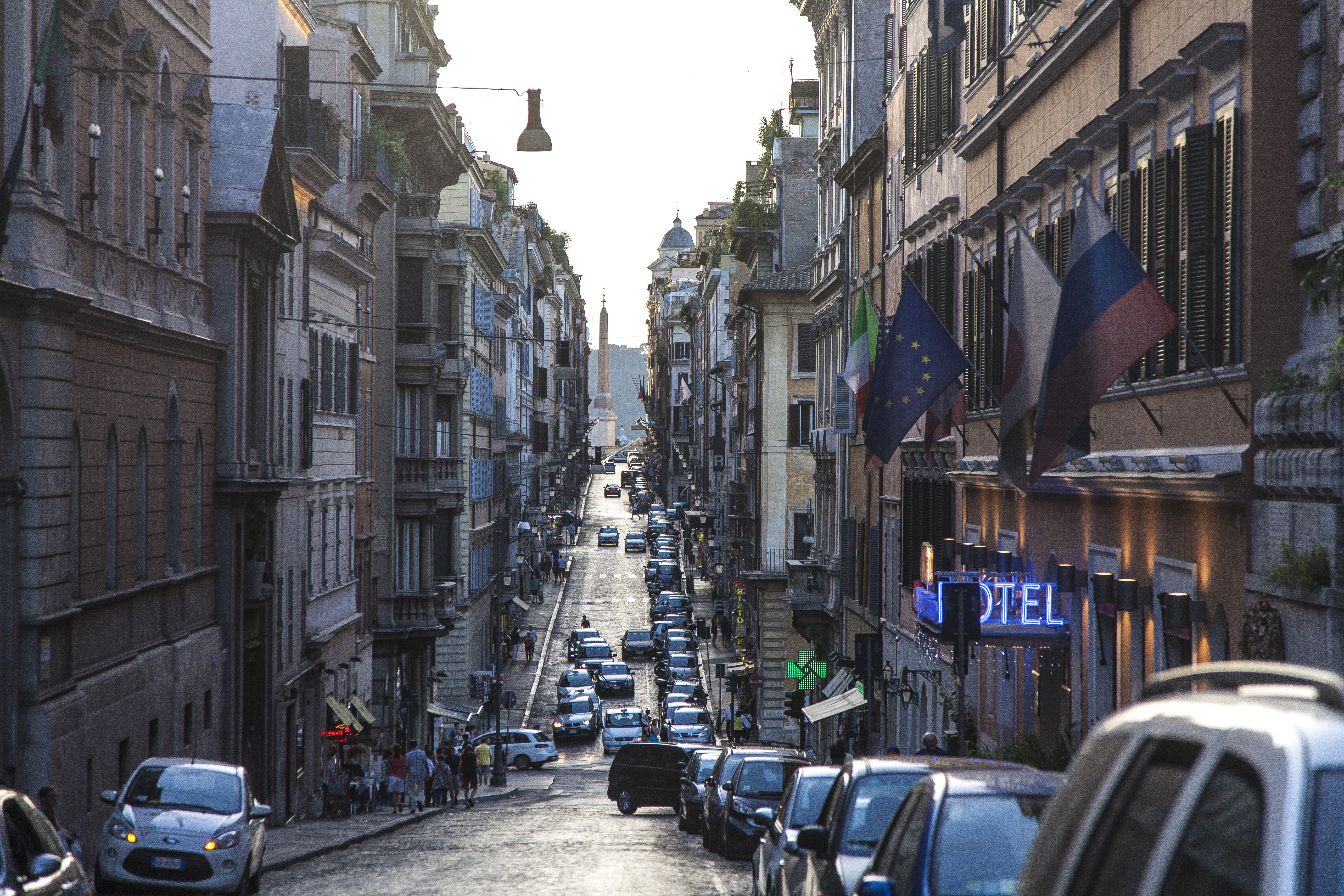
Rome

Rome

Rome

Rome

Rome

On our way back I started feeling unwell because of the heat, so had to go back to the hotel, where I just lay on my bed, like a beached seal, for a good two hours, although duty was calling me to continue sightseeing. The next item in line was the Mouth of Truth, where Audrey Hepburn and Gregory Peck’s characters put their hands in the unforgettable “Roman Holiday”. Unfortunately, when I got better and checked  the Internet, I realised that it had relatively short working hours and was closing at that very moment! In that case we decided to follow the example of the “Dolce Vita” characters and head to Via Veneto. The guide in our bus had promised we would spot celebrities and paparazzi hunting for them, we saw neither though.

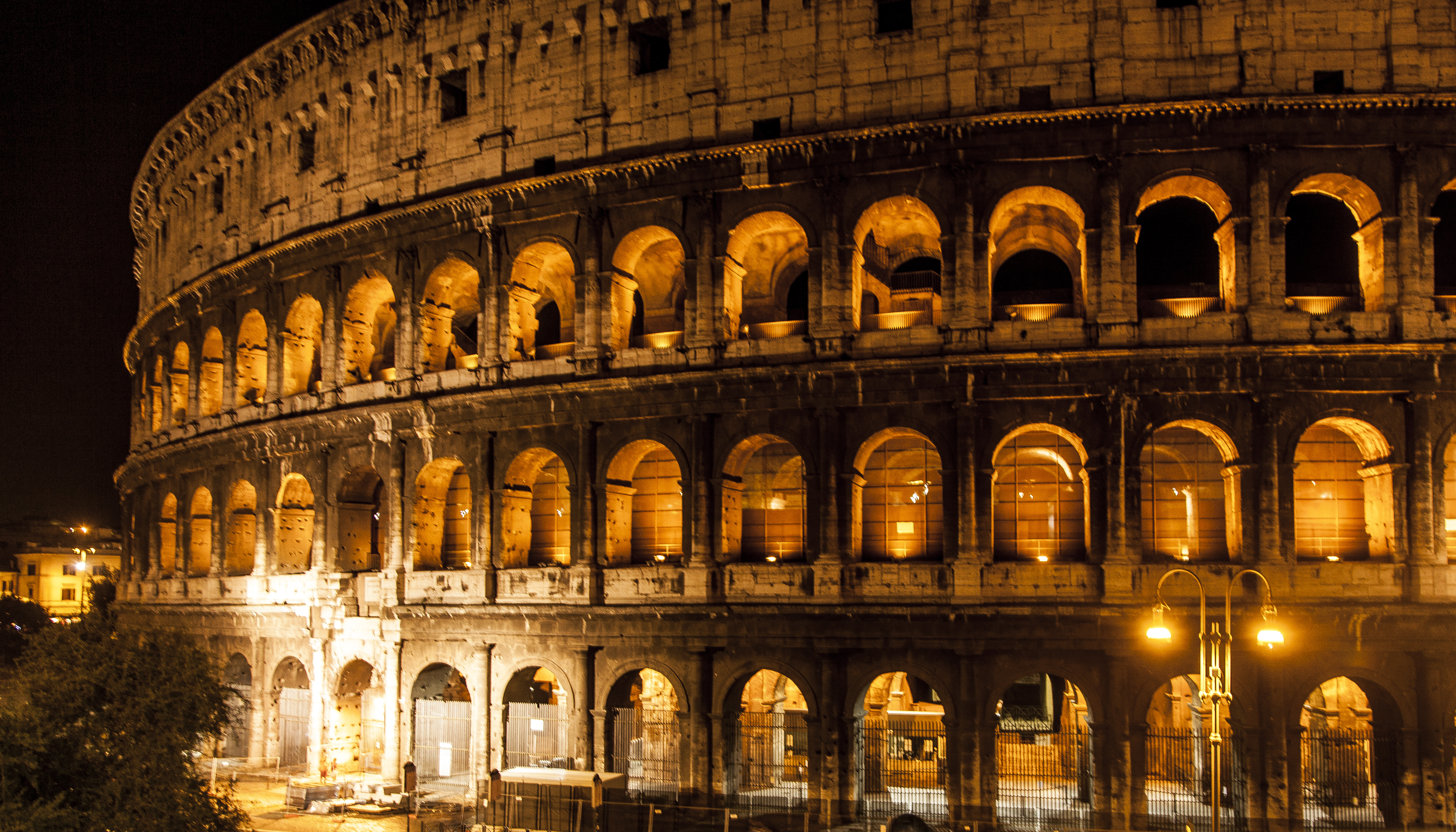
Colosseum by Night

Posted in Croatia, Dubrovnik, Europe, Kotor, Montenegro

Croatia – Day 7

РУССКОЯЗЫЧНАЯ ВЕРСИЯ ПО ЭТОЙ ССЫЛКЕ. CLICK HERE FOR RUSSIAN VERSION.

30 August 2012 – Thursday

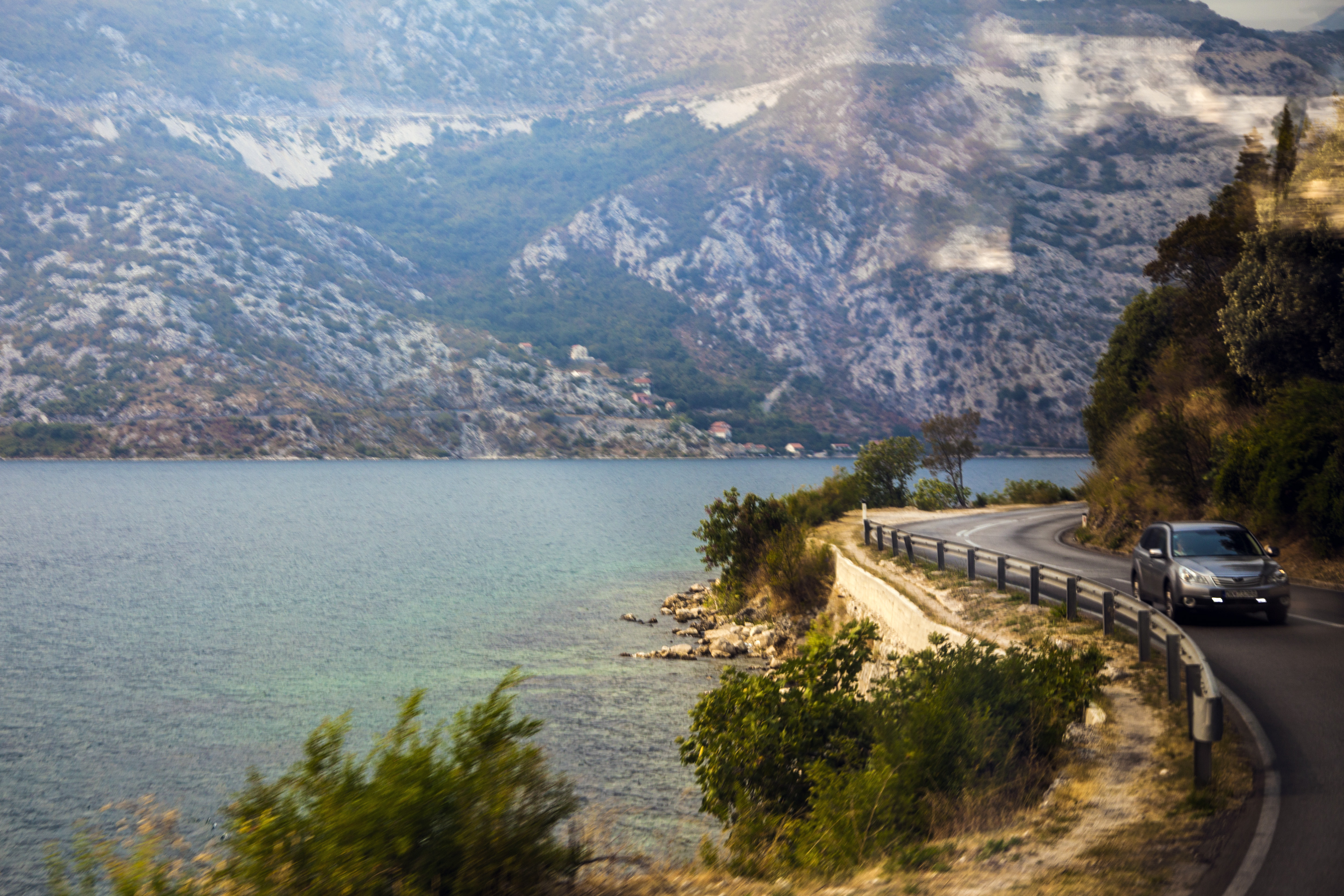
Today, by contrast, was a very active day: we took the long-awaited trip to Montenegro. The mountain forest road, which took us quite long to drive through until the border, was indeed beautiful, but the day was extremely hazy. At first we thought it was fog, but then it turned out that it was the smoke from forest fires in Bosnia. We were told that the situation was really critical there, so a few sections of Croatian firefighters were sent for help.

In general, our guide Petra told us a lot of things, mostly about Croatia, though. For example, we learned that the Lokrum island (very close to Dubrovnik), famous for its parks and entertainment,  had been cursed. A very soon death is believed to await anyone who stays there overnight. The superstitious Dubrovnikers still believe in this, so every day the last, eight o’clock boat to the city is fully packed with people hurrying to leave the island.

We also learned that  Dubrovnikers do not like to rent housing, but tend to buy it instead – so they feel safer. In this case, they have to take mortgage loans for 30-40 years because of very high cost of real estate.

Driving further up in the mountains, we saw three islands from up high: Mrkan (St. Martin), Bobara (St. Barbara) and Supetar (St. Peter’s). In the 14th century, first quarantines in history were located on them, and all those traveling to Dubrovnik (then Ragusa) were required to spend 40 days there, hence the name (from the Italian word “quaranta” – “forty”). Owing to this, plague spread very little in Dubrovnik.

Driving past Konovle, we heard about the fertility of these lands. Here exists a kind of black market for vegetables here: there are women working on the fields, referred to as “our ladies”, who can be called any time and asked to deliver fresh vegetables, which they will do the same day (or, the latest, the next morning), bypassing shops and markets.

We got slightly anxious, approaching the Montenegrin border, and took out our passports and insurance documents in advance. But everything went smoothly and no one got into the bus to check anything – Petra sorted everything out by herself.

Generally, the difference between Croatia and Montenegro can be noticed immediately: Montenegro seems poorer, the houses are more dilapidated, there are lots of signs in Cyrillic script (they use both Latin and Cyrillic scripts here) and in Russian too.

The official currency is euro, even though Montenegro is not part of the EU and not going to be one in the foreseeable future. There is an explanation. This area is located at the junction of the Eurasian and African tectonic plates, which results in frequent earthquakes. After one of such earthquakes in the second half of the XX century, Montenegro had to borrow money from Germany for rehabilitation and reconstruction. When in the 80’s Yugoslavia suffered an economic crisis and, therefore, a high inflation, Montenegro, in order to pay off the debt in German marks, asked for permission to make them their local currency. After Germany switched to euro, so did Montenegro. However, the government does not have the right to print money, it still gets it from Germany.

In general, we were told that the highlanders and the seaside residents were like two different nations. The highlanders used to lead an austere life, and very often, especially during the Second World War, when a family was left without men, some women had to take on the role of head of the family. These women, called “virdžina” (i.e. “virgin”), dressed like men, carried weapons, talked about themselves in the masculine, were always in the company of men, and only performed men’s duties around the house. Nowadays this tradition has practically disappeared. As for the seaside residents, they, in particular Kotorians, used to be were very educated (education was received by both young men and women, even from common families) and looked down upon the highlanders.

When the Boka Kotorska (Kotor Bay) eventually  appeared in sight, we were really disappointed: in the haze it looked like a decal, devoid of any colors, moreover, the fog was so thick that we couldn’t see almost anything. We were taken to a place which was supposed to have a magnificent view and where we could take photos of the Kotor Bay. But there wasn’t much to take pictures of.

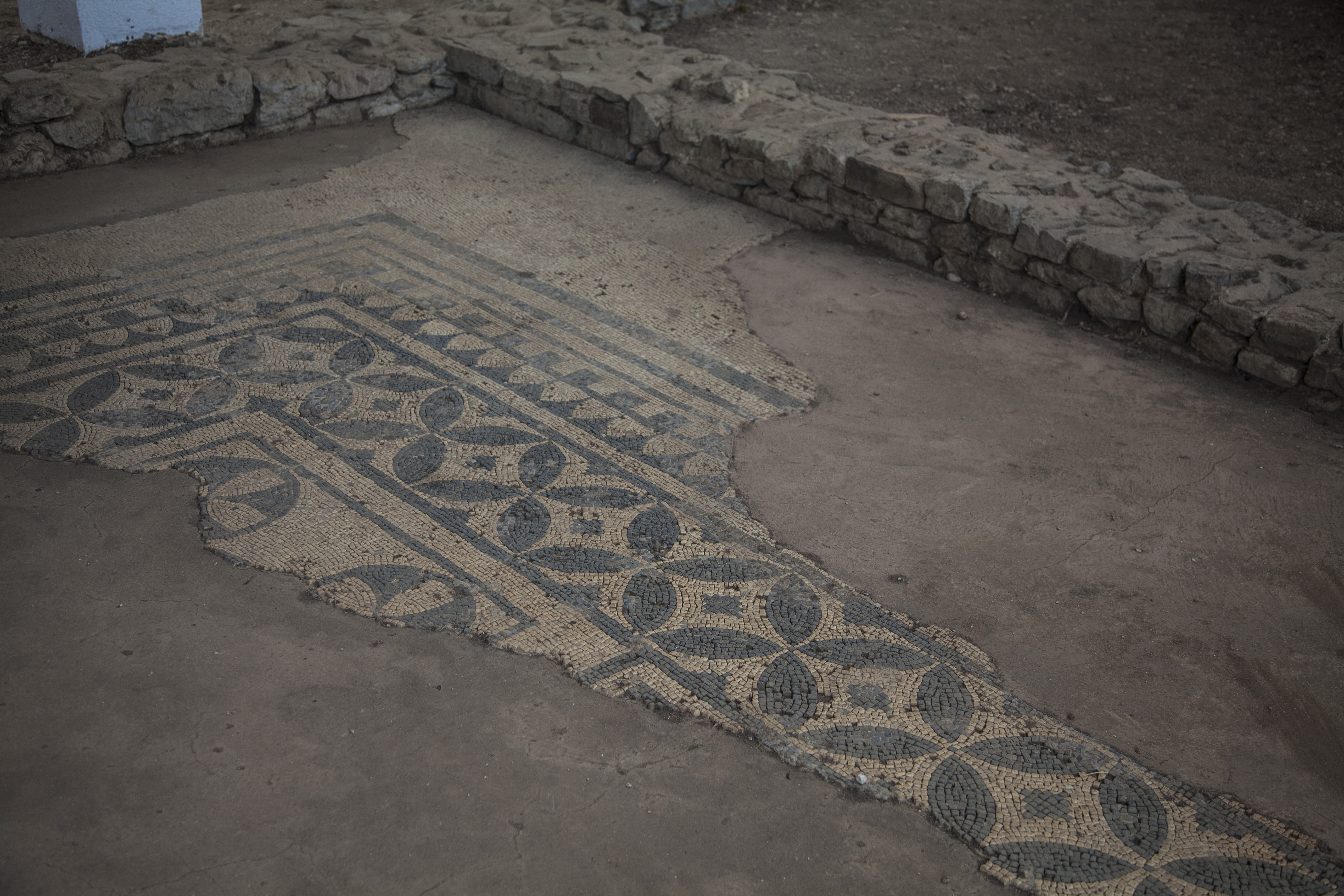
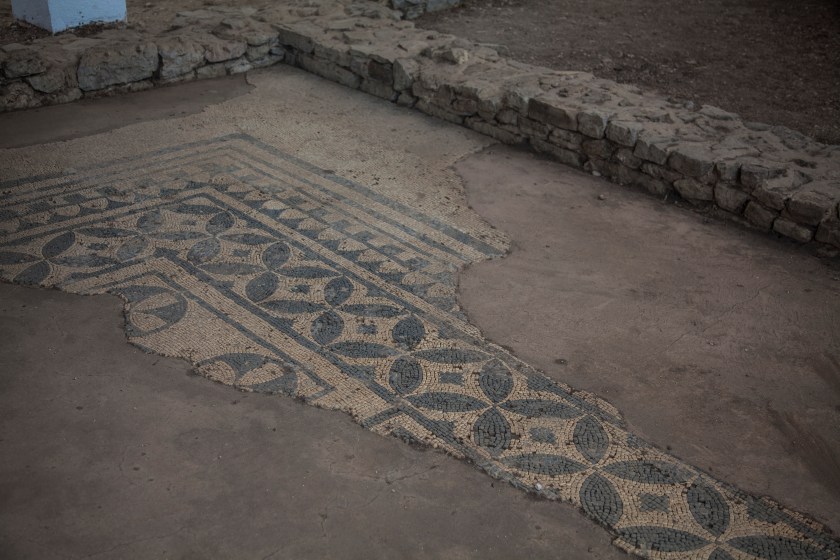
And so, sad and disappointed, we drove to a place called Risan, famous for its Roman mosaics. There are the remains of an ancient Roman villa, which has fragments of these mosaics on the floor.

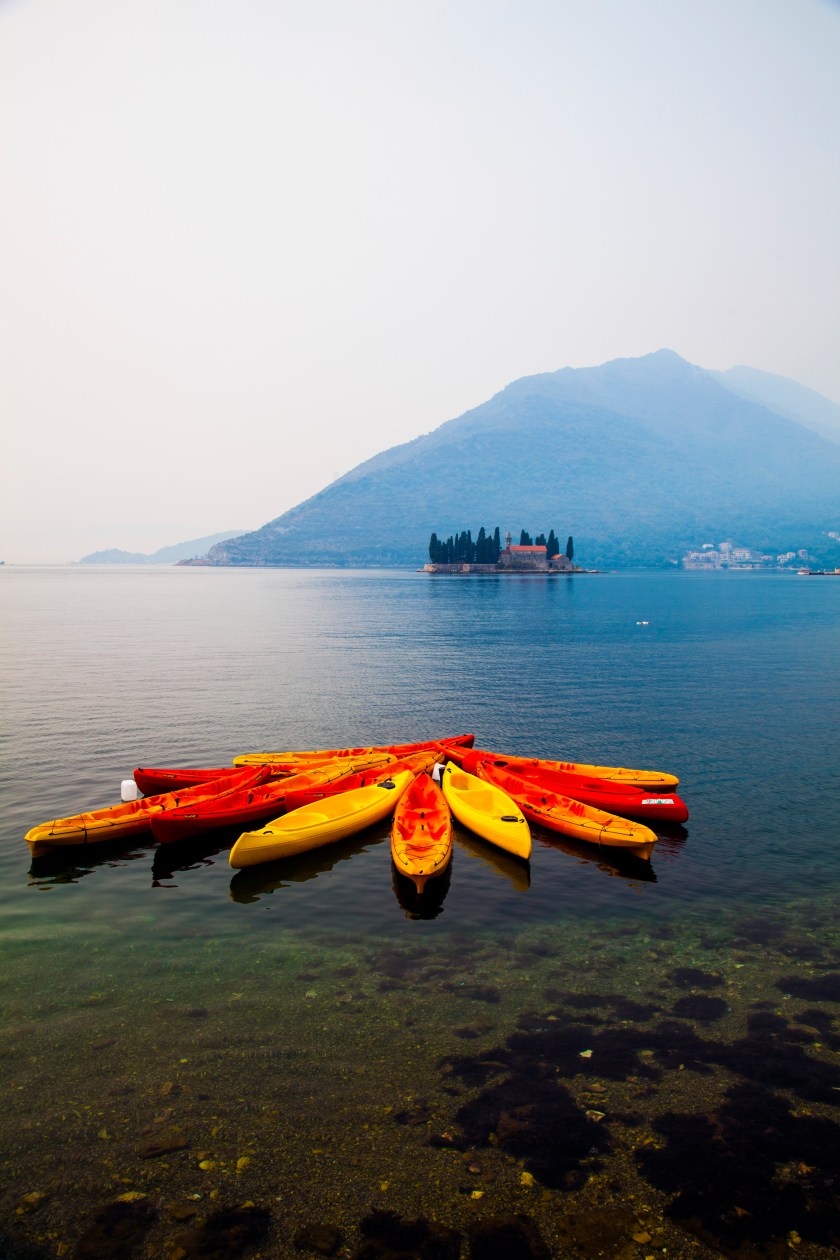
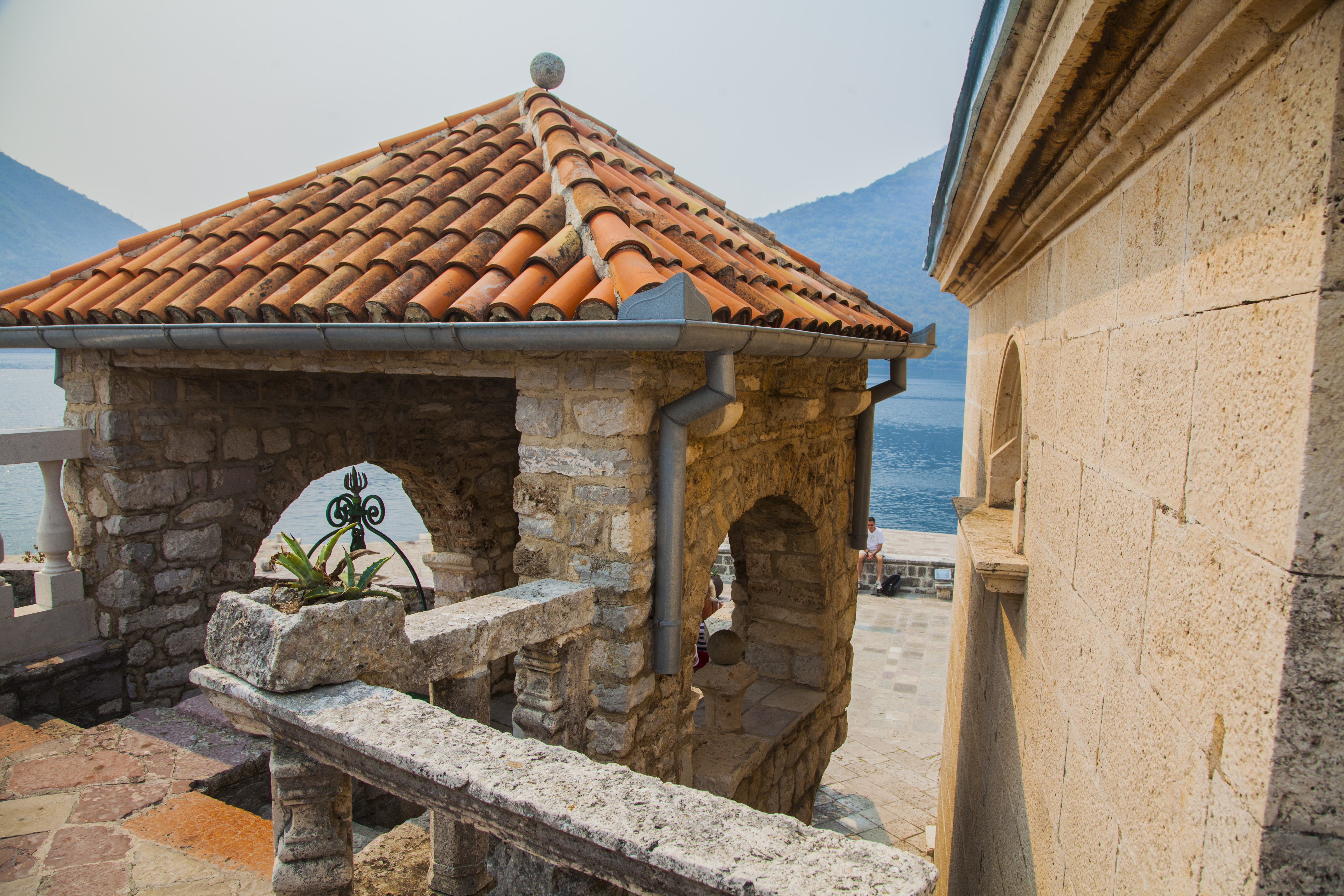
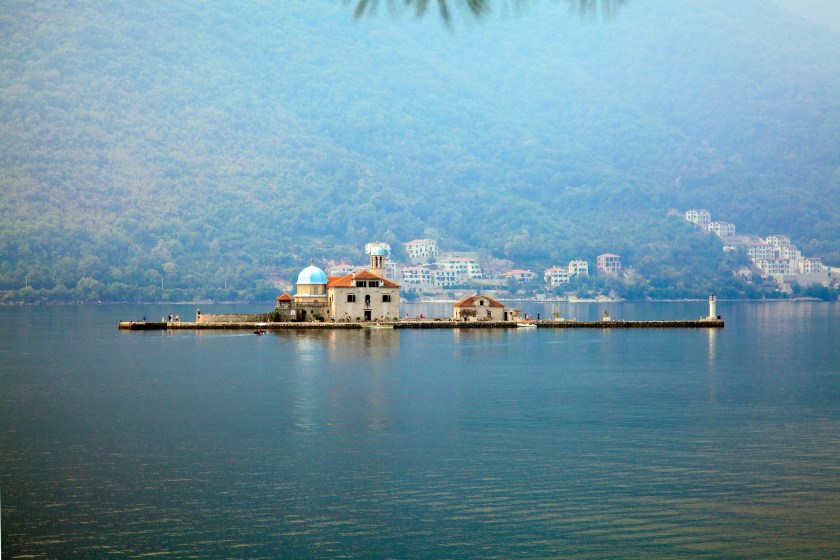
Near the town of Perast we boarded a boat and headed to a small man-made island called Gospa od Škrpjela (Our Lady of the Rocks) with a church of the same name. The origin of the island is rather interesting. For some reason, the Catholics in this area did not have their own church. But once, as legend says, a fisherman found an icon on a rock right in the middle of the Bay. This was considered to be a sign from God, so since then fishermen would throw more and more rocks one on another, after returning from each successful journey and also sank their old ships, loaded with stones.  That is how the island was built.  The tradition to throw rocks still exists – every year, on the day when the icon was found, local people throw more rocks. The church looks very nice inside, with many beautiful canvas by a famous local painter Tripo Kokolja. The altar is made of several kinds of marble, the most rare and expensive of which was exchanged for silver on a  kilogram per kilogram basis.

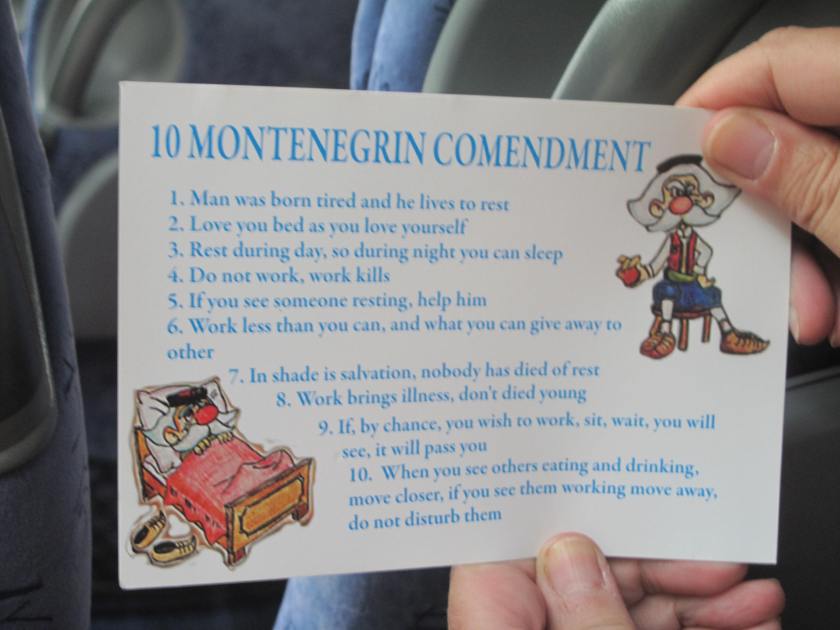
As we were driving down towards Kotor, Petra told us of some humorous stereotypes which people of the former Yugoslavia have about each other. Thus, the stereotypes are that the Croats are very good singers, but also are too arrogant, the Bosniacs have great sense of humour, but are not particularly bright (sorry, don’t mean to offend anyone – these are not my words, but those of a Croat lady after all!), and the Montenegrins are very lazy. There is even a joke about a competition on who can lie on the road for the longest time. After 24 hours, the competition had to be stopped because the three participating Montenegrins were still lying there with no intention of getting up in the near future. We were shown a card with ten funny Montenegrin Commandments:
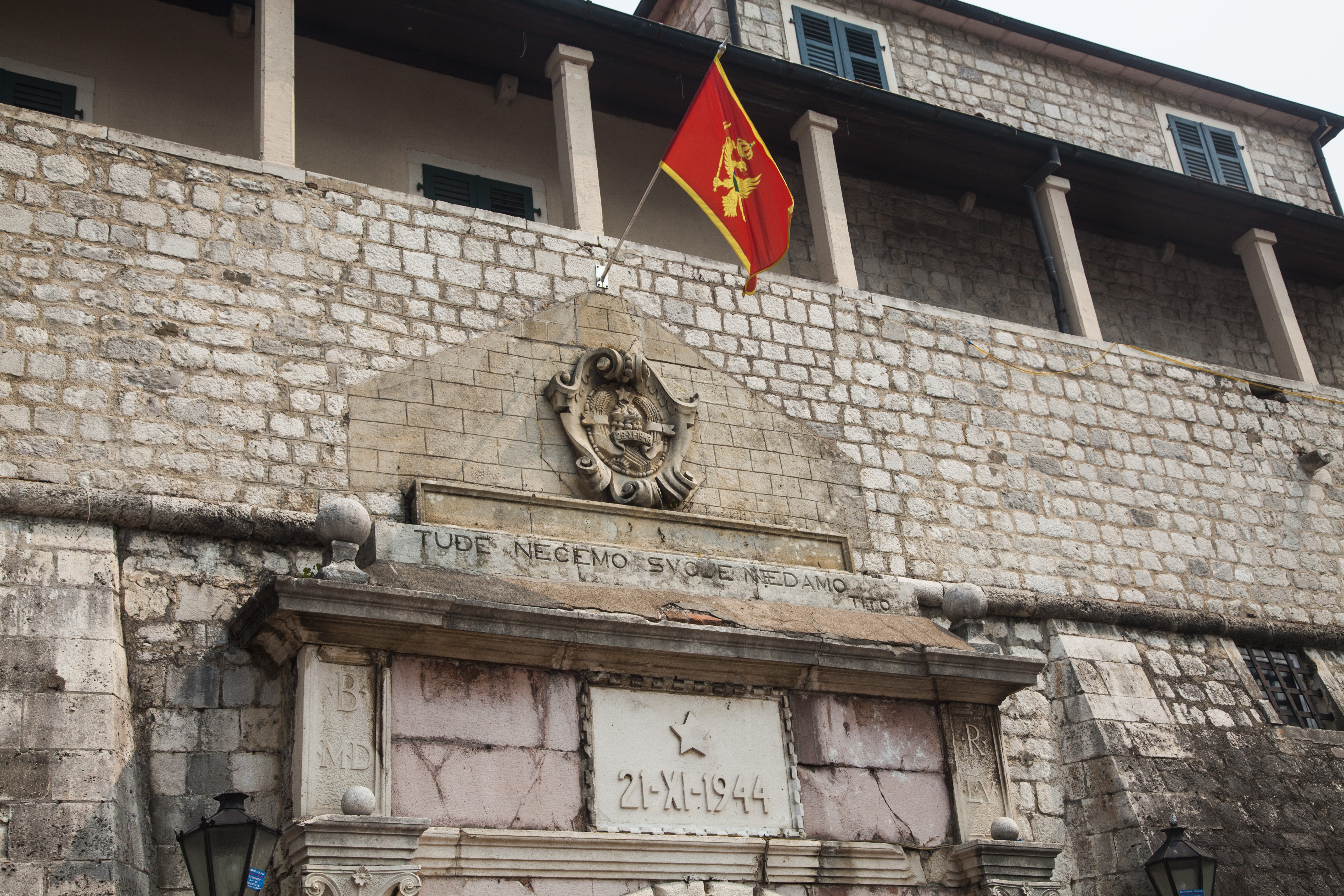
In Kotor we were passed to a Russian guide (a lady named Katya, from St. Petersburg, living here for seven years). Very quickly, she walked us around the Old City, as we only had two hours of free time, including a guided tour and lunch. The Kotor city walls are located high in the mountains, and we didn’t get to climb up there. The Old City has plenty of churches and monasteries, the first music school in the Balkans, the first theatre (now it has been sold to become a hotel, so there is no theatre in Kotor anymore). There are both Catholic and Orthodox churches here, but the Catholic ones are more in number – as there are more Catholics here, although generally the majority of Montenegrins are Orthodox. In tough times, many churches had a Catholic and an Orthodox altar at the same time, i.e. were open for both confessions.

Along with other memorable places, our attention was brought to the Pima Palace on the Flour Square. Head of the Pima family used to be one of the largest grain traders here.

Interestingly, in contrast to Dubrovnik, the buildings here are necessarily located at an angle to each other – it was believed that locating them in a row would bring bad luck.
The Kotorians are most proud of the fact that they never were under the Ottoman Empire, even though in their history they used to be subordinate to Venice, were occupied by a Napoleon’s general and by Italian fascists (for two months). On this occasion, we heard a story how Jesus Christ appeared to a girl named Katarina from a mountain village and told her that in two hundred years, the Turks would attack Kotor. The girl didn’t hesitate to come down from the mountains with her mother to warn the Kotorians about the danger. The latter immediately started building a wall to protect their land, succeeded in this and, when the the Turks did attack, they managed to parry the enemy’s strike. Katarina herself had become a nun. In appreciation, her relics were later transferred to the Church of St. Clara, right here, so that the saint would continue to defend the citizens.

By the way, her descent from the mountains was no big deal – we were informed that some inhabitants of the mountain village Njeguši do it every day when delivering products to Kotor.

Driving out of Kotor, we saw a beautiful town on the other side of the bay (the fog had already cleared a little) – either Muo or Prčanj, where we weren’t taken. There was no time left for bathing either, although there were beaches here and there.
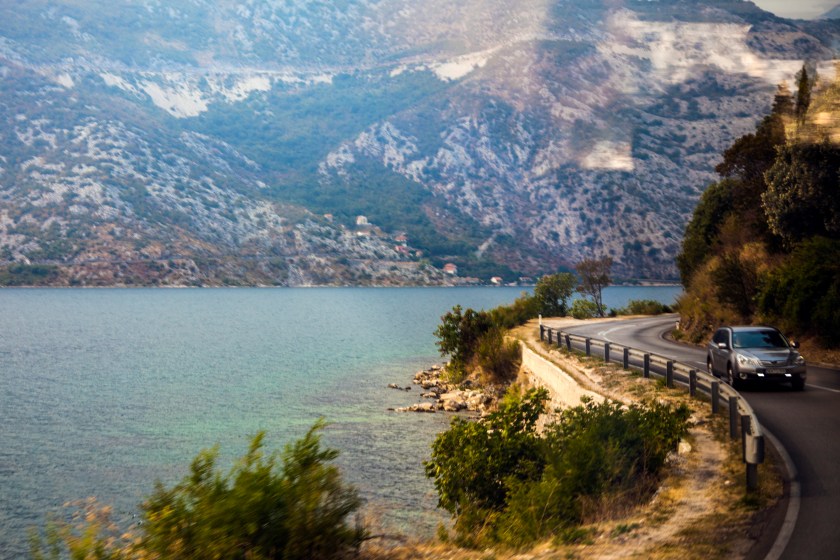
On the way back we were told that during the previous tour a few days before, the car queue on the border was seven kilometres! The most thorough shakedowns are usually undergone by those with Albanian and Kosovar passports – this road is actually a drug “Silk Road”. Recently the guards caught a couple in a car with German plates, transporting drugs for the sum of 10 million euros. But this time we were lucky, there was only one bus ahead of us, from Ukraine, which took quite a long time to check though.
Posted in Europe, France, Paris

Paris, je t’aime – Day 2

РУССКОЯЗЫЧНАЯ ВЕРСИЯ ПО ЭТОЙ ССЫЛКЕ. CLICK HERE FOR RUSSIAN VERSION.

22 March, 2010

It was a long and rich day full of impressions! It began at 9 am, when we left the hotel after the breakfast. The original plan to go to the Louvre was dropped immediately, because the weather was delightful and promised to stay delightful all day, so spending a day indoors would have been a sin!

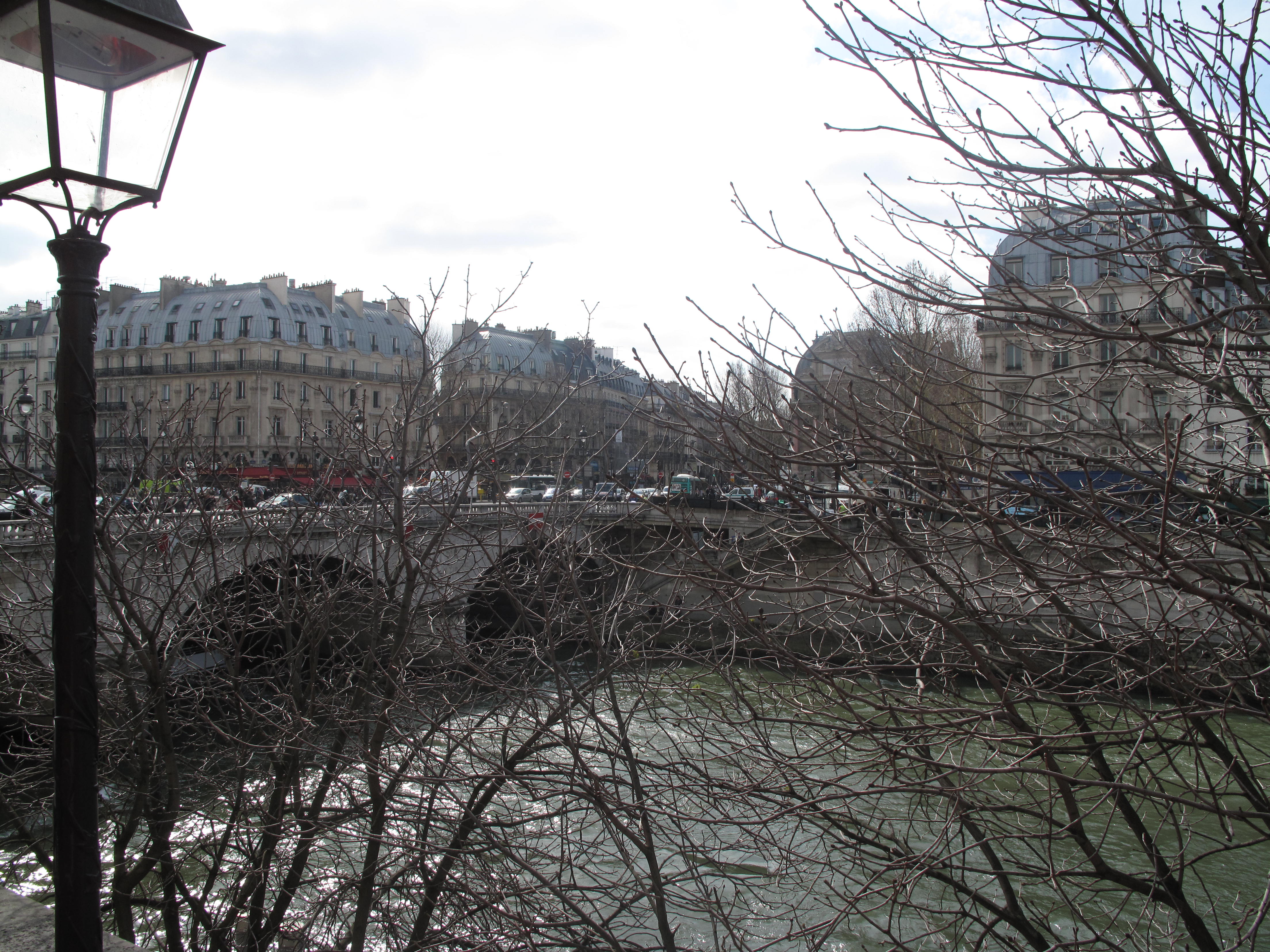
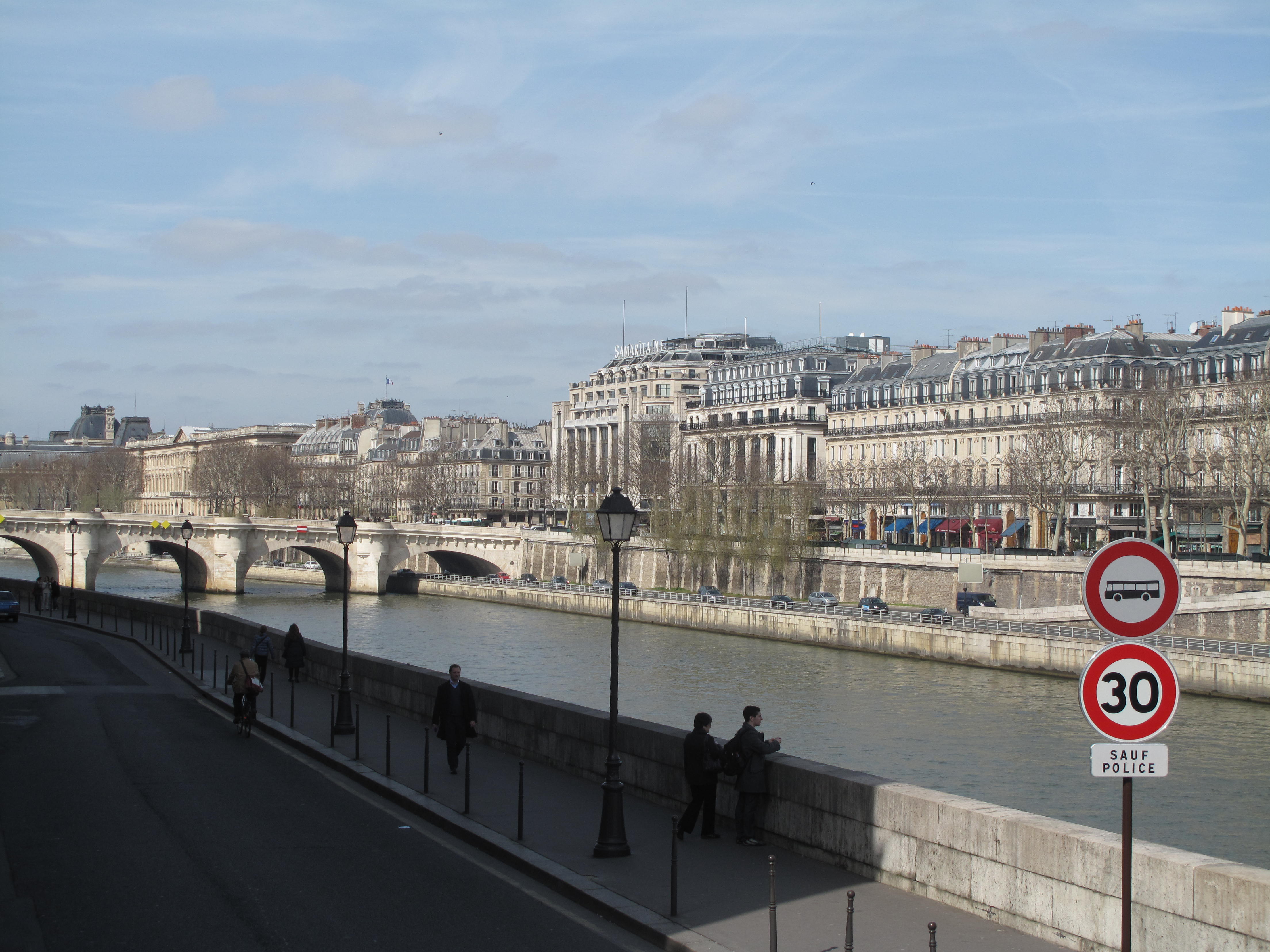
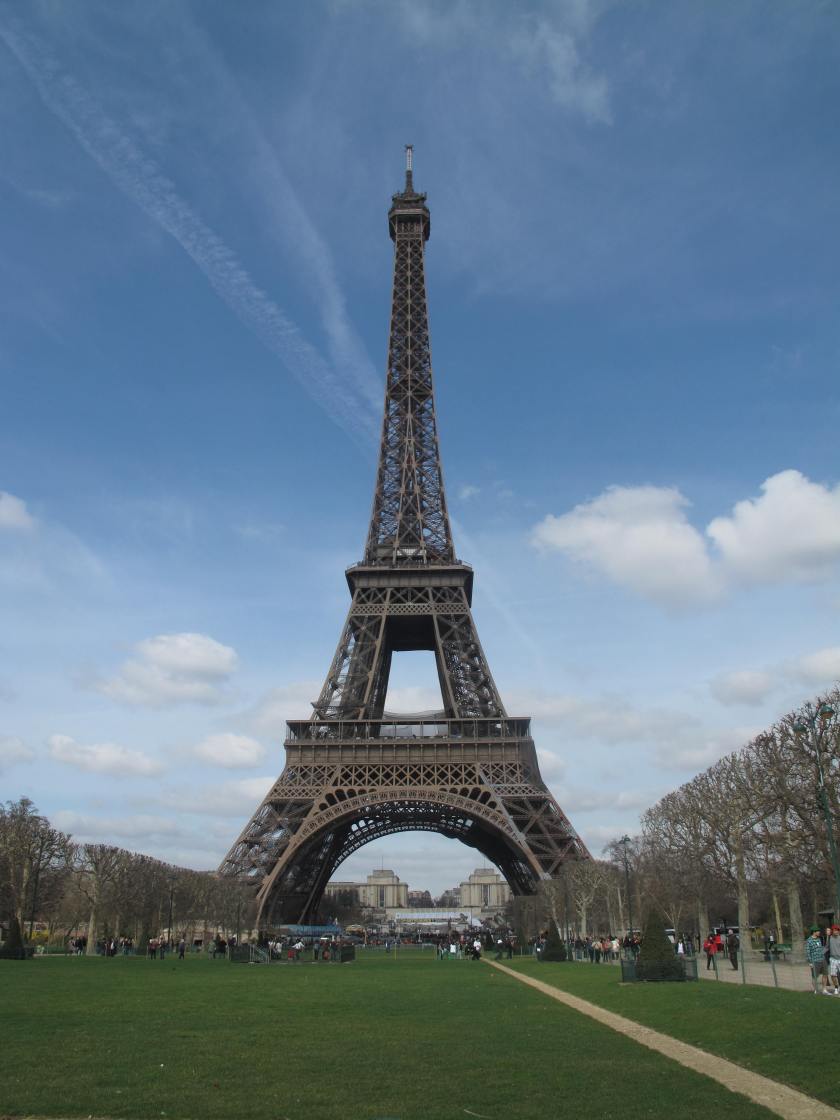
And so we walked to the quay of the Seine, and decided to go to the Champs Elysees from there, but this plan was soon changed as well, and we headed to the Eiffel Tower.

The road to the tower was not much impressive, but something strange happened there. Some dodgy-looking guy rushed towards us with a gold ring, asking if it was ours. After he learned that it wasn’t, he began actively trying to foist it on us, pointing at its countersign and insisting it was genuine. And then he began to beg for money to buy a sandwich and a Coke. When we asked a completely fair question on why he wouldn’t take the ring instead and sell it, he said that he was a Baptist. Somehow he managed to wheedle 4 euros out of us (yes, I always knew that the word “DUPE!” was written in large letters on my forehead). As for the ring, we decided to throw it out of harm’s way, as the whole story seemed too suspicious. Thinking back now, I realise that there wasn’t need to worry too much – the ring, according to its weight, was not gold at all, and most probably this is a common scam.

Then we walked to the Eiffel Tower without any incidents. Unfortunately, we didn’t have the chance to go up, as the queue was unbelievable and we didn’t want to waste time standing in it. Especially that there were a lot of gypsy beggars scurrying around, soldiers with weapons, and more dodgy guys selling Eiffel Tower figurines and trying to palm them off on us. However, at some point they suddenly started off to run somewhere simultaneously! Most likely, they were running from the police, but my mom’s comment really made me laugh: “Where are they running? Did anyone tell them that more dupes had arrived?”

The Eiffel Tower itself made me want to take an infinite number of pictures of it. And the sight of this beauty was simply breathtaking. However, if you look closer, the tower doesn’t have any special beauty. By essence, it is a pretty ugly construction. So, I think that its beauty is a purely psychological phenomenon – it is the main symbol of Paris, one of the world’s major attractions, so our eyes are used to considering it beautiful.

After viewing the tower on all four sides and at least a dozen of photos made, we decided to take a bus tour around the city, taking advantage of the good weather (quite unusually, it didn’t start raining with wind, as it always happens when I get in an open-topped tour bus!). And this, I must say, was a very good idea. Such tours should always be taken at the very beginning of one’s stay in a city – it allows to understand its structure and logic, and at the same time to determine the places that you want to visit later. Especially that there are always places that you generally do find interesting, but seeing them from the bus is just enough, and in the future you don’t have to spend time on visiting them. For example, the Place de la Concorde, which we drove through so many times that we definitely didn’t want to visit it separately.

We got off near the Notre Dame Cathedral, looking for a place to eat, but for some reason couldn’t find anything other than sandwiches and croque-monsieurs. So we had to get on the bus once again and head to the Galeries Lafayette.

This area is somewhat like the City of London, where the majority of people are wearing suits and there are lots of banks around – Commerzbank, BNP Paribas, etc. We managed to find a restaurant here.

Looking through the menu, I came across a dish called «Rôti de chapon aux cèpes avec Gratin Dauphinois», and became interested, because I had previously heard of Gratin Dauphinois being a very tasty potato dish. I had no clue what “chapon” was, though, so I asked the waiter. He replied that it was “le coq”, and mimed the process of castration. By the way, the poor cockerel tasted quite good, and the Gratin Dauphinois was absolutely fabulous!
After lunch, replete and happy, we continued our tour bus, to go back to Notre Dame de Paris and get inside. As there was still plenty of time before the 6 pm mass, which we very much wanted to attend, we decided to get off near the Eiffel Tower once again and have a cup of coffee in one of the outdoor cafes.

Then we caught another bus and headed directly to Notre Dame de Paris. On the way, I made a few observations. First, it is the love of the French for their flag. It seems to be everywhere: not only over every state institution, but also over all billboards.

Secondly, it is the huge number of motorcycles on the roads, I’ve never seen that many before! And most importantly, they tend to rush at a crazy speed!

And third, I noticed that the names of shops, cafes and hotels are directly dependent on the location. For example, they are all called “Madeleine” in the neighbourhood of the Madeleine Church, or “Notre Dame” in the area of Notre Dame de Paris.

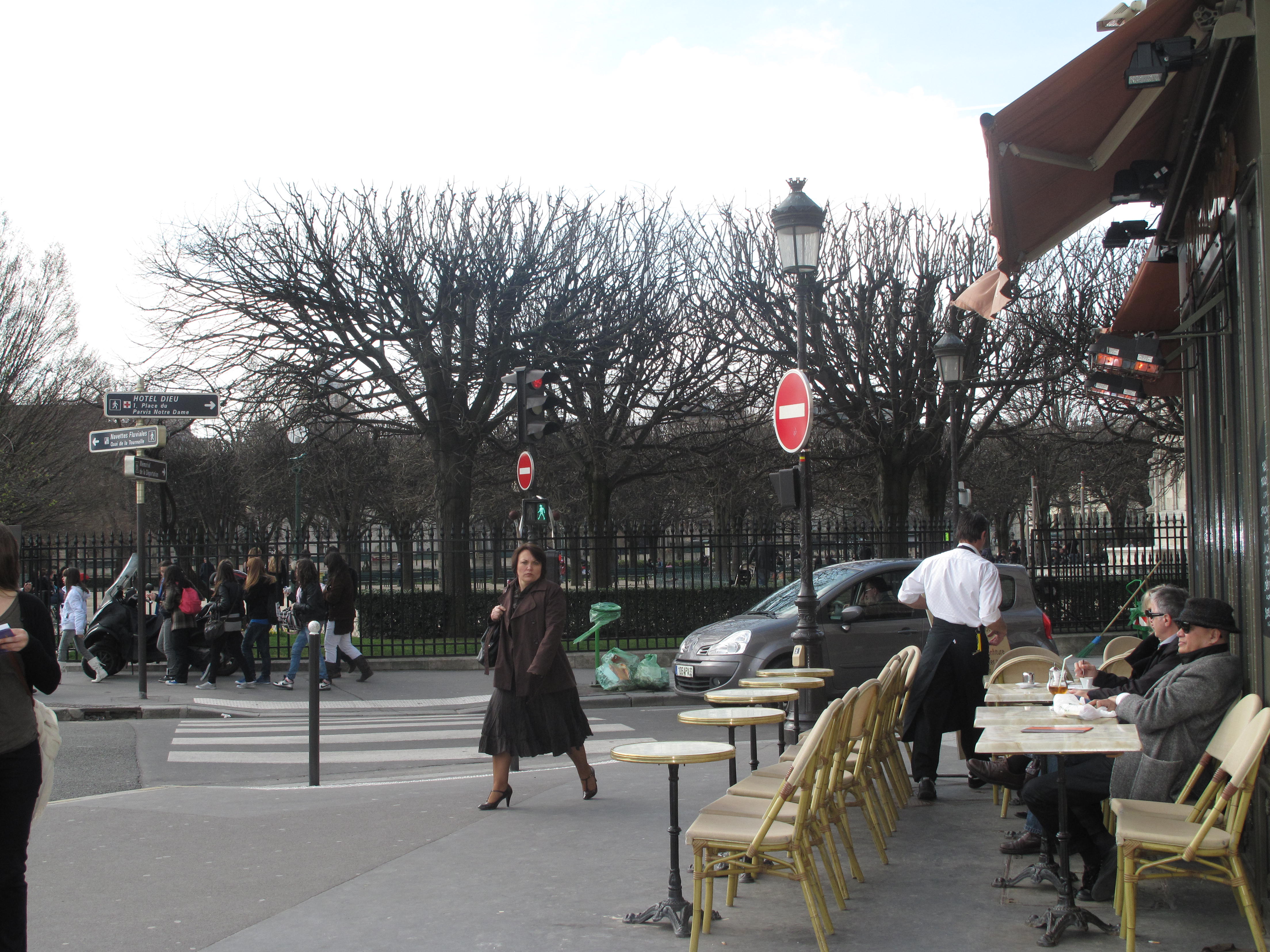
Speaking about the Notre Dame Cathedral, initially, we were prepared to stand in a long queue for an 8-euro ticket. As we approached the tail of the queue, we noticed a sign, saying that there was no point in joining the queue, as that was it for the day. We got very upset, but then decided to ask how to get to the mass, and found out that the entrance was through the church, and it was free! Frankly, I didn’t understand what these guys in the queue were planning to pay 8 euros for, because inside, we were able to view everything free of charge. Actually, “free” is a bit of an overstatement, as we had to spend money on candles, and metal medals “for luck”, and the entrance to the treasury of the church, and the donation after the mass.

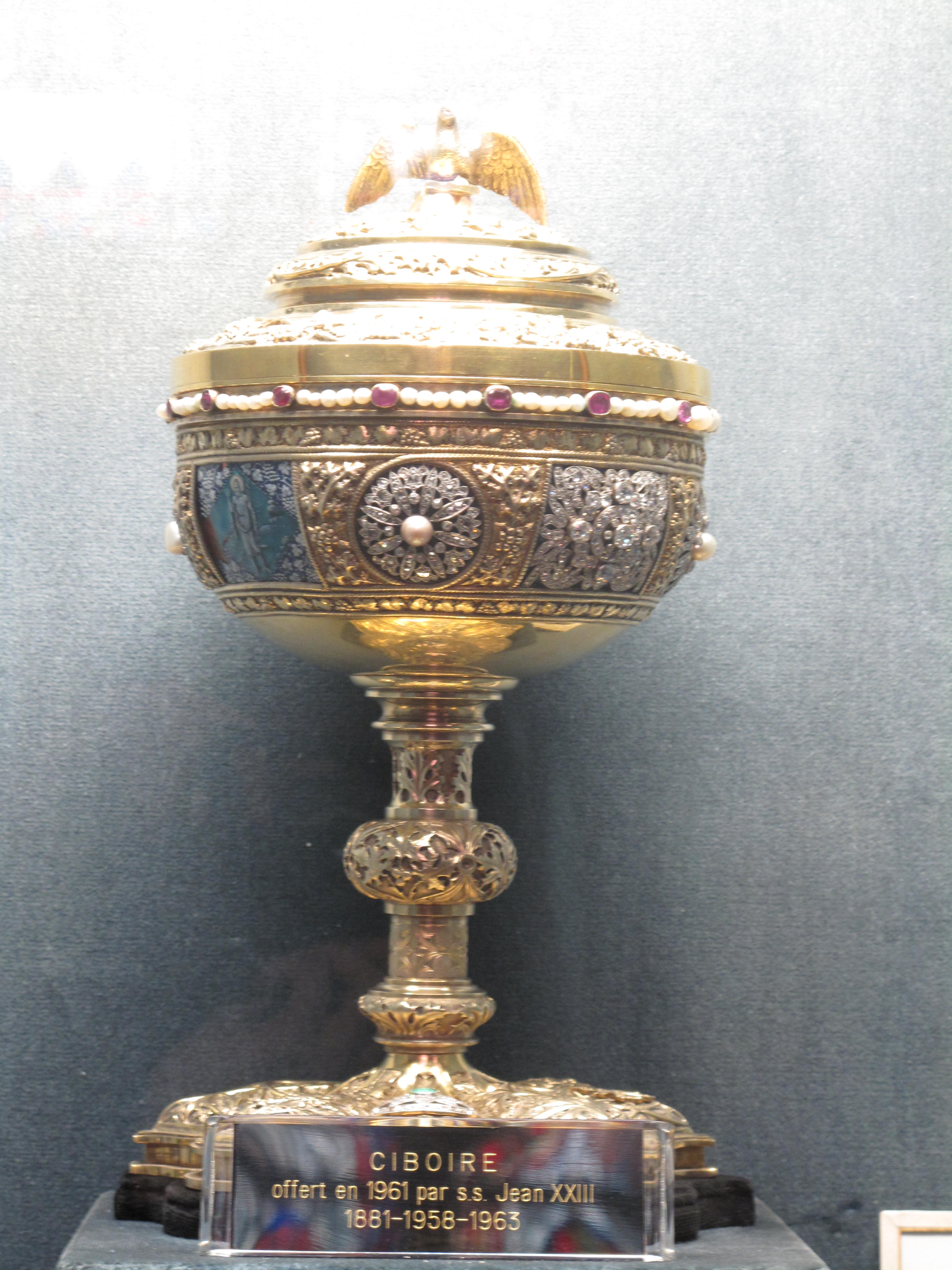
The treasury was well worth the three euros paid for it – it had amazingly beautiful goblets, finger rings, busts of various archbishops, as well as objects of unknown purpose, probably just for decoration.

We highly enjoyed the mass itself too. The service started with vespers at 17.45, followed by the mass at 18.15. Everyone was given sheets of paper with the lyrics of hymns and psalms in Latin and French. Since, wishing to see everything well, we sat in one of the front rows, we had to sing along with everyone. But it all sounded truly divine! The next part mostly consisted of preaching and talking about the biblical Susanna and the two elders, occasionally interrupted by chants such as «Kyrie Eleison».
Generally, looking at all this, I come to the conclusion that if I was a believer, I’d certainly be a Catholic. Because only Catholic churches, services and rituals make me feel awe, albeit minimal. On the other hand, it seems unlikely that I would be able to listen to stories of Susanna, the elders, and others like them with sincere reverence.

Leaving 2 euros as a donation, we left the cathedral just in time to catch the last tour bus, which dropped us off at the Grand Opera, from which we had to walk to our hotel. Once near the Boulevard des Capucines, we decided to have dinner somewhere. Seeing «Le Grand Café des Capucines», I got quite excited about oysters in the menu exposed in front of the cafe, but my mom flatly refused to try them. For the sake of revenge, I suggested Pizza Hut, where the pizza was very, very mediocre.

Posted in Asia, China, Hong Kong

Trip to China – Hong Kong – Day 5

РУССКОЯЗЫЧНАЯ ВЕРСИЯ ПО ЭТОЙ ССЫЛКЕ. CLICK HERE FOR RUSSIAN VERSION.

30 March 2012, Friday

It was the first time in Hong Kong when we had to get up very early, as we were supposed to be picked up from a different hotel, the Excelsior, to join the tour group travelling to the Lantau Island. We knew roughly where it was (behind the Sogo department store, i.e. not far from our regular tram stop), but in cases like this it’s always better to allow yourself extra time for clarification, and so we did. As a result, everything went smoothly and we joined our group. We were passed from hand to hand several times: at the first stop we were separated from those going to the New Territories, then, as Lantau is restricted to traffic and only permit-holders may drive there (including buses and taxis), we had to change the bus as soon as we reached the island.

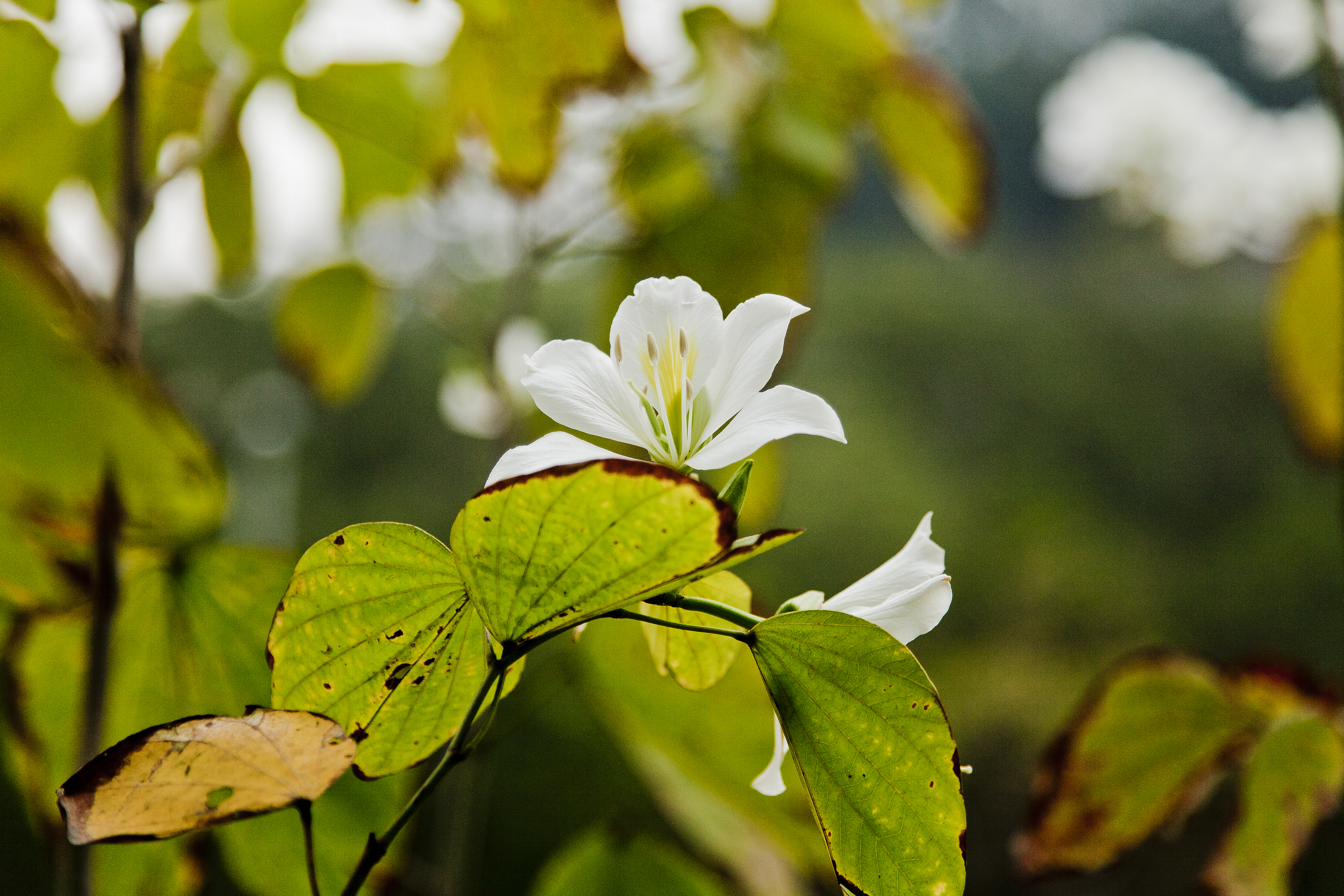
We drove over the same long bridges, as on the first day on our way from the airport, but this time we were told their names (Tsing Ma, Ting Kau and Kap Shui Mun). These bridges are for transport only, walking or cycling is not allowed. At our first stop we were given the opportunity not only to admire the view of these bridges, but also to get a closer look at bauhinia flowers, one of the main symbols of Hong Kong, as we were brought to a bauhinia garden.

Tsing Ma Bridge

There we parted with our nice guide named Ivy and were passed to another one – a lean, thin-faced guy. When I say “we”, I actually mean ten adults and one little boy – the son of a relatively young couple from the USA. Besides them, there were also an elderly couple from the USA, wearing identical vests; another elderly lady, also American; an Australian guy in shorts, who attracted attention by the fact that he had forgotten his ticket and was only able to say “Oops!” (nevertheless, he still was admitted to the trip, as the guides had their own lists of participants), and also a couple from Mainland China, speaking Mandarin only.

Despite the fact that the tour guide told us his English was way better than his Mandarin (just a reminder: the mother tongue of the local Chinese is Cantonese, which is very different from Standard Chinese), his intonations in both languages were absolutely the same and rather monotonous, so every time he was switching to Mandarin for the Chinese couple, we felt afraid that we stopped understanding him.

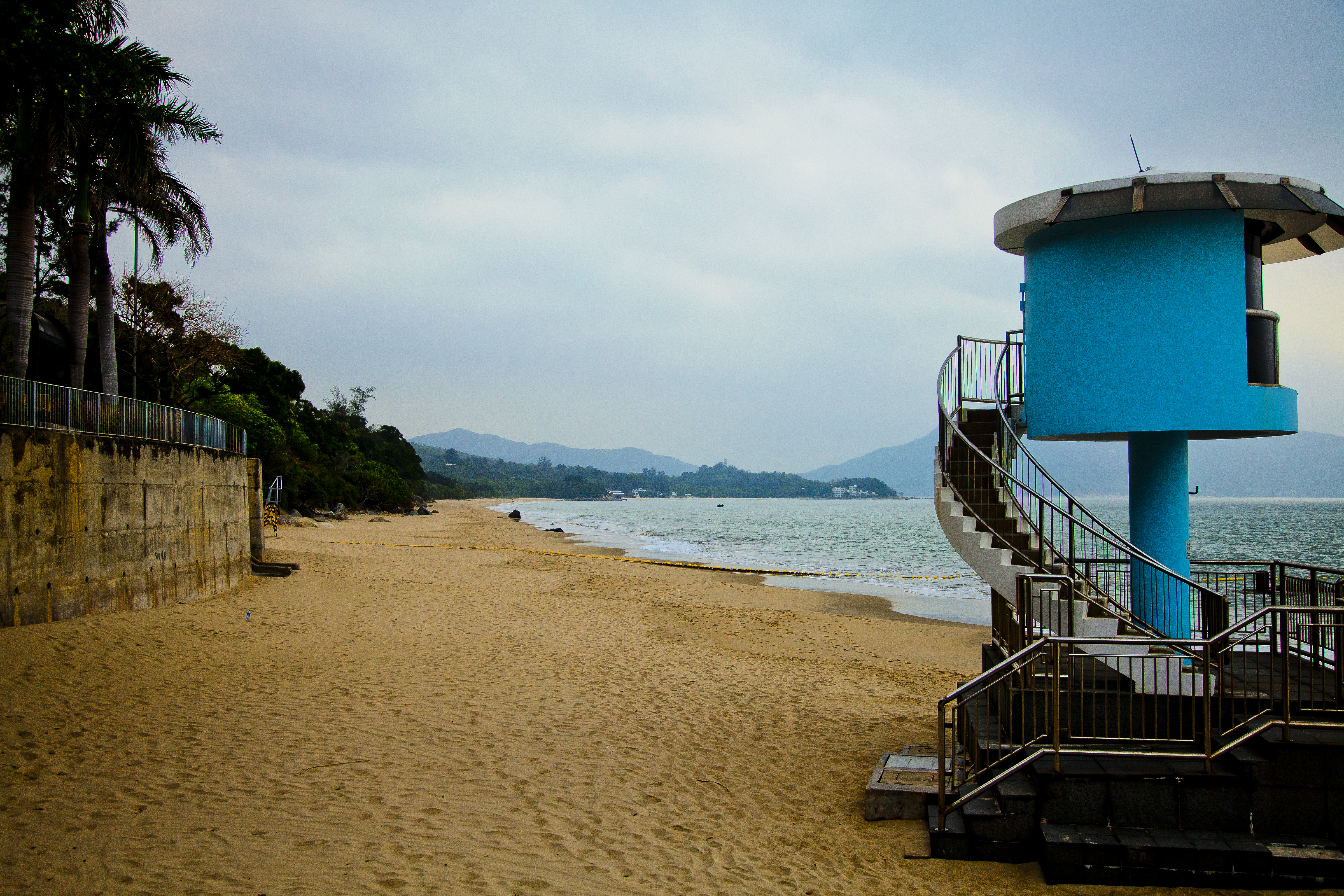
Our next stop was the Upper Cheung Sha beach. Finally we tried – with our hands and feet – the water of the South China Sea. The guide told us that the swimming season would open in three days (i.e. 1 April) – when we would no longer be in Hong Kong. In general, we were told that the time at which we arrived was the most favourable, as both in winter and in summer the humidity is too high, heavy fog makes it hard to see anything and quite often there are rains and even typhoons. The area permitted for swimming was very small and well-fenced, mostly out of fear of sharks, although they hadn’t been seen around for a long time.

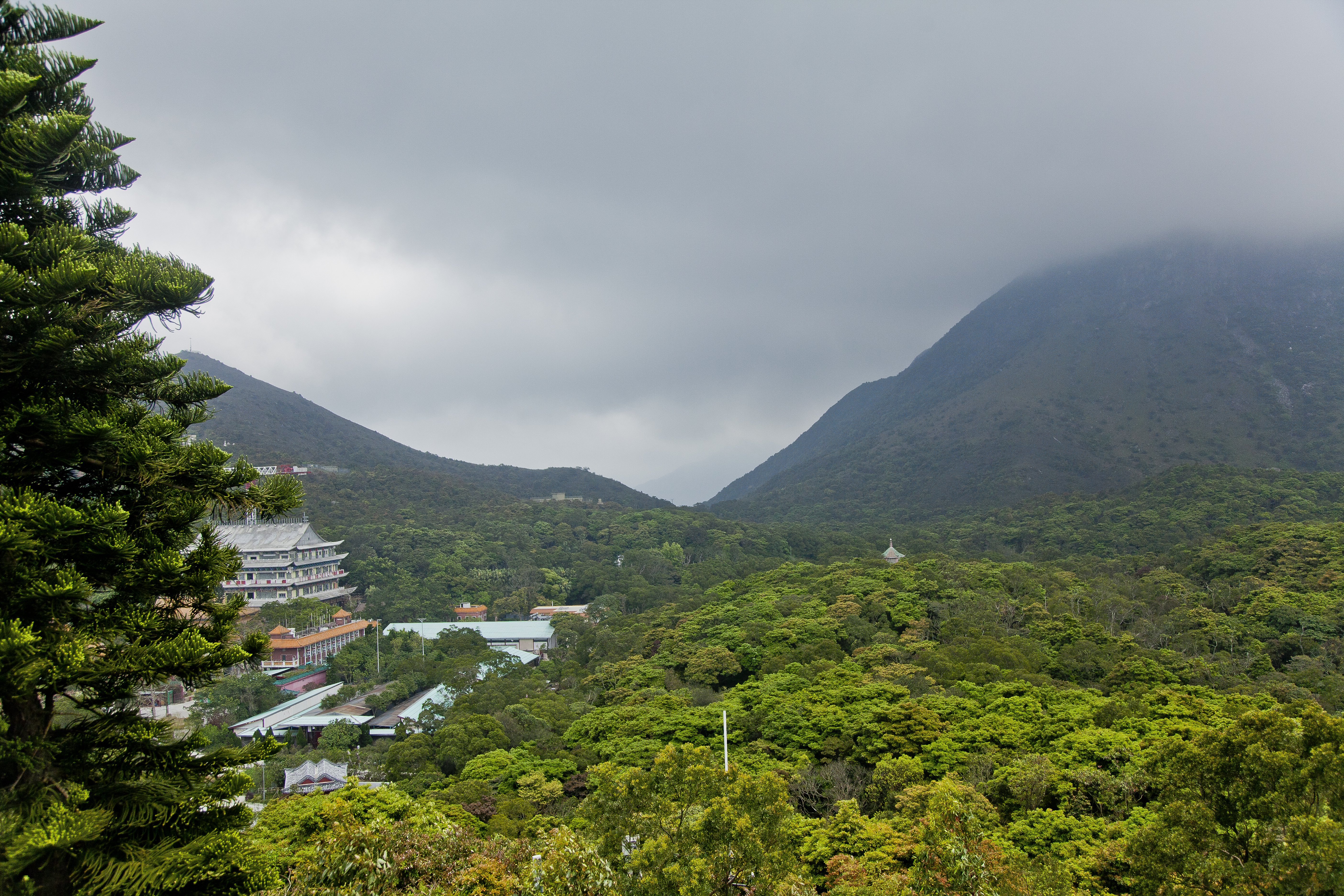
The next item on the agenda was visiting the Tai O fishing village, to which we drove through amazingly beautiful mountains. Interestingly, the general view seemed somewhat in common with landscapes of Norway, which we had seen six months before, like the northern and southern variations of the same thing.

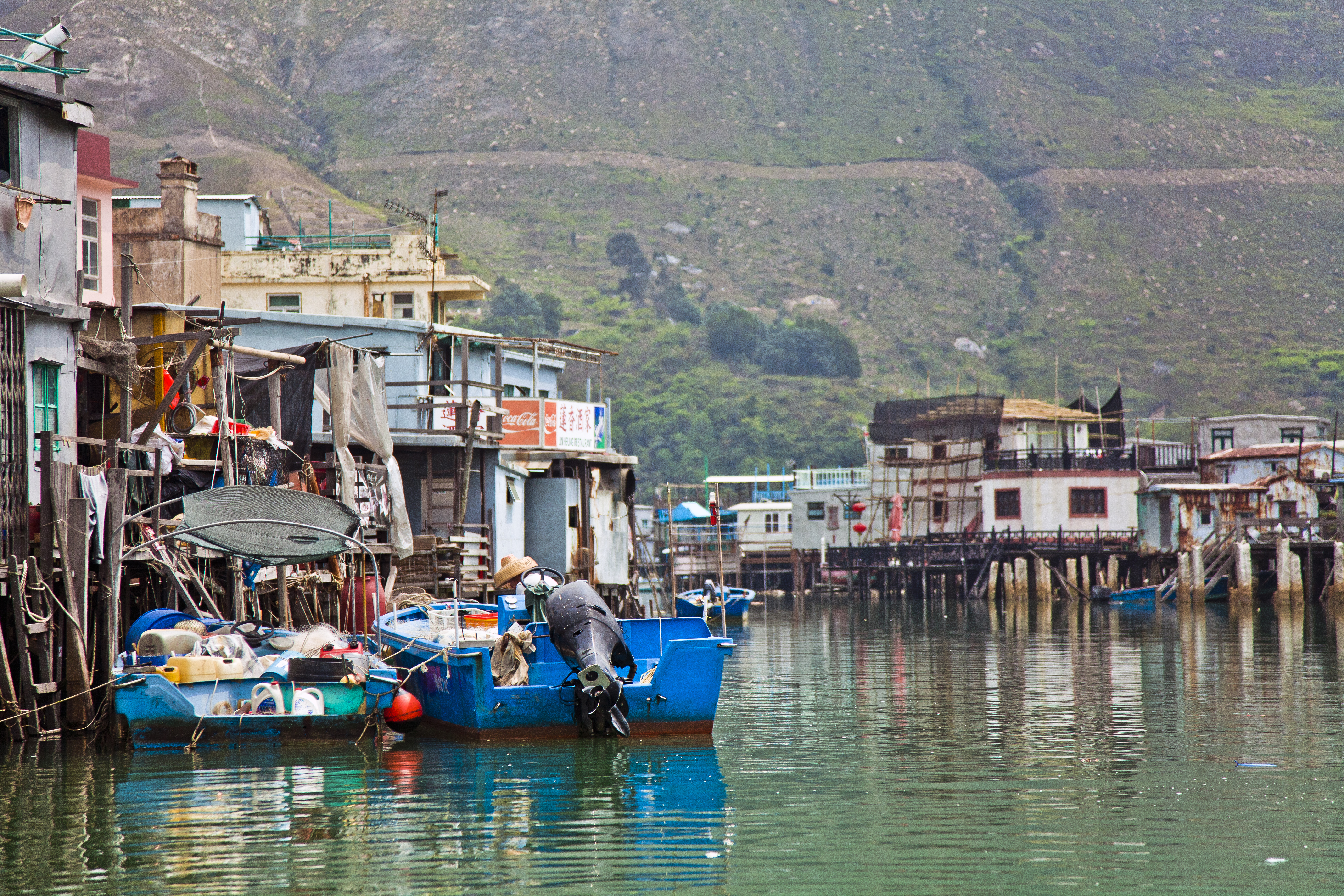
The Tai O village was a sharp contrast to Hong Kong’s skyscrapers, boutiques and luxury brands. People here live mainly in squalid, rusted shacks on stilts. A boat was moored near each shack, and it seemed that such a boat is the most valuable property of its owner, as their engines were mostly of pretty decent brands: Yamaha, etc.

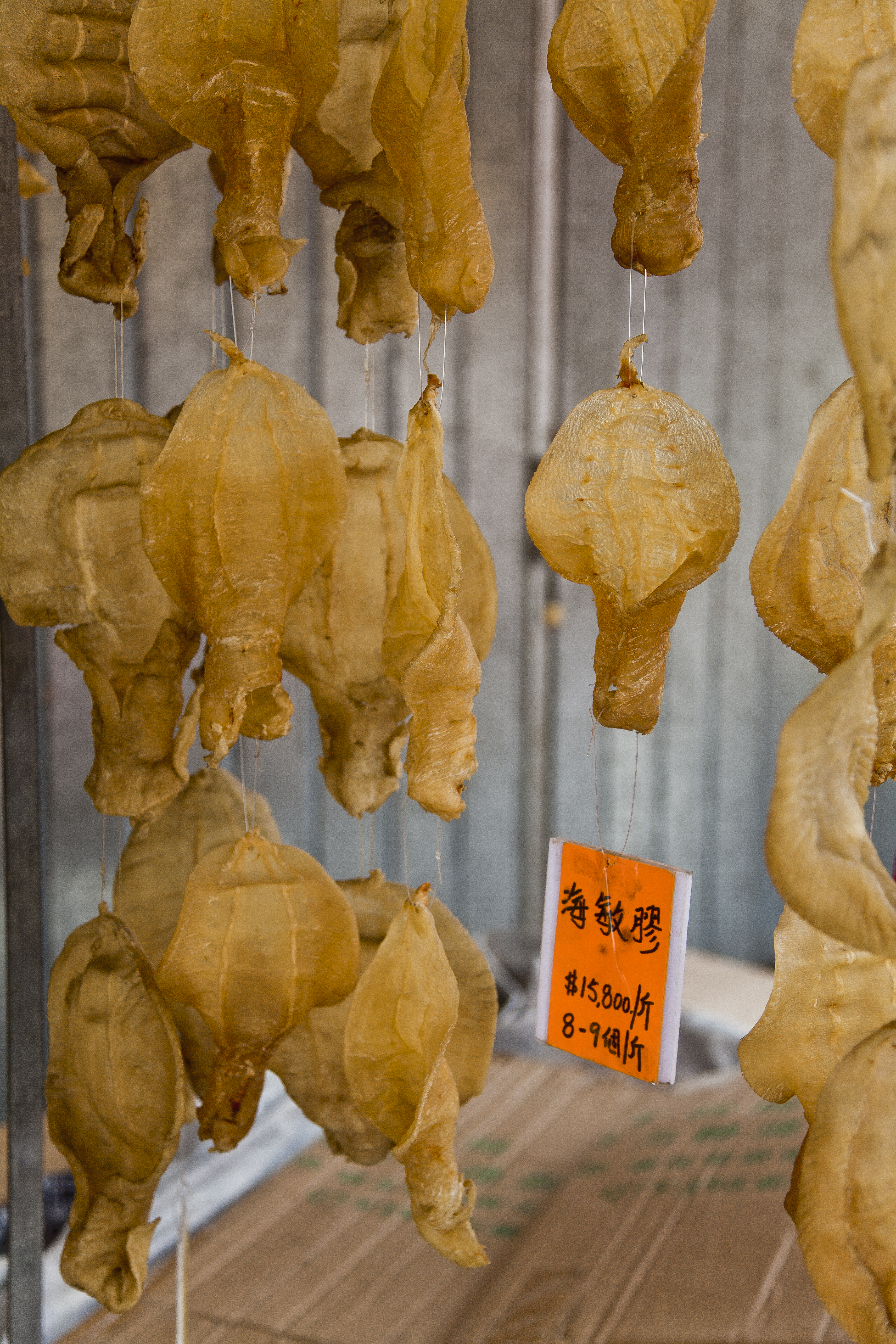
We were taken on a boat ride along these shanties, and then – to a fish market that sold local specialties: dried seafood and shrimp paste. The place stunk to the high heaven! Well, fresh fish smelled ok, but dried fish… This “aroma” then haunted me through the rest of the day – every smell reminded me of it, even that of flowers! Otherwise, the market was indeed interesting and unusual. There were oysters, sea stars, urchins, seahorses, even a huge dried shark. Dried fish of some species was extremely expensive: a bunch of four cost 58,000 HKD (around 7,500 USD or 5,800 AZN).

As we drove out of Tai O, we started climbing the mountains again. We already knew that there were 268 stairs leading to the statue of Buddha which we were heading to (known as the biggest outdoor seated bronze Buddha in the world, as among the standing Buddhas there are bigger ones, e.g. somewhere near Shanghai), and were mentally prepared for this. A cable car way exists as well, but it was closed for maintenance.

Well, what can I say about the statue – the Tian Tan Buddha was of course majestic. On his breast there is a left-facing swastika – the symbol of the eternal cycle of the universe. We were taken into the halls beneath the statue, but there wasn’t anything really interesting, apart from bracelets and rosaries for sale and some calligraphic paintings.

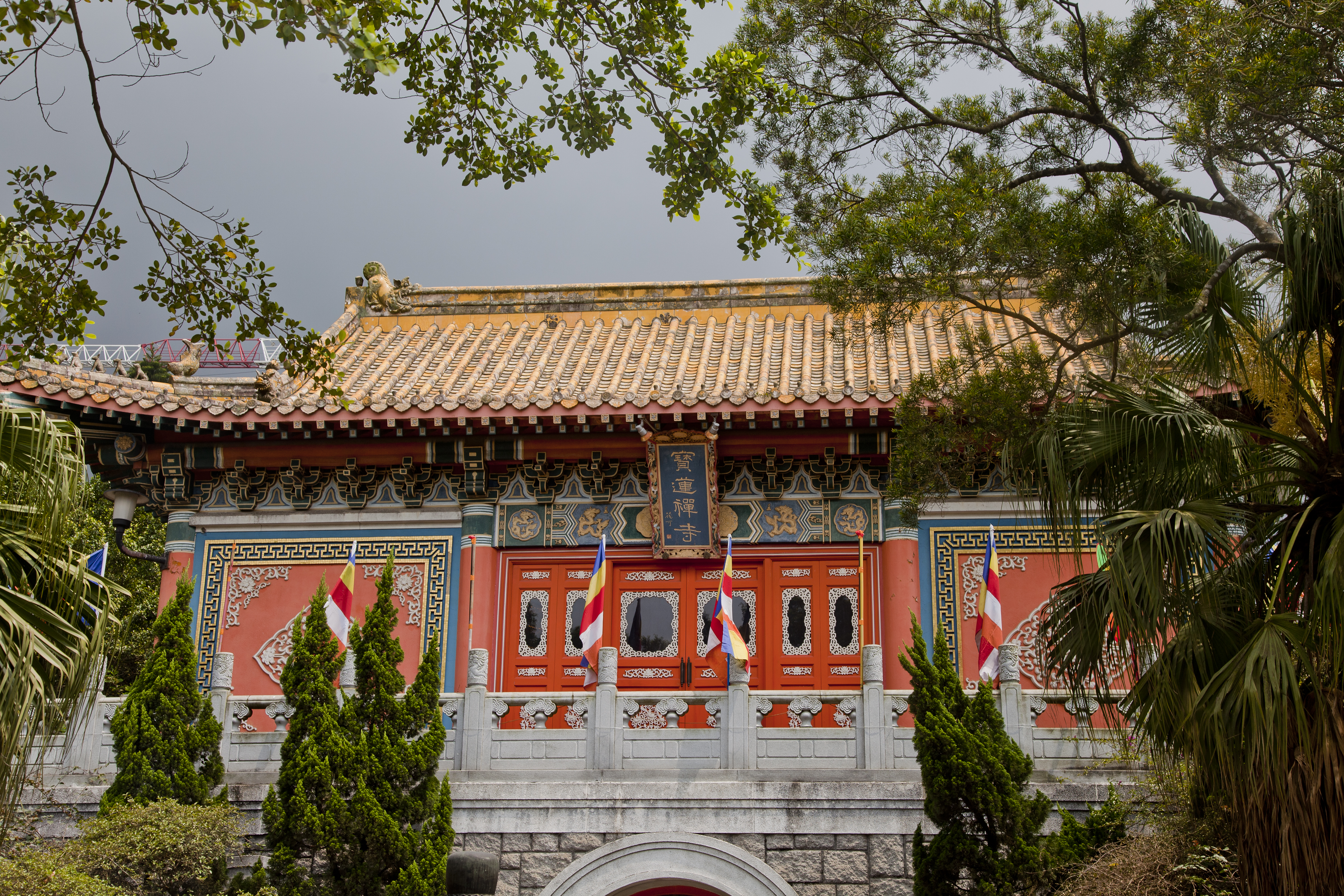
We didn’t have to walk down the previously mentioned 268 steps to get to the Po Lin monastery, which the Buddha statue actually overlooks, as we were taken there by bus. This monastery was much bigger and busier than the one we saw the day before. In its courtyard there were statues of twelve divine generals, representing the twelve-year cycle, as well as time of day. On his hat each general had the animal symbolising the respective year.

For the second time we experienced this strange feeling at the monastery: we came here just to stare around, while for many people around this was a serious visit to their gods. The Chinese couple from our group, for example, were actively praying and burning joss sticks.

The tour included lunch at the monastery, completely vegetarian, just as the day before, but a bit more upper class.

We drove back the same way we had come. Unlike the chatty Beijing guide, this one kept silent all the way back and even seemed to be asleep. After being dropped off at the Excelsior, we popped in the World Trade Centre, did a bit of shopping and thoroughly looked around. A very nice shopping centre, clean, spacious, with relatively few people and without anyone chasing you with their goods.

We had dinner in the Michelin starred Golden Valley restaurant, serving Guangdong (Cantonese) and Sichuan (Szechuan) food, right in our hotel. Inspired by visiting a fishing village, we finally tried the shark fin soup. It was really good. At the next table we noticed a group of locals, literally cooking something in a simmering pot in front of them: they placed slices of meat, some fresh herbs and other products in the pot, and then took them out and ate them. The waiter explained that this was a hot pot dish, and that there was a selection of ingredients and sauces for the eaters to choose from.

Posted in Asia, China, Hong Kong

Trip to China – Hong Kong – Day 4

РУССКОЯЗЫЧНАЯ ВЕРСИЯ ПО ЭТОЙ ССЫЛКЕ. CLICK HERE FOR RUSSIAN VERSION.

29 March 2012, Thursday

In the morning, as our moods revived after the previous night’s episode of depression, we decided to act at our own risk and choose the route ourselves, using maps, Google and common sense.

We stopped our choice on the Ten Thousand Buddhas (Man Fat Sze) Monastery, situated in the New Territories. They are located on the mainland, north of Kowloon, and are not included in the bus tour routes. We were about to cross the entire Hong Kong from south to north.

First thing, we provided ourselves things to do for the next day, entrusting ourselves to the same company we had been touring around the city with so far (Big Bus Tours), and booked a day trip to the Lantau Island.

We took the MTR from the Central station and had to make two changes before we got to the point of our destination – the Sha Tin area, where the monastery is located.

A journey on the tube is always a good opportunity for observing the locals and drawing conclusions. Thus, we noticed that the local Chinese consumed much less garlic than Beijingers, or, in any case, clearly concealed it. As you enter any public place in Beijing you almost suffocate with its “delicate fragrance”, but here you don’t really feel anything.

What also draws attention is the technophilia of Hong Kongers – everyone in the tube is busy with their phones, iPads, readers, PSP’s and other gadgets of the latest models. To the credit of the locals it should be mentioned that a young man gave his seat to me.

At Sha Tin there was a bit of a hitch: we thought that the monastery was one of the tourists’ favourite places and we would see a lot of signs which would easily lead us to the right place. But no! We looked around, walked along a street, which seemed to be the only one (it was very broad, much broader than in the city centre), following the crowd coming out of the tube. Only then did it dawn on us that it was quite unlikely for such a broad modern street to lead to a Buddhist monastery.

After asking a couple of people in the street, we realised that we should go back to the station and make a second attempt.

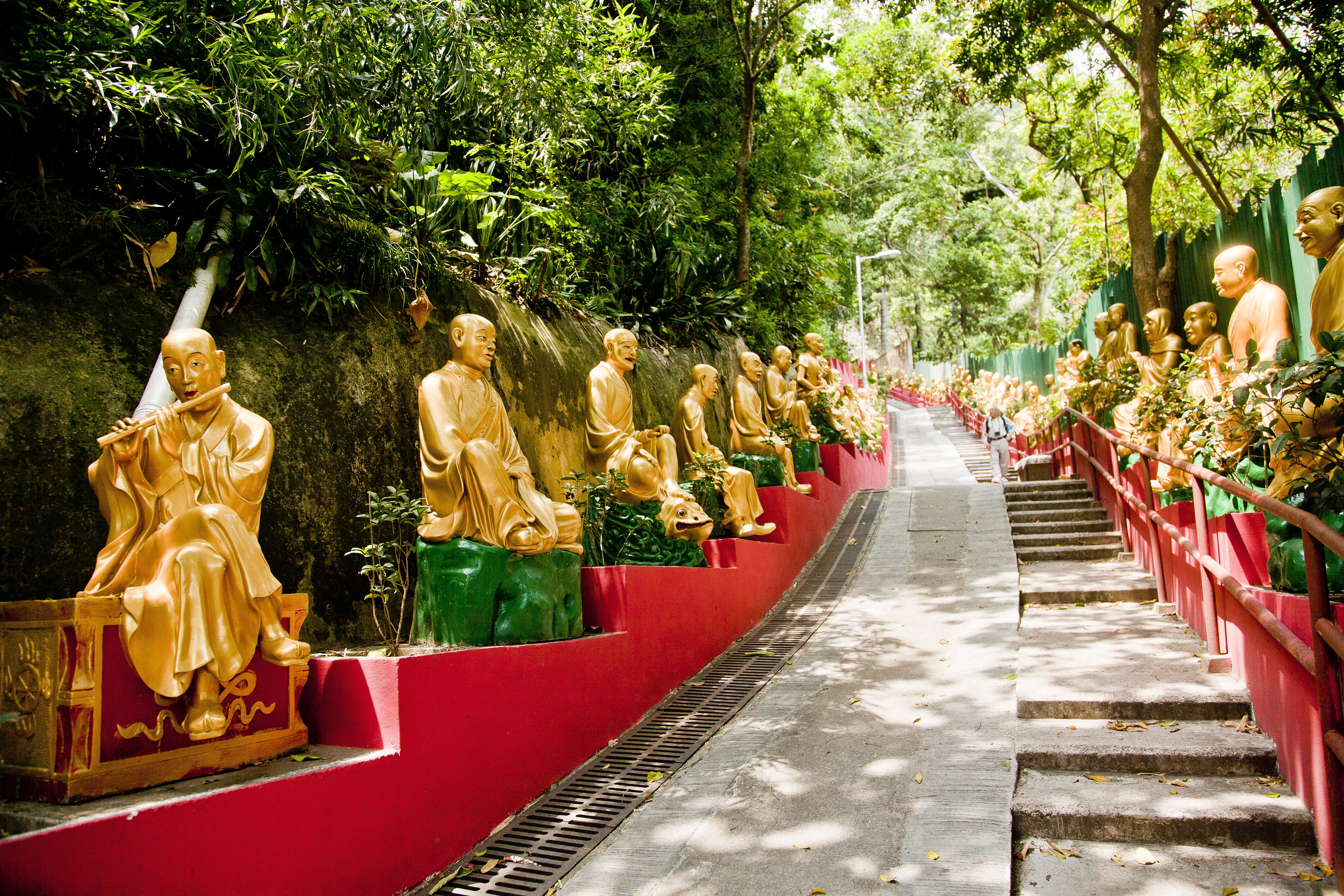
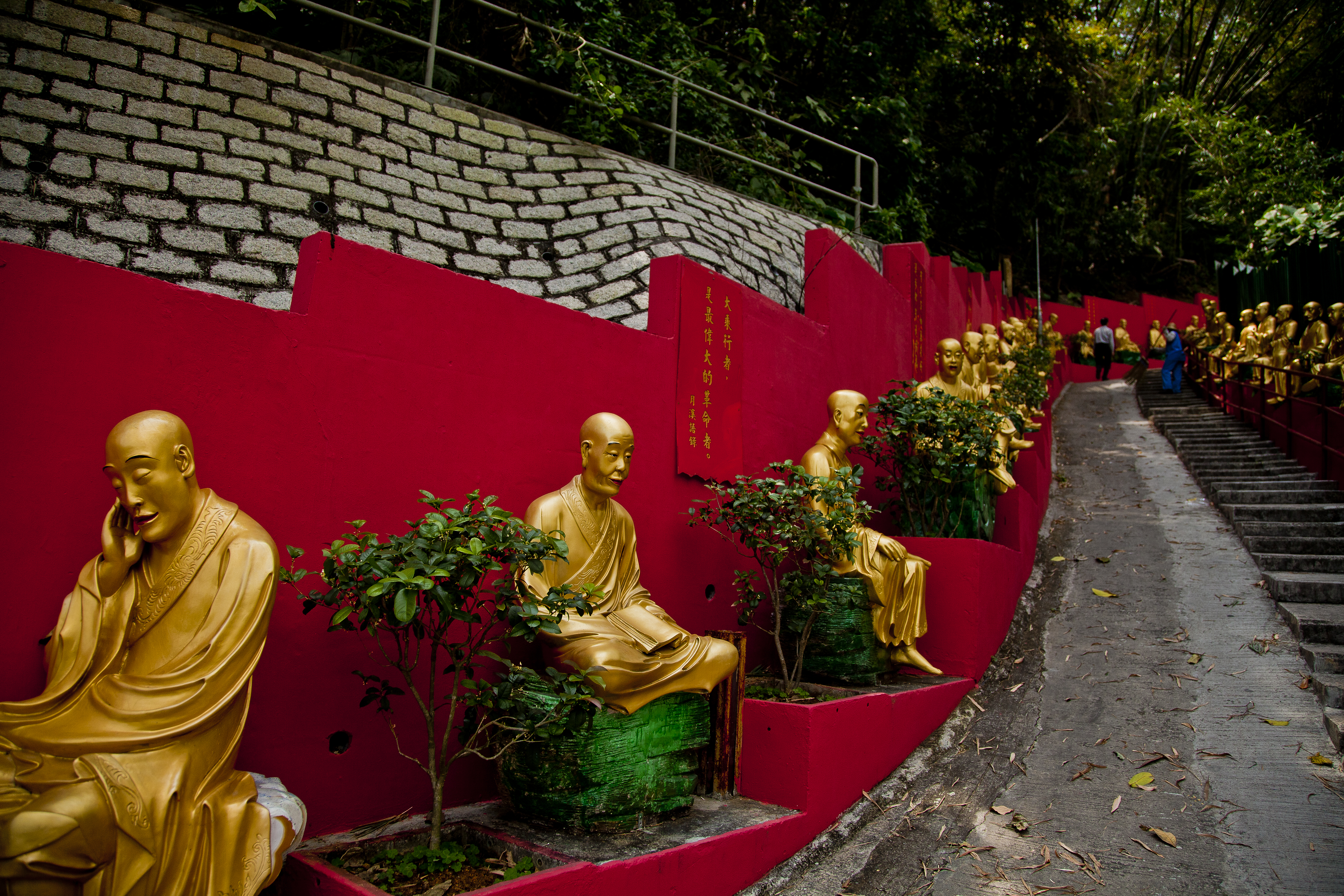
It turned out that there was a trail, which we hadn’t noticed the first time, leading to the monastery.  As we walked a bit, we came up to gates with a univocal sign, notifying that the steps before us were in fact the road to the monastery. The number of steps was simply enormous, but the road itself was quite amusing: on both sides there were thousands of gilded statues of Buddha, standing, sitting in different poses, with different facial expressions. Right at the beginning of the road we were snapped up by two Buddhist monks who mumbled something, pressed some rosaries to our foreheads, put some bracelets on our wrists and clearly hinted that they would like to receive some alms. There was nowhere to escape, and each of us had to part with hundred Hong Kong dollars.  As we walked substantially further, we noticed a sign warning that real monks wouldn’t beg, so, they said, beware of fake monks. Something felt a bit hypocritical about this sign; as if it were impossible to put it right at the entrance!

Once again I should mention that climbing all the way up to the monastery was really uneasy. But even if I make this statement for the third time, still, this would be much easier to write about than to actually overcome. We did it though!

Interestingly enough, on the territory of the monastery itself we didn’t notice even a single monk – neither a real, nor a fake one. There were, however, cleaners, polishing the statues with rags; waterers, and other staff. By the way, it has to be mentioned that all the captions under the statues were made exclusively in Chinese, and only two boxes of ginseng ficus were neatly signed in English, from which one can conclude that this place is mainly visited by Chinese Buddhists and English-speaking botanists 🙂

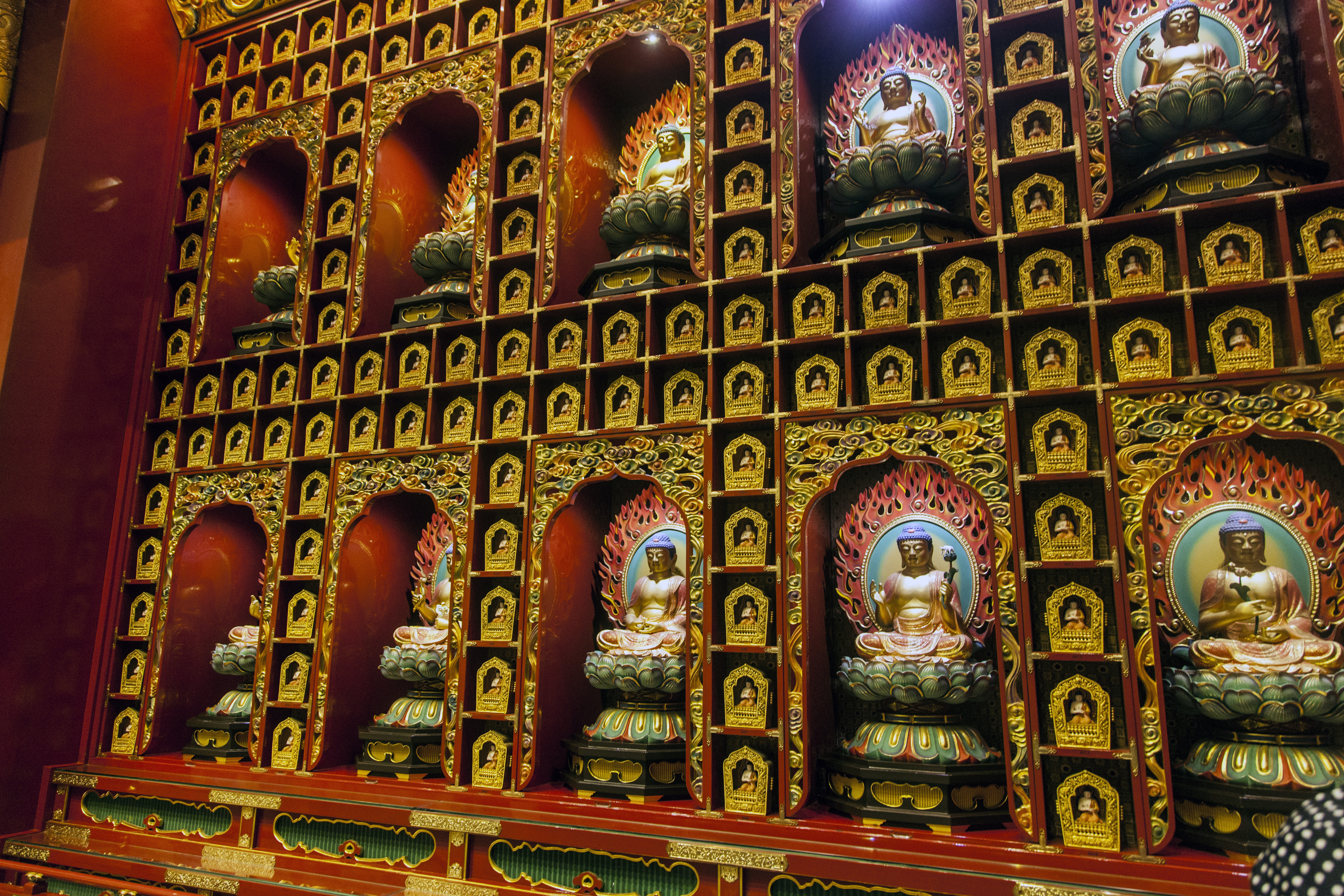
Inside the temple taking photos is not allowed. One could think that the Ten Thousand Buddhas are only those statues on both sides of the road. In fact, they are right in this temple: each wall has numerous rows (we counted 31) with small statues of Buddha.

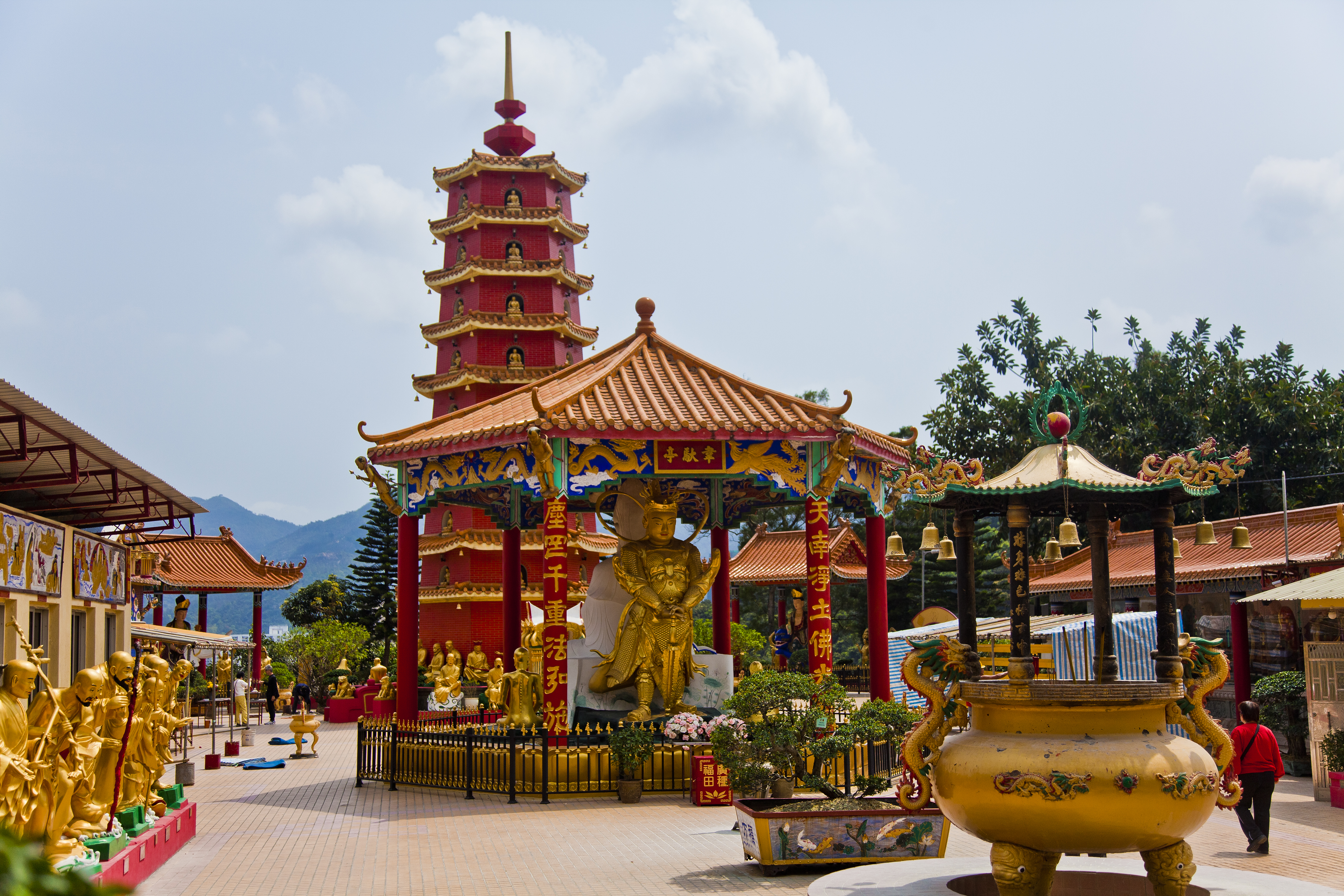
In the yard there were statues of different deities, a high pagoda and incense burners. Actually, there were quite few tourists; the majority of the visitors were believers who had come to pray. They burned incense sticks, made wishes and read some books.

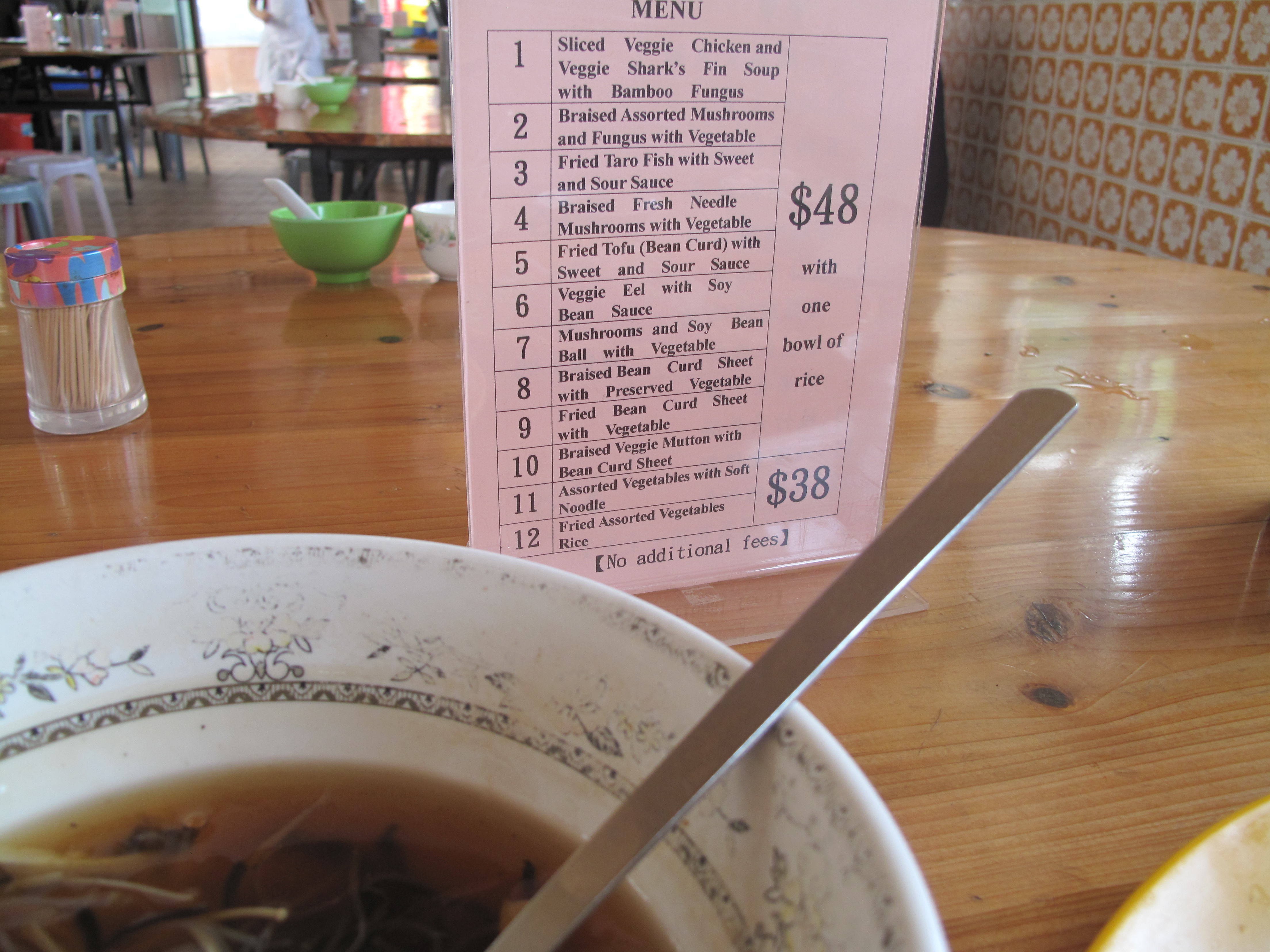
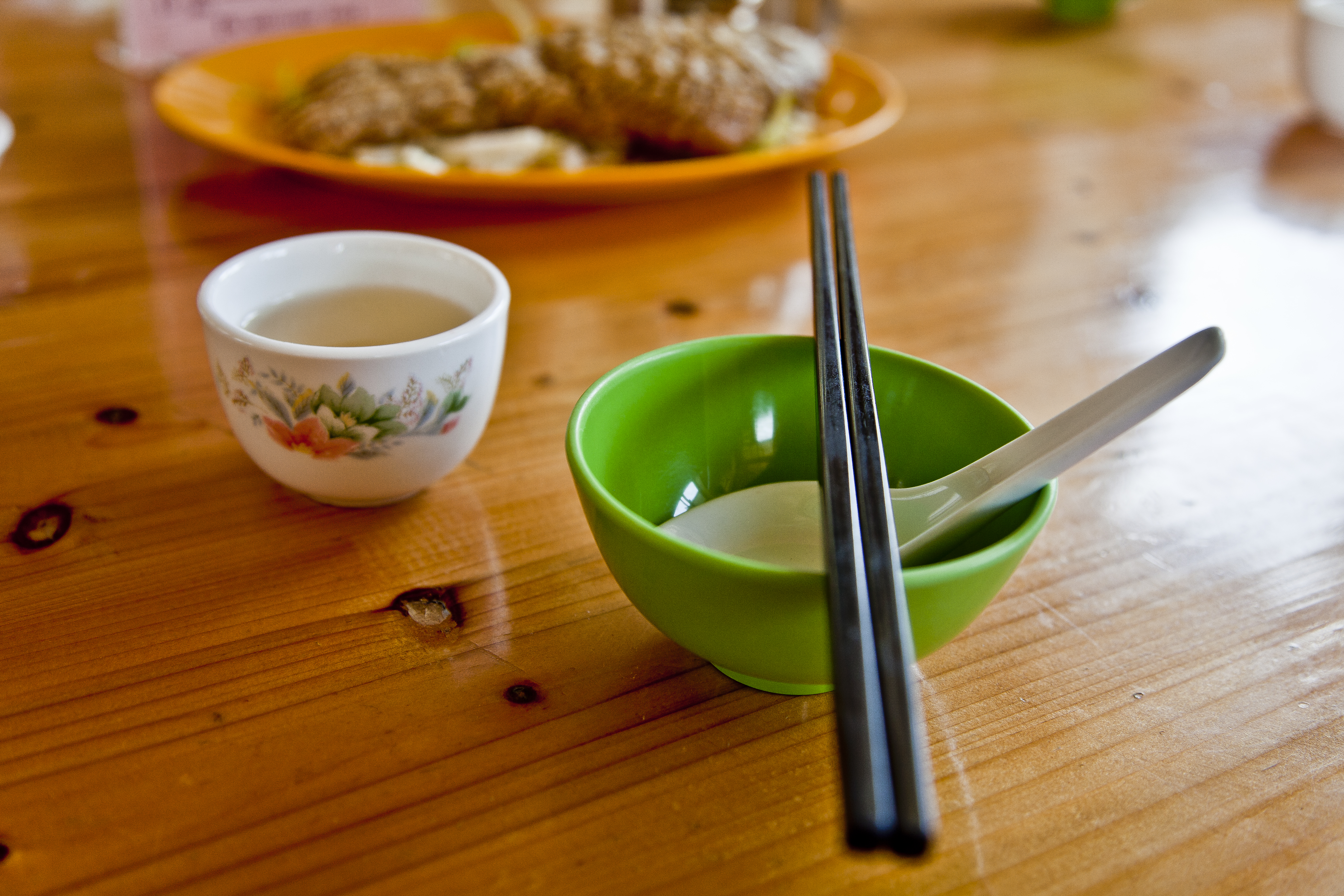
Apart from spiritual food, physical food was also present there, although purely vegetarian. Right there, in the yard, was an eatery, where just for 48 HKD you would be served a tremendous portion of whatever you had ordered (soup, for example, wasn’t served in bowls, but rather in basins!). Chicken, fish and lamb appeared in the menu, but all with the “veggie” prefix, meaning they were probably made of soy. As for vegetables and mushrooms, they were real, of course. And everything was delicious!

Well, needless to say, that the way back was much easier, as we were walking down the hill. Overall, we spent an hour to get there, two hours in the monastery, and a bit more than an hour to get back.