Posted in Croatia, Dubrovnik, Europe

Croatia – Day 3

РУССКОЯЗЫЧНАЯ ВЕРСИЯ ПО ЭТОЙ ССЫЛКЕ. CLICK HERE FOR RUSSIAN VERSION.

26 August 2012 – Sunday

Today we went to the city centre again – not just randomly, like the day before, but on an Old City walking tour. Yesterday, while watching tourists walking on the city walls under the burning sun, I personally felt their pain, already sadly imagining myself in their ranks. The reality was far more enjoyable: we met our guide Ivana – a very nice girl with a bandaged leg – and within a group of 8 people we walked around the Old City in a “derated mode”, trying to avoid direct sunlight and even sitting down every now and then. The tour lasted two hours, during which we learned a lot of interesting things about Dubrovnik.
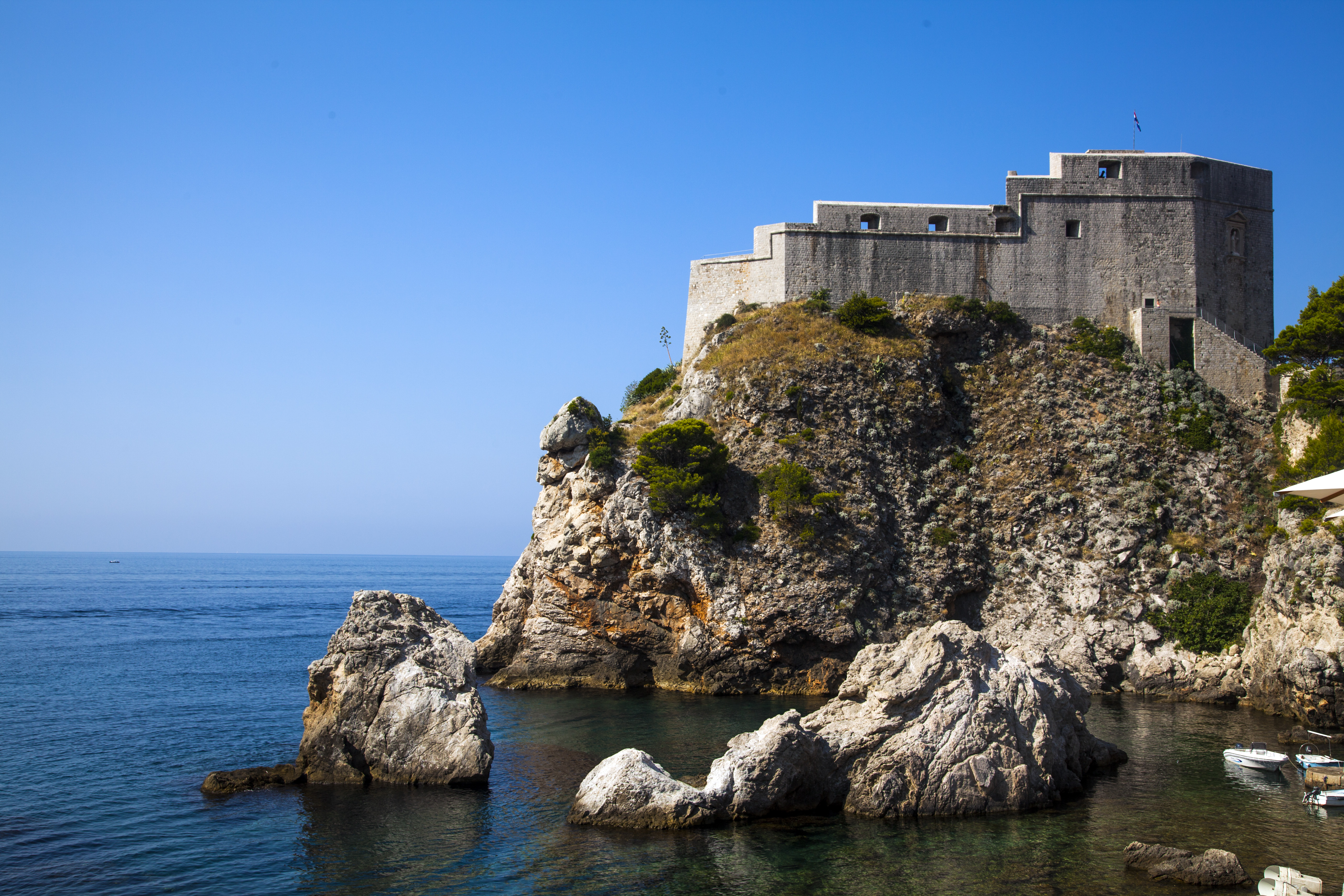
So, Dubrovnik once used to be an independent republic, known as Ragusa in Latin. The republic was democratic (albeit conditionally, as the right to vote belonged only to male noblemen). The city had a rector, who was elected for a 30-day period during which he had no right to leave the palace, where he lived alone, without family. Apparently, this was done to ensure that he did not have any outside influences and cared only about the government’s interest.

The Republic had very strict rules and laws, concerning even the construction of buildings. Thus, the buildings had to look pretty much the same – no one was allowed to show off their wealth, at least outwardly. The windows of neighbouring houses were not to be facing each other, as everyone had the right for privacy. Nobody could build their house even a foot or two ahead of others; the punishment for violation of the law was indeed very strict: the house would be demolished, and its owner would face a penalty charge AND go to jail.

Foreigners were allowed to stay in the city only during the day – at night they were expelled, and the city gates were locked. The only exception was made for the Jewish quarter, due to the extreme utility of its inhabitants to the city. But this quarter too was locked at night on both sides, so formally it was kind of outside of the city. When Dubrovnikers were blamed for the fact that they were cherishing the infidels, the very diplomatic city authorities replied that the Republic often had to deal with other infidels – the Ottoman Empire – so it was better to have these infidels communicate between each other. By the way, this quarter has the second oldest synagogue in Europe, the first one being in Prague.

In general, it must be said that the mercantile Dubrovnik had always managed to juggle between its main enemies: the Venetian Republic and the Ottoman Empire. Its motto was “Non bene pro toto libertas venditur auro” (meaning something like “Liberty can’t be sold for all the gold in the world”), yet the authorities spared no expense for buying this liberty – that is, they paid off their enemies.
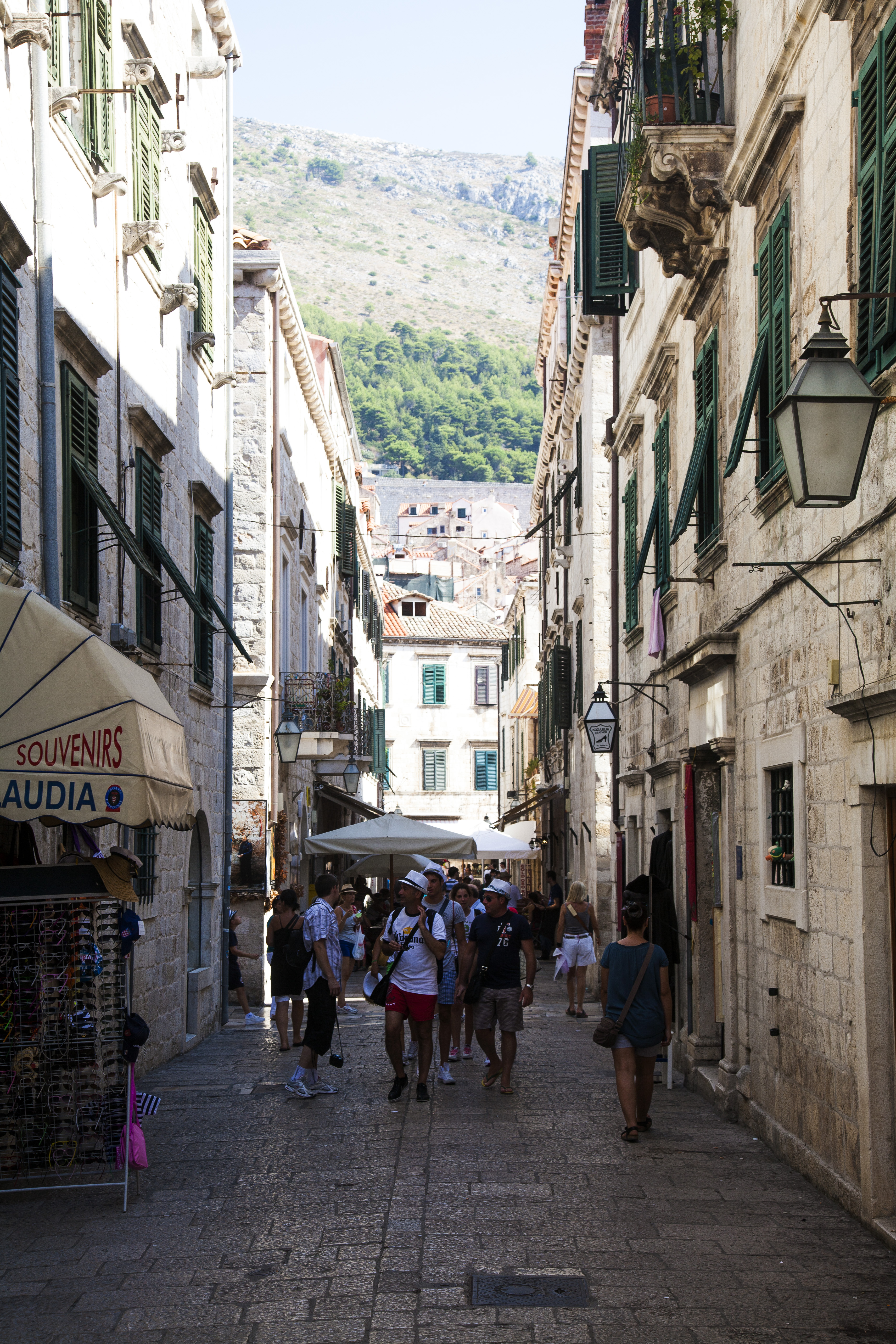
On one of the side streets we saw the Church of St. Roch – the patron saint of plague patients. There is an interesting story associated with it: once children used to play some football-like game just outside of the church and kept pounding the ball against its walls. At some point the priest had enough of it, so he scribbled a curse on the wall saying “May peace be with you. Remember of death, those playing the ball”. The children scribbled a response – something like “We want to play – and so we will!”

On one of the staircases Ivana asked us if we could figure out why the balustrade was solid up to a certain height. Our version was that it was done in care of children, so that they didn’t fall out. The reality was nothing like that. Noble ladies, climbing the stairs on their way to the nearby Dominican church, of course, had to lift their skirts, revealing their ankles. The architecture of the staircase did not allow loitering young men to stare at them from below.

The old town is associated with many contrarieties, for example, in 1806 Napoleon deceived the authorities of Dubrovnik, asking to give him permission to just pass through the city to hit Montenegrins – the Russian allies. The authorities trustfully opened the gates for the French emperor and… the city was seized. Napoleon even built a fort atop of Mount Srđ. However, these fortifications built by an invader, saved Dubrovnik during the war for independence in 1991. By the way, during this war, Dubrovnik was besieged for real: from the sea it was blocked by the Montenegrin Navy, and from the land it was bombed by Serbs, who also cut off all communications. People, believing that the Old City was a safe place (as bombing historical objects is prohibited by international military law) rushed under the protection of its walls. However, as Ivana told us with indignation, it was bombed in the first place.
But finally there was peace, and as previously, Dubrovnik is respected among Croatian cities. If someone says, “I’m from The City”, this means that they are from Dubrovnik. The rest find this pretty annoying, but nevertheless they have also become used to calling Dubrovnik “The City”.

At the end of the tour Ivana told us a touching story about the local “Romeo and Juliet” – Silvana from the Roman settlement and Dubravko from the Slavic one. As it always happens with lovers from warring clans, they perished. Interestingly, the names of both, each in their own language, are related to the word “forest”, and the name of Dubrovnik itself is derived from the word “dub”, meaning  “oak”.

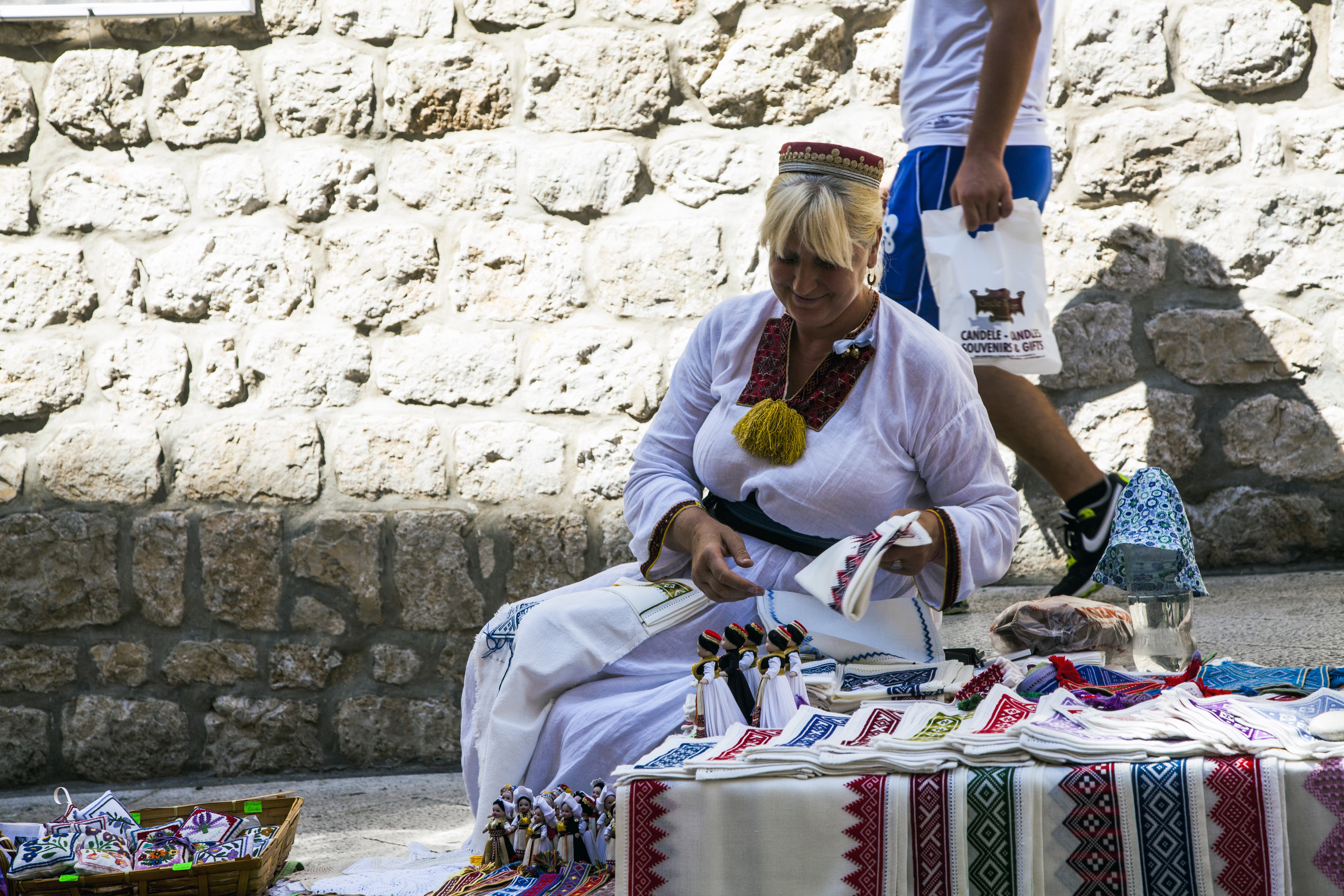
Left on our own, we walked along the main shopping street, but didn’t find anything decent in terms of good value for money. Tourist shops, no more than that. We wanted to have lunch in the Old City, but somehow ended up in the same terrace restaurant on the Pile Square, as yesterday.

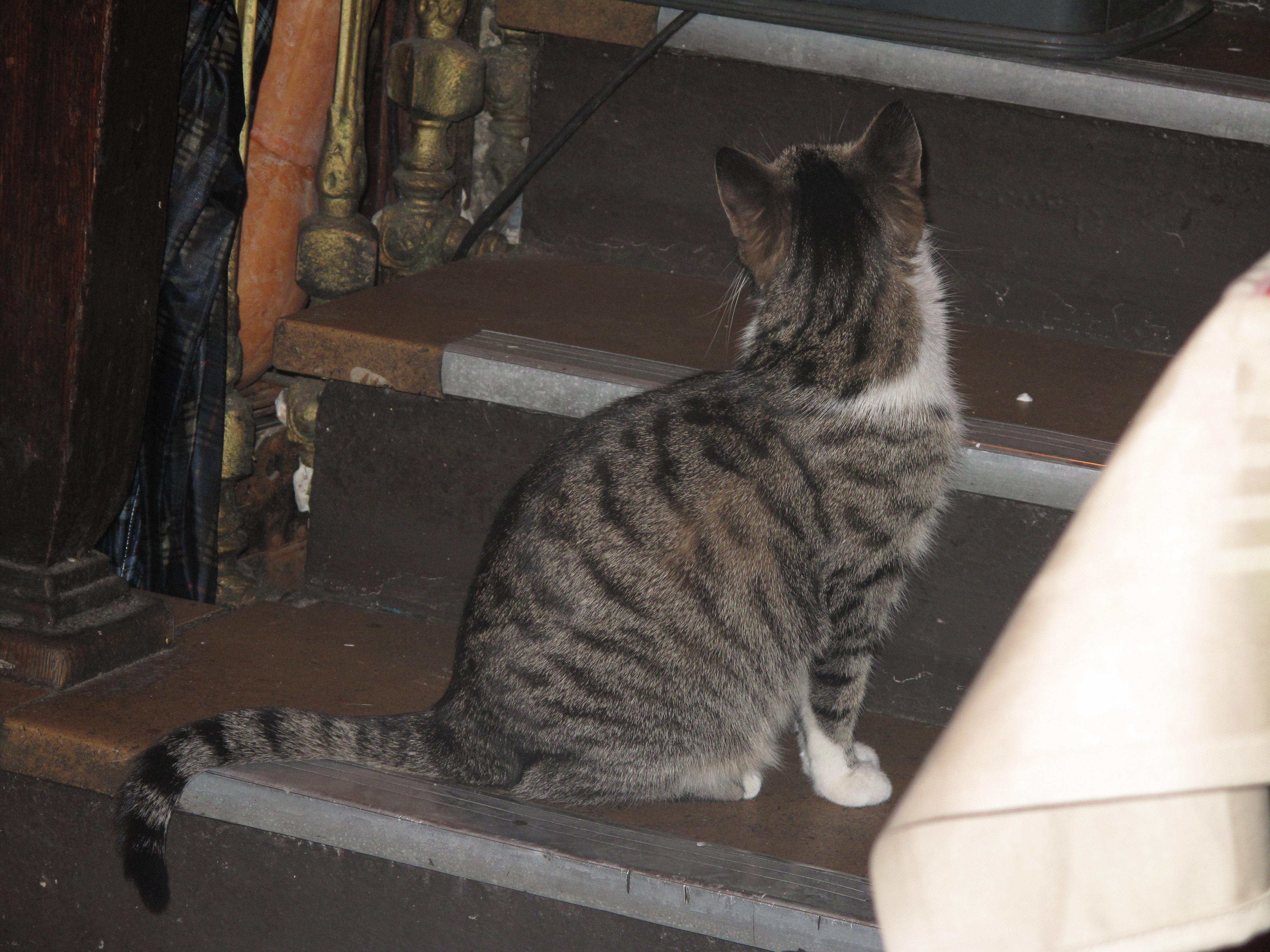
After lunch we went back to the hotel, and as intended, swam in the sea, right until a tangible wind got up, bringing some rubbish to our pristine shores. From the evening impressions it’s worth mentioning an awfully brazen cat in the restaurant: it was not actually begging for food, but rather demanding it discontentedly, wagging its tail menacingly and sharpening its claws on our chairs no less threateningly. Fortunately, one of us didn’t like his Caesar salad, so virtually all of the chicken went to the impertinent animal.

The evening ended with a pleasant walk along the sea, so on the whole the day hasn’t been lived in vain.

Posted in Europe, France, Paris

Paris, je t’aime – Day 7

РУССКОЯЗЫЧНАЯ ВЕРСИЯ ПО ЭТОЙ ССЫЛКЕ. CLICK HERE FOR RUSSIAN VERSION.

27 March, 2010

The day turned out very… German! In the sense that wherever I went, I mostly kept hearing German speech around, while it hadn’t been the case previuosly.

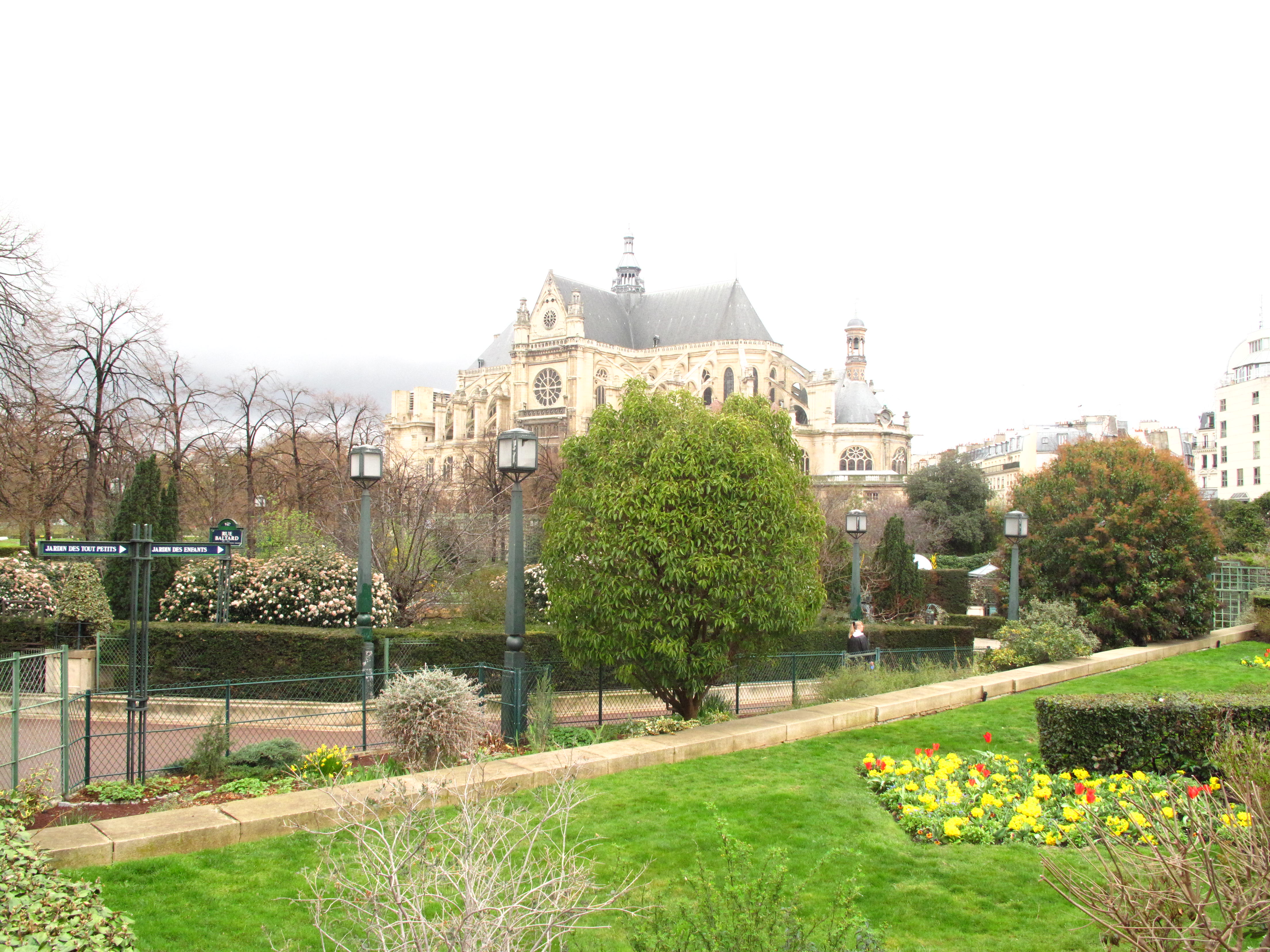
In the morning I felt like visiting The Centre Georges Pompidou. I took the metro to Les Halles, walked out of the station and… stood agape. First, the weather was so nice and pleasant! Second, my eye was caught by the very beautiful Saint-Eustache church, around which everything was blooming with white and pink flowers. And third, I saw a black cat. Then – another one at a distance, and one more a little further. These were live cats, not figurines, as I initially thought: they were moving their heads and ears, licking and grooming, although sitting in the same place all the time. But when a fourth cat, also black, jumped down from somewhere above, I thought I was going crazy!

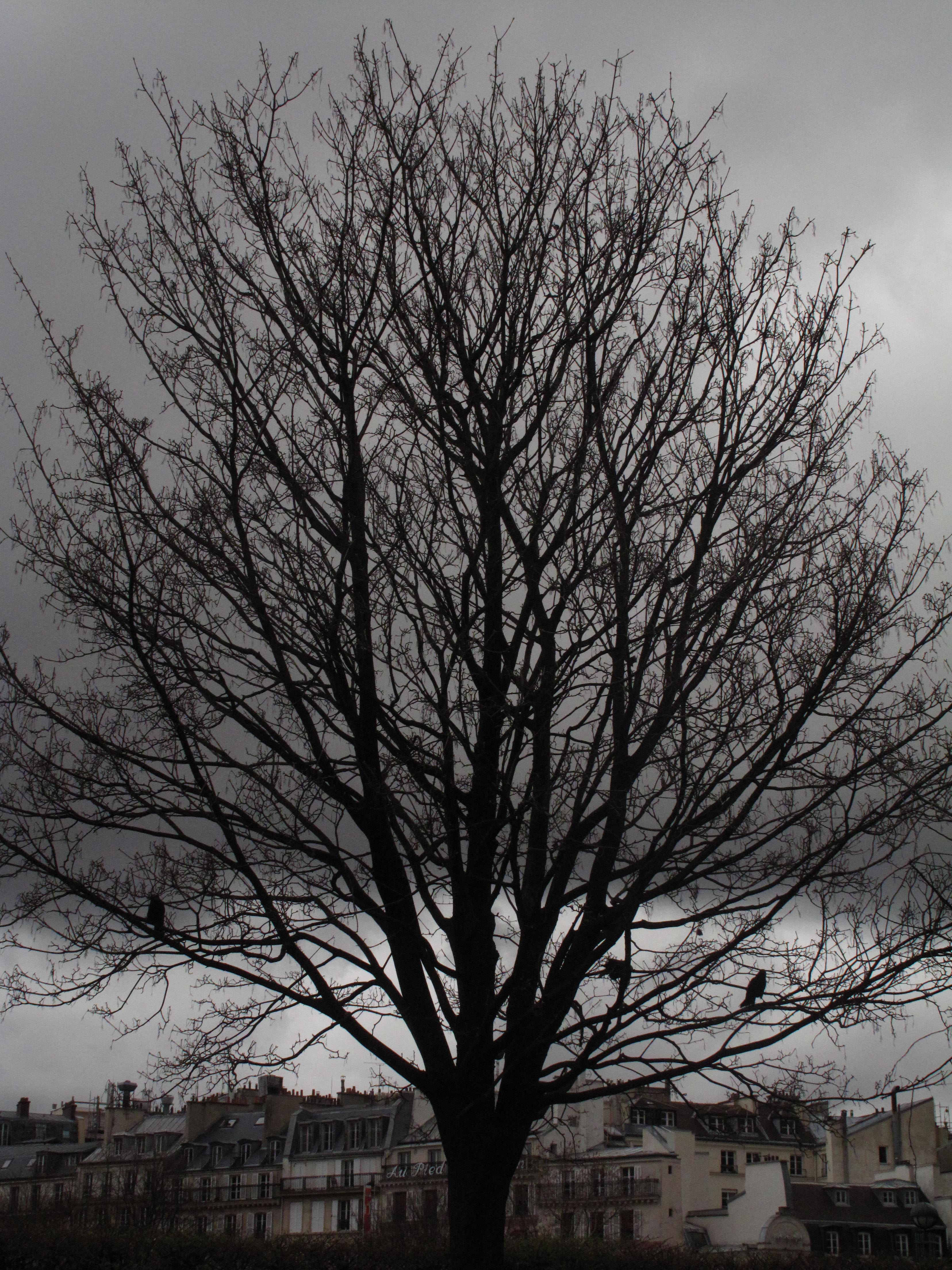
Generally, the place – Forum des Halles – was unimaginably beautiful! All the greenery, flowering trees, fountains, bridges and crossings, and the sky with white puffy clouds looked absolutely fantastic (okay, the sky did turn grey at some points, but I really don’t know how come all my pictures seem to capture only these moments)!

After a bit of a walk around the place, I found the Centre Pompidou, but for some reason decided against going in. Instead, as I was feeling like walking even more, I took the tube to the Luxembourg Gardens.

On the way, a guy with some papers came up to me and started shilling for something, but I cut him short: «J’comprends pas!» – I told him cheerfully. The guy made ​​another attempt: «Español?» – «Non!» – I replied. «English?» – Again: «Non!». Looks like this simple trick was the best I could think of – the guy just shrugged and walked away.

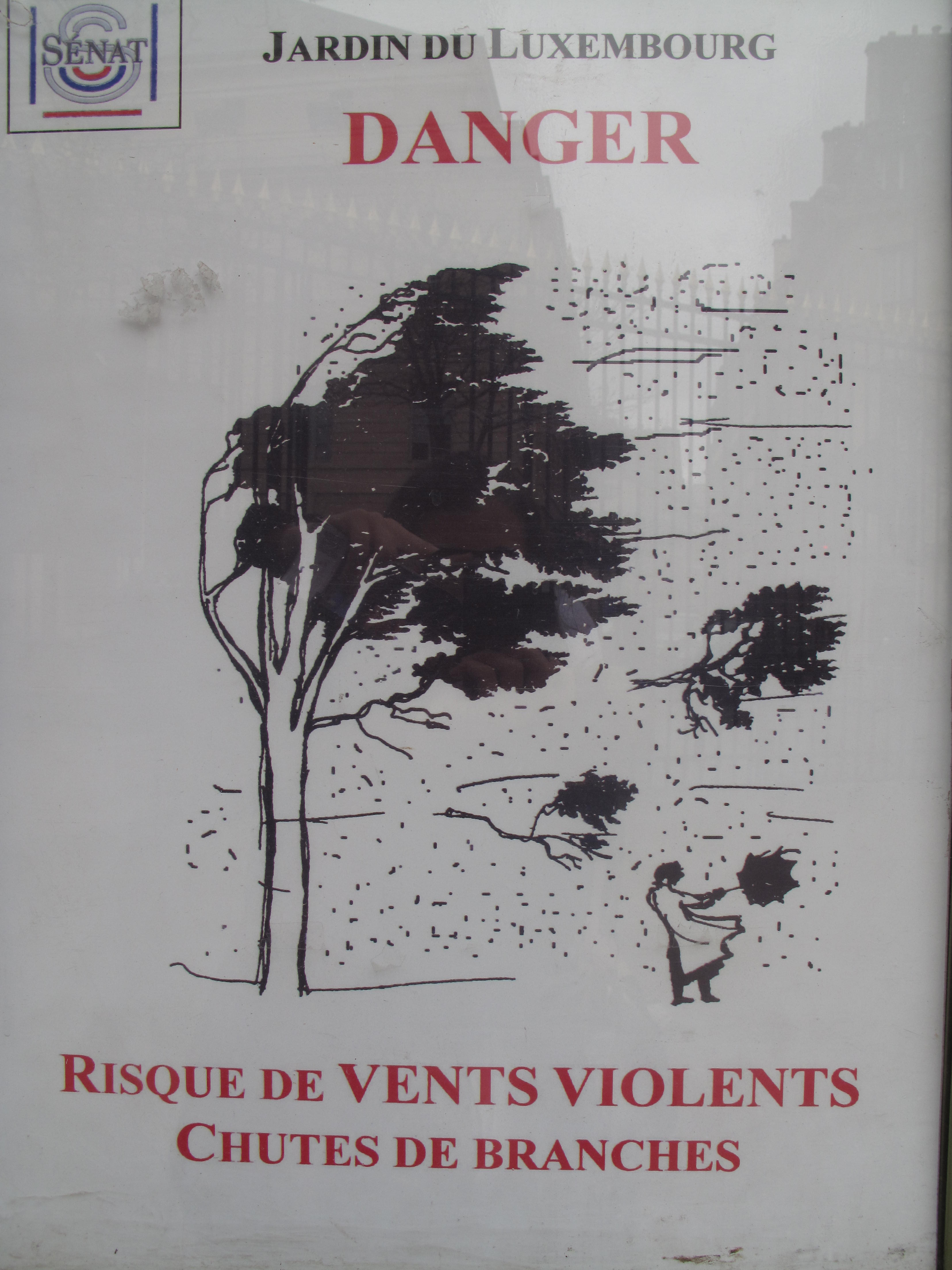
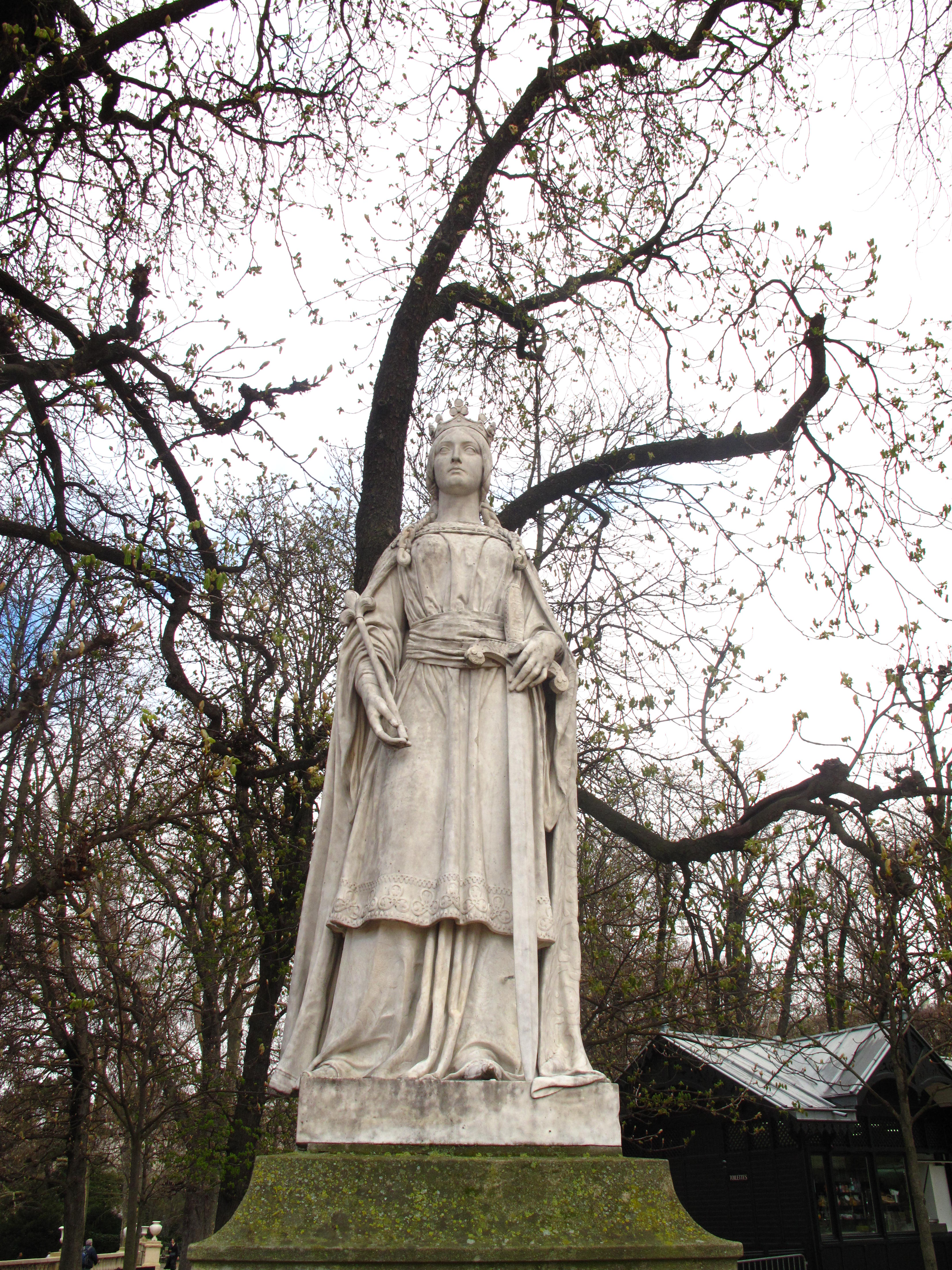
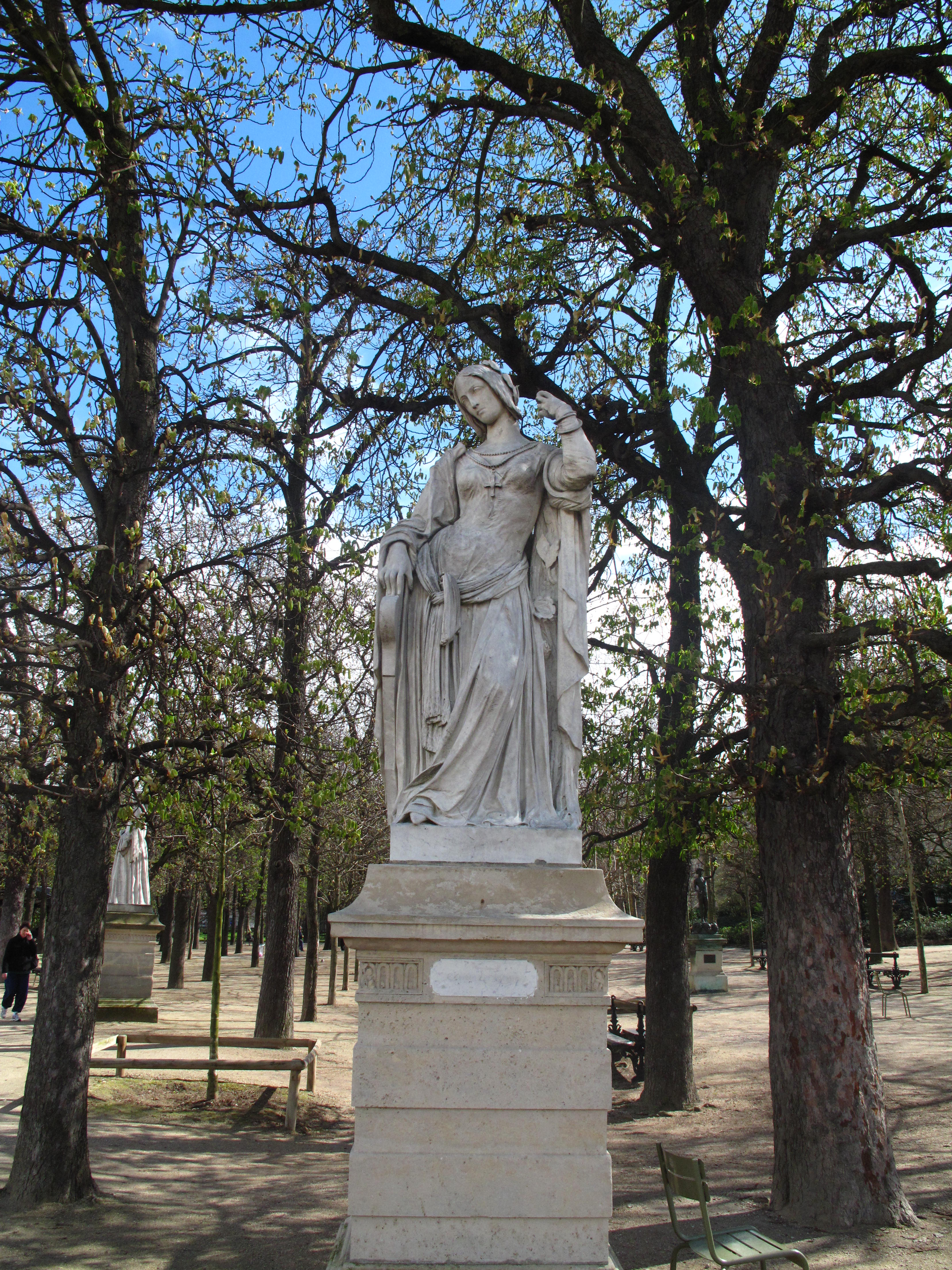
I really enjoyed the Jardin de Luxembourg. Again, largely because of the weather – it turned out that it majorly affects your impressions about a particular place. From time to time it was drizzling, but despite this it was bright and sunny, and beautiful white pillow-like clouds were sailing across the sky. Among the rich greenery, here and there, there were sculptures of various French queens – starting from the canonized Clotilde, Bathilde and Mathilde up to Mary Queen of Scots and Marie de’ Médici. I couldn’t find Marguerite de Valois or Catherine de’ Medici though – not sure whether it was me not searching properly, or for some unknown reason they are not represented there at all.

Around noon, I deigned to dine at the brasserie “Le Luco” on Boulevard St.-Michel. I had duck fillet in pepper sauce, and crème brûlée for dessert.

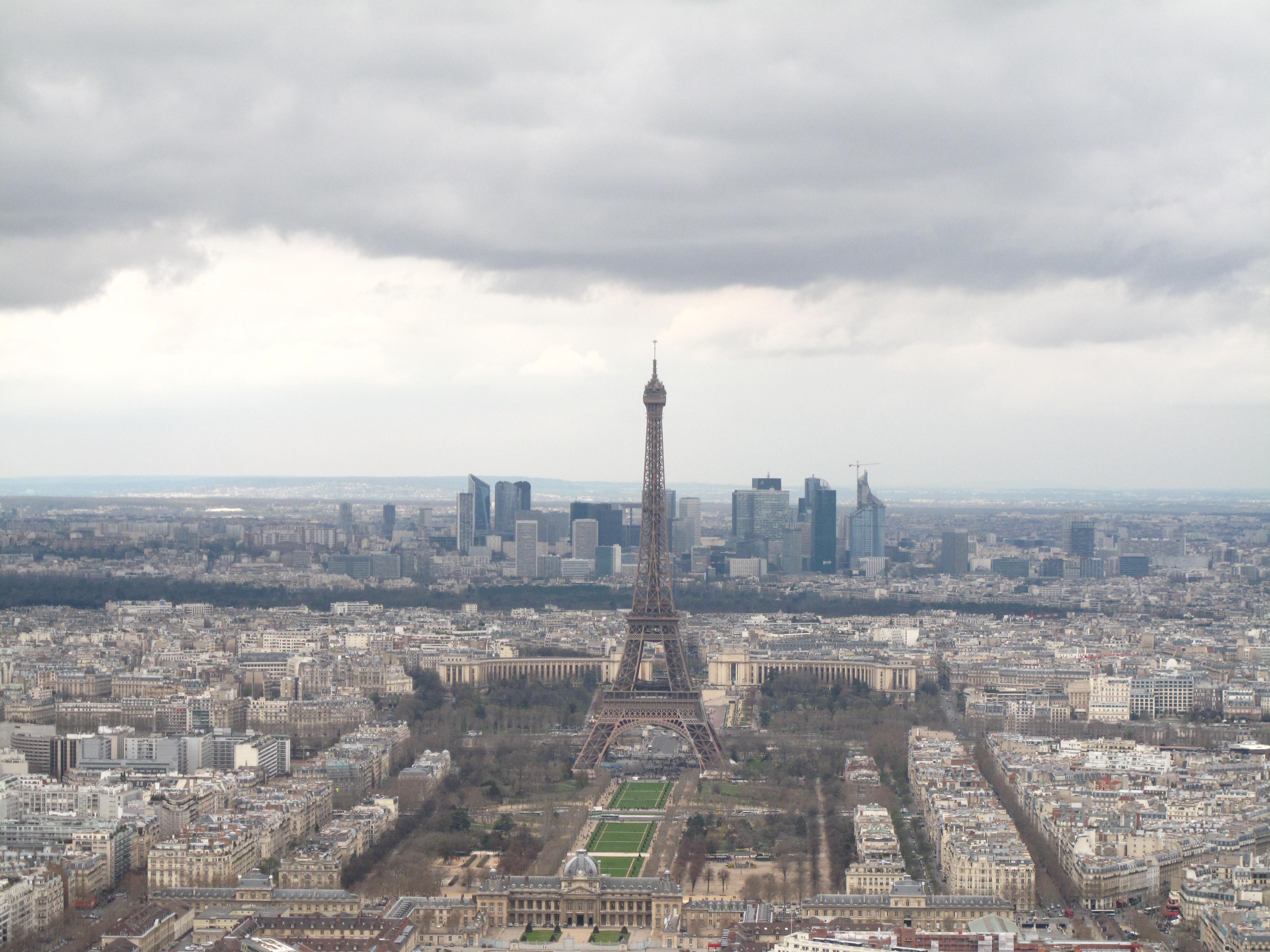
After fortifying myself with nice food, I walked to the Montparnasse Tower, in order to head up its viewing platform – I had heard that the queues there were much shorter than to the Eiffel Tower, plus you would get a view of the Eiffel Tower as well. So, together with other tourists, I took the lift to the 56th floor, the whole outer wall of which was basically one large window providing excellent panoramic view of the whole Paris. There I also came across a Russian tourist group of a very impressive size: apparently they had just arrived, as the tour guide, who, by the way, was telling very interesting stories, kept repeating: “This I will show/tell you tomorrow/the day after tomorrow/later”.

From the 56th floor, I got to the last one, the 59th, where the viewing platform was. Great view, it’s just a pity that the Champs Elysees were far away – I really wanted to get a bird’s-eye view of the Place de l’Étoile to make sure that the place really looks like a star.

Then I went back to the hotel, where I somehow managed to twist my ankle (right in the hotel room, wearing ordinary slippers and not killing stiletto heels as one might have thought!), so didn’t go anywhere in the evening. My ankle hurt so badly that I was struggling to walk the distance from my bed to the bathroom! So I called my Azeri friend, who had twisted her ankle a week before, and she brought some gel, which made me feel better. We stayed in all evening, listening to music, eating sandwiches, chatting and laughing.

Posted in Europe, France, Paris

Paris, je t’aime – Day 5

РУССКОЯЗЫЧНАЯ ВЕРСИЯ ПО ЭТОЙ ССЫЛКЕ. CLICK HERE FOR RUSSIAN VERSION.

25 March, 2010

This day didn’t go without stupidities as well, and I must say, I’m incredibly exhausted! We started the day with a visit to the Hôtel des Invalides, intending to see Napoleon’s tomb. The turnstiles in the metro weren’t working: «Ça marche pas!» – happily exclaimed a guy walking by. So we took a free ride and got to Les Invalides.

We bought our tickets, and first popped in the Army Museum, located in the same place. It’s really surprising to see how patriotic the French are and how much they respect and love their history. Unlike back home, where with each new form of government the old one is anathematised, everything is renamed, all monuments are demolished. Here they appreciate everything, starting from the Gauls, all the Louis’, the Emperor Napoleon, all their republics… And also it looks like they are a very warlike nation – no surprise they are represented by Gallic roosters. Everything seems steeped with wars; the whole city is full of historic sites dedicated to various victories and battles.

What I liked the most in the museum were the figures of French soldiers of different eras, especially the ancient ones: Gauls, Normans, Carolingians, Merovingians …

We didn’t want to spend too much time in the museum – after all, we are not extremely excited about arms. So off we went, right to the Dome church, where the Napoleon’s tomb was. It was cold there (just like it should be in a crypt), and right in the centre was the magnificent tomb of Napoleon. In principle, the reverent attitude of Parisians to Napoleon is quite understandable – he constructed a lot of streets, built houses, including the Hôtel des Invalides for disabled veterans.

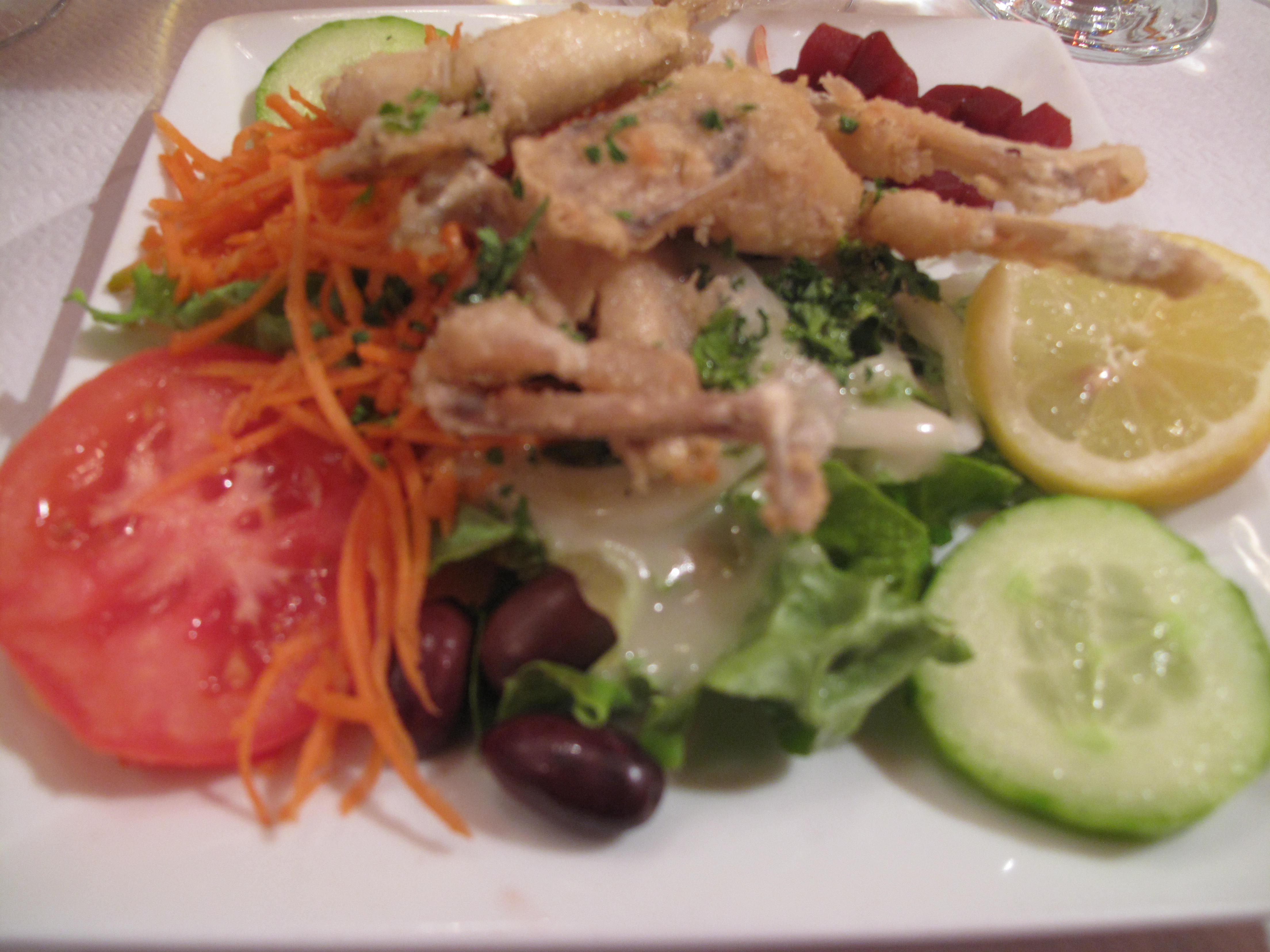
It felt relatively warm outside, after the cold church, but it was raining. It was the first time it rained here since our arrival. As I was intending to have frog legs for lunch, we went to the Latin Quarter and found the same restaurant (Auberge de Saint-Sévérin) on the Rue Saint-Sévérin.

By the way, we took the RER, and not the metro, to get there. It was more convenient, as we would have to make two changes on the metro. But we entered the metro station first and then changed to the RER station. And we had to spend an extra ticket there, so as they say, there is no such thing as a free lunch (i.e., the non-functional turnstile in the morning).

Coming back to the frog legs, I quite liked them – they tasted somewhat like poultry, although a little bit dry and insipid. I also liked fish with sauce – after all, who, if not the French, knows how to prepare excellent sauces? Of course, they are all excellent! What I liked the most about this whole situation was the fact such a wonderful three-course meal with wine for two cost us only 40 euros including tip. And the restaurant had a beautiful cat!

We were planning to do some shopping after lunch, but once outside we realised that the rain had stopped, the clouds had parted and the weather was gorgeous. So we played it by ear and walked along the Boulevard Saint-Michel.

The boulevard was lively and cheerful, especially in such weather. We even were able to do a bit of shopping and bought a pair of shoes each. As the Sorbonne was supposed to be very close, we decided to take a look at it. However, as I tried asking various people the question «C’est où, la Sorbonne?», one man replied «I don’t speak French!», another woman looked puzzled and misunderstanding, and only the third Madame explained how to get there. So much for Paris, with the alleged impossibility to address to people in English, and their desire to respond only in French. On the other hand, it sometimes happens that you get “responded in French,” even when you ask nothing. For example, the old woman in Montmartre yesterday. Or today, when we turned off the Boulevard Saint-Michel to the no less cheerful Boulevard Saint-Germain, discussing how far away the  Saint Germain des Près metro station was from here, we were approached by an elderly man who said: «Le métro Saint Germain des Près, c ‘est là-bas! », and pointed in the opposite direction of our movement.

And by the way, we were interested in the metro for a particular reason. When I walked with my friend in these neighbourhoods the other day, we wanted to go to the Café Ladurée, serving fantastic sweets (according to my friend!). The cafe was closed then, but in a shop window next door, I spotted a gorgeous red evening gown. And now, I wanted to find that very boutique. We went round and round the narrow streets, and were just about to give up (as our feet were already pounding with pain!), when we noticed the Café Ladurée, and next to it – the shop we’d been searching for. We rang the doorbell, went in and asked how much it cost… Deux mille-something (€2000+) … Yeah, dream on, Leila!

On the way back we nearly got stuck in the metro – suddenly the train stopped in the tunnel, the lights went out, and the driver said something very fast – in fact, so fast that I didn’t understand a single word. But luckily it didn’t take longer than ten minutes.

In the evening once again I met with my friend and his friends and colleagues at the La Cordonnerie pub on Réaumur-Sébastopol.

Posted in Europe, France, Paris

Paris, je t’aime – Day 2

РУССКОЯЗЫЧНАЯ ВЕРСИЯ ПО ЭТОЙ ССЫЛКЕ. CLICK HERE FOR RUSSIAN VERSION.

22 March, 2010

It was a long and rich day full of impressions! It began at 9 am, when we left the hotel after the breakfast. The original plan to go to the Louvre was dropped immediately, because the weather was delightful and promised to stay delightful all day, so spending a day indoors would have been a sin!

And so we walked to the quay of the Seine, and decided to go to the Champs Elysees from there, but this plan was soon changed as well, and we headed to the Eiffel Tower.

The road to the tower was not much impressive, but something strange happened there. Some dodgy-looking guy rushed towards us with a gold ring, asking if it was ours. After he learned that it wasn’t, he began actively trying to foist it on us, pointing at its countersign and insisting it was genuine. And then he began to beg for money to buy a sandwich and a Coke. When we asked a completely fair question on why he wouldn’t take the ring instead and sell it, he said that he was a Baptist. Somehow he managed to wheedle 4 euros out of us (yes, I always knew that the word “DUPE!” was written in large letters on my forehead). As for the ring, we decided to throw it out of harm’s way, as the whole story seemed too suspicious. Thinking back now, I realise that there wasn’t need to worry too much – the ring, according to its weight, was not gold at all, and most probably this is a common scam.

Then we walked to the Eiffel Tower without any incidents. Unfortunately, we didn’t have the chance to go up, as the queue was unbelievable and we didn’t want to waste time standing in it. Especially that there were a lot of gypsy beggars scurrying around, soldiers with weapons, and more dodgy guys selling Eiffel Tower figurines and trying to palm them off on us. However, at some point they suddenly started off to run somewhere simultaneously! Most likely, they were running from the police, but my mom’s comment really made me laugh: “Where are they running? Did anyone tell them that more dupes had arrived?”

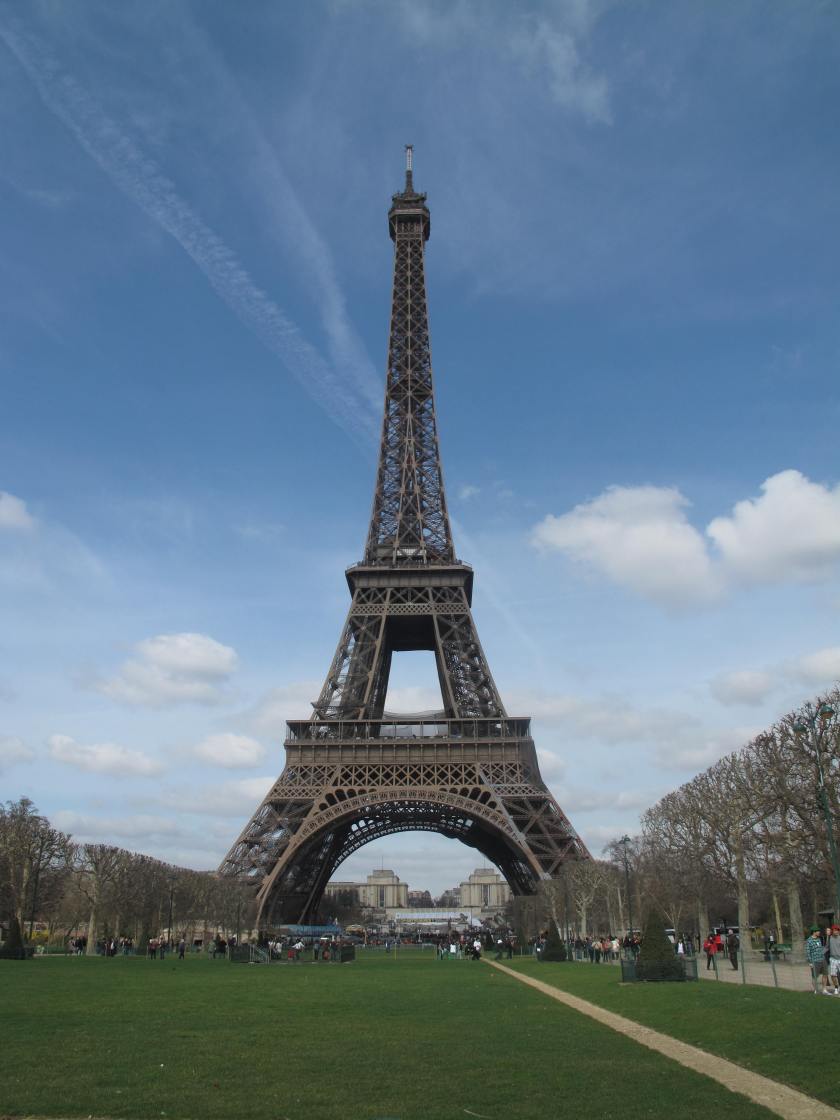
The Eiffel Tower itself made me want to take an infinite number of pictures of it. And the sight of this beauty was simply breathtaking. However, if you look closer, the tower doesn’t have any special beauty. By essence, it is a pretty ugly construction. So, I think that its beauty is a purely psychological phenomenon – it is the main symbol of Paris, one of the world’s major attractions, so our eyes are used to considering it beautiful.

After viewing the tower on all four sides and at least a dozen of photos made, we decided to take a bus tour around the city, taking advantage of the good weather (quite unusually, it didn’t start raining with wind, as it always happens when I get in an open-topped tour bus!). And this, I must say, was a very good idea. Such tours should always be taken at the very beginning of one’s stay in a city – it allows to understand its structure and logic, and at the same time to determine the places that you want to visit later. Especially that there are always places that you generally do find interesting, but seeing them from the bus is just enough, and in the future you don’t have to spend time on visiting them. For example, the Place de la Concorde, which we drove through so many times that we definitely didn’t want to visit it separately.

We got off near the Notre Dame Cathedral, looking for a place to eat, but for some reason couldn’t find anything other than sandwiches and croque-monsieurs. So we had to get on the bus once again and head to the Galeries Lafayette.

This area is somewhat like the City of London, where the majority of people are wearing suits and there are lots of banks around – Commerzbank, BNP Paribas, etc. We managed to find a restaurant here.

Looking through the menu, I came across a dish called «Rôti de chapon aux cèpes avec Gratin Dauphinois», and became interested, because I had previously heard of Gratin Dauphinois being a very tasty potato dish. I had no clue what “chapon” was, though, so I asked the waiter. He replied that it was “le coq”, and mimed the process of castration. By the way, the poor cockerel tasted quite good, and the Gratin Dauphinois was absolutely fabulous!

After lunch, replete and happy, we continued our tour bus, to go back to Notre Dame de Paris and get inside. As there was still plenty of time before the 6 pm mass, which we very much wanted to attend, we decided to get off near the Eiffel Tower once again and have a cup of coffee in one of the outdoor cafes.

Then we caught another bus and headed directly to Notre Dame de Paris. On the way, I made a few observations. First, it is the love of the French for their flag. It seems to be everywhere: not only over every state institution, but also over all billboards.

Secondly, it is the huge number of motorcycles on the roads, I’ve never seen that many before! And most importantly, they tend to rush at a crazy speed!

And third, I noticed that the names of shops, cafes and hotels are directly dependent on the location. For example, they are all called “Madeleine” in the neighbourhood of the Madeleine Church, or “Notre Dame” in the area of Notre Dame de Paris.

Speaking about the Notre Dame Cathedral, initially, we were prepared to stand in a long queue for an 8-euro ticket. As we approached the tail of the queue, we noticed a sign, saying that there was no point in joining the queue, as that was it for the day. We got very upset, but then decided to ask how to get to the mass, and found out that the entrance was through the church, and it was free! Frankly, I didn’t understand what these guys in the queue were planning to pay 8 euros for, because inside, we were able to view everything free of charge. Actually, “free” is a bit of an overstatement, as we had to spend money on candles, and metal medals “for luck”, and the entrance to the treasury of the church, and the donation after the mass.

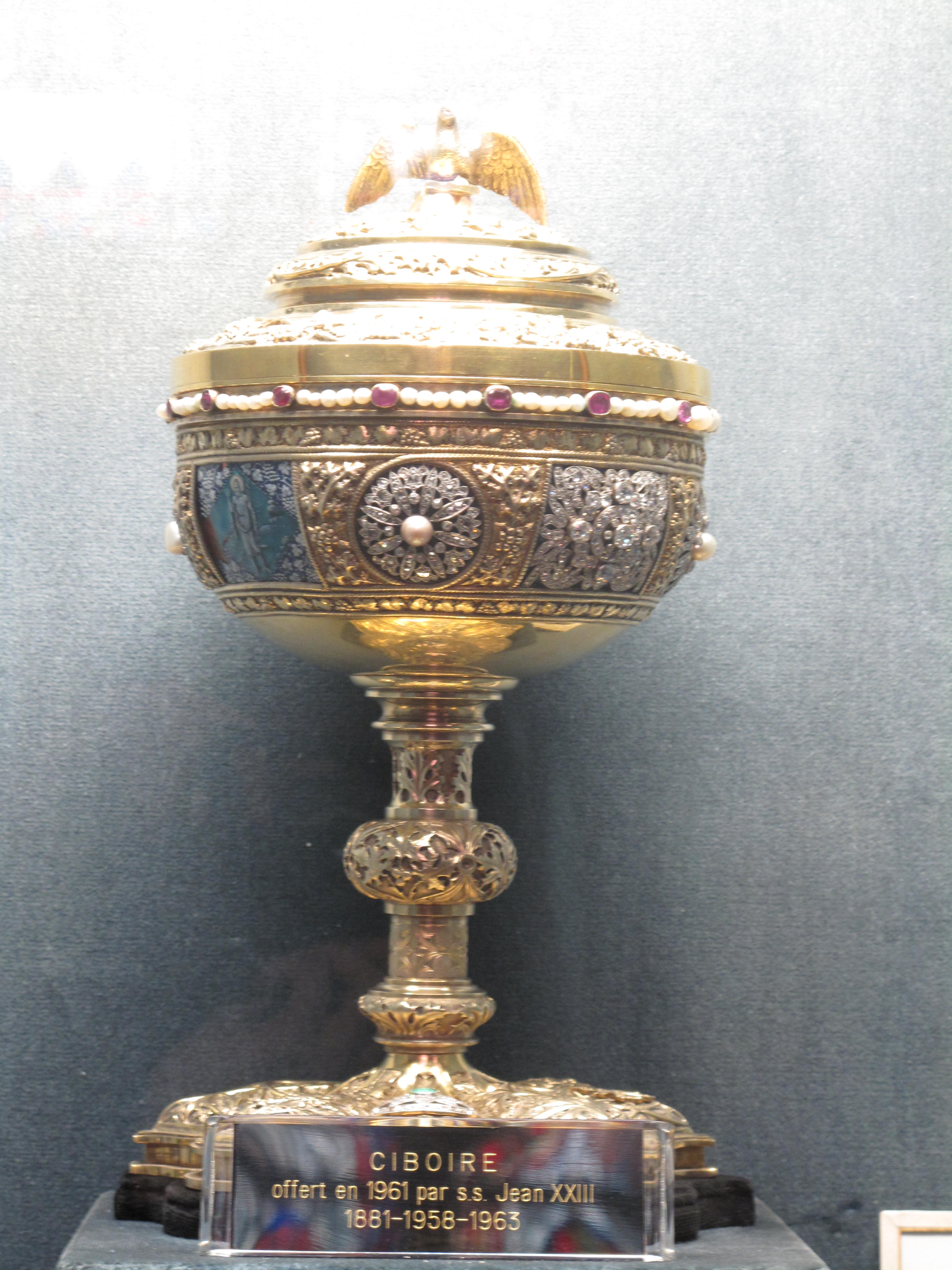
The treasury was well worth the three euros paid for it – it had amazingly beautiful goblets, finger rings, busts of various archbishops, as well as objects of unknown purpose, probably just for decoration.

We highly enjoyed the mass itself too. The service started with vespers at 17.45, followed by the mass at 18.15. Everyone was given sheets of paper with the lyrics of hymns and psalms in Latin and French. Since, wishing to see everything well, we sat in one of the front rows, we had to sing along with everyone. But it all sounded truly divine! The next part mostly consisted of preaching and talking about the biblical Susanna and the two elders, occasionally interrupted by chants such as «Kyrie Eleison».

Generally, looking at all this, I come to the conclusion that if I was a believer, I’d certainly be a Catholic. Because only Catholic churches, services and rituals make me feel awe, albeit minimal. On the other hand, it seems unlikely that I would be able to listen to stories of Susanna, the elders, and others like them with sincere reverence.

Leaving 2 euros as a donation, we left the cathedral just in time to catch the last tour bus, which dropped us off at the Grand Opera, from which we had to walk to our hotel. Once near the Boulevard des Capucines, we decided to have dinner somewhere. Seeing «Le Grand Café des Capucines», I got quite excited about oysters in the menu exposed in front of the cafe, but my mom flatly refused to try them. For the sake of revenge, I suggested Pizza Hut, where the pizza was very, very mediocre.

Posted in Asia, China, Hong Kong

Trip to China – Hong Kong – Day 2

РУССКОЯЗЫЧНАЯ ВЕРСИЯ ПО ЭТОЙ ССЫЛКЕ. CLICK HERE FOR RUSSIAN VERSION.

27 March 2012, Tuesday

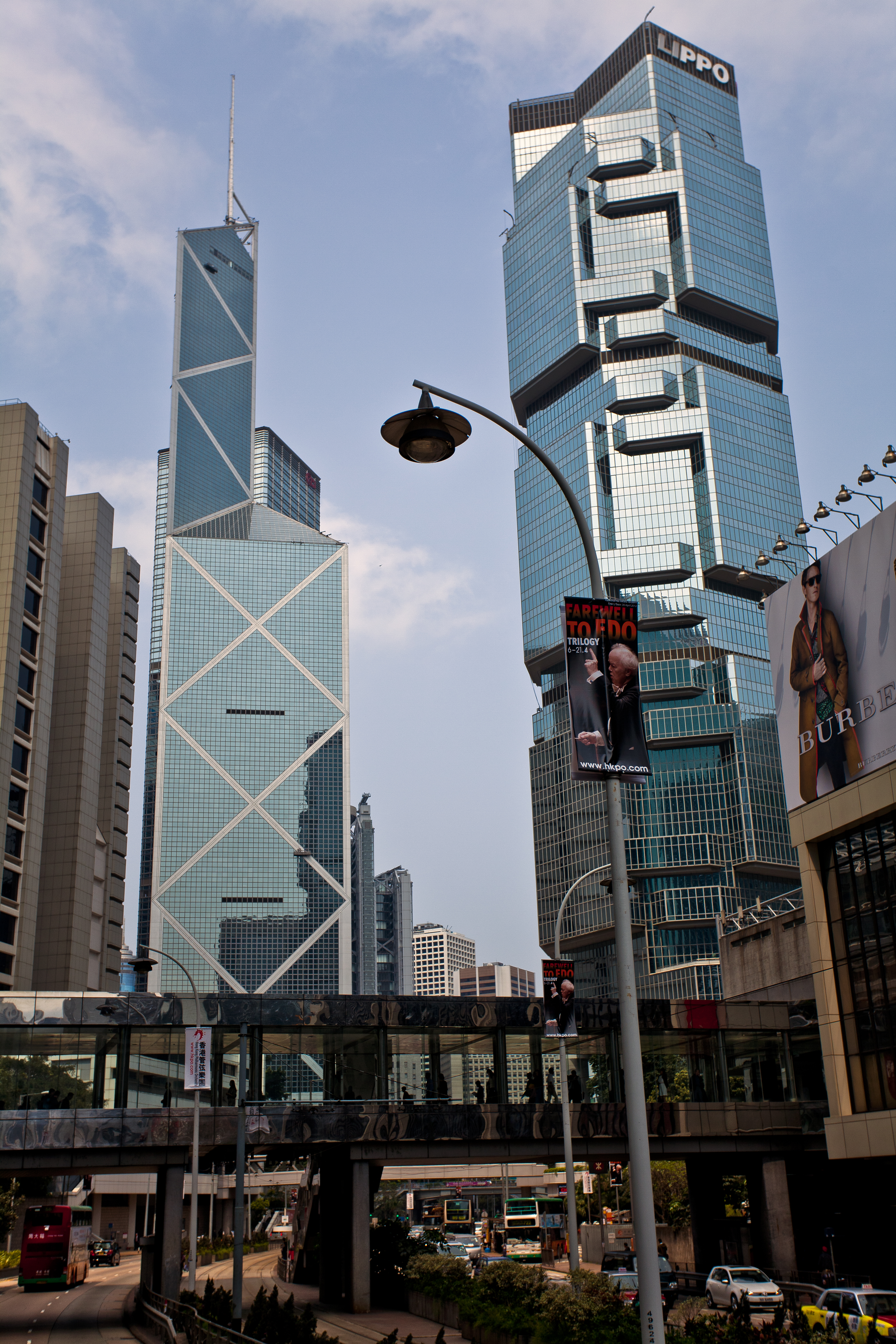
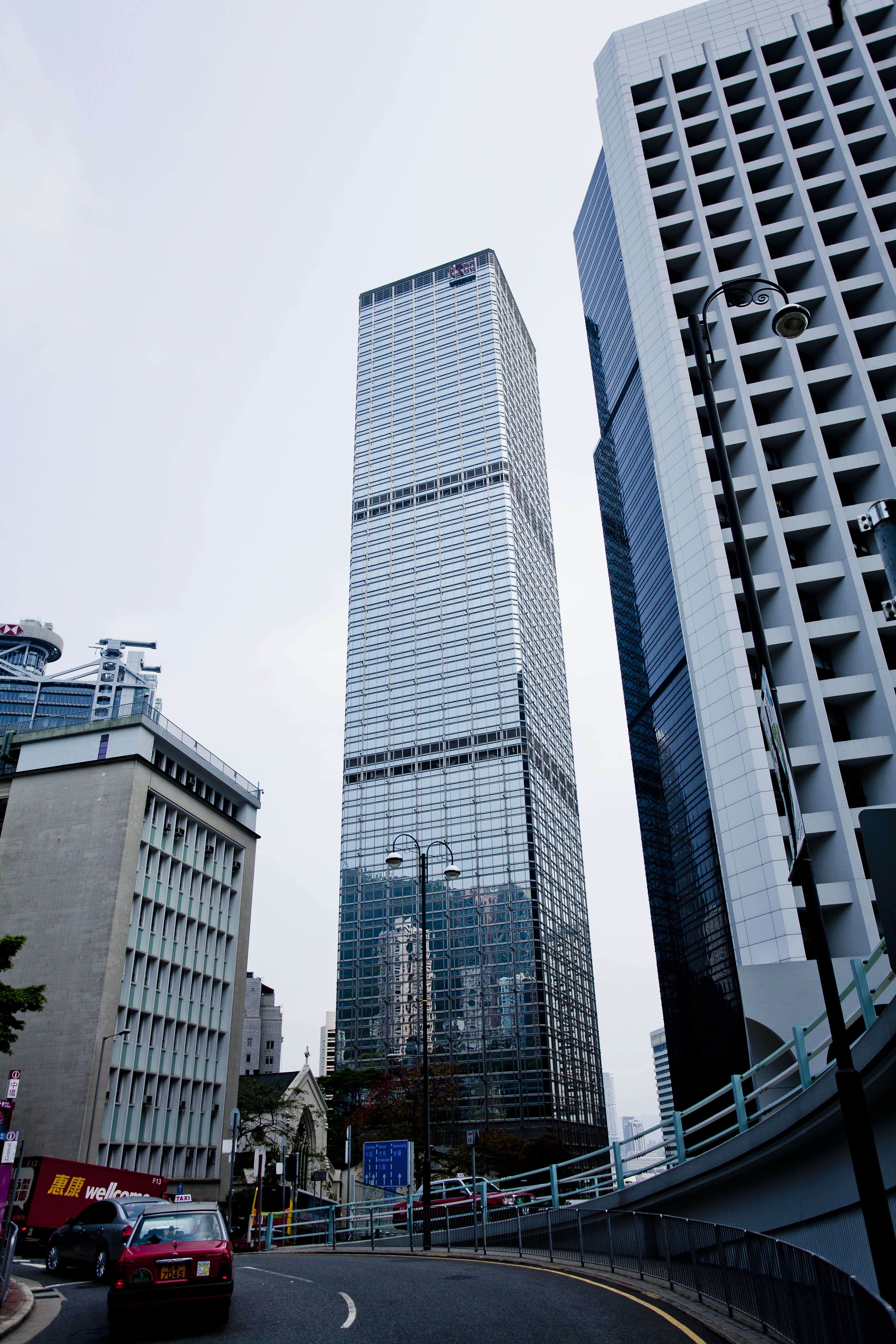
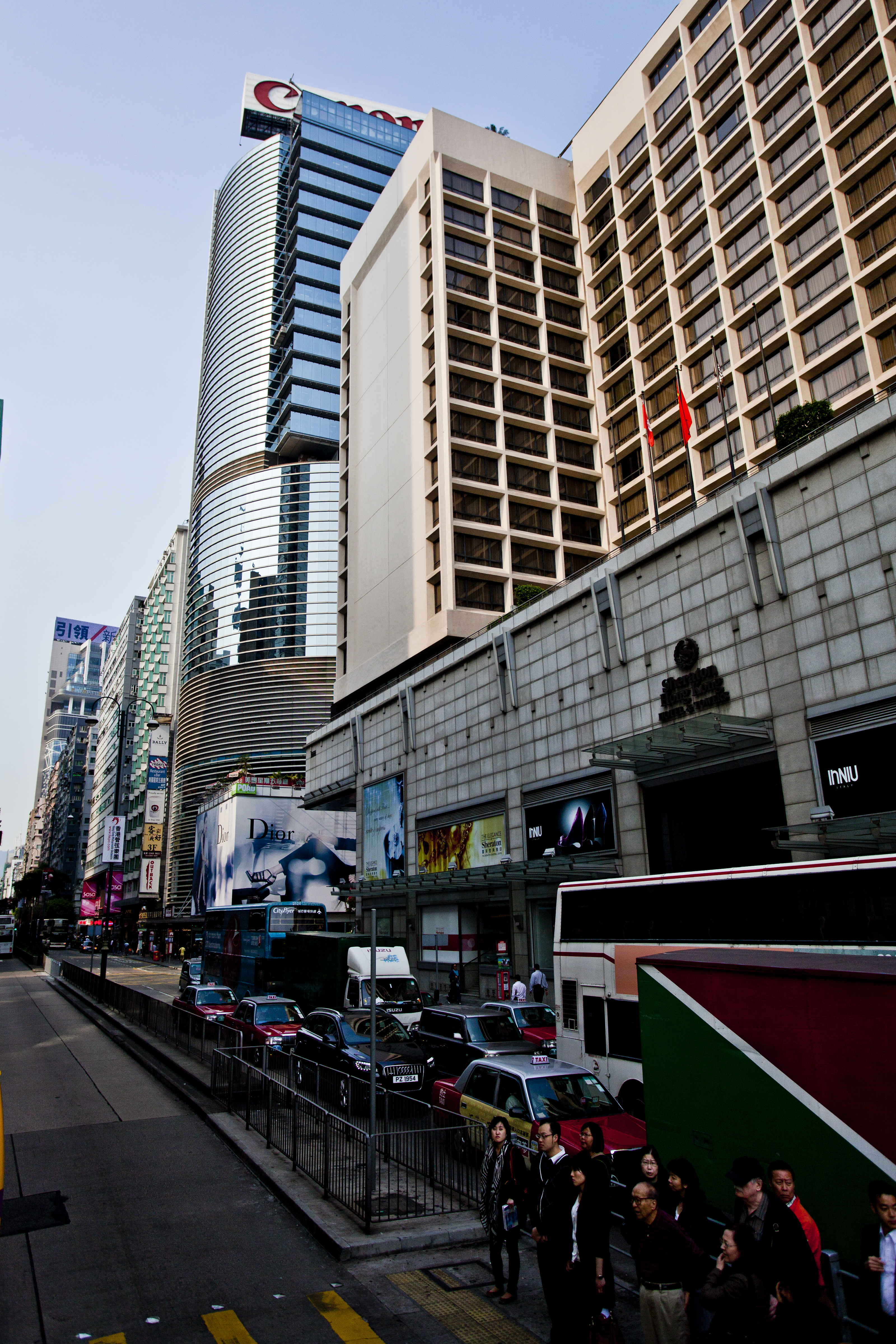
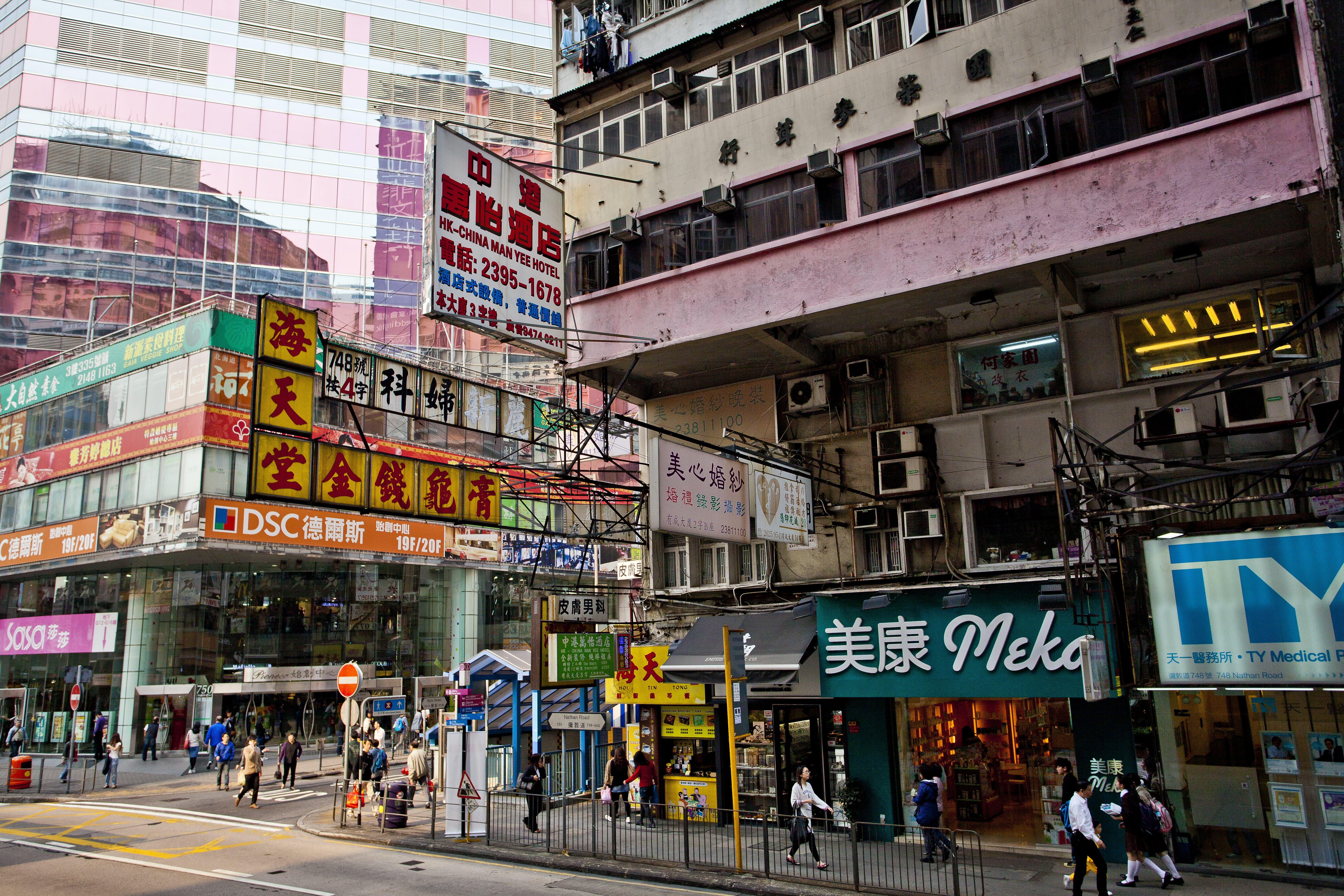
First of all, we should praise ourselves. And Hong Kong too. The first ones (i.e. us!) were able to find our bearings all the time, figured out where and how to go, purchased Octopus cards which are used for payment in all public transport in Hong Kong (and some shops as well). No more taxis from now on, long live the public transport! The second one, that is Hong Kong itself, provided an opportunity to understand everything, being a very user-friendly city: the streets, the transportation – everything is clear and more or less available, unlike Beijing, where standing on one side of a very wide street, you might have no clue how to get to the other side. Hong Kong’s streets are narrow, often literally a gap between skyscrapers. Usually there are overground crossings in areas with heavy traffic.

So, after breakfast (which was way more modest than in the luxury Beijing hotel), we, as decided the day before, headed to the nearest tour bus stop. We took a tram; trams here, as everything in Hong Kong, had grown in height and not in length: they are short and double-decker.

The bus took so long to arrive, that we got quite anxious whether we were standing in the right place. But just at the moment when we went to clarify this with a staff member of the Sogo department store, in front of which we had been waiting, the long-awaited bus appeared in the distance. Interestingly enough, the tickets were only sold near the Victoria Peak tram station, meaning that should we have decided to get off earlier, we would have ridden for free.

The road to Victoria Peak, which had been open to the public in late 19th century, was extremely steep and we rode at a crazy angle! We were literally pressed into the seat backs. The funicular is not only an attraction for tourists, but also public transportation for residents of the upper levels of the island. In fact, it was originally created in order to stimulate building development of the mountain.

As we got off the tram, we immediately found ourselves in a mall, where we had to climb quite a few escalators in order to get to the lookout. But it was totally worth it: the view from the Sky Terrace was just divine! The Victoria Harbour was picturesque to the utmost; and the concrete jungle, framing it, looked very harmonious next to the lush and curly greenery on the slopes.

We had lunch at the peak, at the Bubba Gump Shrimp & Co restaurant. It is a nice seafood restaurant from an American chain, with average prices. The way of calling the waiter is really interesting: there is a two-sided sign board on the table. If you don’t need anything, you turn it to its blue side, which says: “Run, Forrest, run!” If you need the waiter though, you turn it over to the red side, saying: “Stop, Forrest, stop!”

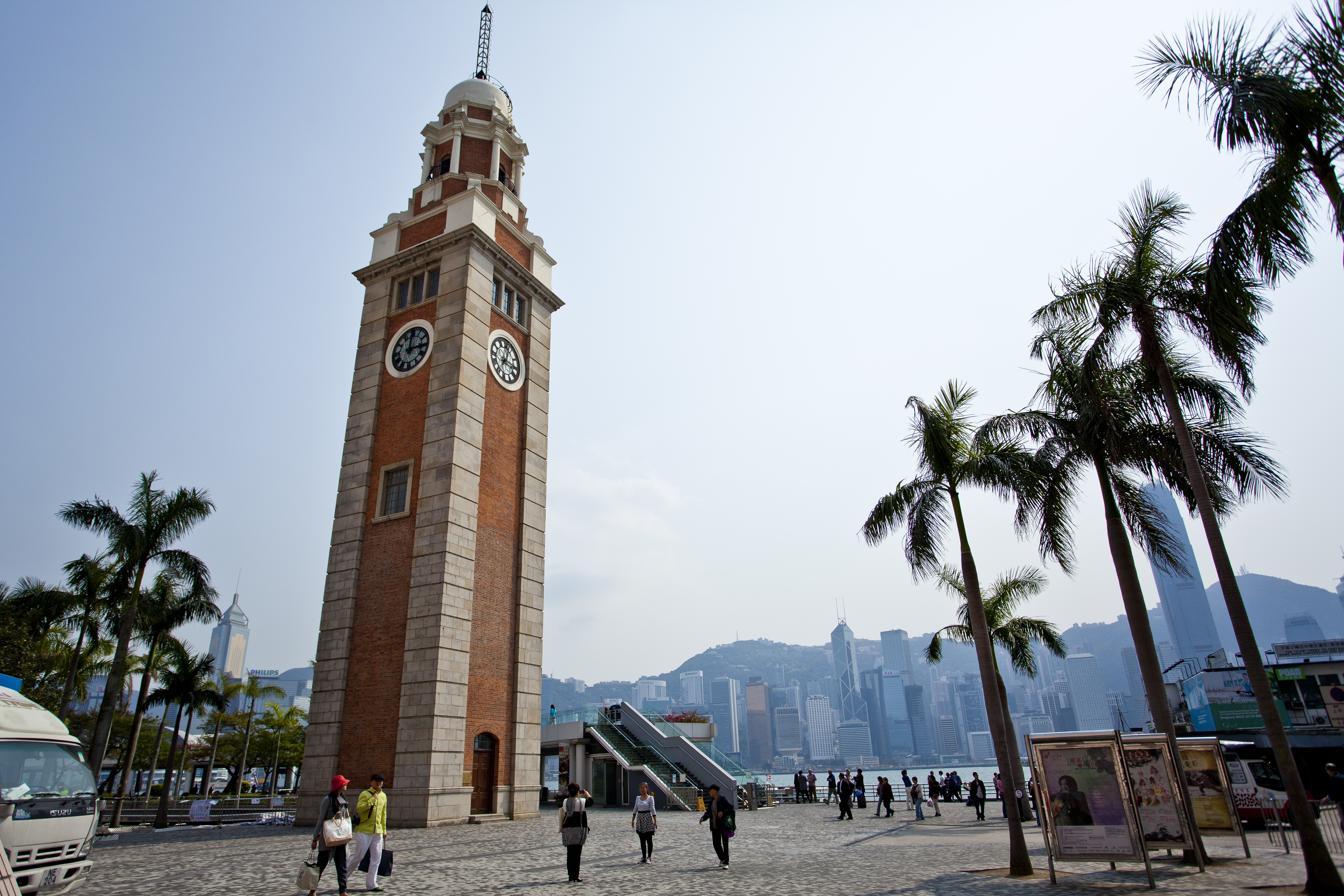
After a ride through the Hong Kong island (the name, by the way, originates from the Cantonese “Hēunggóng”, which means “Fragrant Harbour”), which is the historical centre of the former British colony, we took the Star Ferry to the Kowloon peninsula. Its name means “nine dragons”.

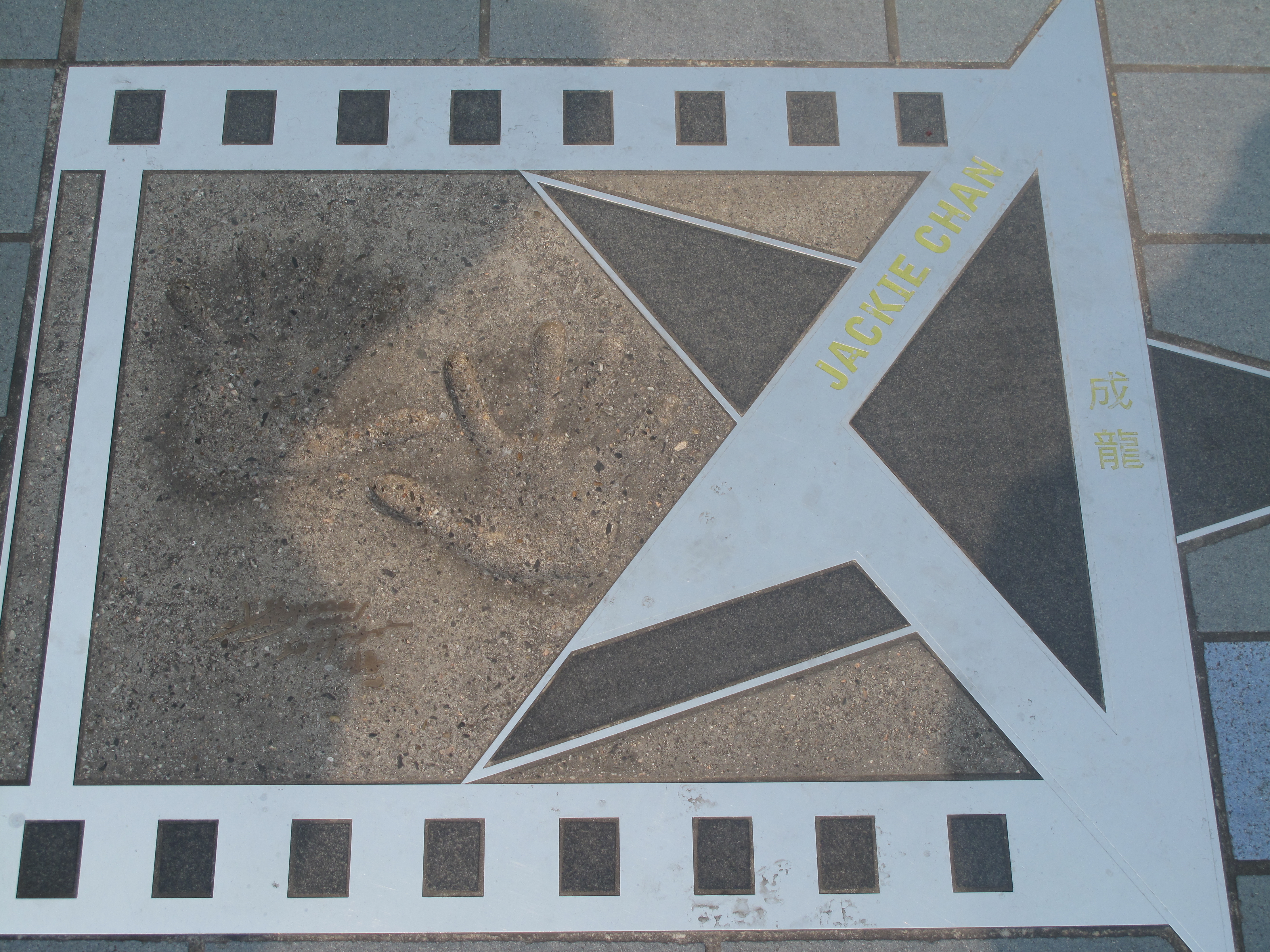
One of the main attractions in Kowloon is the Tsim Sha Tsui Promenade, or more precisely, the Avenue of Stars, like the Hollywood Walk of Fame, but, obviously, related to Hong Kong cinema. Among a myriad of names, completely unfamiliar to us, there were also the names of internationally famous actors, such as Jet Li, Chow Yun Fat, Andy Lau, and of course, the two biggest local stars – Jackie Chan and Bruce Lee. The latter also has a monument in his honour, which is really an object of pilgrimage for Chinese (and other) tourists.

Speaking of Chinese tourists, we had been told that the Chinese liked to be photographed with the Europeans, but in Beijing no one had expressed the desire to take a picture with us. Here though, right on the Promenade, a whole family – apparently, tourists from some Chinese province – approached us and asked to take photos with us, which they then did one by one.

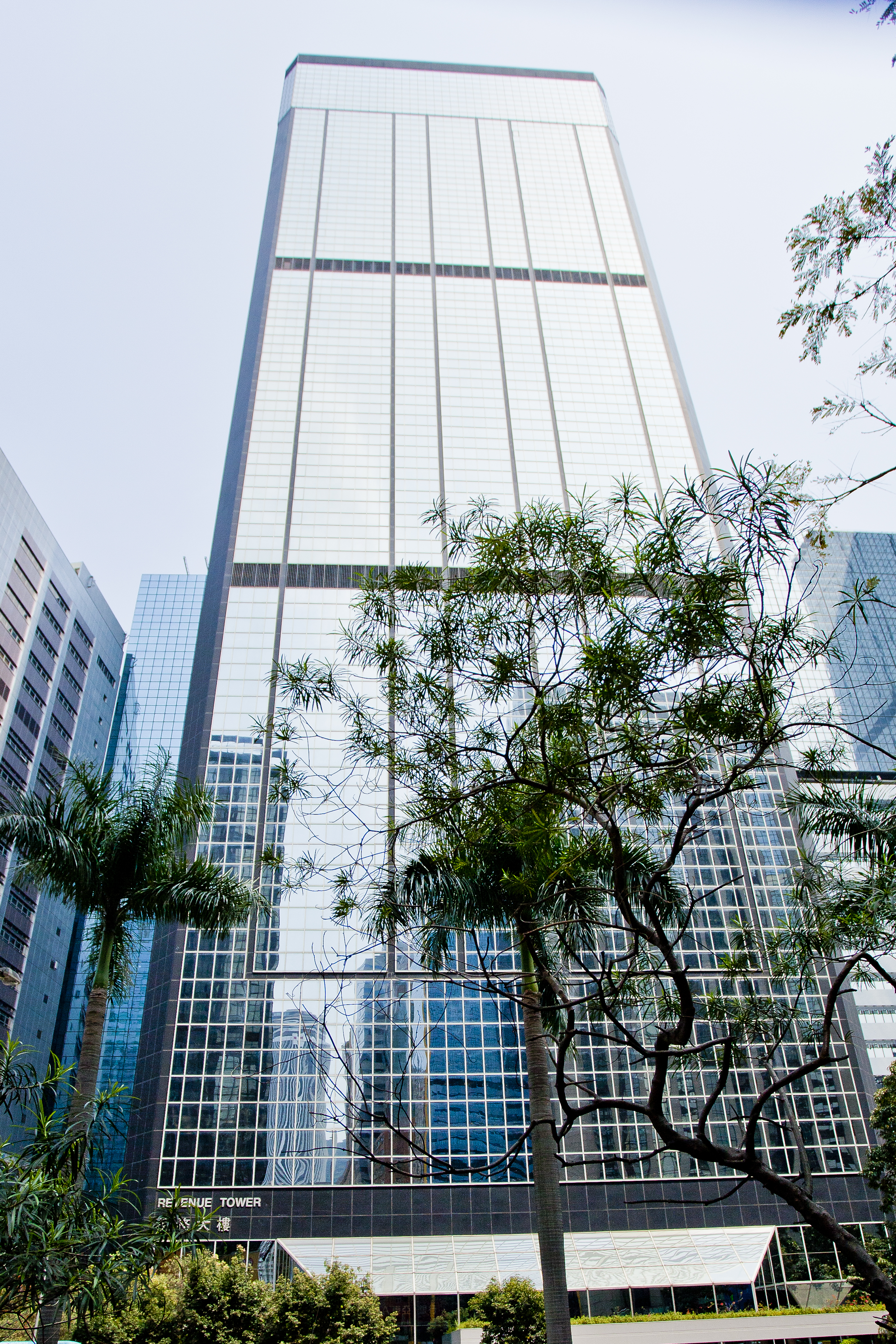
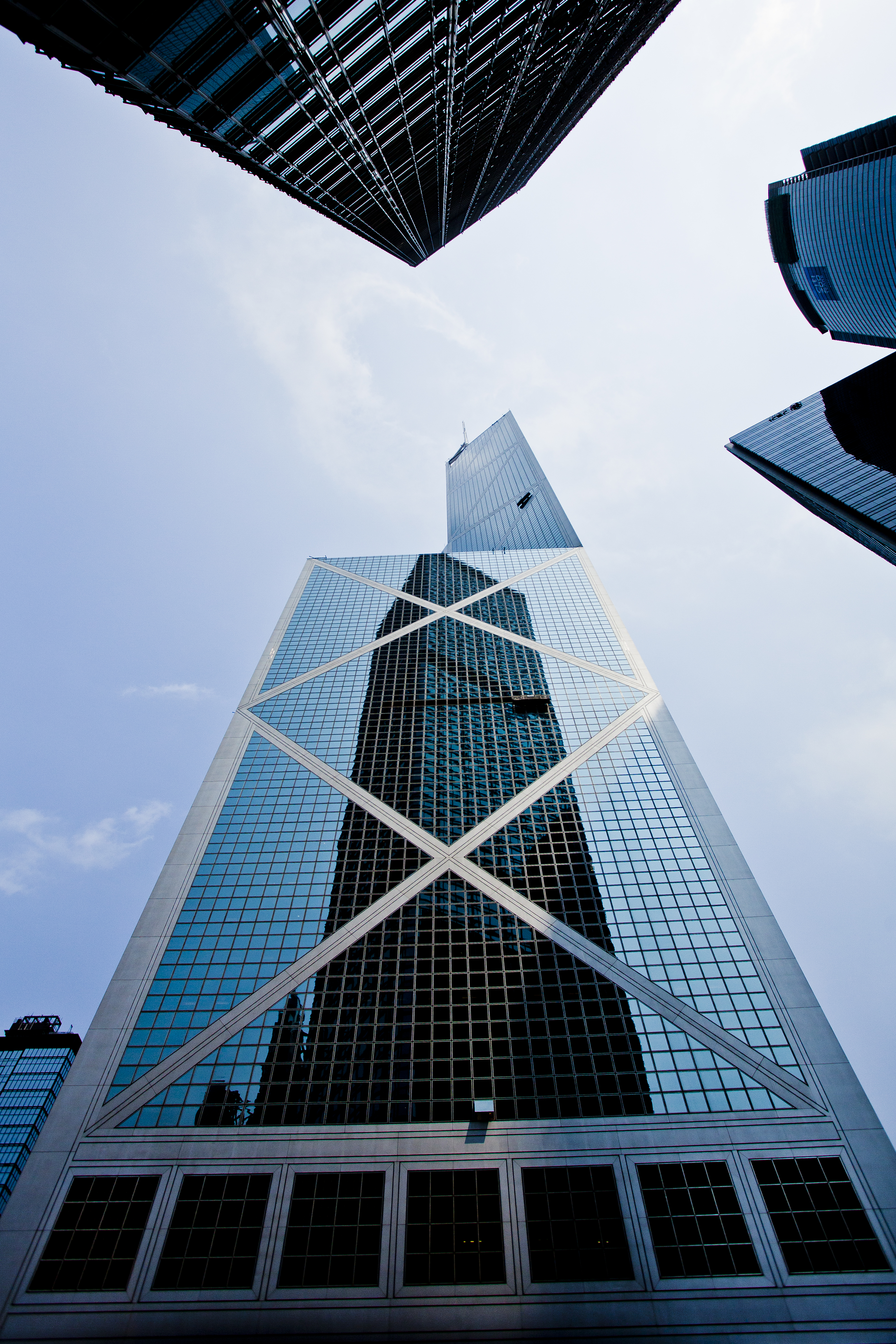
We toured around Kowloon twice: in the day and evening. During the daytime it looked a bit inferior to the island, despite some memorable sites, such as the Peninsula Hotel, where during the Second World War, just after several days of fighting, the British signed the surrender to Japan; or the International Commerce Centre, which is the tallest skyscraper in Hong Kong (by the way, Hong Kong has the most high-rises in the world, almost twice as many as New York does). In contrast to the fashionable boutiques of the island, the peninsula is famous for its more democratic markets: the Ladies’ Market, Temple Street Night Market, Flower Market, Bird Market, etc.

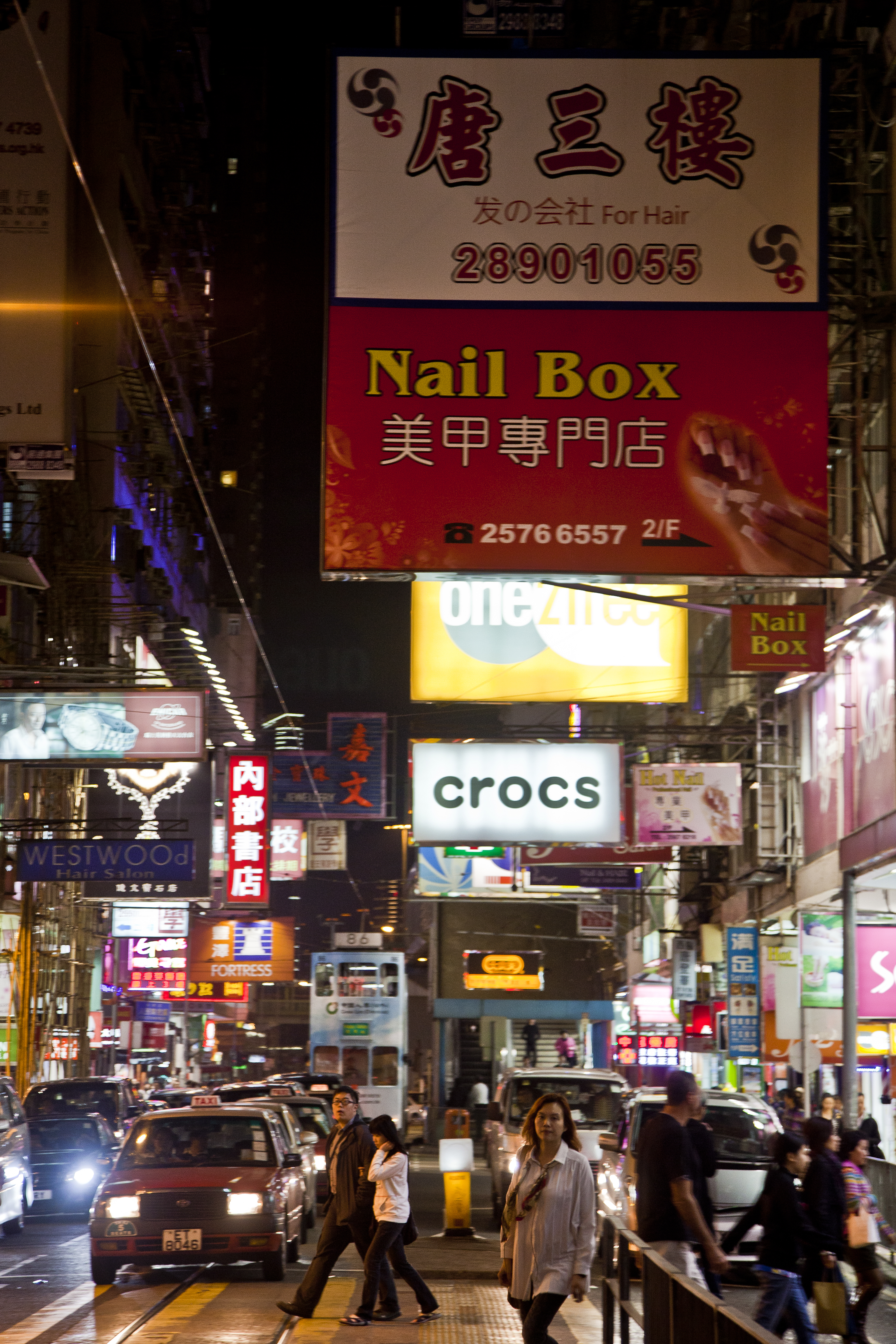
However, at night the streets of Kowloon are brilliantly lit by colourful neon lights – especially areas like Nathan Road and Mong Kok – and look absolutely safe (the crime rate in Hong Kong is really very low).

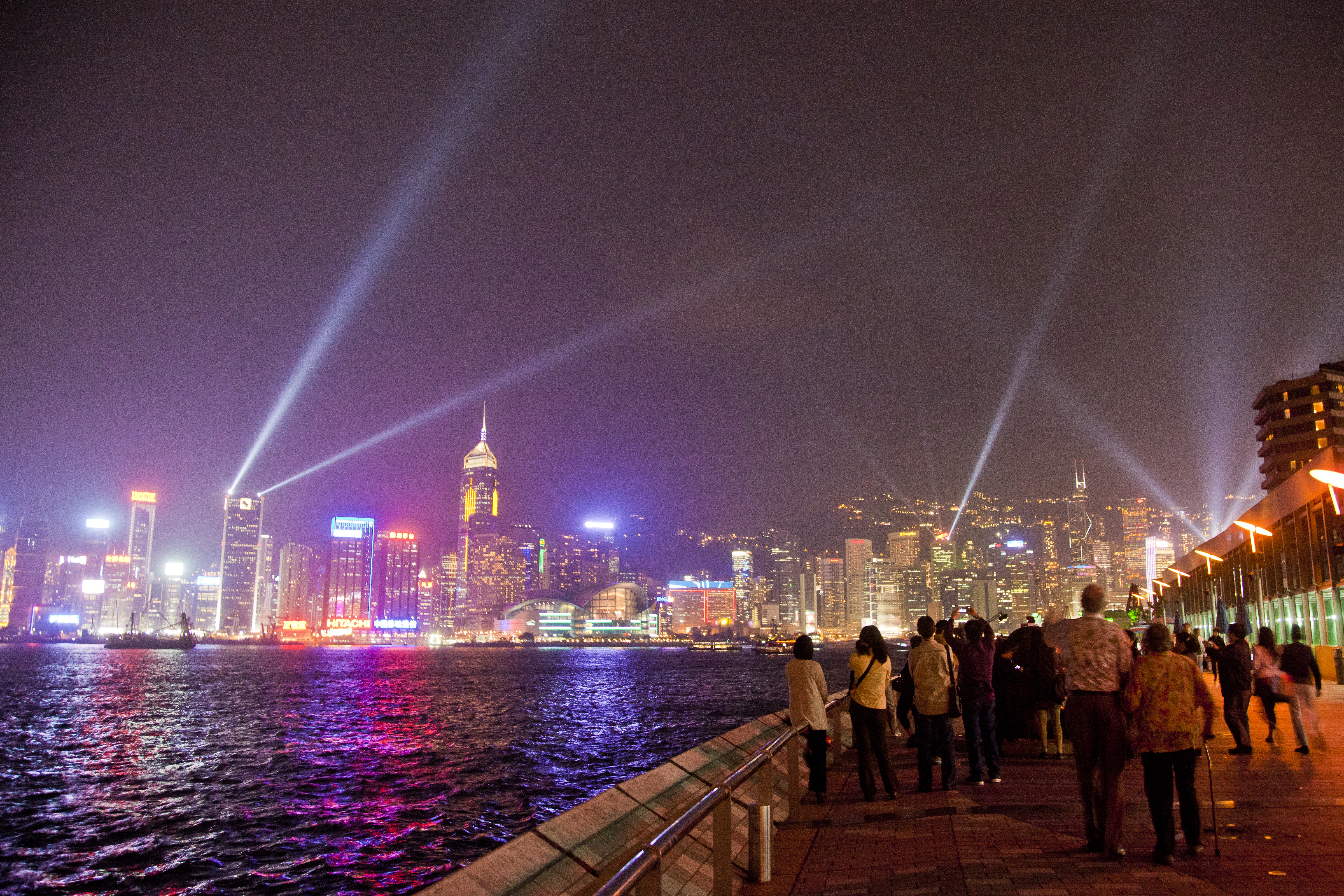
After the night tour around Kowloon we came back to the Tsim Sha Tsui Promenade, where a laser show is demonstrated every night at 8pm. Honestly, we expected something more from it, and when the green laser beams started appearing in the sky, we kept waiting for the real show to begin. But that was it, as it turned out – not too impressive (later note: the light show on Maiden Tower walls in Baku during Eurovision Song Contest 2012 week was way more spectacular). But I took some photos of the harbour.

On the way back we easily found the right tube station (or MTR station, as it is called here), then the right tram stop, and after the 12-hour “sortie”, safely returned to our Emperor (Happy Valley) hotel.

A few general observations: the local language, that is, Cantonese, is quite different from Mandarin, or Standard Chinese, which is the official language in China and Taiwan. As for Hong Kong, it has two official languages: English and Chinese (both Mandarin and Cantonese, which makes, in fact, three). For example, tube announcements are made in all three, and pretty soon we got the hang of aurally distinguishing Cantonese from Mandarin.
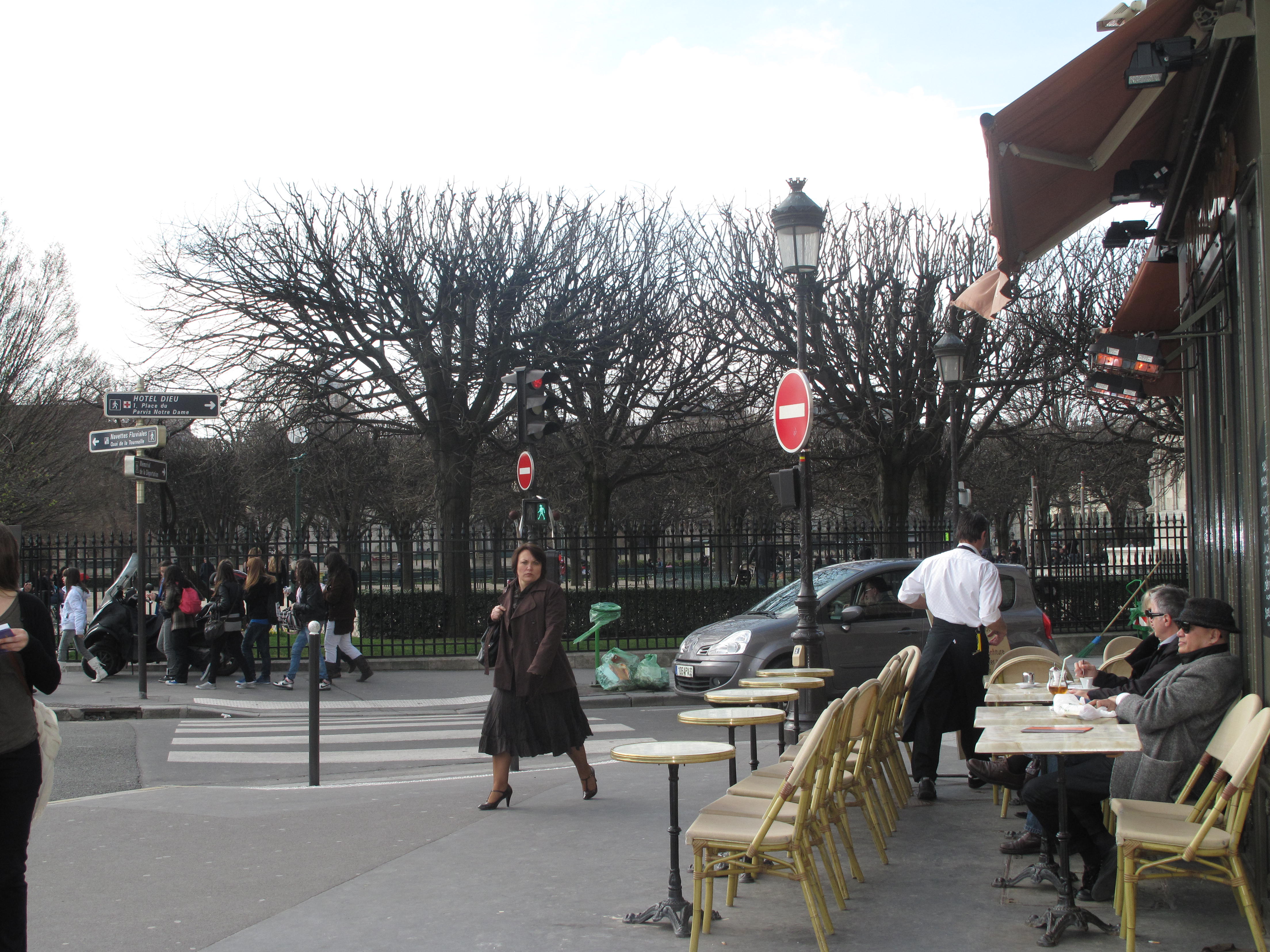
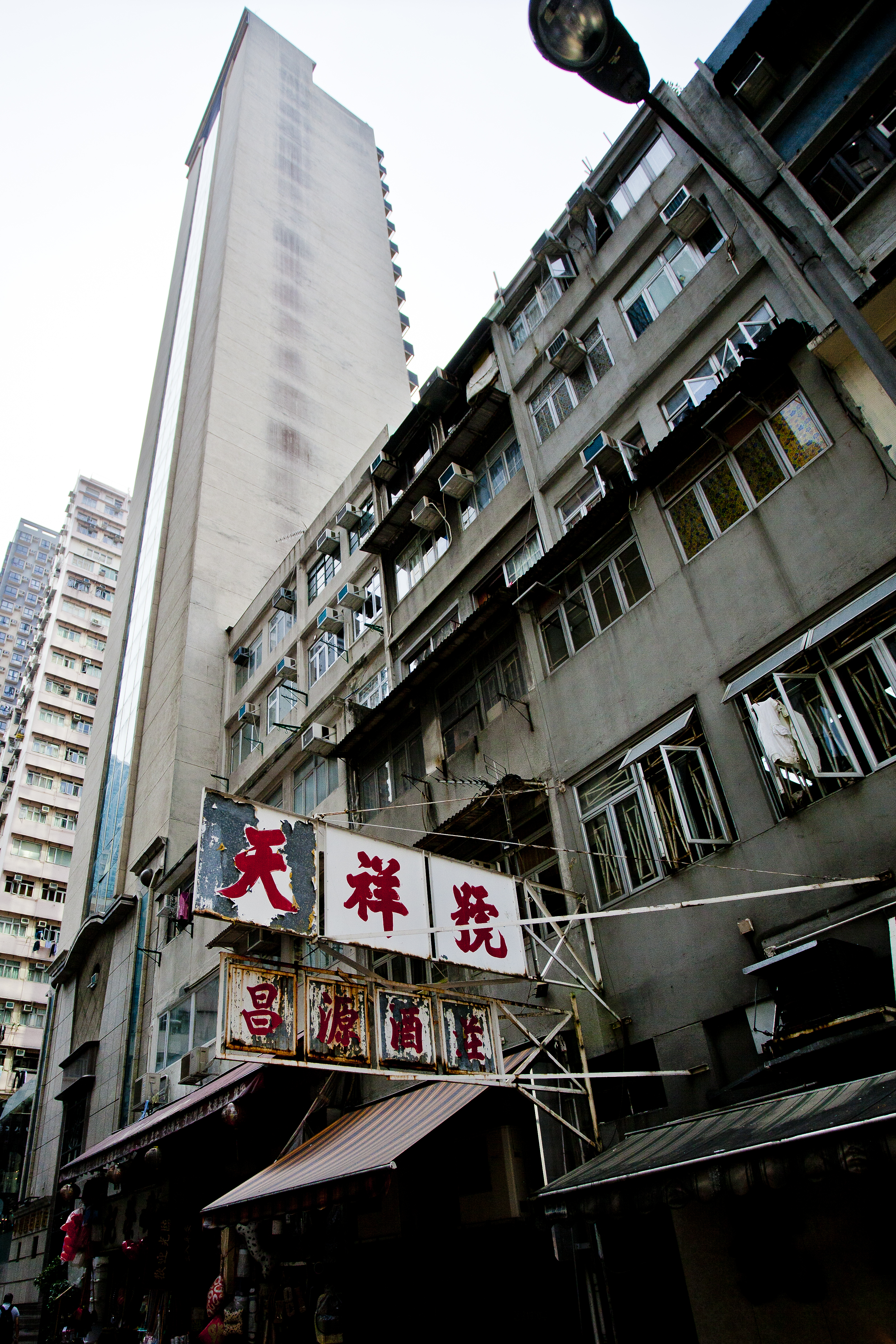
The writing is also different. Here they use older, traditional characters, which look more complicated, with lots of strokes and dots. In Mainland China, though, as well as in Singapore and Malaysia, simplified characters are used. They were introduced in the middle of 20th century, to increase the literacy of the population.
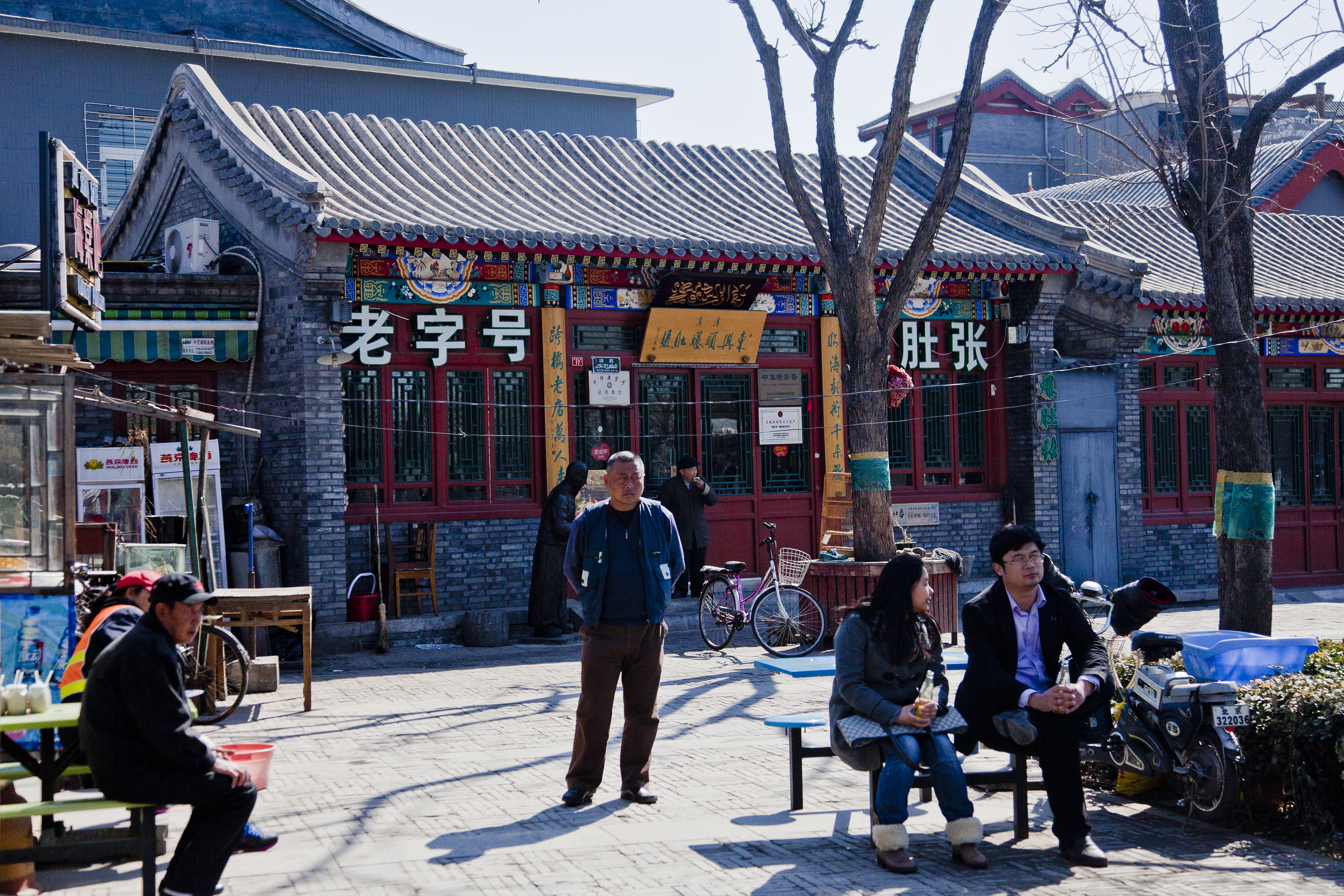
Watching the locals, you sometimes feel like you see the English in Chinese guise. They queue sedately (something which the Chinese don’t tend to do generally), obey traffic rules, stand on the right side of escalators and walk on the left. All the service staff in all public places speak English, schoolchildren solve math problems for homework in English (we saw this in Starbucks; they were speaking Chinese among themselves, though).
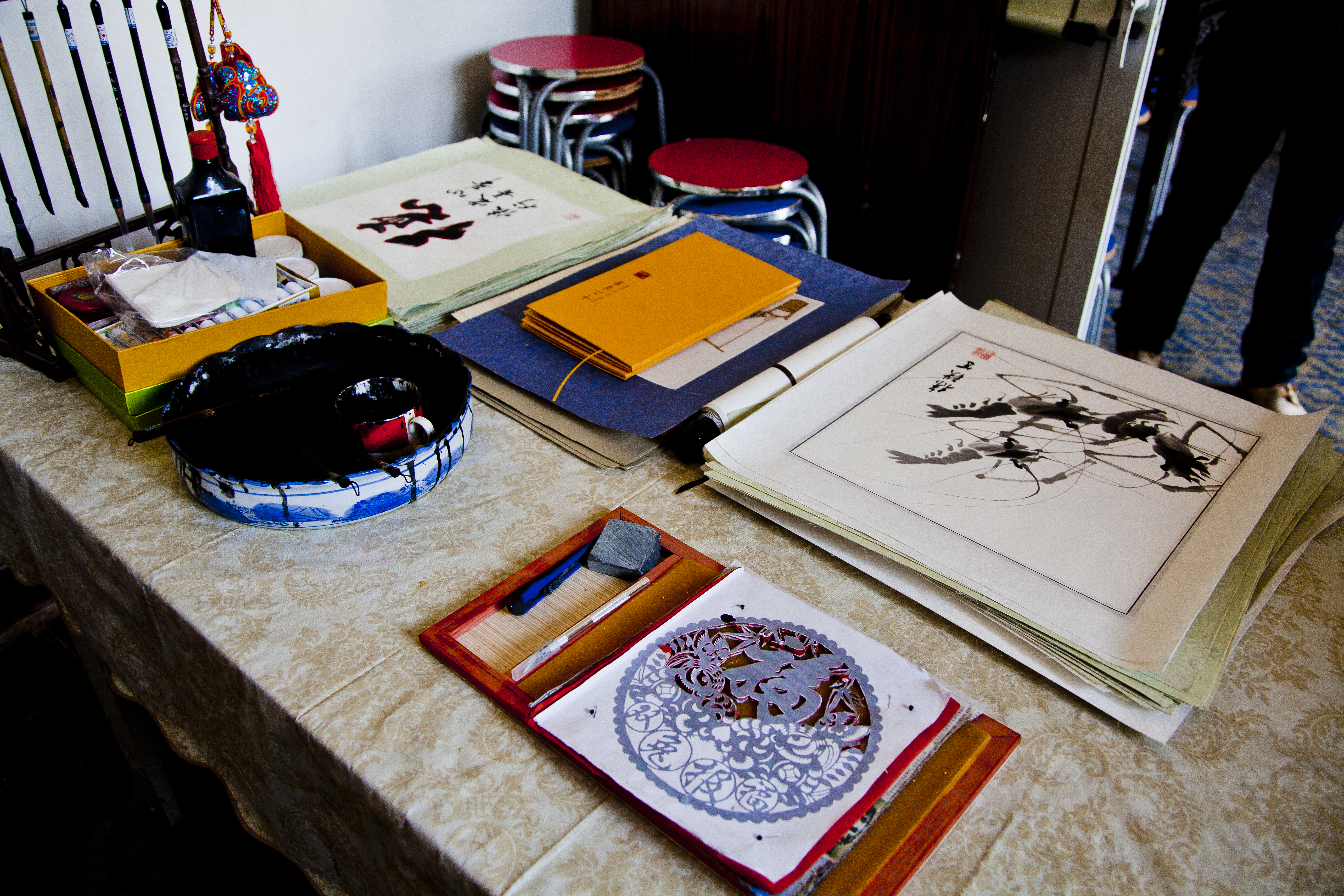
In general, having arrived in Hong Kong, we clearly felt the difference between the communist and capitalist China. Not that in Beijing they flaunt their communist slogans, prohibitions and restrictions – it all seems veiled. But you still have the feeling that the tiger is holding out its paw, even though with hidden claws, over everything around: controlled Internet, controlled television, guides necessarily referring to happy life with universal equality in the People’s China, Mao’s portraits, five-star symbols, and even endless barrages on the streets constantly remind of it. In Hong Kong you see democracy in full bloom. No wonder that in 1997, when Margaret Thatcher returned Hong Kong to China after a 99-year lease  in accordance with the agreement, tens of thousands of Hong Kongers hastily emigrated to the West, terrified by the “charms” of the communist “paradise”. However, Hong Kong practically doesn’t feel its implications so far, because, as well as Macau, it has the status of a Special Administrative Region and will retain its internal system for 50 years. What Hong Kongers will do after the 50-year period expires, is a big question.

Posted in Asia, Beijing, China

Trip to China – Beijing – Day 6

РУССКОЯЗЫЧНАЯ ВЕРСИЯ ПО ЭТОЙ ССЫЛКЕ. CLICK HERE FOR RUSSIAN VERSION.

25 March 2012, Sunday

The day turned out to be quite authentic. In the morning we met our guide (an official one, of course) and went on a hutong tour. By the way, what is really good about tours here is that usually it’s not just a trip to one place, but rather to several different places, very cleverly connected so, that there is a good balance of walking, riding and climbing.

Likewise, this hutong tour started with two towers, facing each other – the Bell and Drum Towers. Thank goodness, we only had to climb one of them, the Drum Tower. Both towers were built during the Ming dynasty and were used to alert people of the time, every two hours.

In order to get to the hall with the drums, we had to climb sixty very steep stairs, and then nine more. Apart from drums exhibited here, there were also ancient devices used in the past to determine the time, so that servants would know when to hit the drums. The operating principle of most devices was based on the burning of incense, which was calibrated so that it took a set amount of time to burn.

At half past nine four guys and a girl arrived and demonstrated a drum performance. The girl was hitting the largest drum. And the drums, I have to mention, were nothing like those you would typically see on the stage: each one was of the size of a huge barrel, or even two. So, no surprise that the whole city heard them back in those days.

The guide showed us all parts of Beijing from the balcony. It was really interesting to look down on the places we had already seen: the Beihai Park, the Olympic Village, the Forbidden City.

From the Drum Tower we moved to the Bell Tower, but luckily the visit was limited to the ground floor, where we participated in a tea ceremony – not a theatrical one, as in the Lao She teahouse, but with detailed explanations and tasting of different varieties of tea. We were taught how to brew the tea, how to hold the cup with three fingers and how to drink the the tea, sticking out the ring finger and the pinky finger. Interestingly, in some countries the latter was once considered a bourgeois affectation and was highly ridiculed. Here, though, the two fingers sticking out symbolised the tail of a phoenix, which, in its turn was the symbol of the Empress. So this gesture was only made by women. Men also used to hold the cup with three fingers, but tucked the remaining two in – this gesture symbolised the dragon, i.e. the Emperor. We got to taste five different varieties of tea: oolong with ginseng, jasmine tea, pu-erh (in tiles), black tea with lychee and rose flowers, and fruit tea. It would have been a sin to leave this tea kingdom without buying some real Chinese tea, so we purchased two packs – one oolong and one jasmine.

From here we walked to the Shichahai quarter, which, as our guide explained, is a favourite places of Beijingers, with plenty of restaurants, bars and shops. The place is very picturesque, located on the bank of the Shichahai lake. We learned that “hai” meant “lake”, therefore “Beihai” meant “Northern lake”. Then it dawned on us that “Beijing” started with “bei” by no accident, and that is how we figured out that “Beijing” simply meant “Northern capital” (a fact, which probably everyone else knows anyway!)

The journey continued on a rickshaw, which this time was part of the official tour but which we still had to tip.

First we visited an exemplary Beijing family. Often people live in hutongs for generations. Clearly, senior representatives of families enjoy living here, while junior ones – not so much.

Right at the courtyard entrance we stumbled upon a wall. The guide explained that, just as high thresholds, such walls were believed to prevent evil spirits from entering the house. A typical courtyard was surrounded by four houses, and, together with them, used to represent the five basic elements of the Universe. The main and the most prestigious house was the one on the north, under the sign of Water – that’s where the parents lived. The house on the east represented the Wood element and belonged to the sons – the support of the family. The western house was associated with the Metal (Gold) element and was inhabited by the daughters. In the southern house, under the sign of Fire, lived the servants. And finally, the yard itself represented the fifth element – the Earth.

In addition to that, the guide drew our attention to the obligatory presence of trees in the yard. The 人 character means “a man”, and if a man is surrounded by a wall on four sides, it makes 囚, which means “a prisoner”. In order not to create such an unpleasant analogy, trees (木) were planted in the yard, but necessarily more than one, because the 困 character means “difficulty” – something that clearly wasn’t desired by the residents.

Speaking of characters, I should mention that the Chinese are fond of pasting the “fú” (福) character, which means “good fortune”, on doors, windows and walls. Moreover, they often paste it upside down. This is based on a wordplay: the word “dào” in Chinese means both “inverted” (倒) and “to arrive” (到). So, “Fú dào” at the same time means “Fú upside down” and “Fortune arrives”.

A resident of the house sat us under a portrait of Mao (this was happening in the eastern house, adapted for visitors) and, in fluent English, told us about life in such a house and showed her father’s paintings, made in traditional Chinese style.

Before leaving, we saw other members of her family: her father and her son. The cute two-year-old boy was shy at first, and refused to pose for us when we wanted to take a picture, but then took a fancy to us, escorted us to the door and even said “See you later” in English.

Next, we made a walk through the hutong. In fact, the word “hutong” is of Mongolian origin, meaning “water well”. During the Mongolian Yuan Dynasty each such quarter had a water well, hence the name. Nowadays the term “hutong” refers to these narrow, or sometimes, very narrow alleys.

Like everything in China, the front door design of each house was strictly regulated by the social status of its residents. If the house belonged to a military official, there were two round stones at the entry, decorated with various ornaments, standing on their edges, one on each side. Square or rectangular stones, on the other hand, indicated that a civil official lived in the house. The number of hexagonal wooden beams above the door jambs also depended on the social status of the owner. Twelve beams was the maximum, which was only attributable to the Emperor. Severe punishment or even execution expected those who dared to break this rule (as well as using other privileges of the Emperor: yellow colour, dragon as a symbol, constructing two-tier roofs). Then the number of beams decreased with decreasing social status – so a commoner would content with just two.

We already mentioned the meaning of four cardinal points in the design of Chinese courtyards. About the city as a whole we were told that east was for the wealthy, west for the noble, north for the poor and south for the lowly.

We came back from the hutong and had lunch, after which we visited our last place in Beijing – the Hongqiao Pearl Market, where we had great fun! In order to get to chic, certified pearl jewellery on the fourth floor, one would have to survive three seething and boiling floors full of low-quality Chinese goods (the ones we have oodles of as well). Escalators were located in different places, just as in any other large shopping centre, but in, say, “Marks and Spencer” it’s quite hard to imagine noisy sellers chasing you, grabbing you by the hand and shouting: “What is your last price?”. And this arrangement of escalators made it totally impossible to avoid them.

We had been warned that bargaining was absolutely necessary in China, but we couldn’t even imagine that people haggled so passionately and fervently here. The mall was packed with foreigners, who, apparently, had also been briefed on the rules of shopping in China. Here and there we observed many funny scenes, such as a resentful buyer walking away, a seller running after him, ready to make any concessions just to palm off his fake “Dolce and Gabbana”. A sales girl caught our conversation and cried out in broken Russian: “Come buy a scarf, why don’t you want a scarf?” We left without any scarves, though.

And finally, we had a very, very tasty dinner at the same Japanese restaurant, albeit with more modest portions.

Of course we didn’t get the chance to see everything we wanted to – for example, the Summer Palace, the China Ethnic Museum, the Lama Temple… But still, we spent five useful and fabulous days, full of impressions, in Beijing. Let’s see what Hong Kong is going to be like…

Posted in Asia, Beijing, China

Trip to China – Beijing – Day 4

РУССКОЯЗЫЧНАЯ ВЕРСИЯ ПО ЭТОЙ ССЫЛКЕ. CLICK HERE FOR RUSSIAN VERSION.

23 March 2012, Friday

Today was the Great Wall day, which had been planned from our very first day in Beijing. We woke up bright and early, and at 7.30 am were all ready, as instructed beforehand. But unfortunately, the other tour participants were not as punctual, so we didn’t hit the road before 8 am.

Our hotel staff had advised us to choose the tour to the Mutianyu section of the Wall, together with a part of the Sacred Way. Later we found out that the programme also included visits to jade and silk factories. Our guide was a small nimble lady of indeterminate age, named Hui Liang (Melanie for foreigners), who definitely earned her bread honestly and conscientiously – during the day we learned a lot more information about China than in all the previous time.

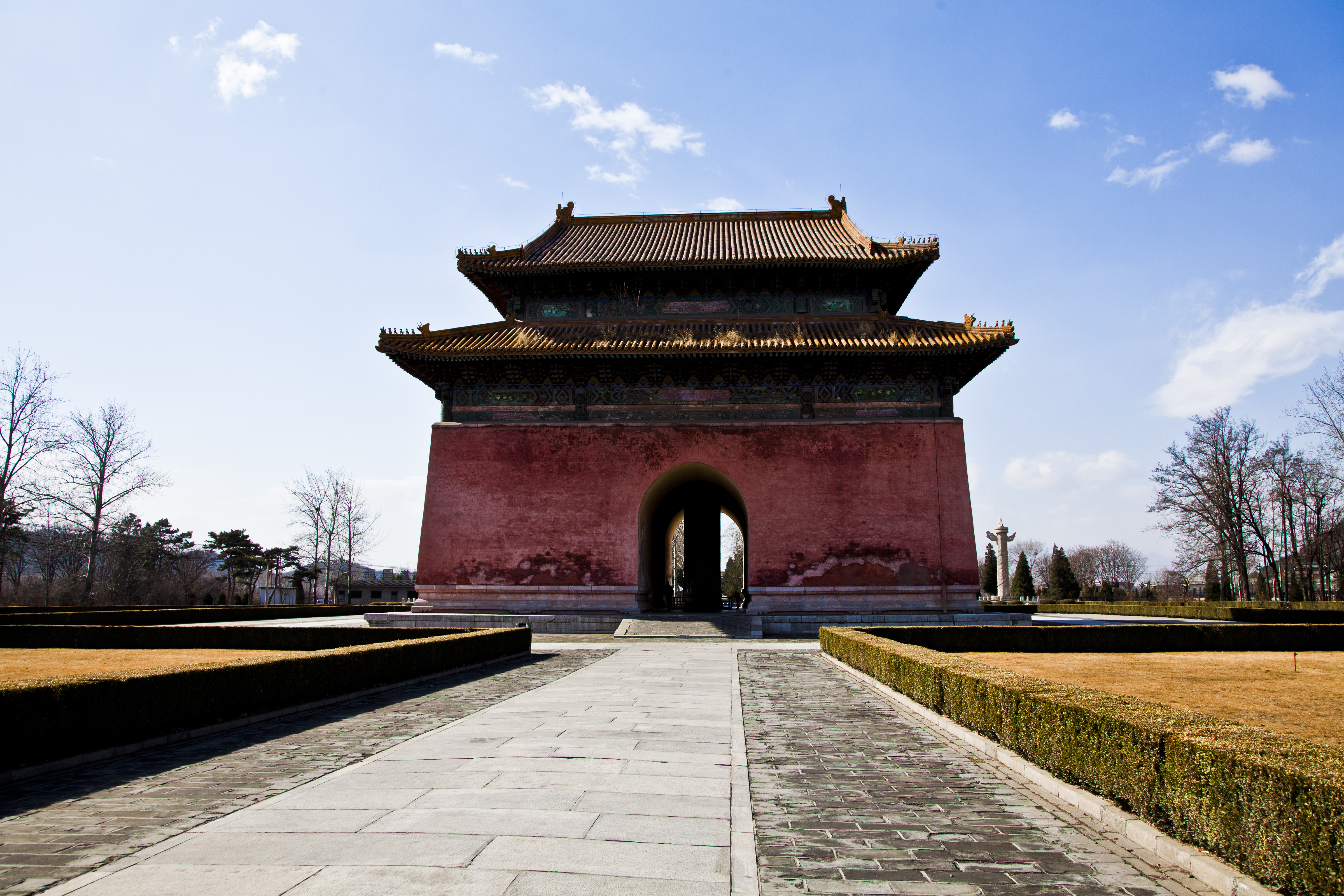
For example, while our coach was heading to the Sacred Way, we learned that the tombs of the Ming dynasty, to which the Way actually led, were located so far outside the city in accordance with feng shui requirements. As the Dragon used to be the symbol of the Emperor, all buildings associated with the Chinese ruler were constructed so that they lied along the so-called “dragon line”, where the Forbidden City symbolised the dragon’s head and the Ming Tombs were his tail. We also learned a lot of details about the mutual harmony of yin and yang, e.g. that in addition to well-known pairs like the Sun and the Moon; the earth and the sky; male and female, even fruits are divided into those related to yin (watermelon, pear) and those related to yang (lychee, orange), and it is not recommended to eat too much fruit of either category, it’s better to strike a balance.

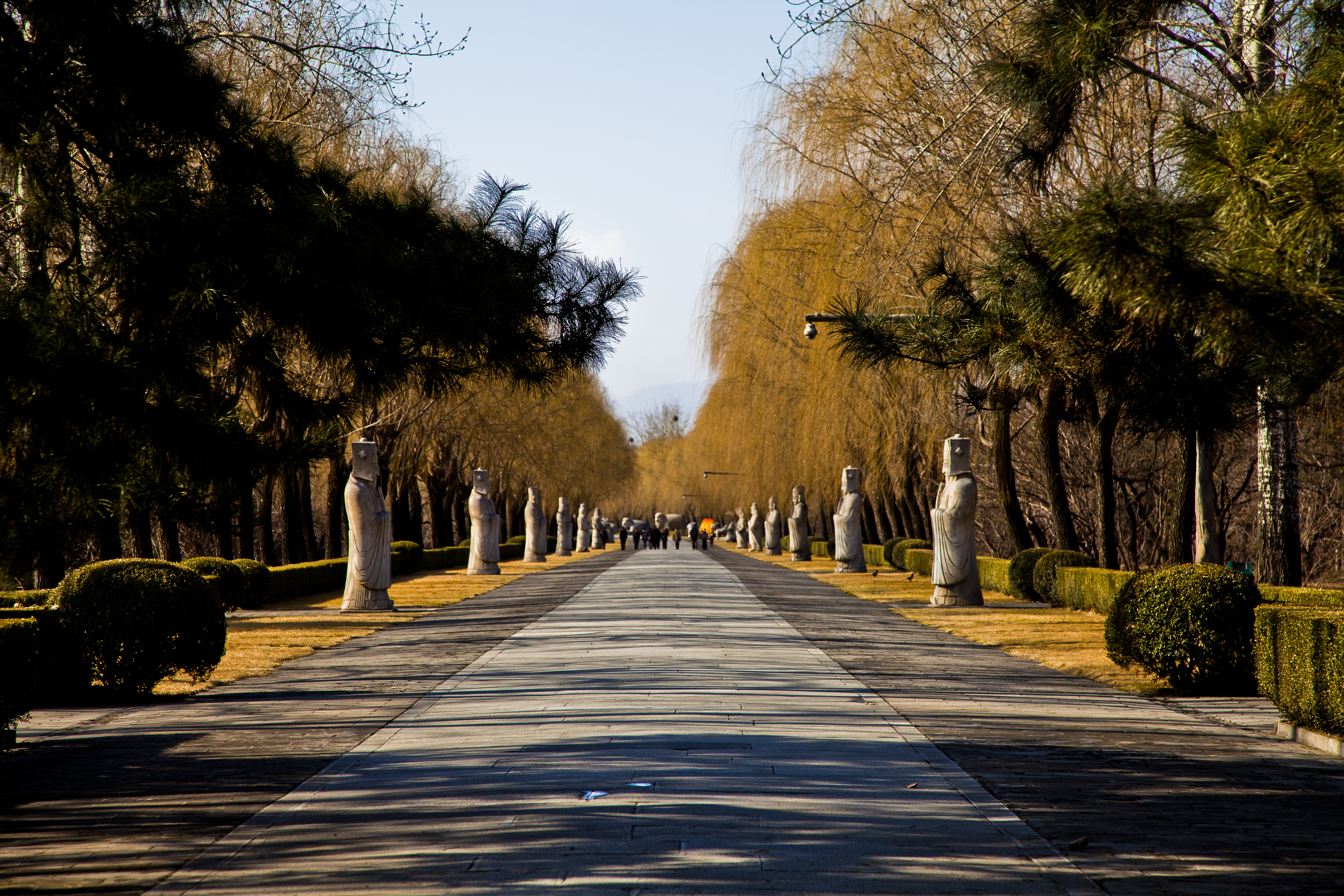
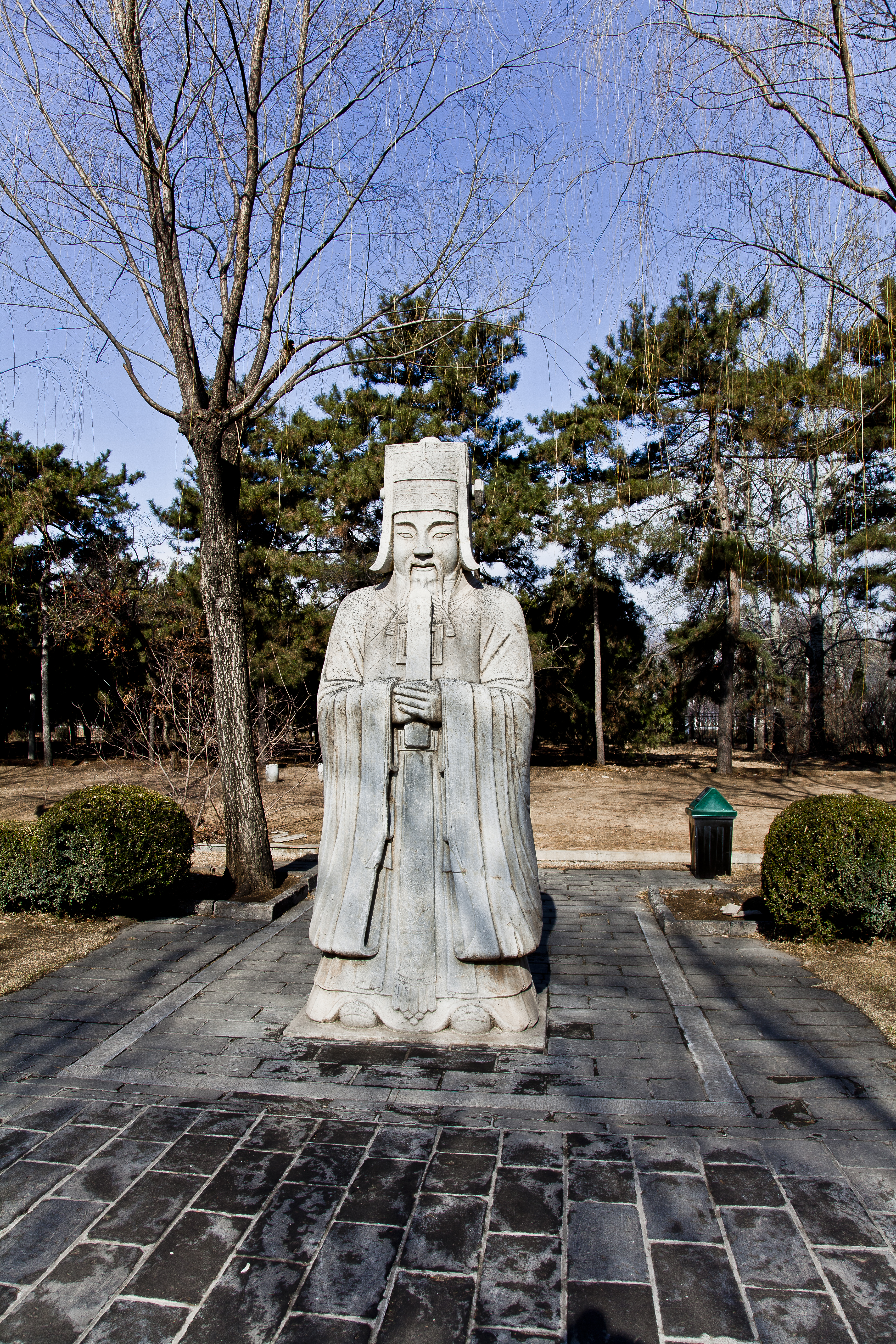
The part of the Sacred Way, which we saw, was, of course, interesting, but not really stunning. It represented a cobbled alley, lined with tall trees, with stone statues on both sides. Dourly towering officials and generals were followed by animals: elephants, camels, lions and mythical sons of the Dragon. In accordance with yin and yang principles each pair of standing animals had a corresponding pair of the same animals, seated.

We walked two and a half kilometres along the alley, right up to our coach, which was already waiting for us on the other side. This time, our talkative guide Melanie regaled us with stories about the famous Chinese jade. In fact, there are two kinds of jade. One of them, the nephrite jade, also known as “soft jade” is used primarily for carving handicrafts. The other variety – “hard jade” or jadeite – is rarer, and therefore, more expensive, so it is used for jewellery. Jade is also referred to as “living stone”, as it changes colour over time, depending on the temperature of the human body. Raw stones, potentially containing jade, can be the subject of gambling (called “gambling stones”), for even a trained eye can hardly detect whether an ordinary-looking grey stone conceals the precious mineral inside.

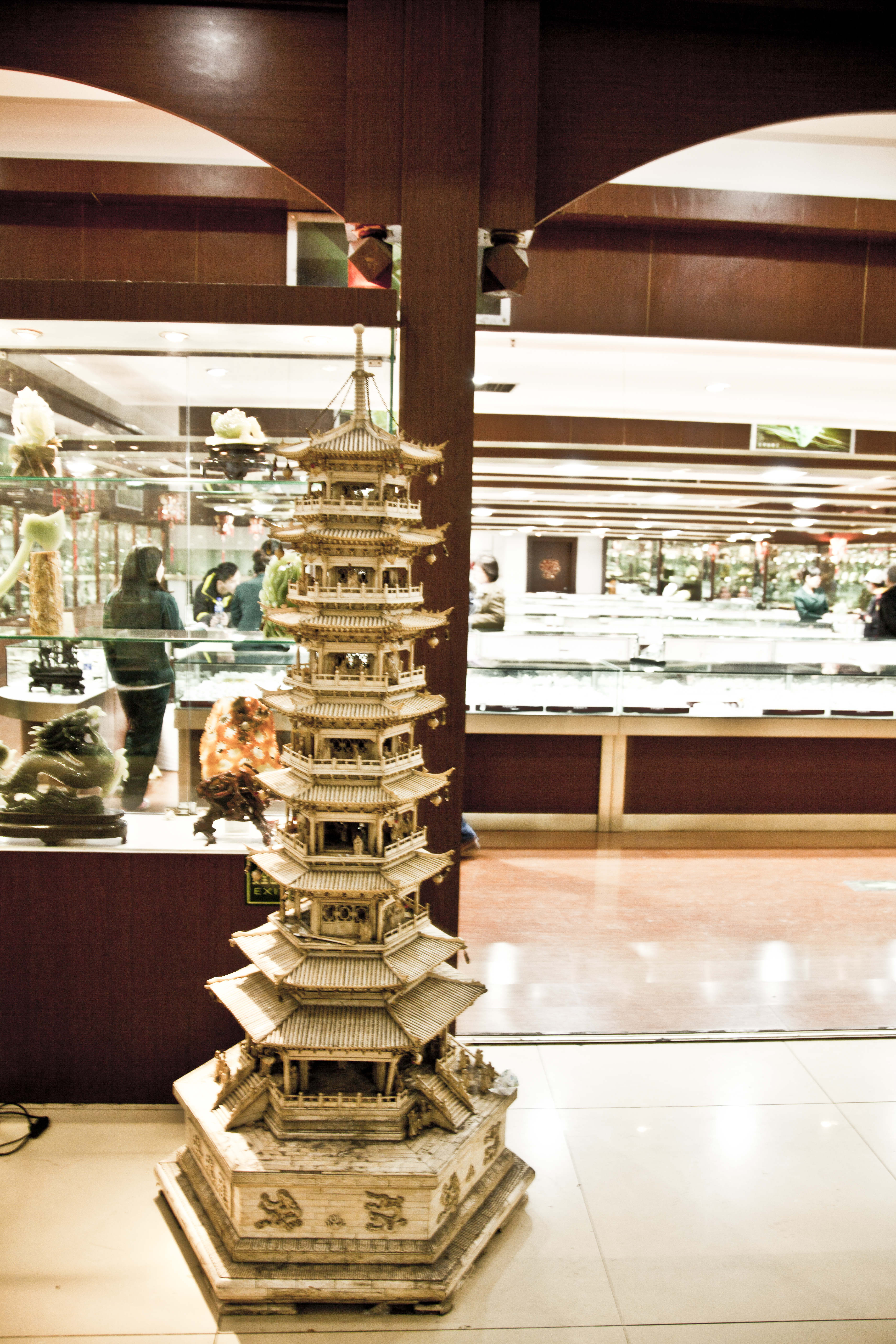
Right at the Long Di jade factory entrance, stood a stunning huge solid piece of jade, representing a mountain with finest carved openwork in the form of trees, flowers and pagodas. The composition had different colours: green, wine-red, yellow – all of which formed part of the jade block’s natural play of colours, so skilfully used by the carvers. It’s worth noting that the handicrafts at the factory were much more beautiful than those we had seen the day before in the imperial treasury, and the articles were sold for far less than in shops and, of course, hotels.

Among various figurines, we saw a lot of “cabbage”. The name of this vegetable in Chinese (báicài 白菜) sounds similar to “cái” (財) which means “wealth” or “money”, so figurines in the form of cabbage are believed to bring prosperity to the house, if properly located (the leaves should point to doors or windows, and the roots should point inside the house, otherwise financial fortune will smile upon your neighbours instead). By the way, another charm that brings wealth to its owner is one of the Dragon’s sons named Pi Xiu, the figurine of which we didn’t hesitate to buy. We were told that in China every self-respecting businessman possesses one, and in Las Vegas those with a Pi Xiu in their pocket aren’t allowed in casinos.

At the factory we were taught to distinguish real jade from fake jade:  if you hold it up to the light, you would see something like swirling clouds in a real piece of jade, while the fake one would either look totally homogenous or have air bubbles. To tell the quality of the jade it’s enough to strike it with a piece of agate and listen to the sound it makes: the higher the pitch, the higher the quality of the mineral.

We had lunch at a huge restaurant right at the factory. Apart from our group, there were at least a thousand people dining simultaneously, without exaggeration. We hadn’t had the chance to talk to any of our fellow travellers in the morning, but during lunch we met those of them we were sharing the table with. It was a couple from Australia and a brother and sister from Turkey. Another couple, sitting at the other table, was from Brazil, and the rest (a company of three) remained unfamiliar to us.

After the meal we drove and drove to the mountains, towards Mutianyu. The road would probably look much more beautiful in summer, with leaves on the trees. Upon arriving, Melanie told us that we would have to go up to the Wall by cable car. So we did, and, I have to say, riding in an open-top shaky cabin at a height of twenty metres was quite scary!

It should be mentioned that the information desk staff at our hotel hadn’t deceived us when recommending this tour: the Mutianyu section of the Wall was not too crowded (unlike the Badaling section, which is the closest one to Beijing), and the view was just spectacular. Walking the Wall basically meant constantly going up and down the stairs, most of which were not very steep, although there were some difficult sections. Here and there, all along the way, there were enterprising local merchants, attacking tourists even more intrusively than on the ground, sometimes just to chat and with the obligatory question: “Where are you from?” The same question was sometimes asked by other tourists too, though, for example, a Burmese guy – and when he heard the word “Azerbaijan”, he cheerfully told us that he had lived in Baku for four years and worked for BP’s ACG project. It felt quite funny to meet a colleague on the Great Wall of China!

If it hadn’t been for the strong wind, which spoiled the journey a little bit, we would have walked even more. We went back by cable car as well (although there was some kind of a wheel sled too), and this time we felt calmer and jumped off the seats with greater agility.

After visiting the Great Wall, we were already full of impressions. But that was not the end yet, and we drove to the Dong Wu silk factory through the Olympic Village. On our way, Melanie provided us with another batch of background information. Well, of course, we did have some general knowledge about silkworm larvae, cocoons and silk production. What we didn’t know was that in China (and nowhere else) there exist unique and very rare double cocoons, containing two worms. Such cocoons are unsuitable for yarn reeling and, consequently, for silk fabric production (as the two threads are bound together), but they can be stretched. These cocoons are used as fillers for pillows and blankets, which are extremely hygienic, warm in winter and cool in summer. First, the cocoons are put in boiling water, cut open, and the worms, which have completed their “work”, are thrown away (later they might end up at the Donghuamen snack market, fried and skewered!). Each cocoon is then stretched first over a small frame, then over a larger one, and, finally, four workers stretch it into a large square of the desired size. One cocoon can be stretched into a layer for a queen size blanket! A blanket usually contains about fifty layers.

On the whole, it was an excellent day – very interesting, very informative, and not too tiring!