РУССКОЯЗЫЧНАЯ ВЕРСИЯ ПО ЭТОЙ ССЫЛКЕ. CLICK HERE FOR RUSSIAN VERSION.
April 24 2026 – Friday
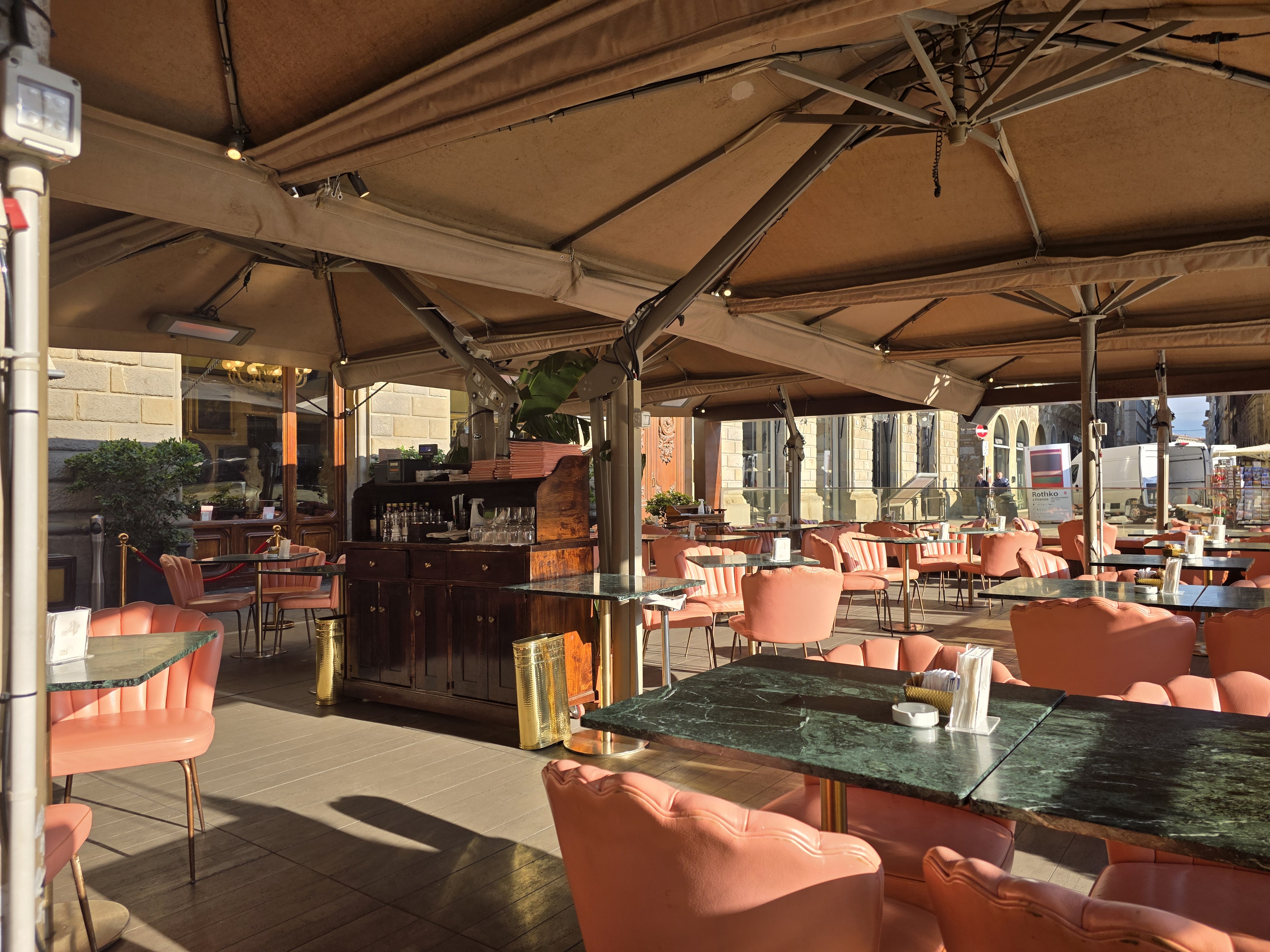
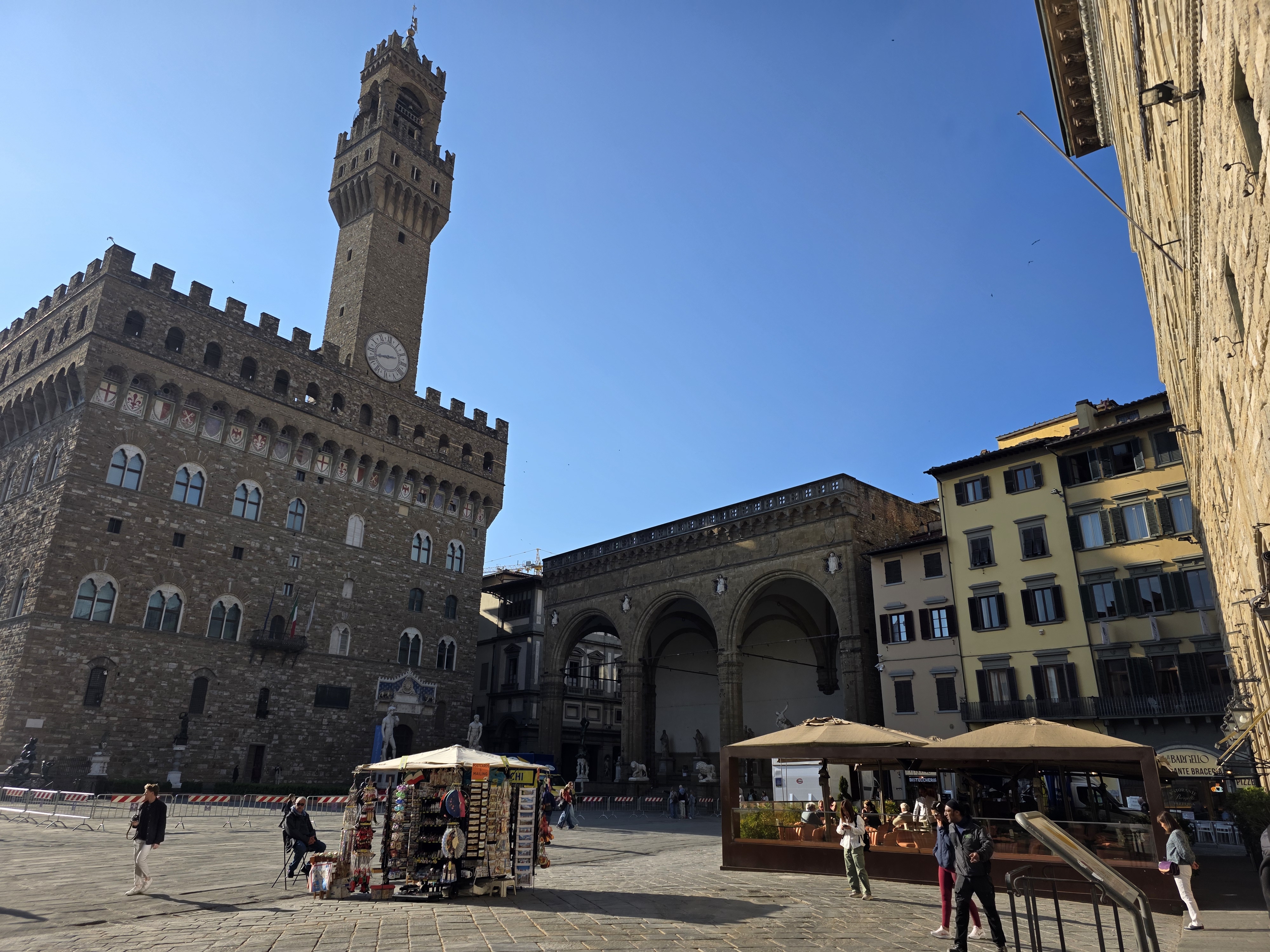
Today I was supposed to have a relaxed and calm morning. I got up fairly early, driven by the desire to have tiramisu for breakfast. Unusual, I know, but I absolutely had to eat tiramisu in Italy, and there wasn’t really any other occasion to squeeze it in. So, I very purposefully headed to a posh café called Rivoire, on Piazza della Signoria with a view of Palazzo Vecchio, and treated myself to an omelette (for protein and balance) and an excellent small portion of tiramisu.
After that, I had a free morning before my Chianti tour, and again on Claude’s recommendation, I decided to visit the Basilica of Santa Croce. Entry cost 10 euros.
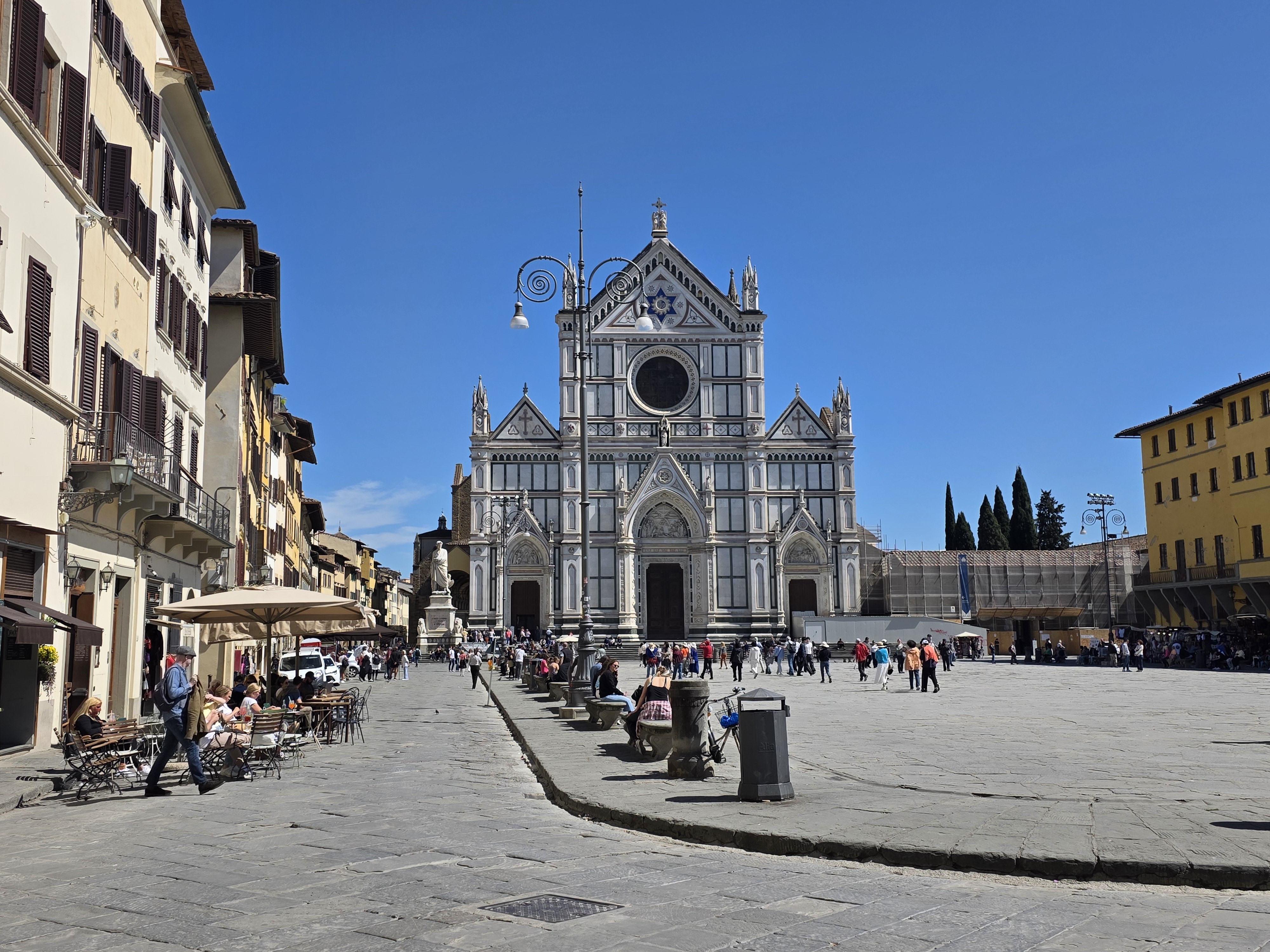
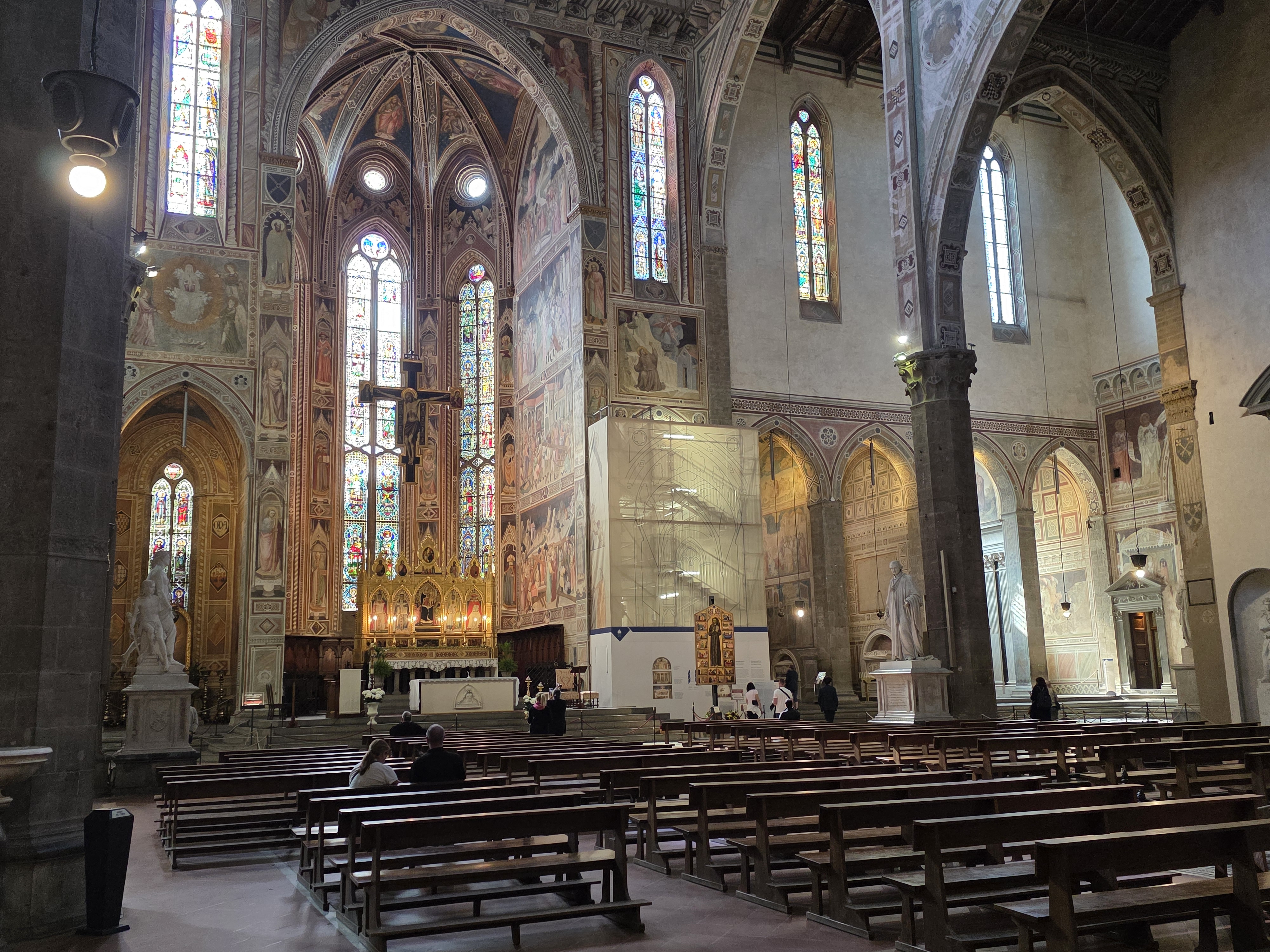
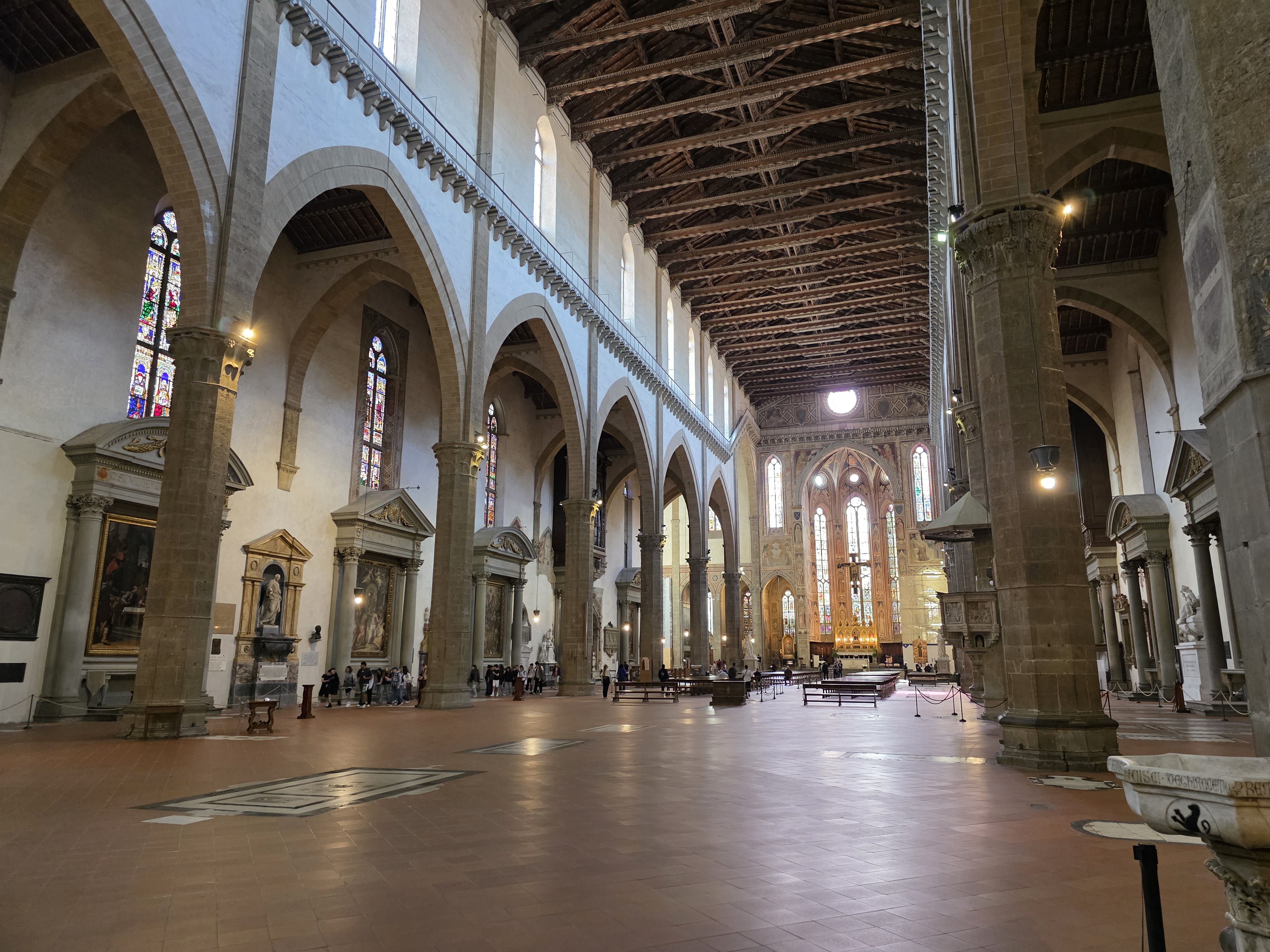
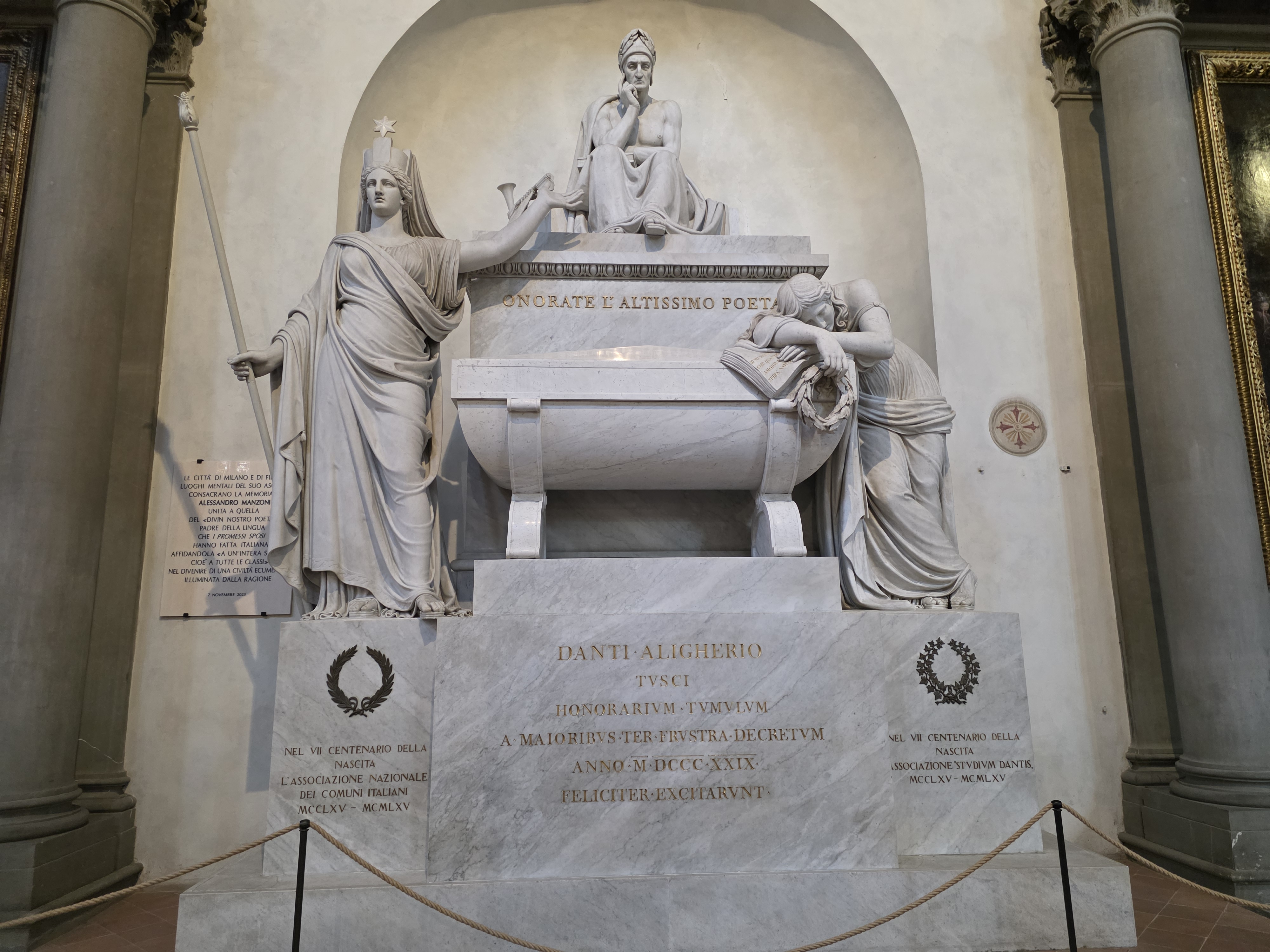
But it was fascinating, and overall, I actually liked the interior way more than the Duomo’s. There were various frescoes, as well as the tombs of famous people – Galileo, Michelangelo, Dante, Machiavelli, Rossini.
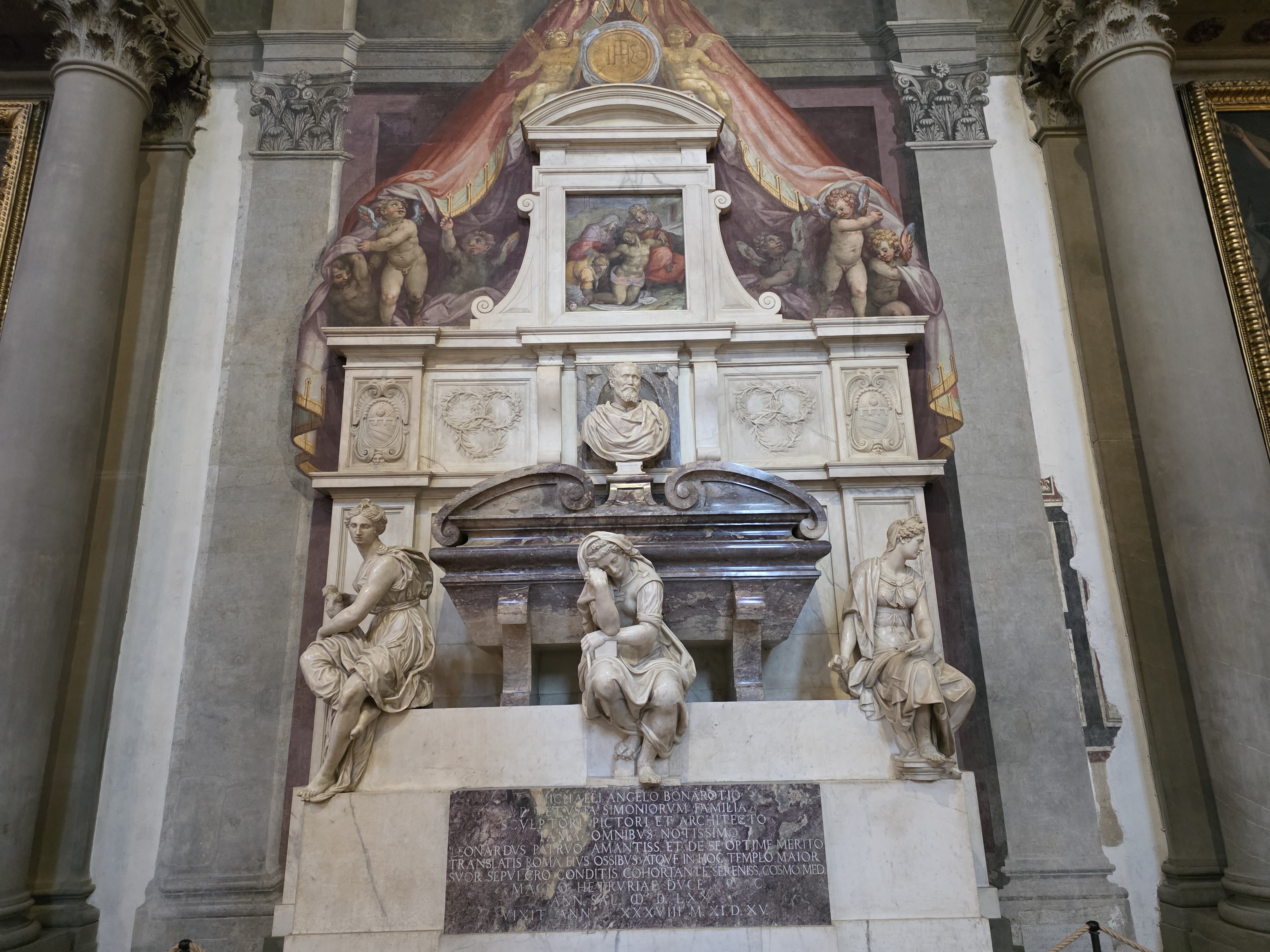
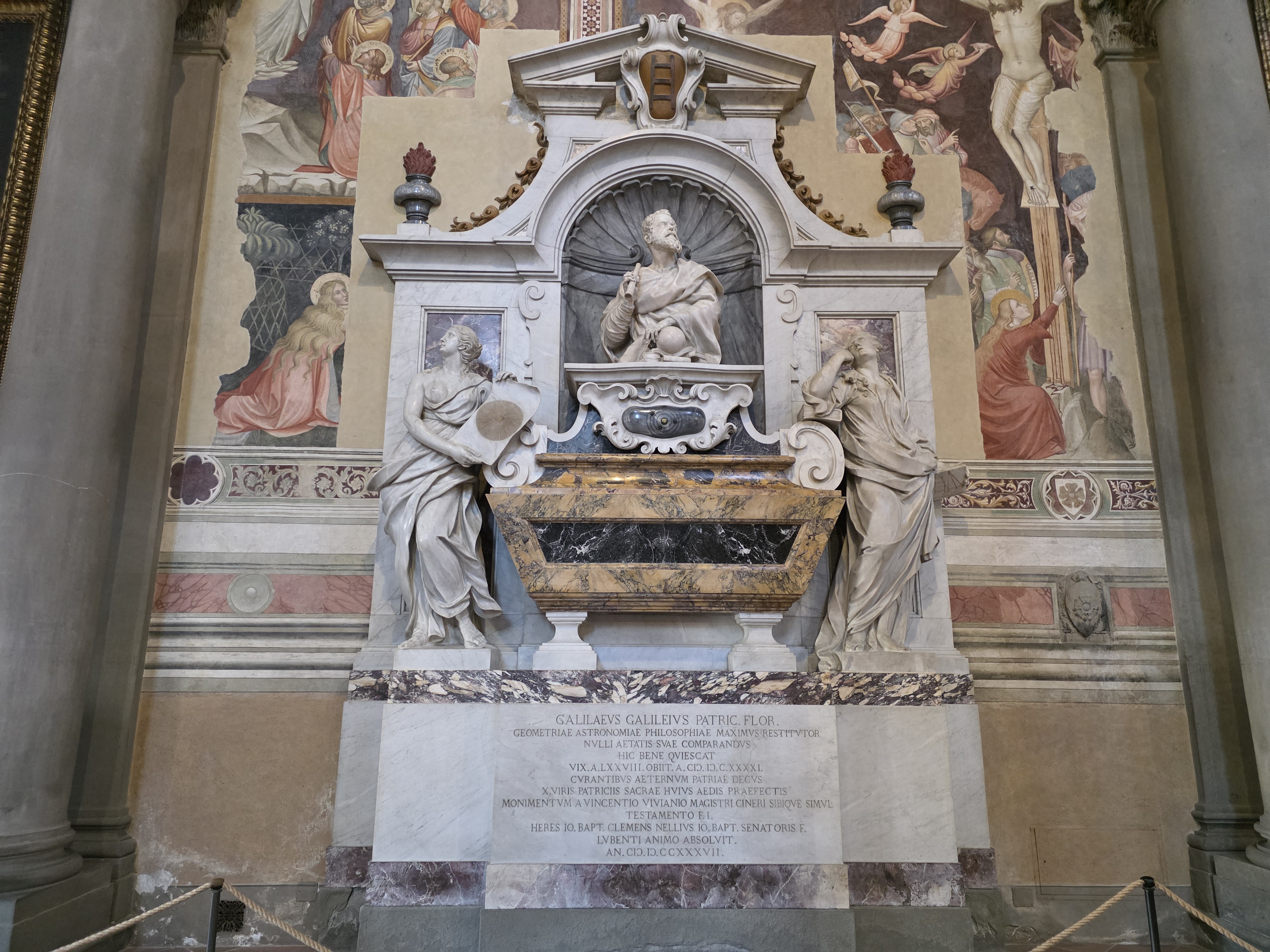
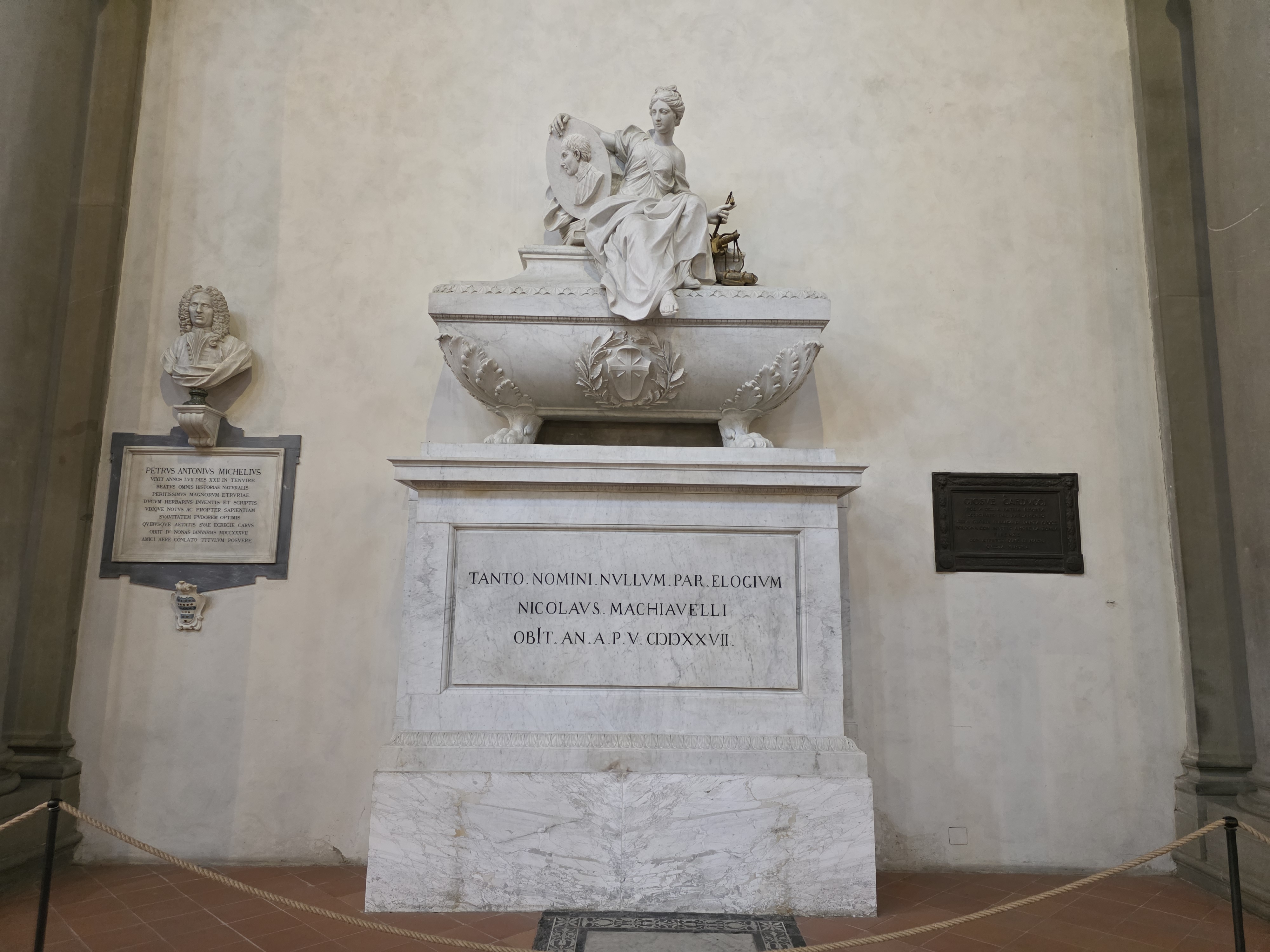
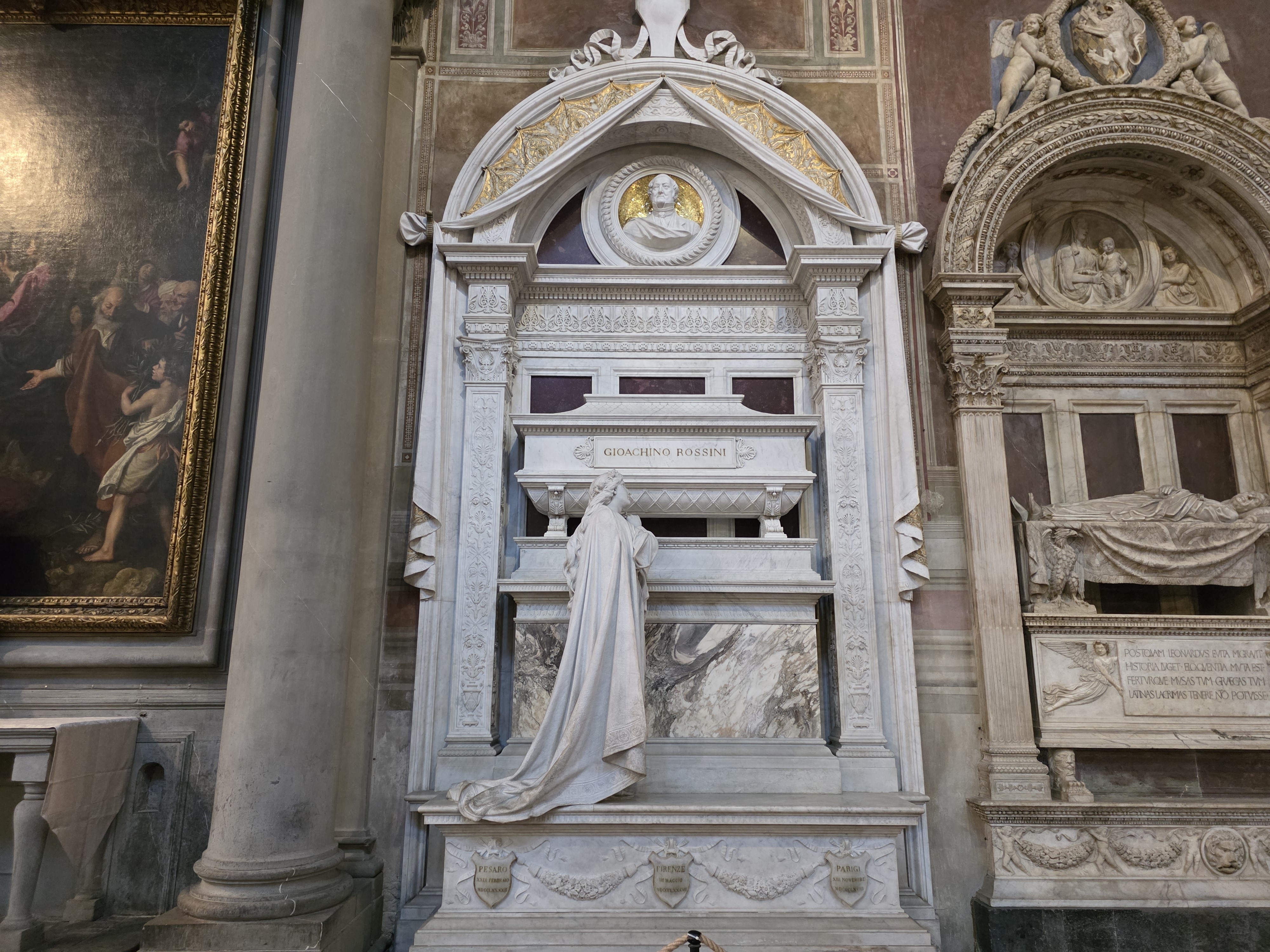
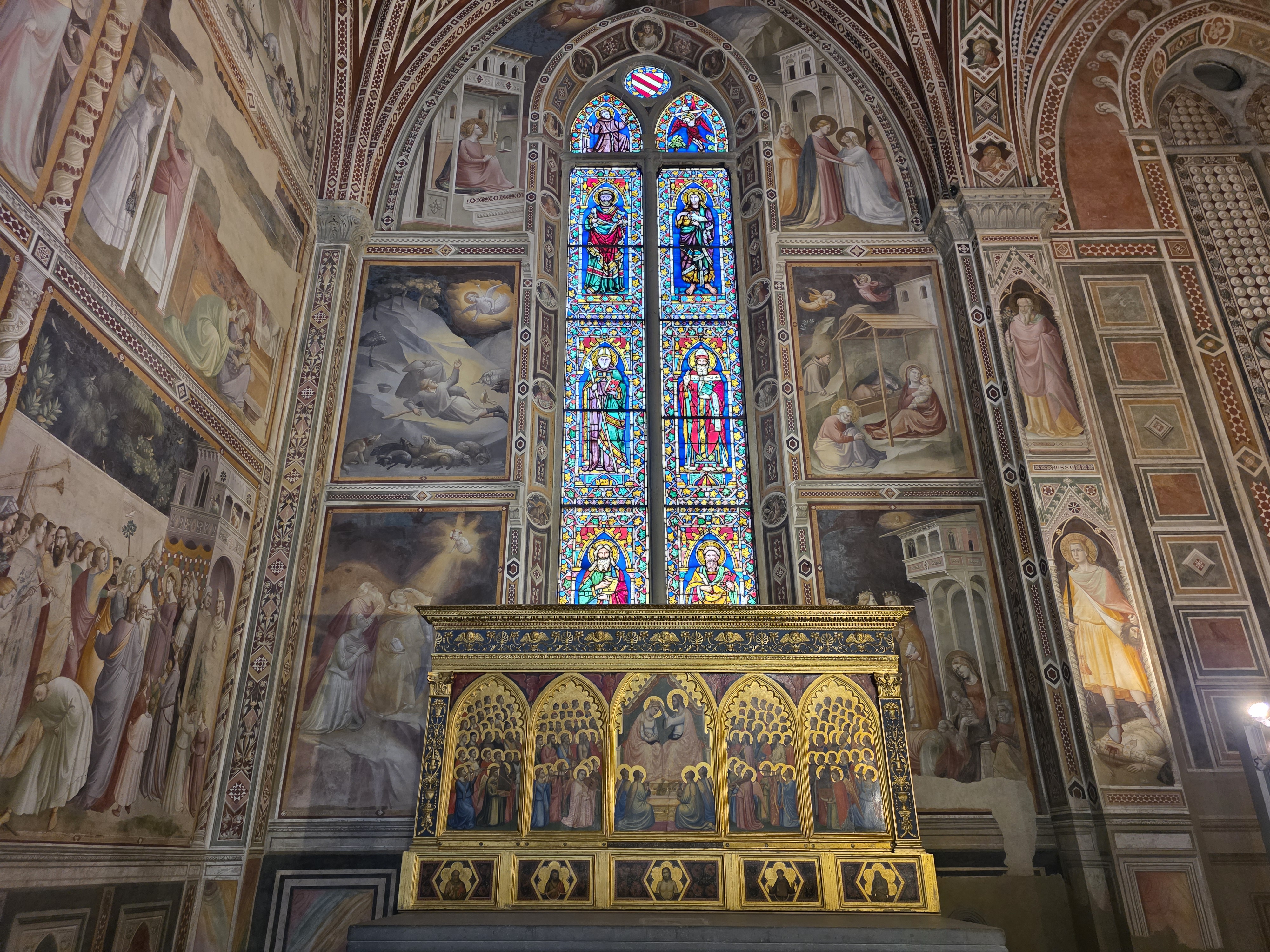
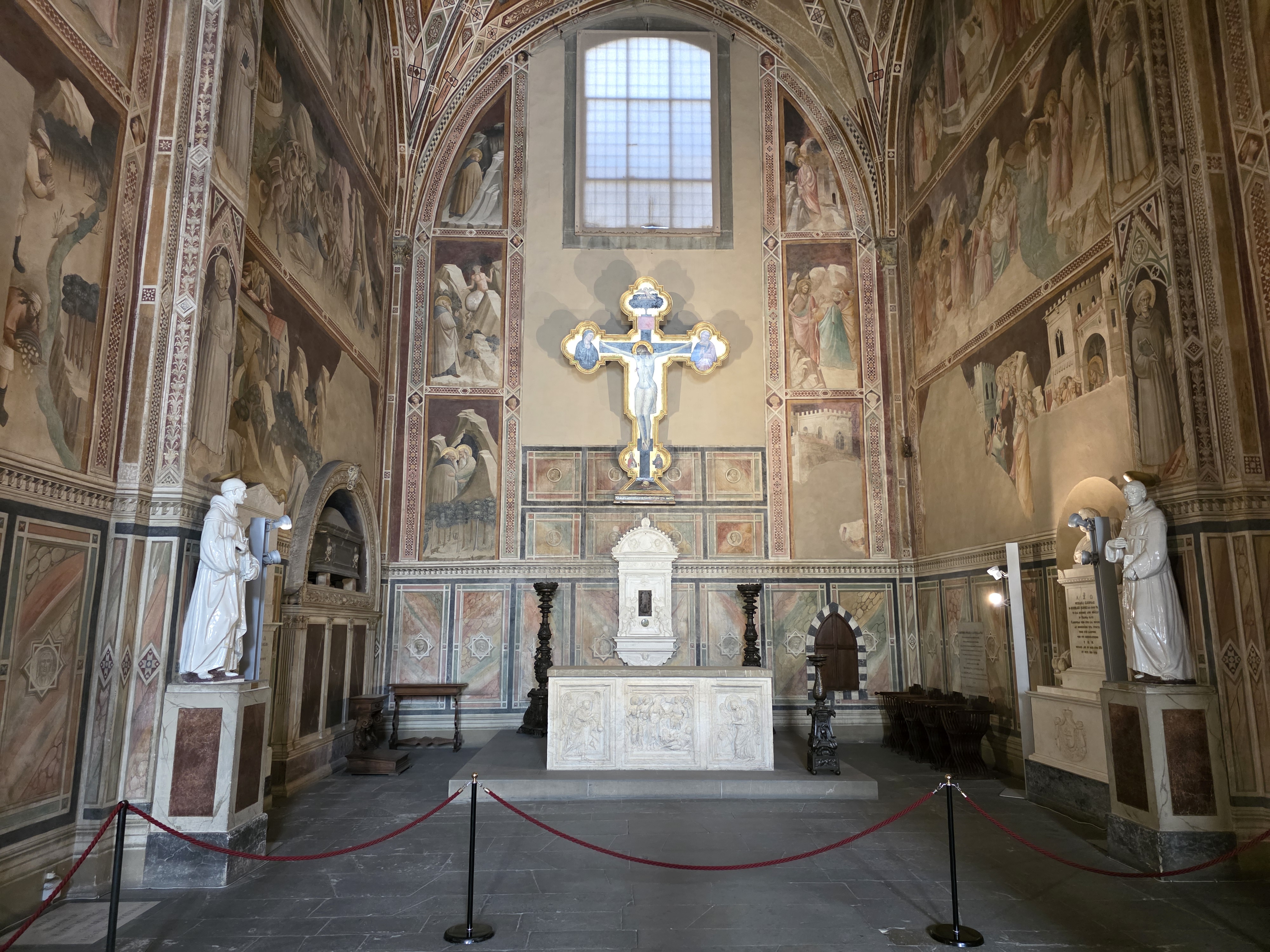
After the basilica there wasn’t particularly much else to do, so I found a specialty coffee shop and spent some time there. I noticed a man ordering a croissant with a Nutella filling and a coffee. And he paid 3.5 euros for all of it. Honestly, that shocked me, because in both London and especially Baku, the coffee alone would cost more than that. And here it was 3.5 euros!
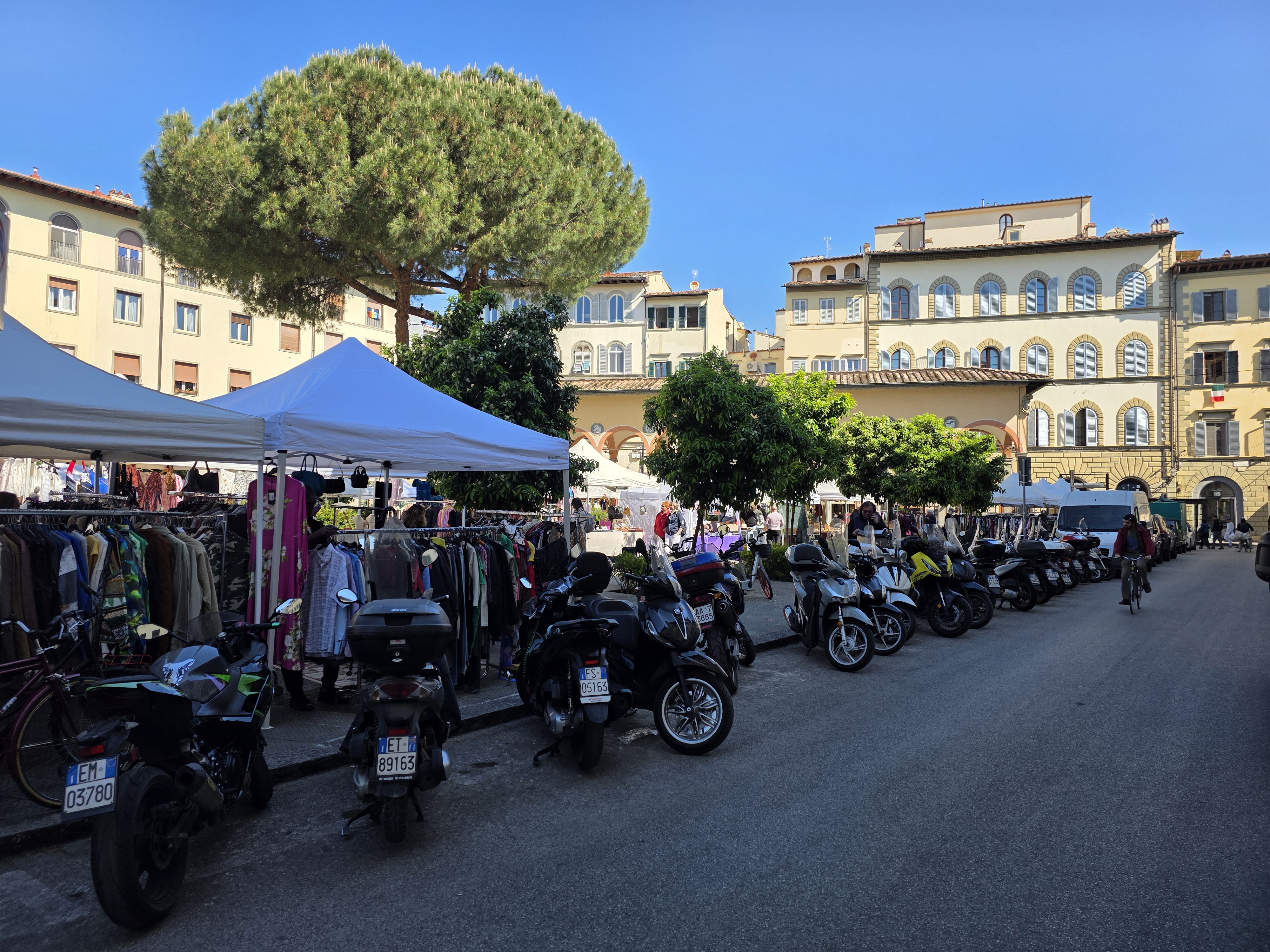
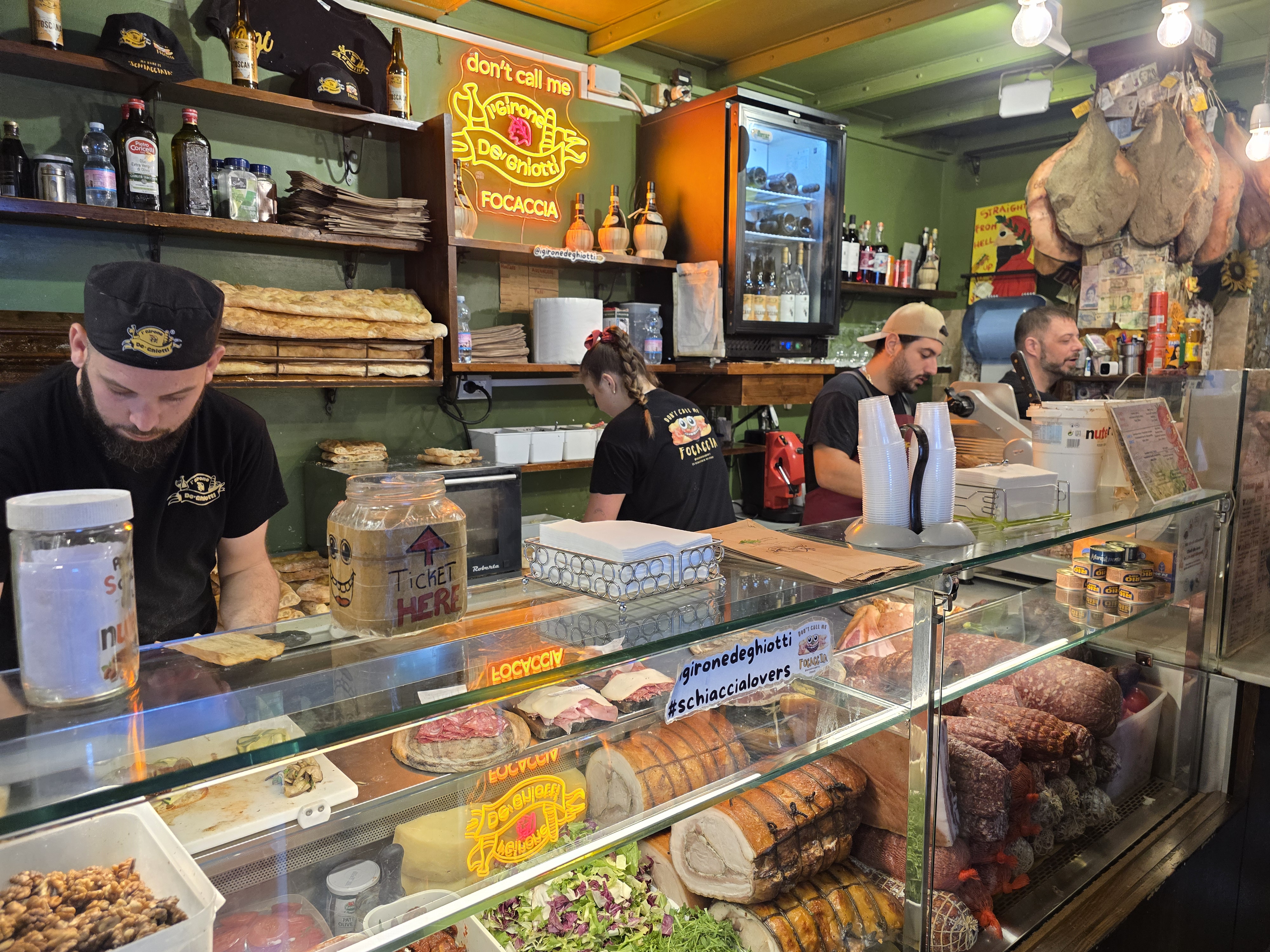
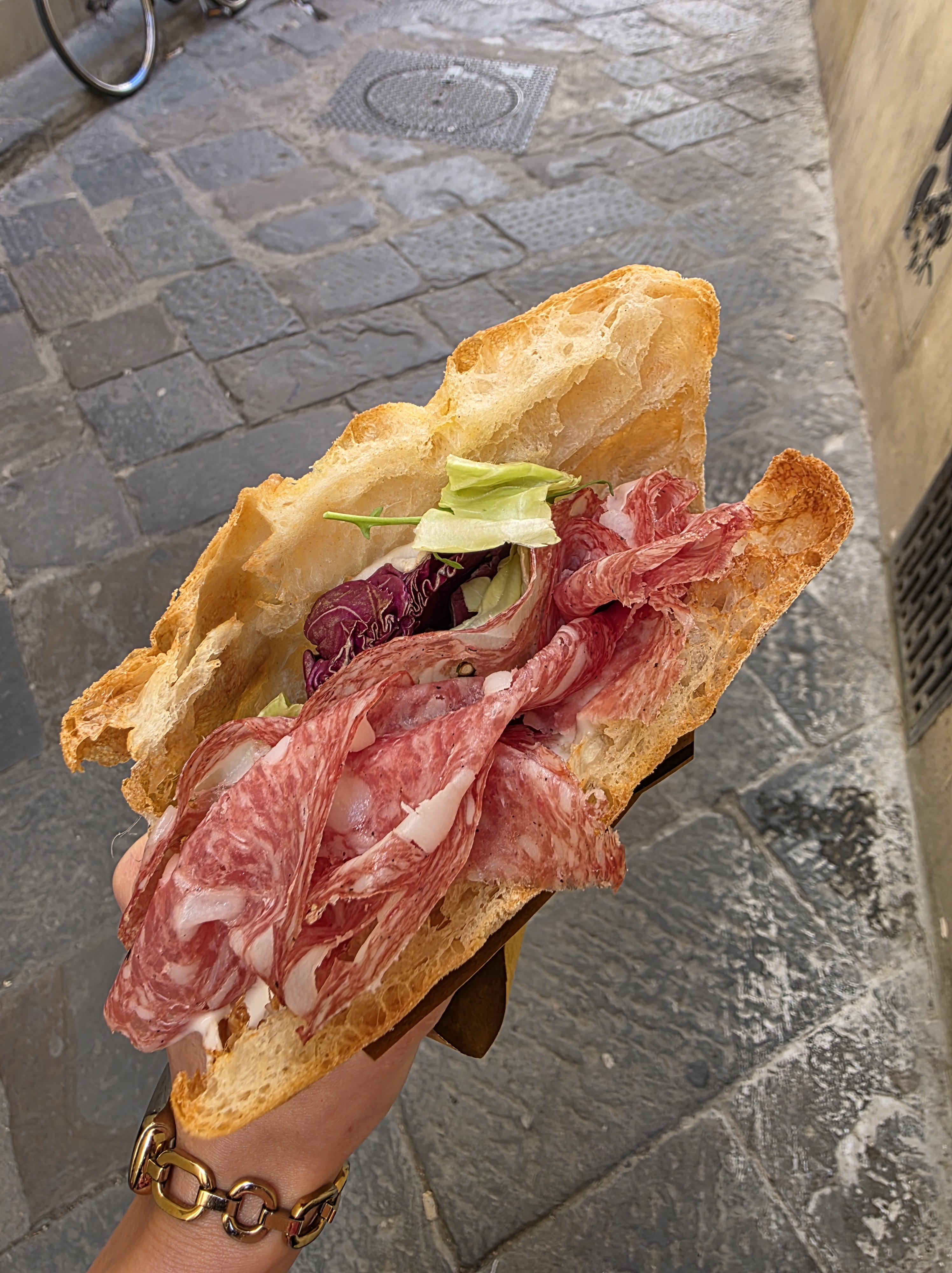
For an early lunch I planned to have another one of those schiacciata sandwiches. I found a couple of highly rated places and, once there, chose the one with the shorter queue and got another salami sandwich – honestly, it feels like I’m surviving entirely on cured meats here.
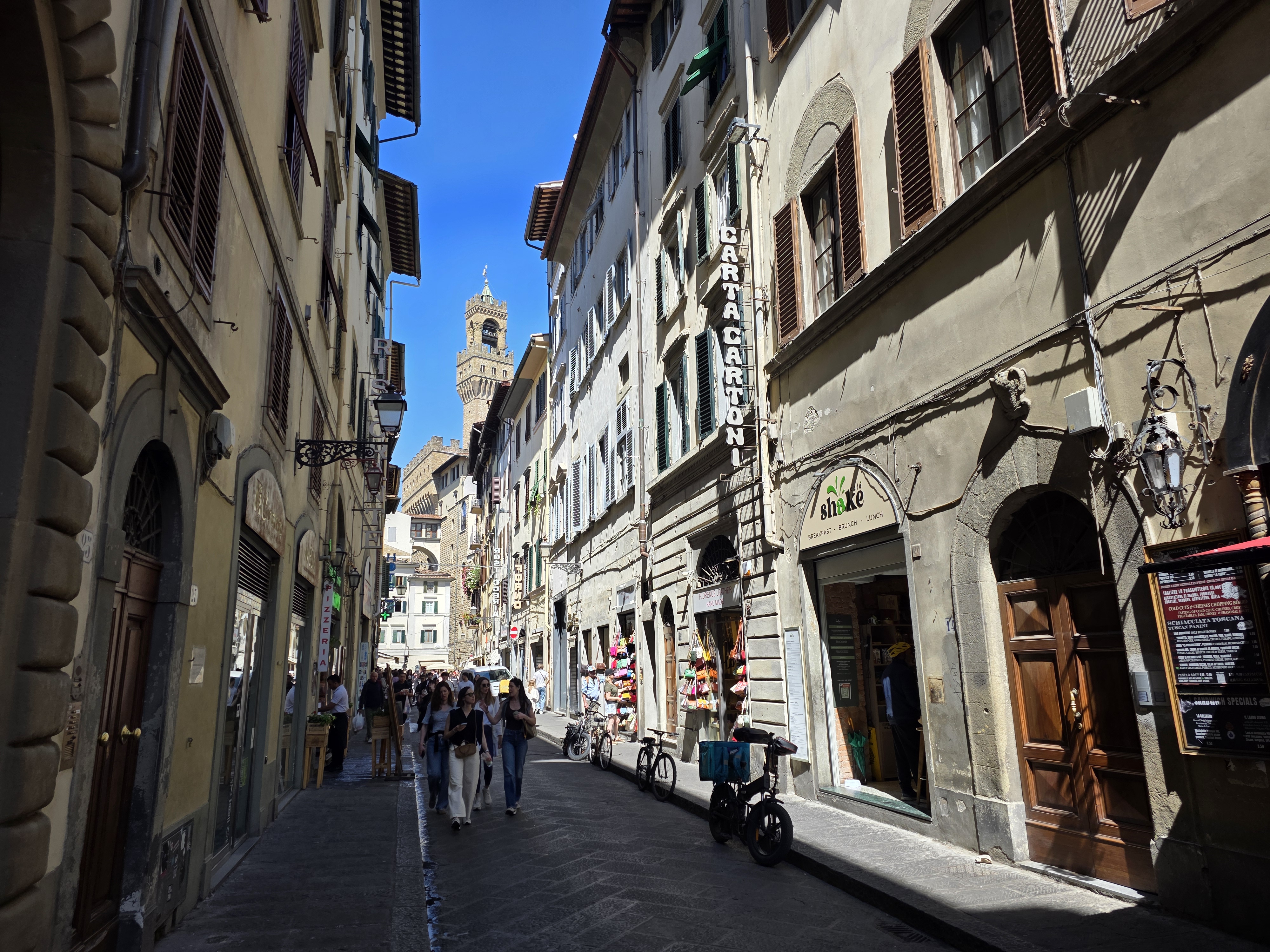
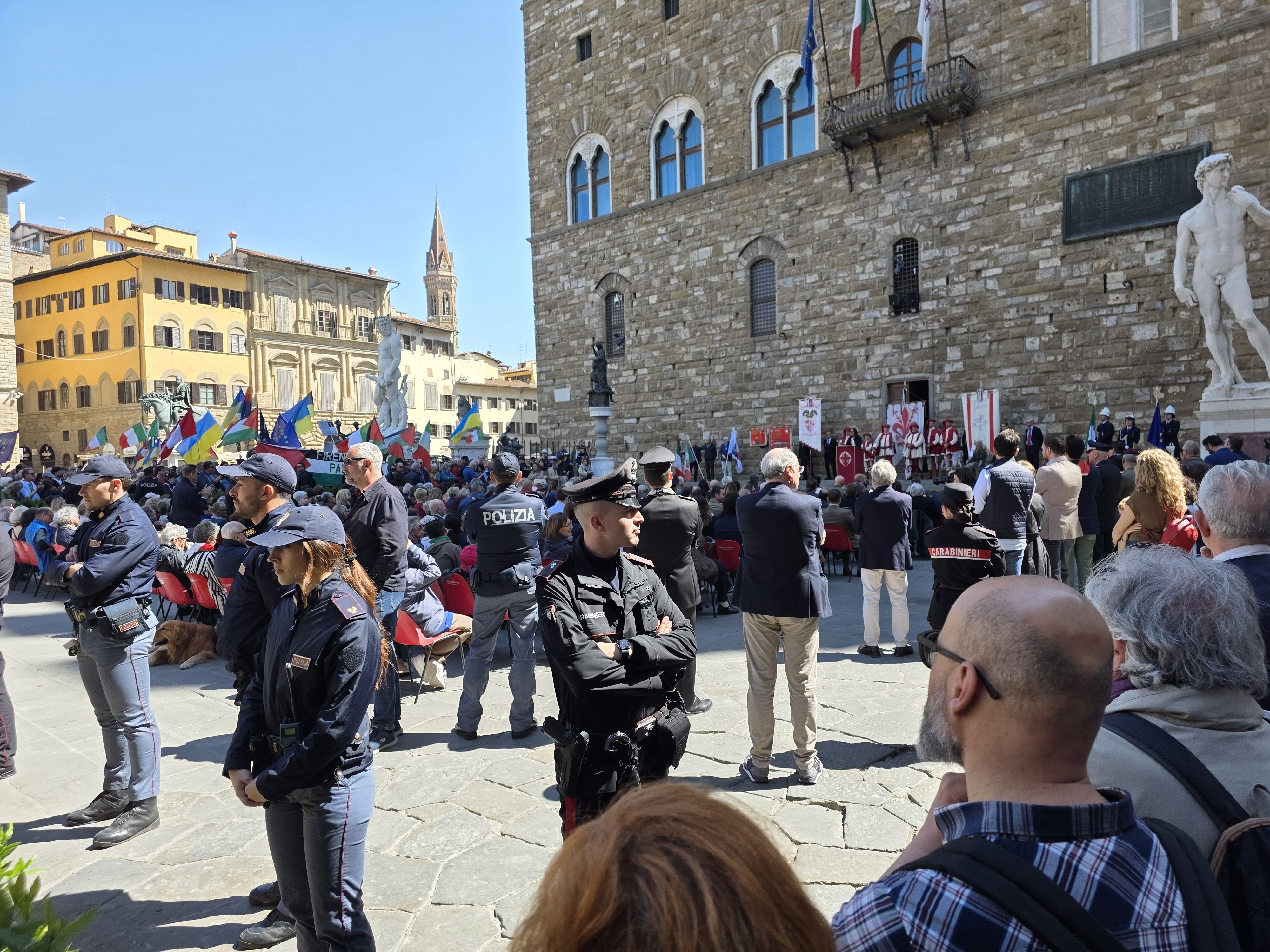
On Piazza della Signoria I came across some kind of celebration – today, April 25th, is a national holiday in Italy, Liberation Day from Fascist occupation.
And by 2pm I arrived at the Santa Maria Novella railway station, which was the meeting point for our Chianti wine tour.
While waiting for the tour, I met an American woman who told me her daughter lives in Barcelona and she had been visiting her. Her husband doesn’t like travelling, so she mostly travels without him. She had absolutely no idea what Azerbaijan was, though she admitted herself that Americans aren’t particularly strong at geography. Her parents were from Latin America, so she speaks excellent Spanish, and even spoke to the guide in Spanish rather than English. She said that ever since she was young, she’d been used to the idea that in Europe it’s better not to advertise that you’re American – and now, with the arrival of the “orange man”, as she called him, even more so.
As for the tour itself, the drive there took an hour and the drive back another hour, while we spent about two hours there. We went to Monteriggioni, in the Chianti region of Tuscany, roughly between Florence and Siena, to a winery called Poggio ai Laghi. It turned out not to be quite what I had expected, because I had imagined something outdoors, surrounded by those famous Tuscan vineyard landscapes.
In reality, they only showed us the vineyards briefly from the side and allowed us to take photos there, but there was no actual walk outdoors. We spent most of the time inside, where we tasted seven wines. Yes, it was interesting, tasty and informative, but not entirely what I had imagined.
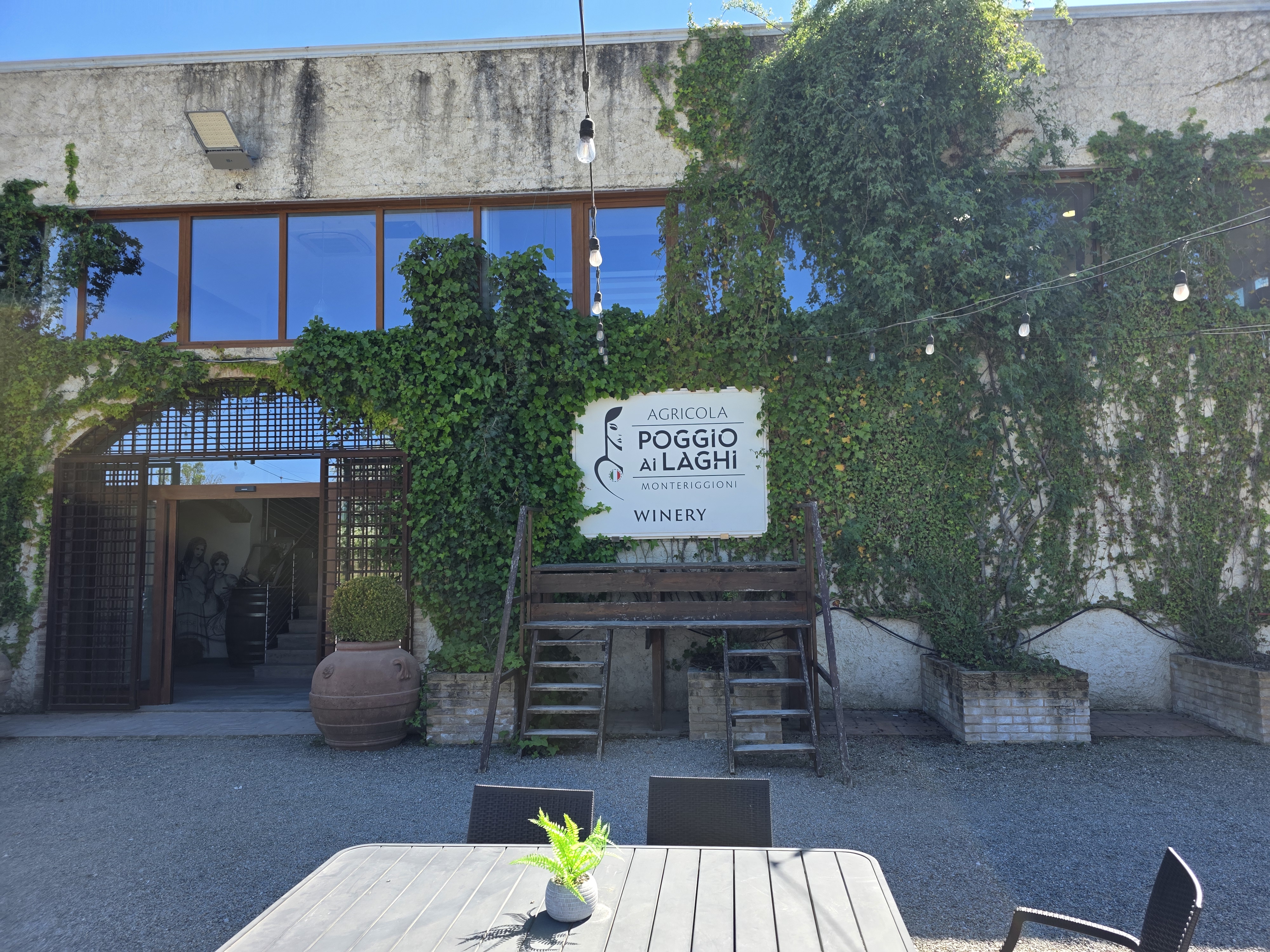
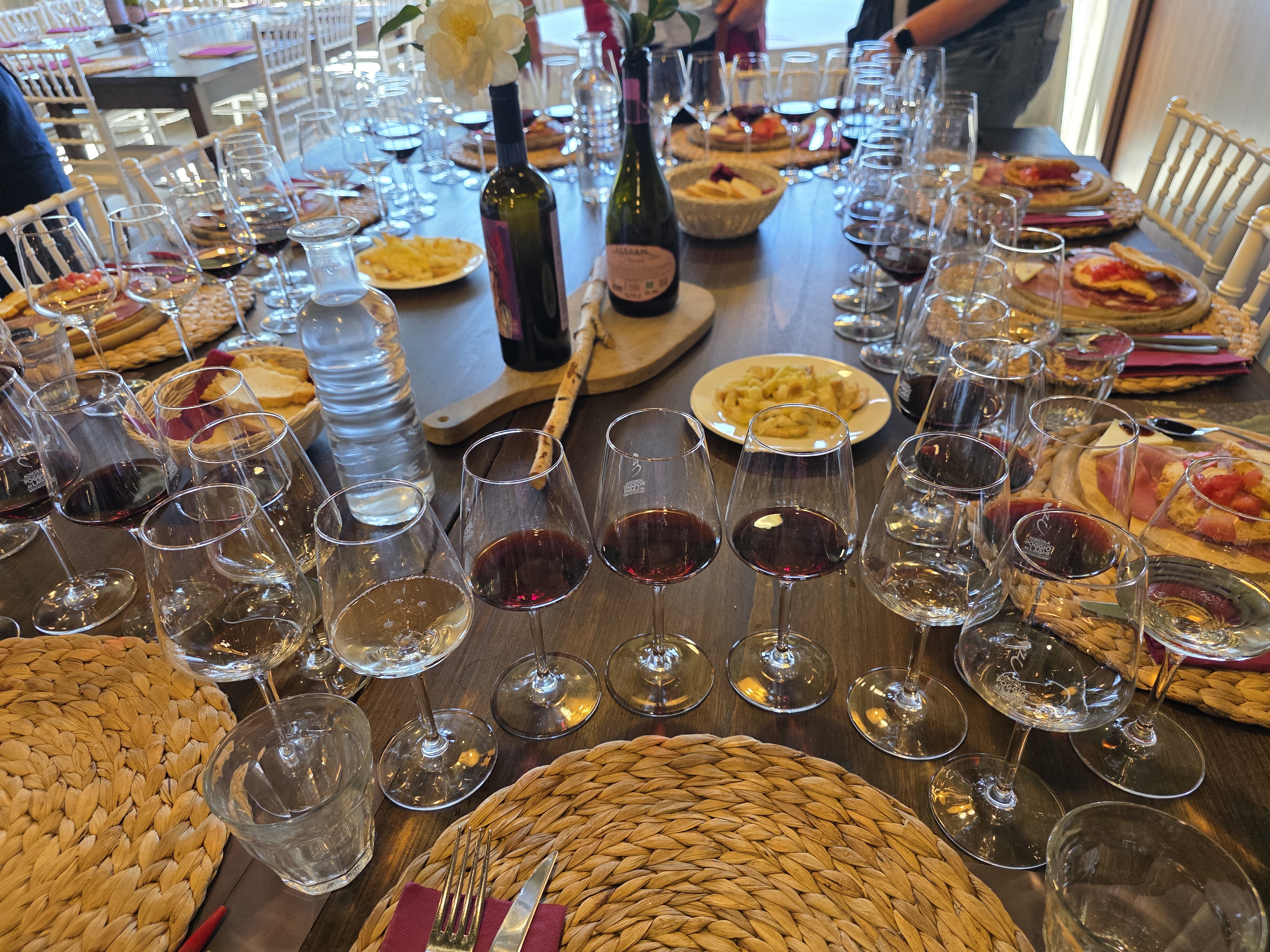
As for the wine itself, there are fairly strict rules for producing Chianti Classico. Firstly, at least 80% of the grapes must be the local Sangiovese variety. Secondly, the vineyards are not artificially irrigated and rely entirely on rainfall, so naturally wines from different years vary.
We first tried a sparkling white wine, then a regular white, which I didn’t particularly like because it tasted rather watery.
After that we tried three red wines, all very different. One was a younger Classico, the second a Riserva with a strong cherry flavour, which I liked the most, and the third was an IGT – not necessarily a lower category, but apparently with a lower required percentage of the grape variety.
What was interesting was that before, when people talked about notes of tobacco, leather and so on, it never really meant anything to me. But when you actually taste these different wines, you really can notice the differences and all those flavour notes. At the end we also had a dessert wine.
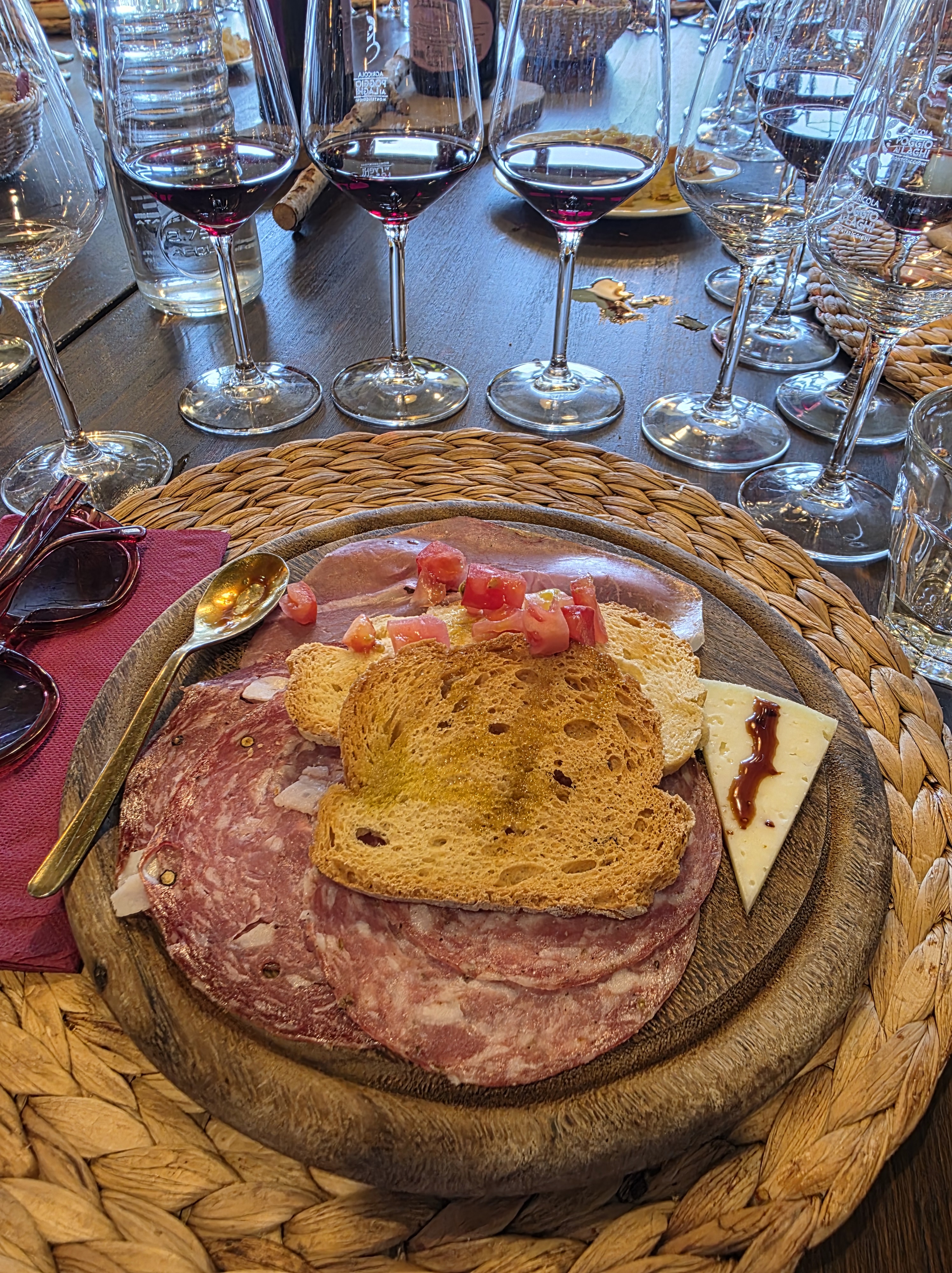
Alongside all this there were snacks – we got to try their balsamic vinegar, olive oils (including truffle oil), and of course cheese, a couple of types of salami, prosciutto and bread. Honestly, after all that I barely even needed dinner, because I kept snacking throughout the tasting.
And toward the end, while we were already slowly getting ready to leave, one of the administrators caught us and offered us two additional wines that hadn’t been included in the tasting itself. One was an Classico Riserva, and the other was something called Donna Ava, apparently the winery’s most expensive wine, reserved for special occasions, as he put it.
I’ve always said I can’t tell the difference between a 10-euro wine and a 100-euro wine, but if you actually taste different wines side by side, you really can tell.
Although to be fair, the cheaper wines there weren’t 10 euros – they were more like 40–50. Those prices included shipping to various countries, but there was one price for the EU and the US, and another for the rest of the world – and our post-Brexit United Kingdom naturally falls into “the rest of the world.” They did say they could offer me some sort of discount, but the problem was that I couldn’t take the wine with me because I didn’t have checked luggage, and deliveries required a minimum order of six bottles, so I declined.
They also said they don’t sell these wines to restaurants or shops, only exclusively at the winery itself. Each bottle features a woman on the label – every wine is dedicated to the medieval noblewoman Donna Ava of Monteriggioni or one of her seven maidservants (Lucilla, Oletta, Nina, Arania, Aranda, Arella and Firmina).
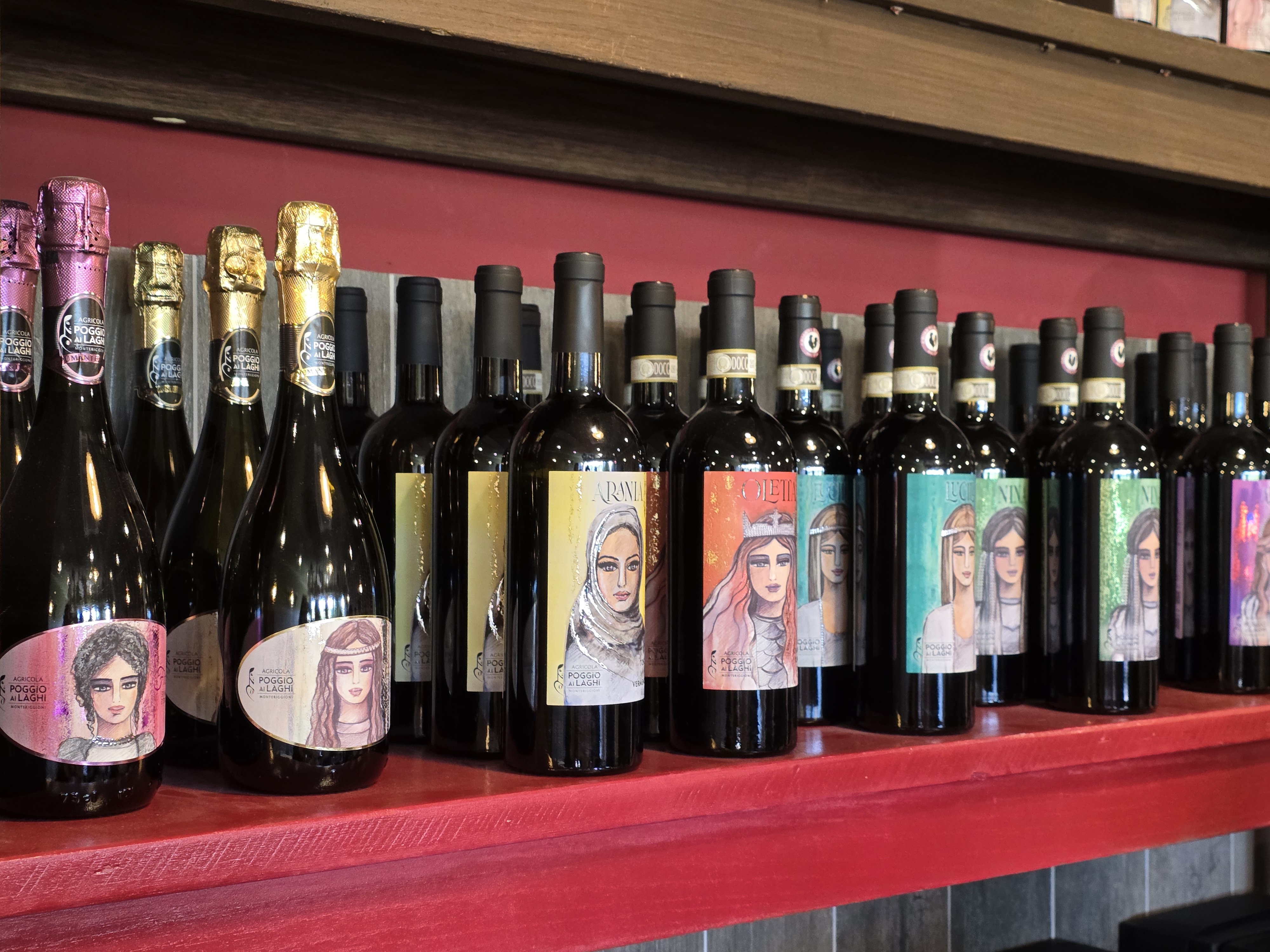
The symbol of Chianti Classico is a black rooster on the bottle. There is a legend about this. Historically, Florence and Siena were always rivals. One day, to establish the border between the two cities, it was agreed that after the first rooster crowed at sunrise, riders from each city would set out toward each other, and the border would be placed where they met. The people of Siena chose a white rooster, while the Florentines chose a black one and deliberately kept it hungry. As a result, the starving rooster crowed way before dawn, allowing the Florentine rider to set off earlier and ride almost all the way to Siena.
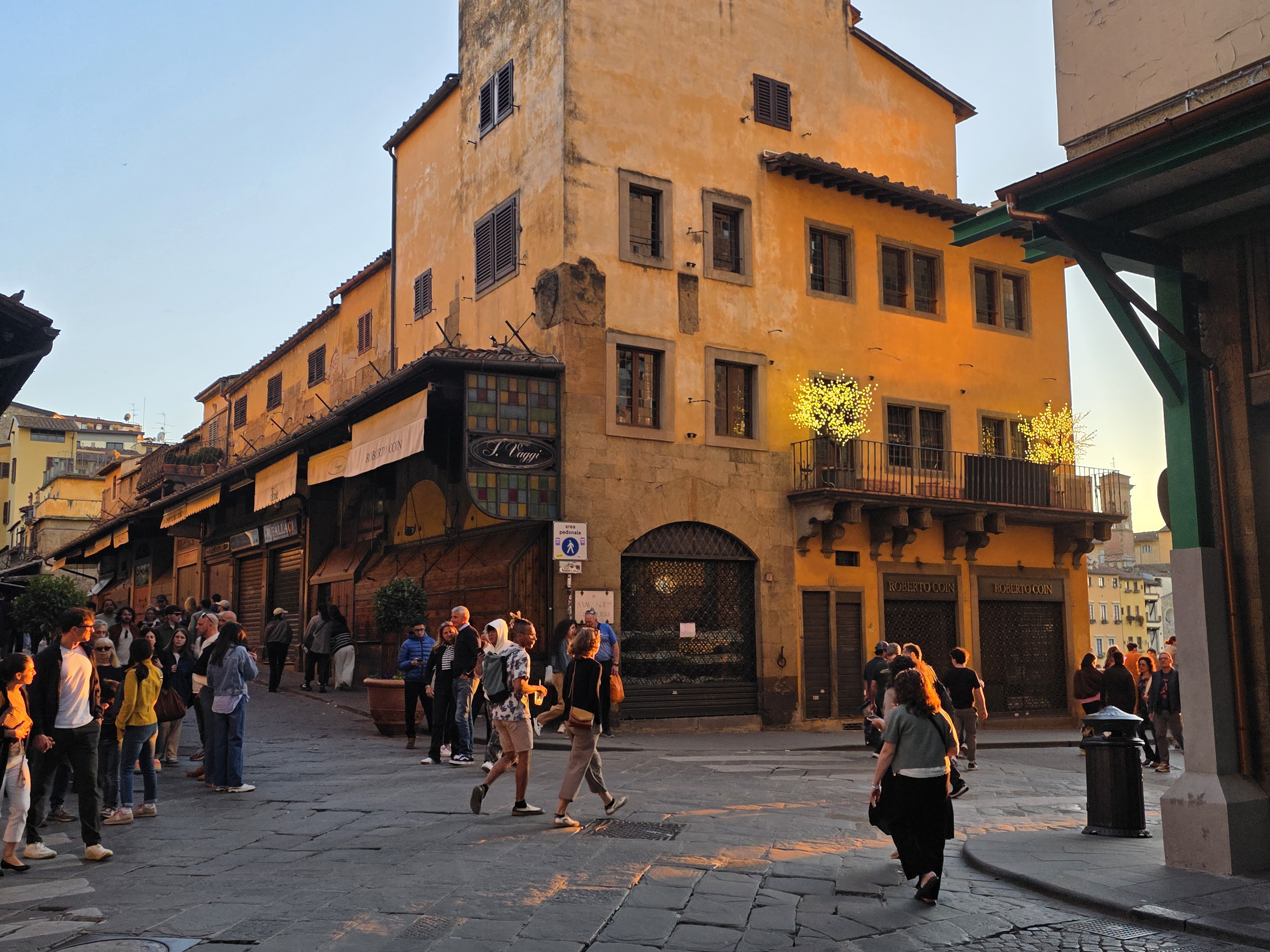
When we got back, naturally I didn’t feel like having dinner anymore, but I did feel like ice cream, so I walked once more toward the river and the bridge and had some gelato.
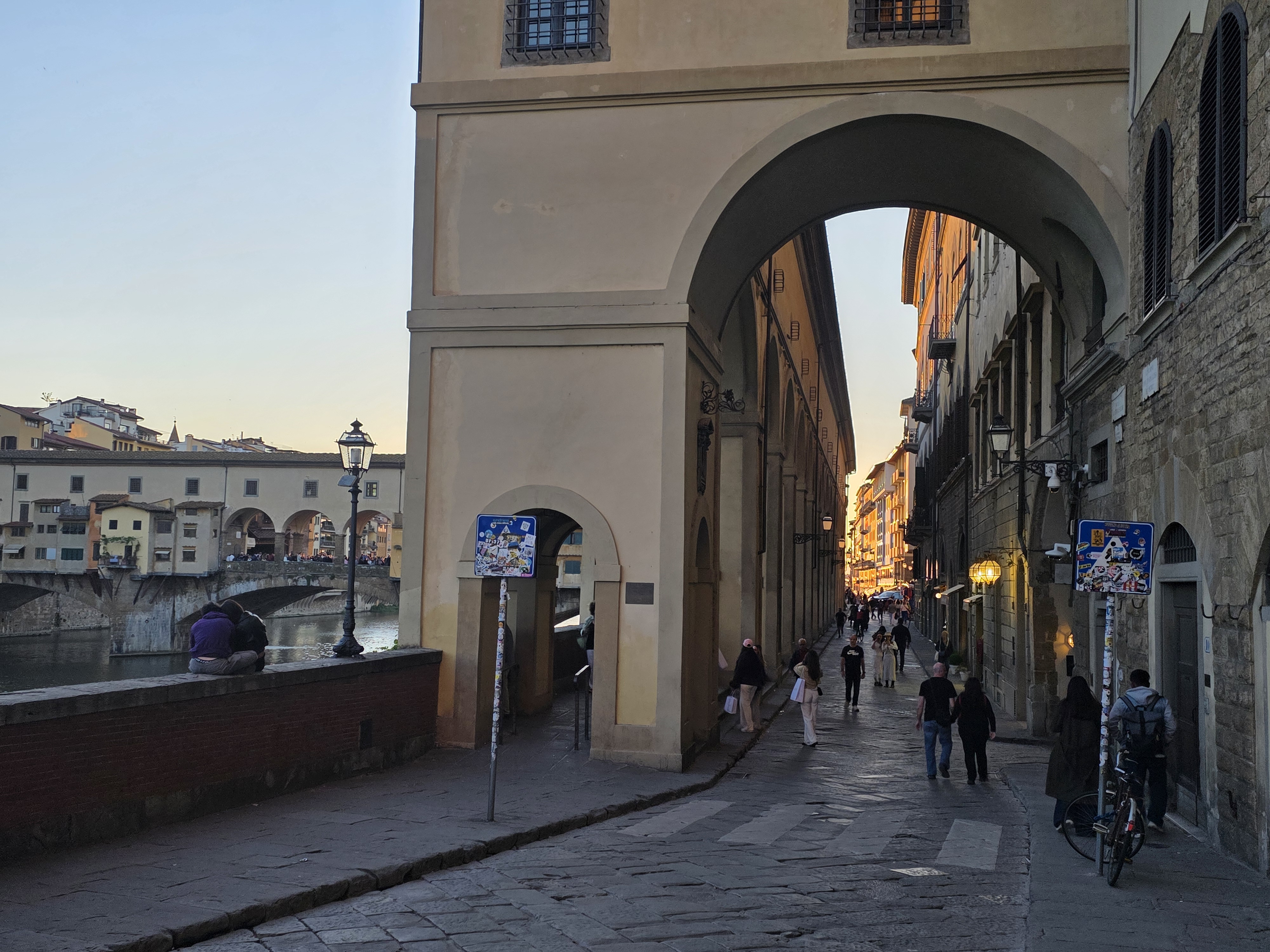
I ended up doing 23,000 steps that day, and by noon alone I had already done 10,000 – despite the fact that this was supposed to be a relaxed morning.
It was my last day in Florence – tomorrow morning I’m heading back.


