Posted in English, Europe, Lisbon, Porto, Portugal

Portugal – Day 3

РУССКОЯЗЫЧНАЯ ВЕРСИЯ ПО ЭТОЙ ССЫЛКЕ. CLICK HERE FOR RUSSIAN VERSION.

April 18, 2023 – Wednesday

We got up in the morning and, as usual, had breakfast. We were supposed to take a train to Porto at noon, but when we arrived at the station, we discovered that it didn’t exist – the train had been cancelled due to a strike, like all the 12-o’clock trains throughout the entire month. What can I say – wonderful. Even more wonderful was the fact that the app sold us the ticket without batting an eye and didn’t even notify us about the strike.

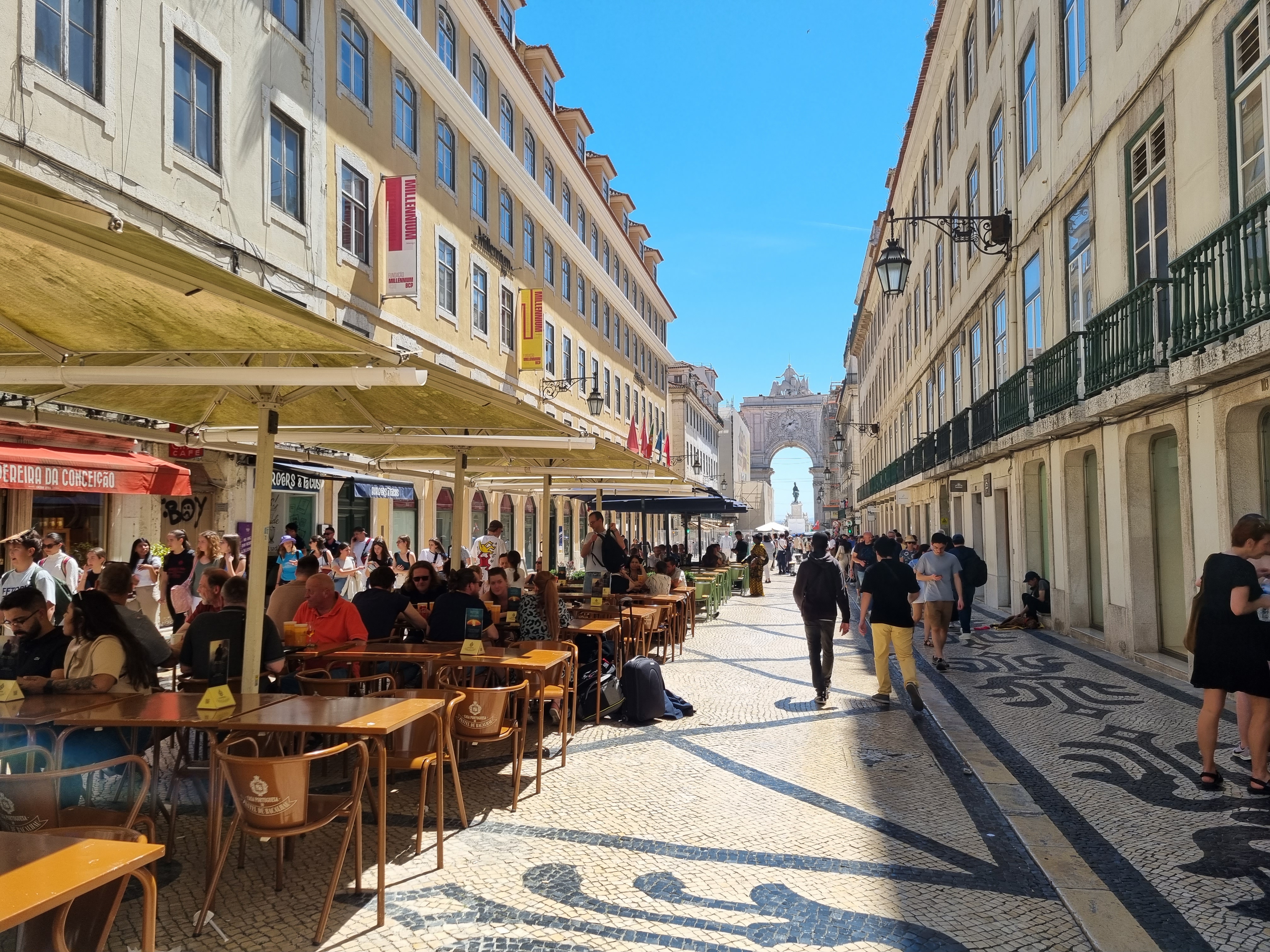
We had to buy tickets for a later train, at 15:30, and then spent a long time looking for a place to leave our luggage so we wouldn’t have to drag it around. We found one across the street from the station and went to get some coffee. But first, we wandered around Alfama, from where we made our way to Restauradores and had coffee there.

Then we returned to the station, boarded the train and, thank God, we were off. On the train, we encountered some American fellow passengers who couldn’t grasp that, in addition to the seat number on the ticket, you also have to check the carriage number – instead of trying to chase away people already sitting in a seat with the same number.

In the end, we arrived in Porto quite late – it was already around 7 p.m.

We got to the hotel by Uber and went out for dinner at a restaurant, where we once again ran into loud Americans, who talked non-stop at the next table all evening, and we learned their entire life story and all their family problems.

Posted in English, Europe, Lisbon, Portugal

Portugal – Day 2

РУССКОЯЗЫЧНАЯ ВЕРСИЯ ПО ЭТОЙ ССЫЛКЕ. CLICK HERE FOR RUSSIAN VERSION.

April 18, 2023 – Tuesday

The second day in Lisbon was marked by queues. But – first things first. In the morning, we got up and tried the wonderful, varied breakfast at the hotel (I was the one actually “trying” it   – my friend was having it for the third time), with smoked salmon, waffles, pancakes, and the like.

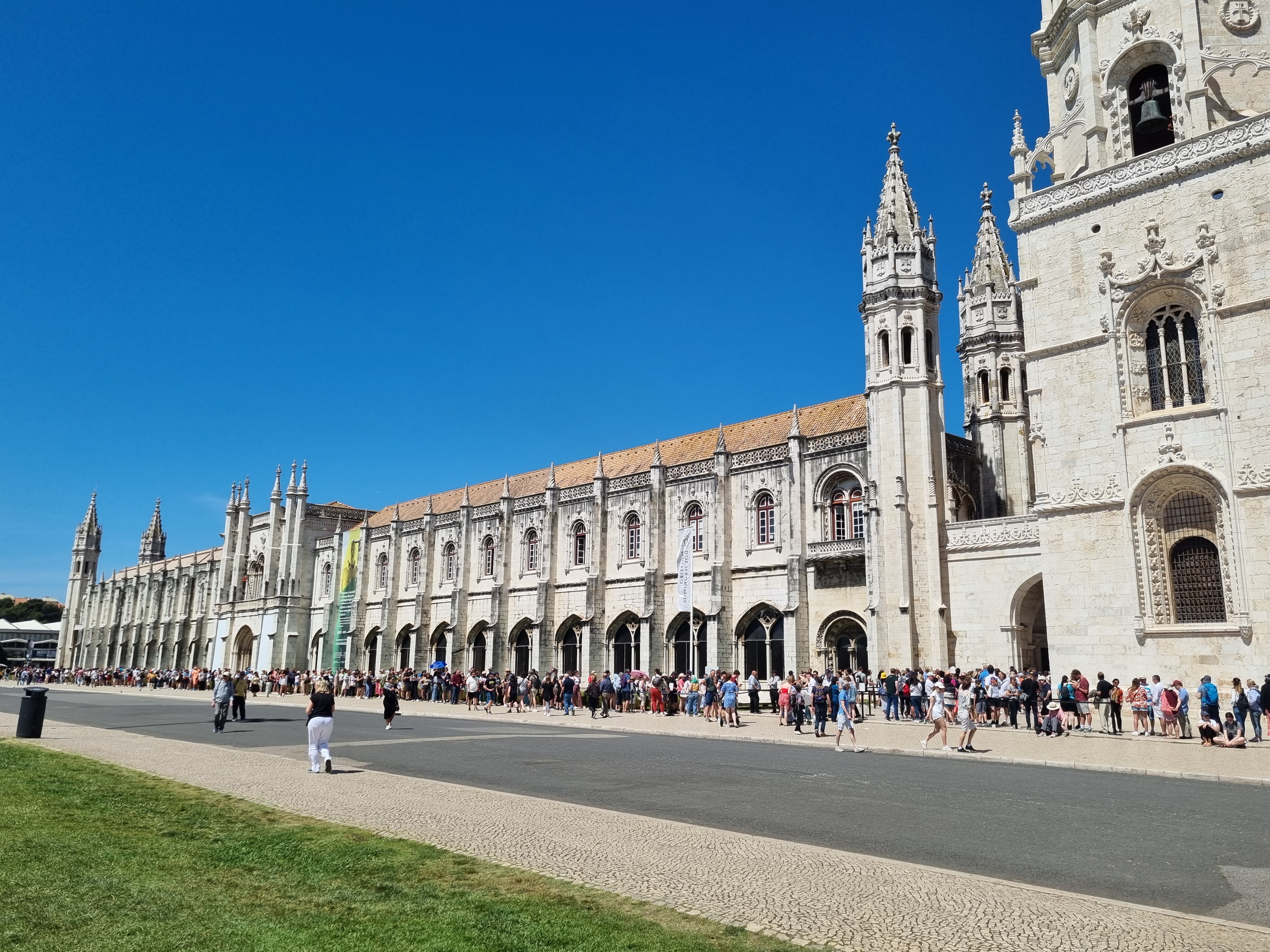
Then we went to the Belém area – it’s like a suburb of Lisbon. The idea was to see the Jerónimos Monastery and the Belém Tower. We got there by city bus – an authentic route through non-touristy areas.

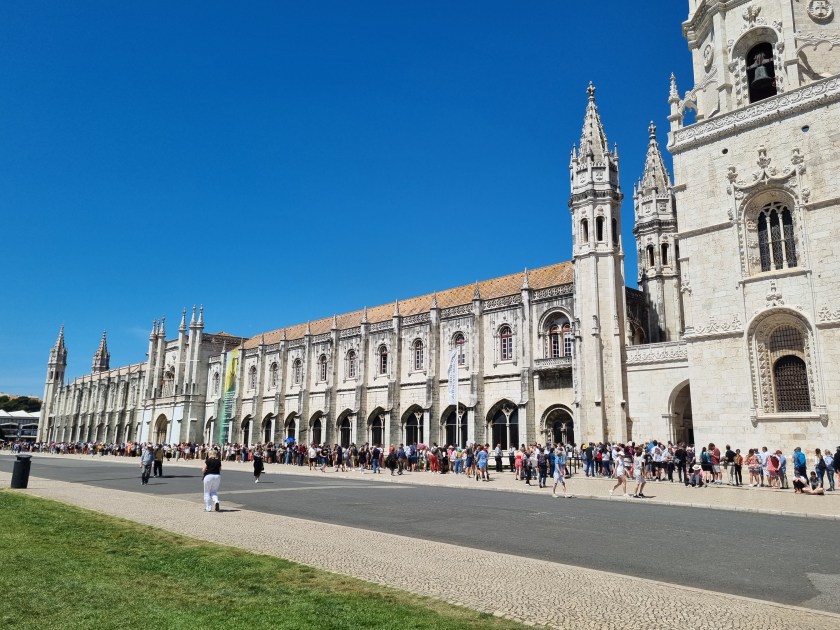
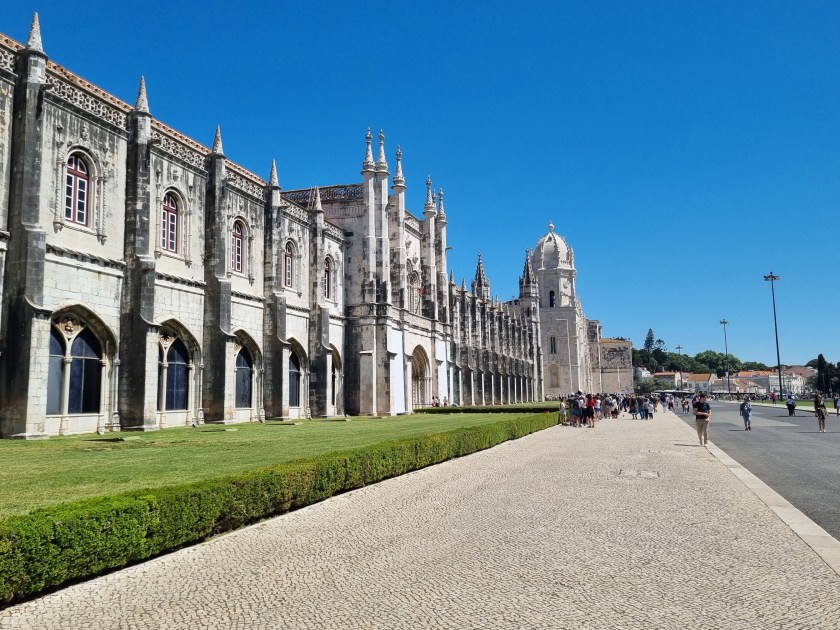
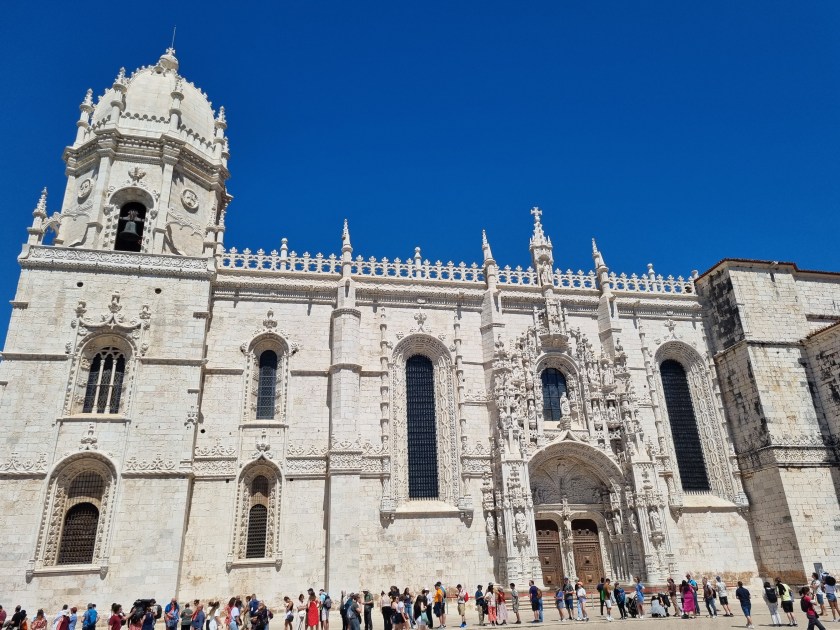
When we arrived at the monastery, we saw a queue. No – that’s not quite right – we saw an incredibly long QUEUE and probably about 15 large tourist buses. We didn’t really feel like standing in that queue, so we decided to head straight to the Belém Tower, figuring we could return to the monastery later and check whether the queue had dispersed, assuming most group tours visit the monastery right when it opens.
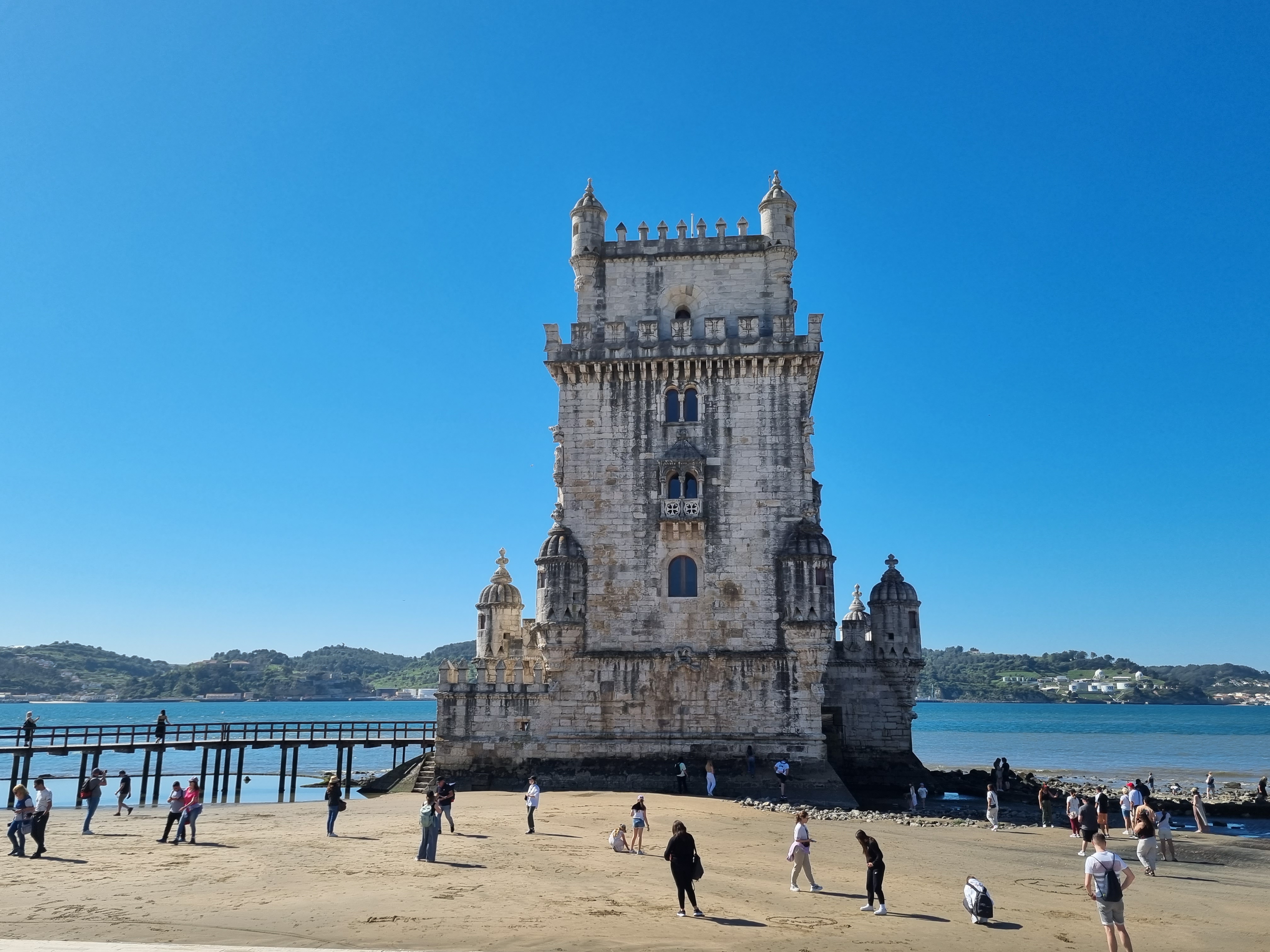
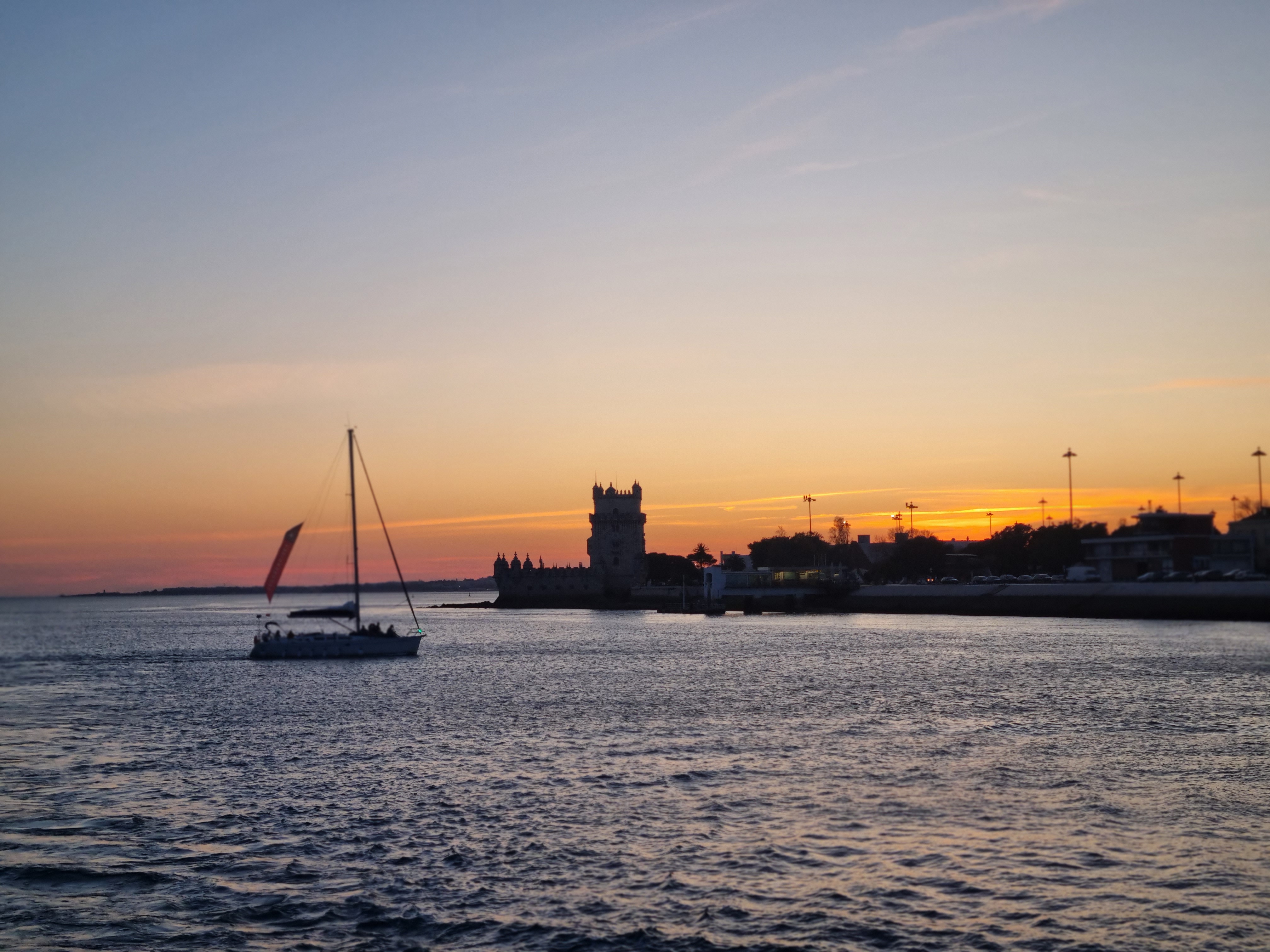
It was about a 15-minute walk to the Torre de Belém, but there we found quite a long queue as well. It turned out there were two reasons for this: first, entrance to the tower is free on Tuesdays; and second, they only let people in in small groups, after the previous group has left, to avoid overcrowding in the narrow spiral staircases and confined spaces.

The tower was built back in the 16th century, in honour of Vasco da Gama’s discovery of the sea route to India. It looks very interesting from the outside, but I’ll leave the question of whether it was worth standing in line for 40 minutes under the scorching sun to go inside open.

After the tower, we gave the Jerónimos Monastery a second chance and went back to see how things were going there. But the line hadn’t gotten any shorter, and the sun continued to scorch mercilessly. So, after googling photos of the monastery’s interior and deciding it wasn’t worth the long wait and completely burnt shoulders, we dealt with a more pressing matter – and went for lunch at a French-Portuguese restaurant, where all the staff spoke good French and worse English. I never thought I’d have to speak French in Portugal.
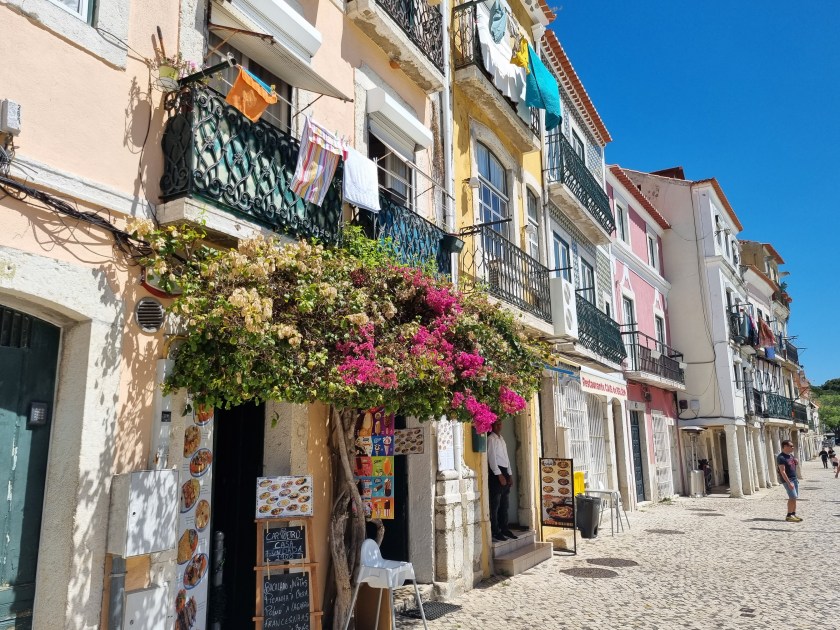
By the way, about English – overall, I’m pleasantly surprised. Almost everywhere we go, people speak it very, very well. I hadn’t expected this from Southern Europe, based on past experience.
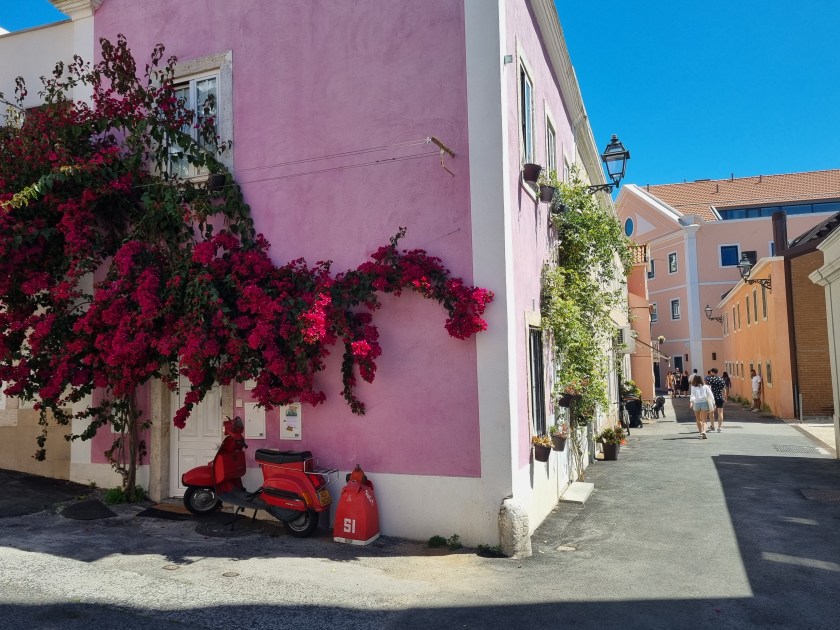
After lunch, we returned to the centre and headed to another monastery – São Vicente de Fora. This turned out to be a very good idea, because unlike Jerónimos, there was practically no one there. And it’s completely unclear why – the interior is very beautiful, many rooms are decorated with azulejos, and you can also visit the pantheon of the Portuguese Braganza dynasty and see azulejo panels based on the fables of La Fontaine. An interesting observation – the masters of azulejo painting were not very good at depicting animals, and the dogs and cats turned out rather odd, with human eyes and pig ears.

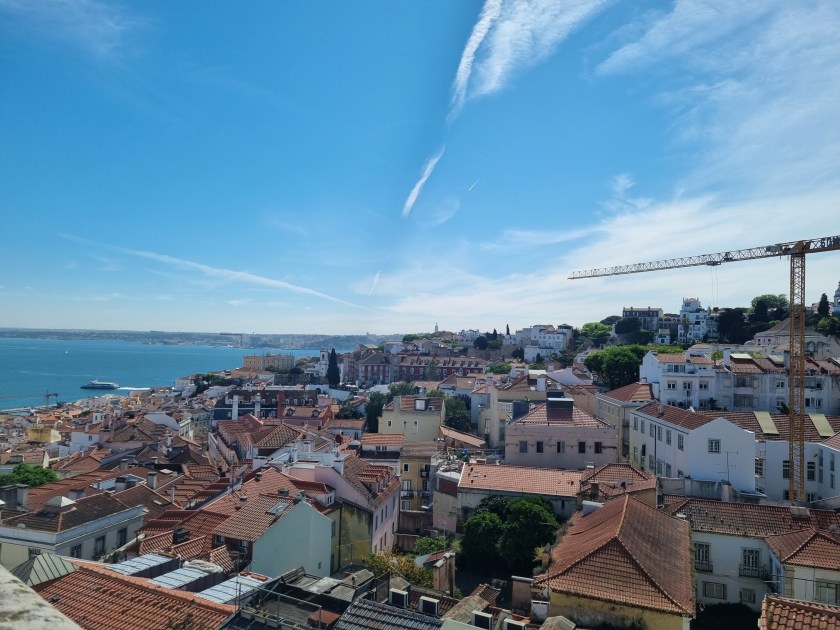
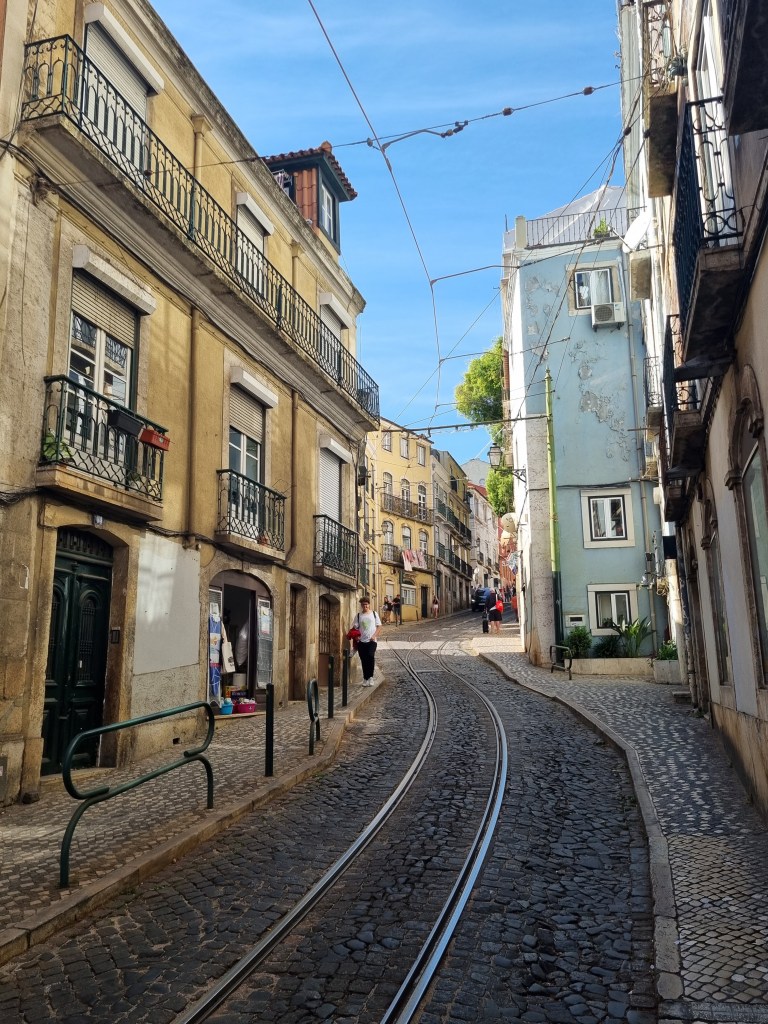
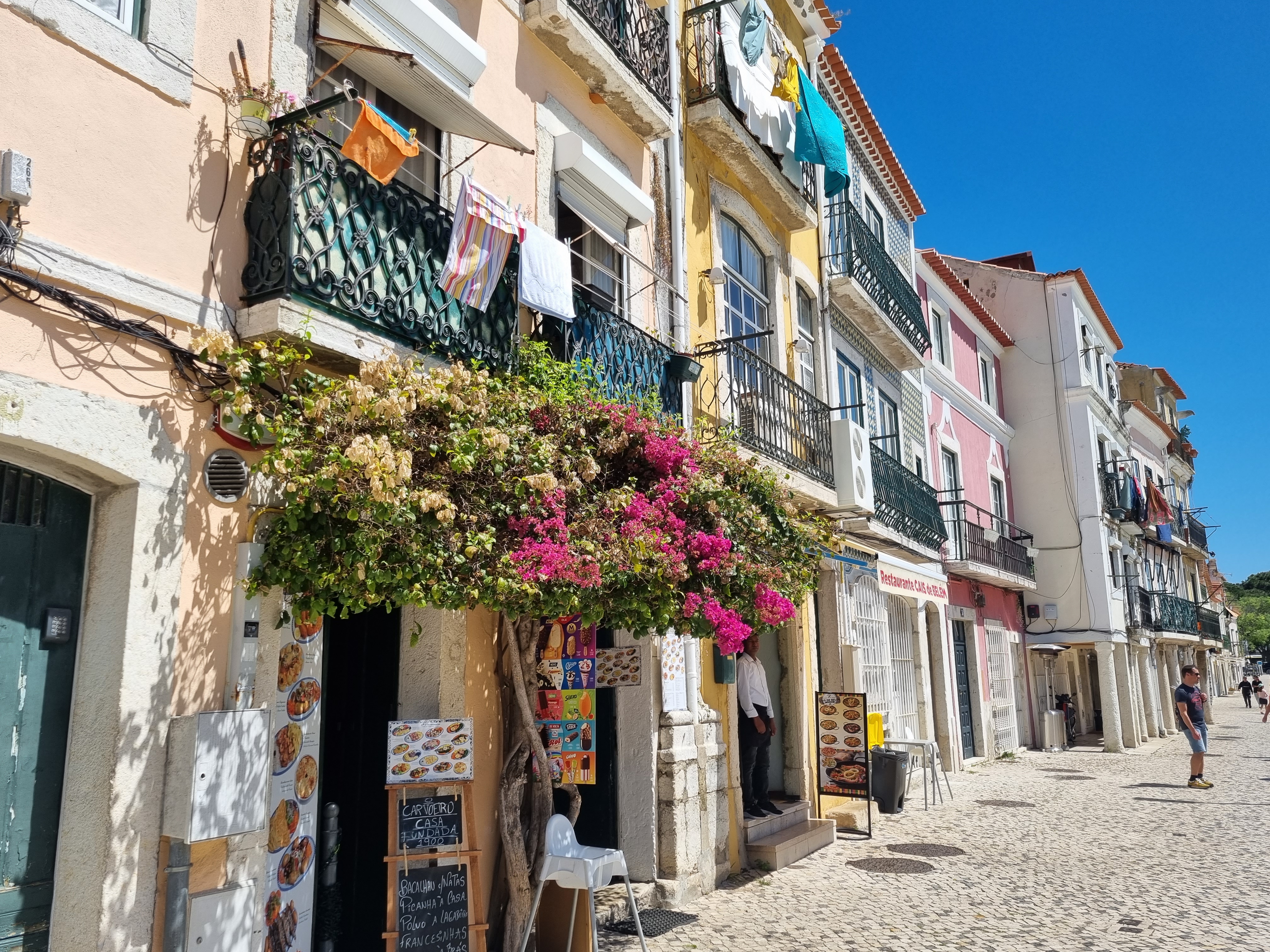
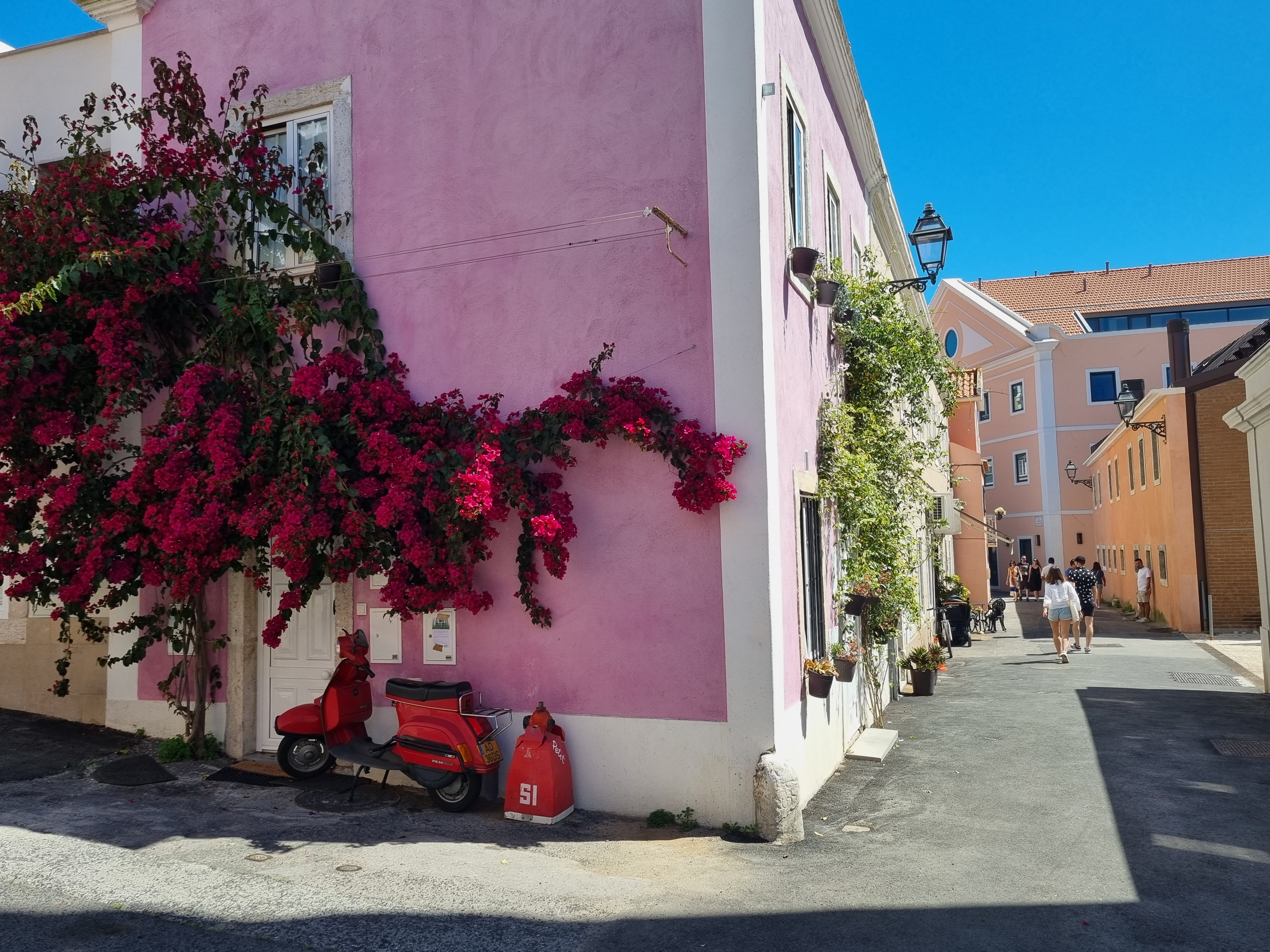
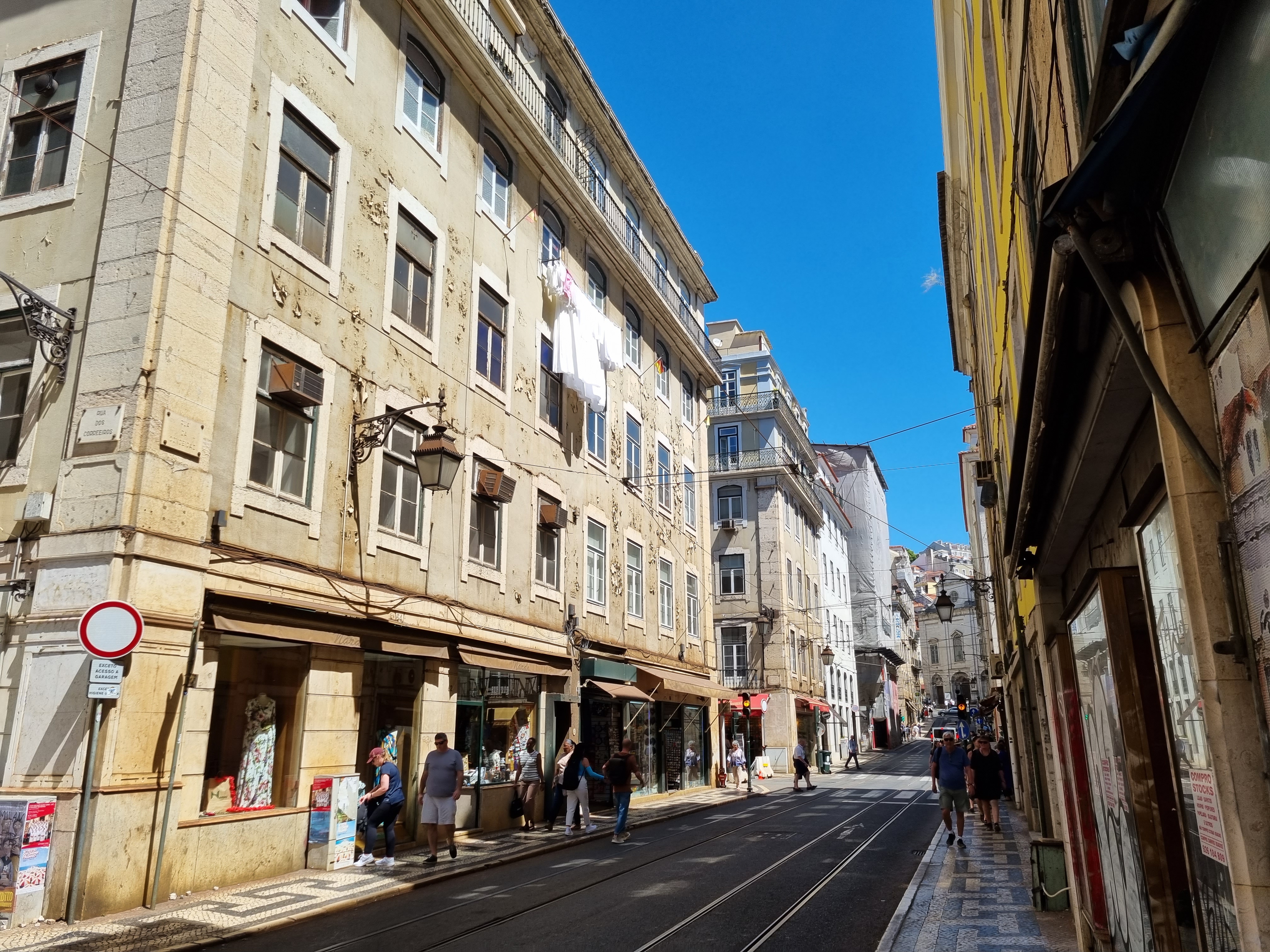
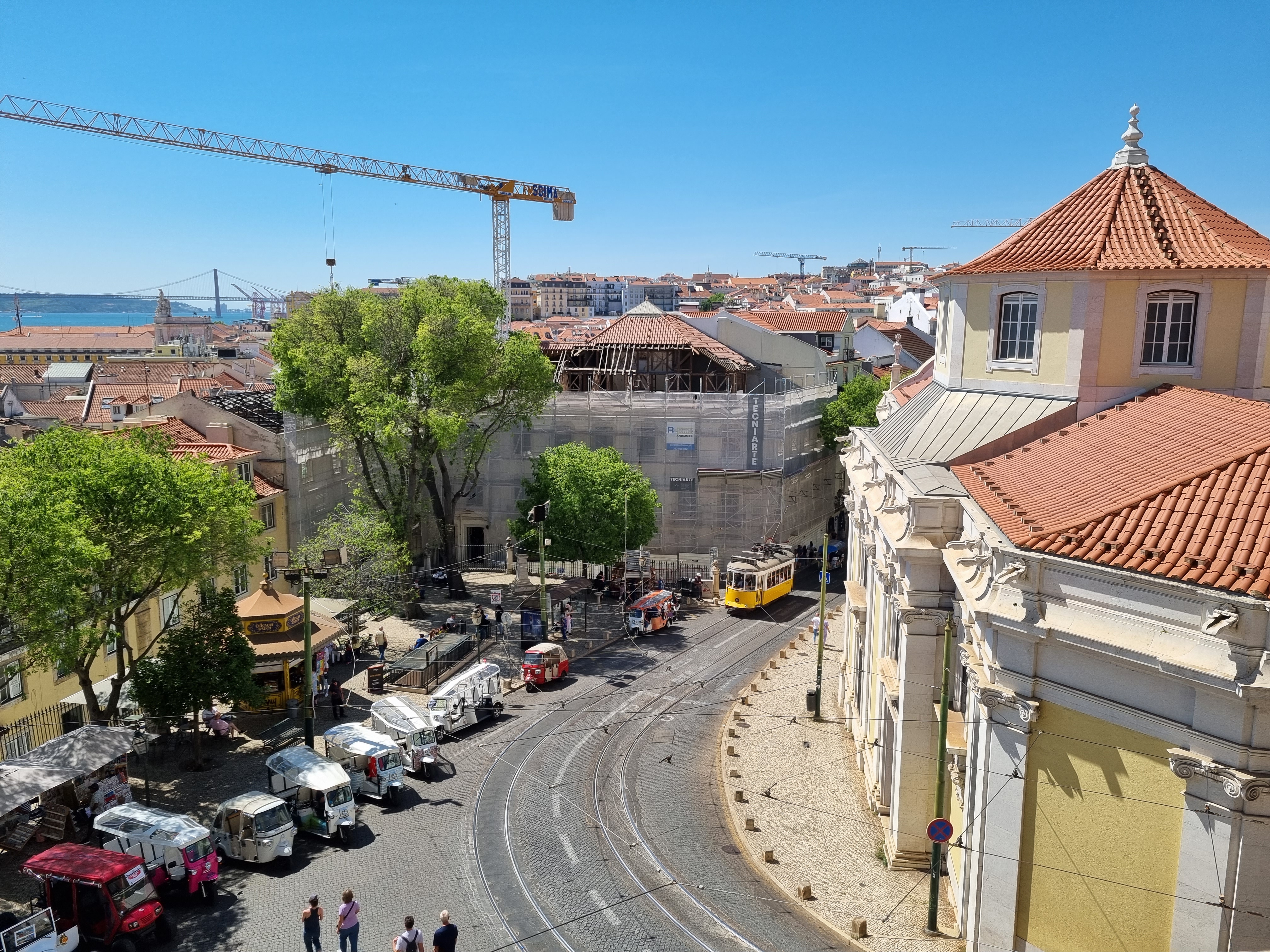
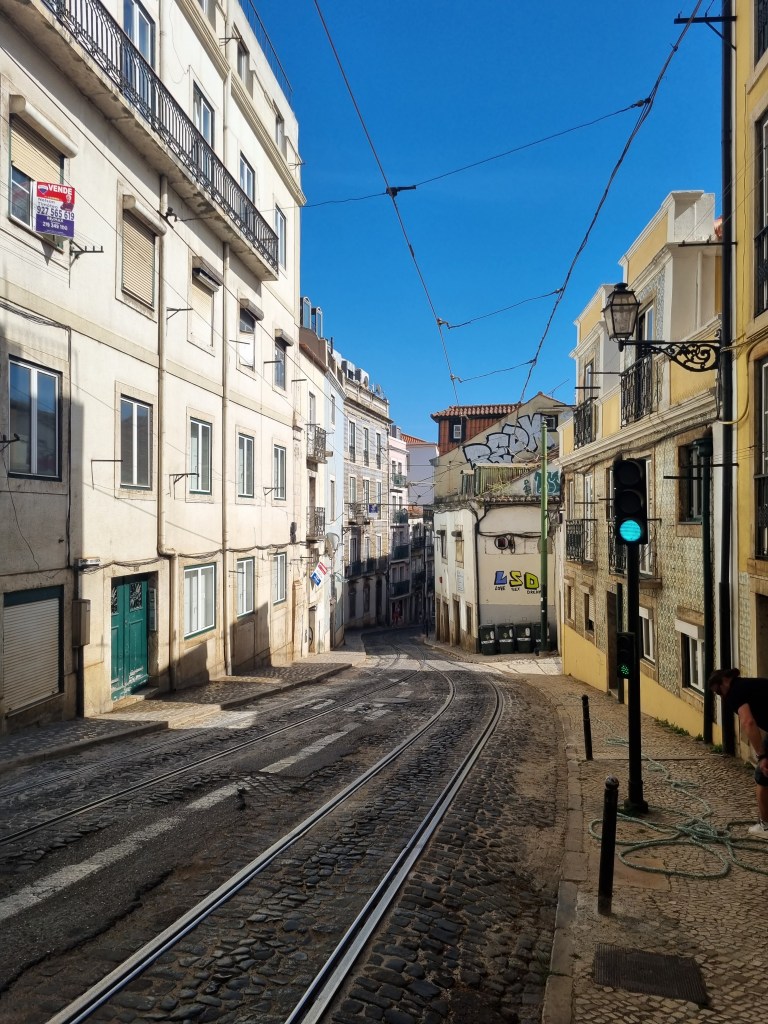
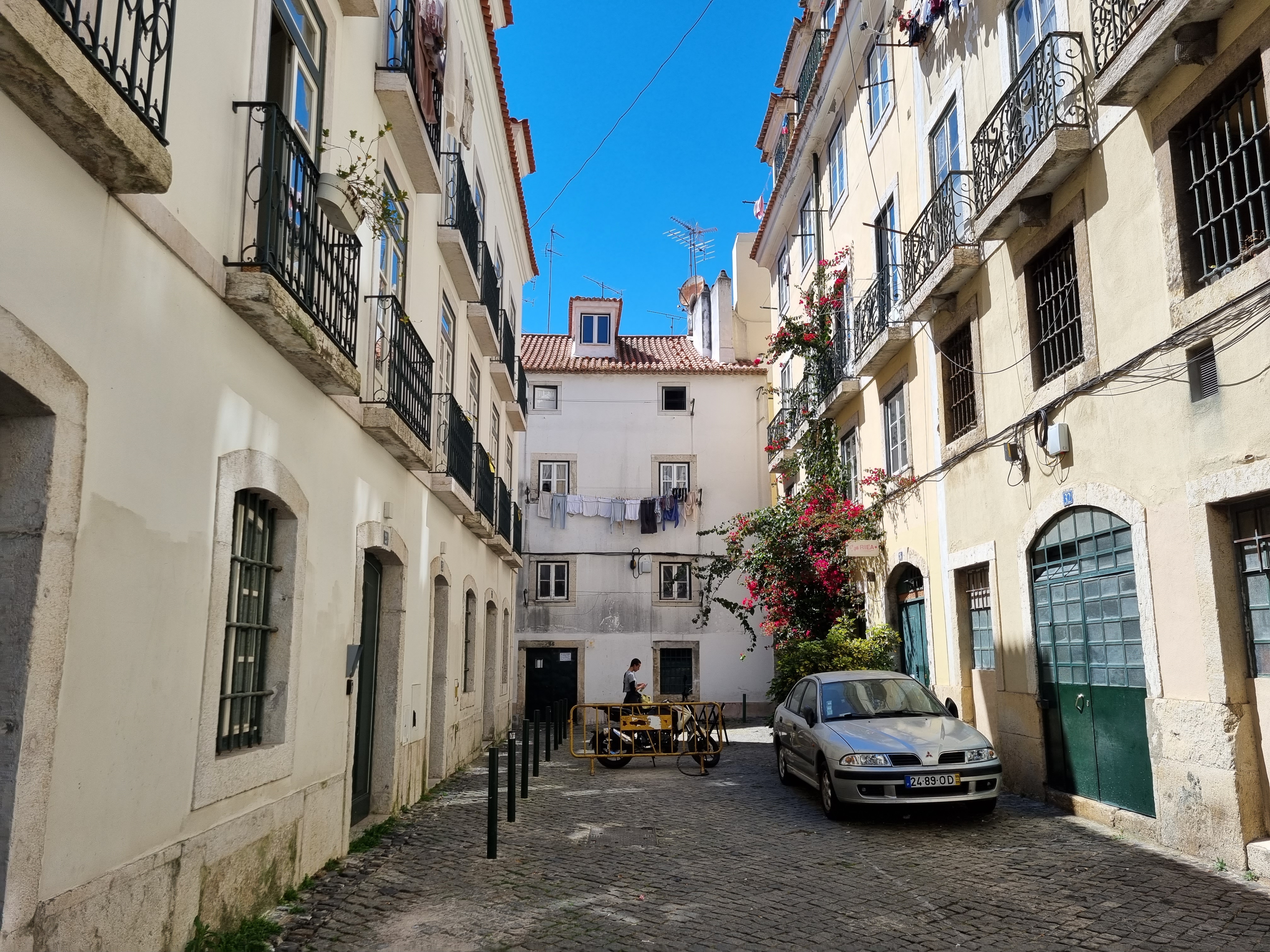
In the evening, we walked around the Alfama district, which I really liked. It’s very colourful and authentic, with beautiful architecture, trams, hanging laundry, and a chaotic street layout. This is the oldest district of Lisbon – the only one that survived the devastating 1755 earthquake.

Posted in English, Europe, Lisbon, Portugal

Portugal – Day 1

РУССКОЯЗЫЧНАЯ ВЕРСИЯ ПО ЭТОЙ ССЫЛКЕ. CLICK HERE FOR RUSSIAN VERSION.

April 17, 2023

Technically, my trip to Portugal was supposed to start two days ago – on Saturday, April 15 – and I’d already bought a ticket for that date well in advance. But literally 36 hours before, when I received an email saying that online check-in was open and started entering my details at 1 a.m., I suddenly looked closely at my Schengen visa and realised that it was only valid from April 17. The old one had expired on the 13th, and the new one was valid from the 17th – so I had managed to buy a ticket for one of those unlucky four days when I didn’t have a visa. I had to urgently change it and buy a new one for 6 a.m. on Monday.
As a result, I had to wake up today at 2 a.m., and by 2:45 I was already in a taxi on my way to Heathrow. Everything went smoothly – unsurprisingly, there weren’t many people at the airport at that hour, so I didn’t have to queue for anything. I even managed to find coffee and oatmeal cookies. Special mention goes to a fellow passenger who showed up at 3:30 a.m. in full makeup – truly impressive.

By 10 a.m., I had arrived at the hotel in Lisbon, where my friend Rena – who’d flown in on Saturday, as originally planned – was already waiting for me.

I had another strong coffee (no joke, I’d been up since 2 a.m. and hadn’t slept a minute on the plane), and then we headed out for a walk around the Baixa district.

It is sunny and hot in Lisbon – a touch of summer after London’s unseasonably cold spring.

The city itself is very hilly – you’re constantly going up and down, and of course the “down” is much more pleasant. There are quite a few tourists, mostly French as far as I can tell – at least, they’re the ones you most often come across.

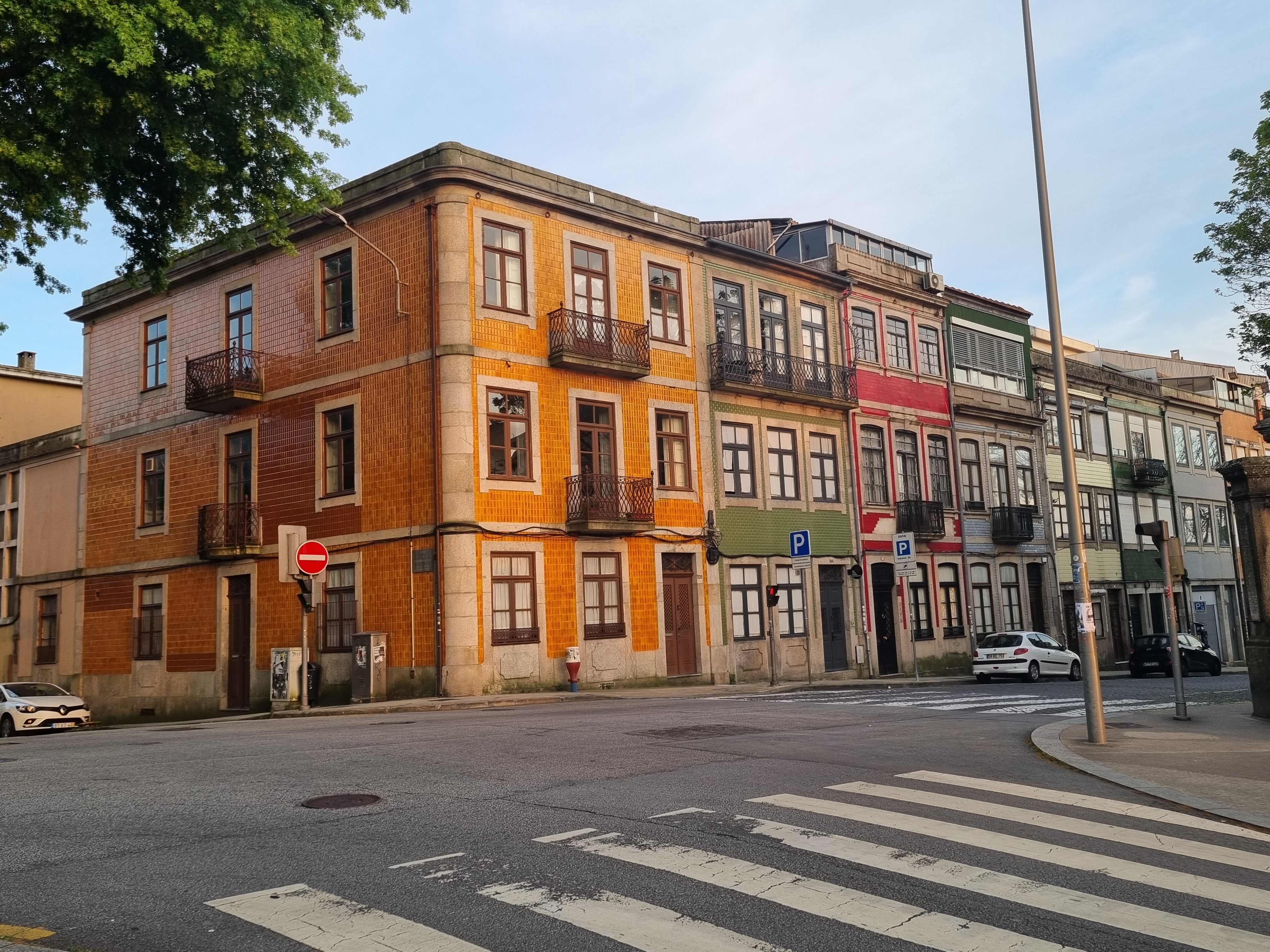
The city is stunning, with very interesting architecture. Many buildings are decorated with clay tiles – painted in the traditional Portuguese style. These tiles are called azulejos.

We’d headed to Baixa quite purposefully – our first stop for the day was the Carmo Convent, which now houses an archaeological museum. In 1755, Lisbon was hit by a devastating earthquake, followed by a tsunami and fires, and as a result almost the entire city was destroyed. For instance, only the shell of the Carmelite monastery remained, and that’s how it still stands today.

Afterwards, we had lunch – some fish – in a tiny tavern, and then visited Lisbon Cathedral (Sé), and saw the cloisters and treasury.

For the evening, we had planned a cruise along the Tagus River (which also flows through Spain – it starts there and reaches the Atlantic near Lisbon). We’d been told that seating on the deck was limited to the first 52 people, and when we arrived, there were already well over that many in the queue. Still, we somehow managed to score great spots – a table at the very front of the deck, right at the bow, next to a group of Germans.