РУССКОЯЗЫЧНАЯ ВЕРСИЯ ПО ЭТОЙ ССЫЛКЕ. CLICK HERE FOR RUSSIAN VERSION.
24 May 2025
Observations after our second day in Tokyo – first of all, Japan is, above all, for the Japanese. For example, you won’t see souvenir shops with magnets and other touristy junk popping up everywhere – you can find them, of course, but you pretty much have to deliberately look for them.
Secondly, cash still plays a major role here – which is surprising for such a developed, high-tech country. Cards are accepted in many places, but definitely not everywhere. For example, the balance on the transport IC card (which, by the way, is incredibly convenient – you can use it for transport all over Japan, and also to pay in convenience stores like FamilyMart and 7-Eleven, at vending machines, and even to lock up your suitcase in hotel storage rooms or in Shinkansen luggage lockers) can only be topped up with cash. You can load it from a card only when you first buy it at the airport.
That said, the country doesn’t even feel especially high-tech. Websites and online payment systems are often clunky, and the city infrastructure doesn’t give off a futuristic vibe that’s miles ahead of, say, old Europe – like was the case in e.g. Singapore. For instance, there aren’t always escalators at the entrances and exits of the subway, which would be unthinkable in Singapore. It feels like Japan’s rapid development sort of paused at some point – maybe in the ’90s. The architecture doesn’t resemble the likes of Singapore or Hong Kong either. There are lots of plain, boxy concrete apartment buildings. But it also doesn’t feel densely built-up like Hong Kong, despite what we’d heard about Japanese homes being so compact they fit a bed, a toilet, and a kitchen into literally a single square meter – often with retractable furniture. At least from the outside, it doesn’t look like space is that tight.
People, of course, are very polite. If the British are known for loving to queue, then the Japanese seem like they were born for it.
We also noticed that various jobs that seem “inefficient” by our standards – like waving a flag to direct traffic that’s already controlled by traffic lights – are often done by elderly men. Even in retirement age, people don’t sit at home on the couch; they still prefer to work, even if it’s not clear what exactly they’re contributing.
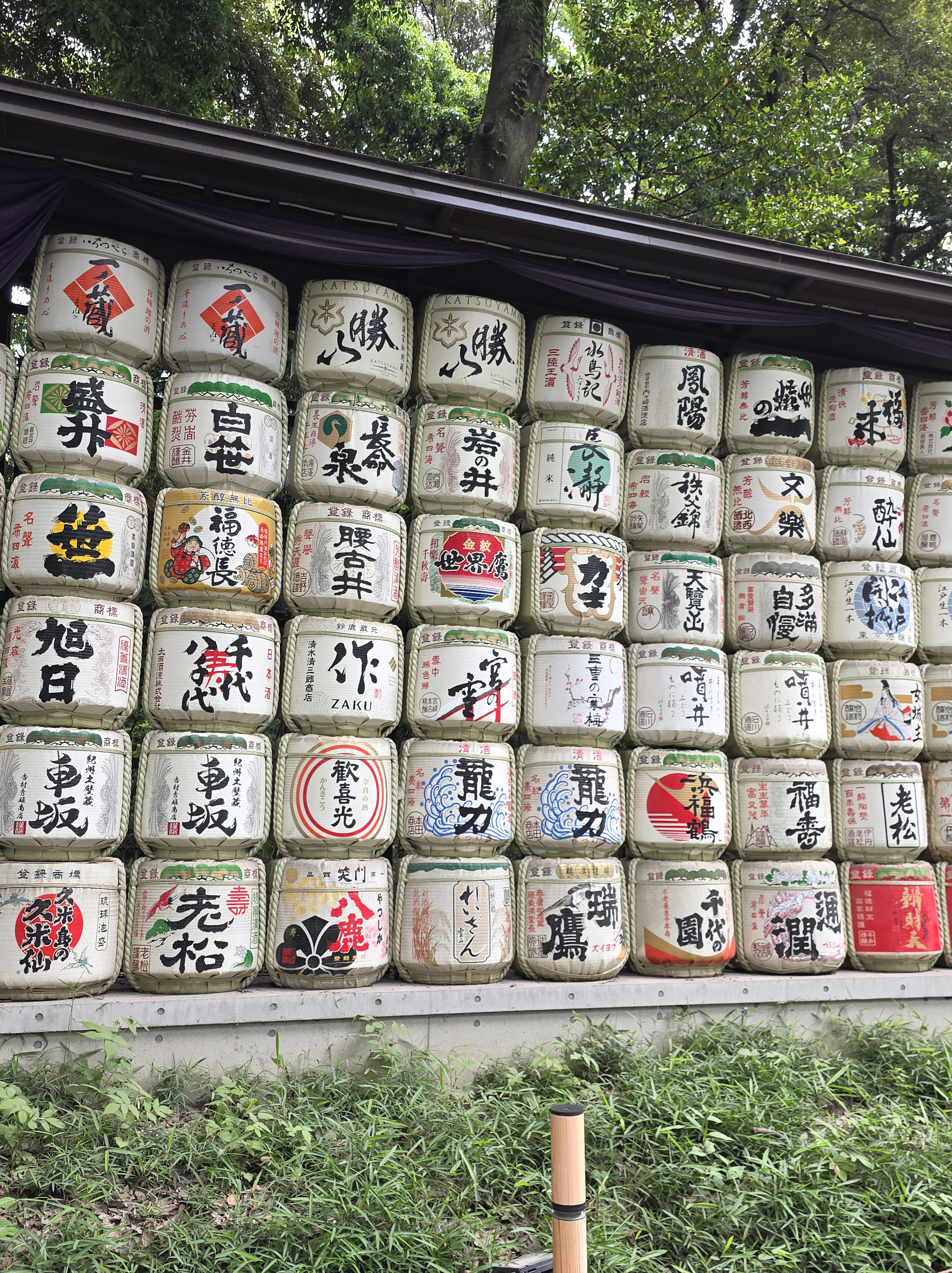
Now, about today itself. In the morning, we had breakfast at a café near the hotel and then headed to Meiji Shrine. It’s a large area with gardens and the shrine complex itself – the biggest Shinto shrine in Tokyo from the early 20th century. It was interesting, though there wasn’t that much to linger over. We were lucky to see a traditional Japanese wedding procession, and all the tourists immediately whipped out their cameras to record it.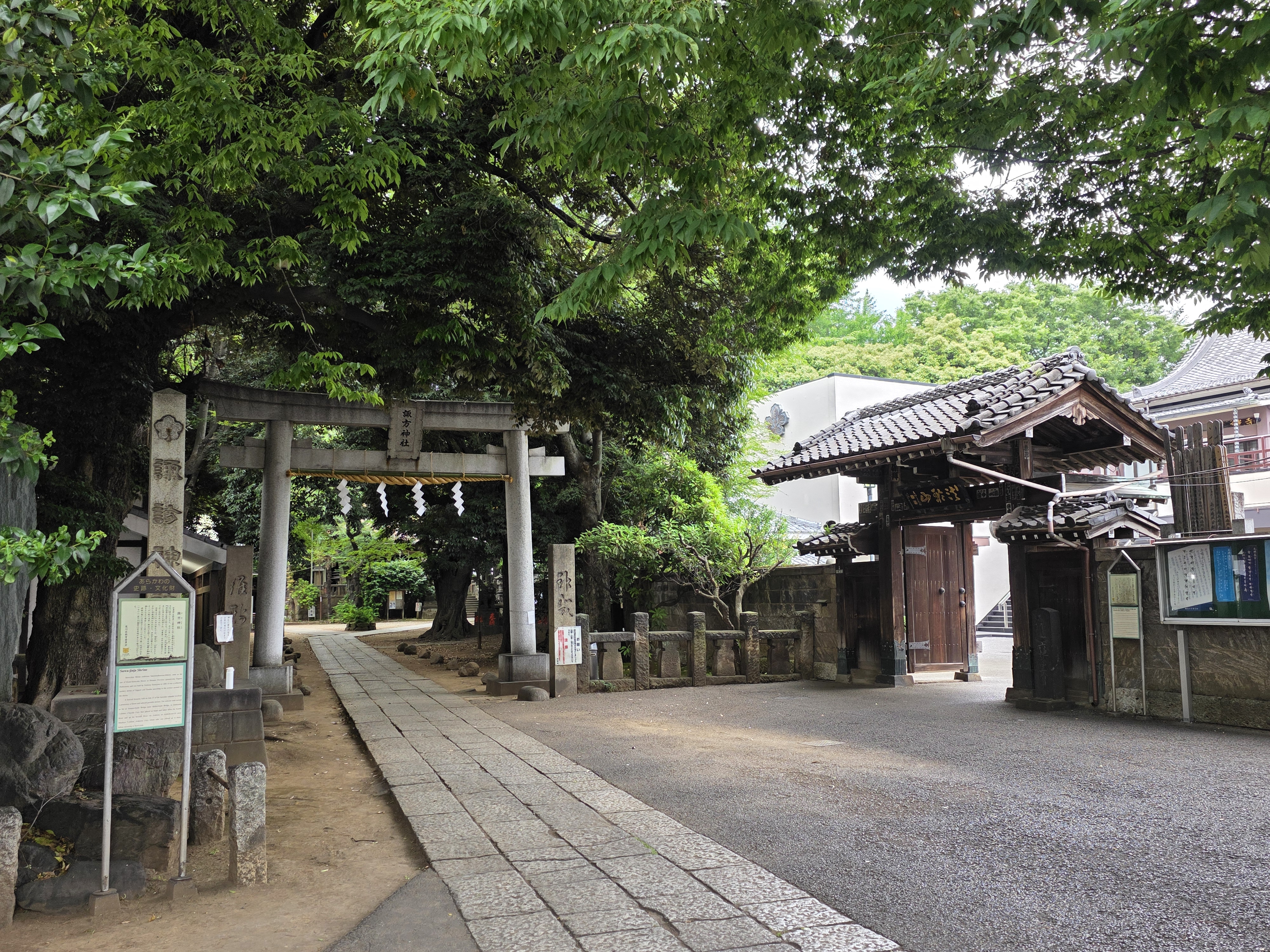

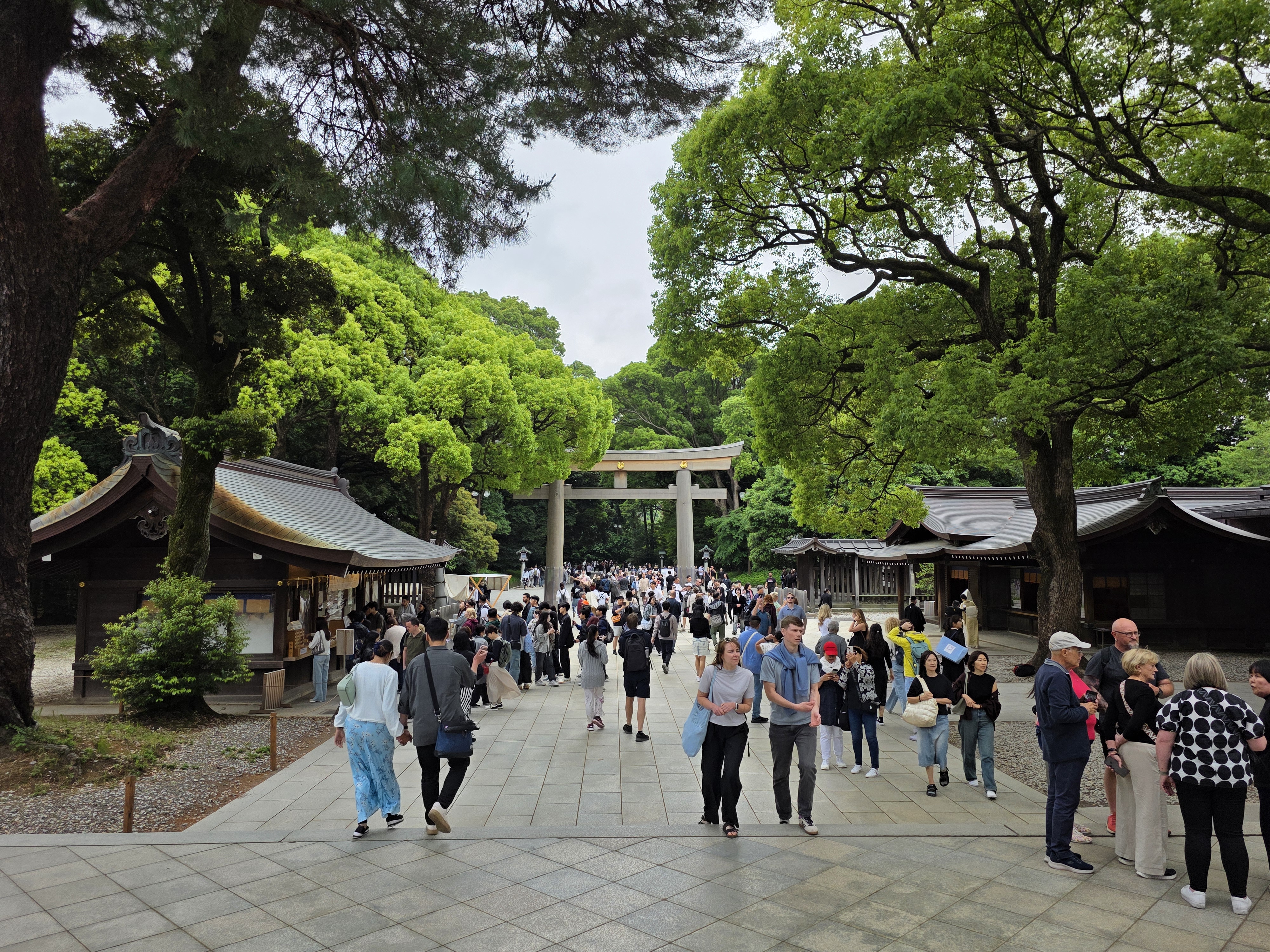
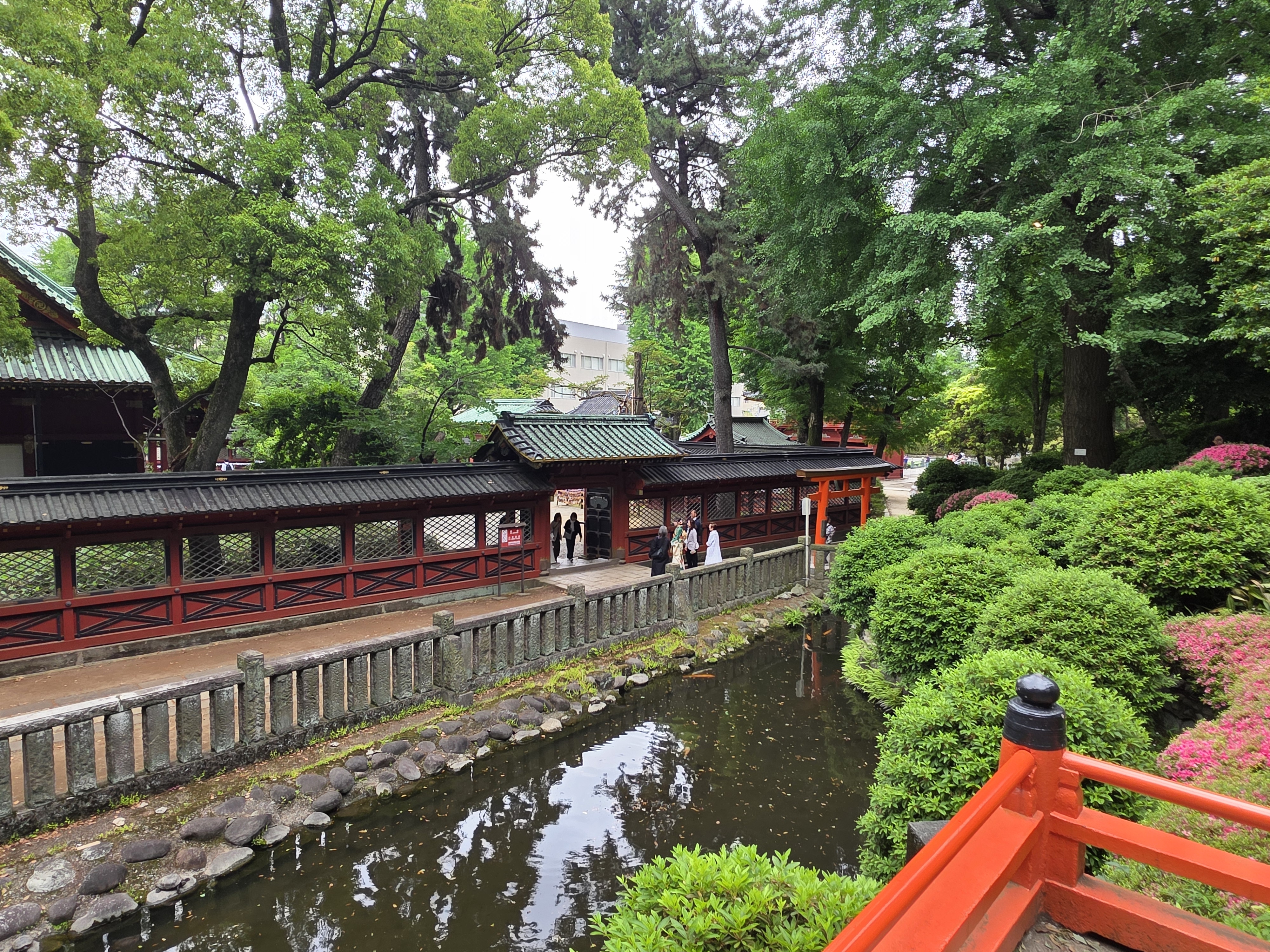
From there, we went to the Nezu area, where we strolled through narrow streets and visited another shrine – called Nezu Shrine. It was much quieter there, clearly not a major tourist spot, but we actually found it more charming and interesting.

Before visiting the shrine, we had sushi nearby. I ordered an assorted nigiri set – I could recognise salmon, tuna, and grilled eel, and there were a few other types of fish I couldn’t identify. It was incredibly tasty – sushi like this just doesn’t exist outside Japan. And yes, it’s true what people say: sushi here is nothing like what we get back home. Here it’s mostly nigiri, sashimi, and occasionally very simple maki rolls. Just the basics: rice, fish, nori. No mayo, avocado, cream cheese – or God forbid, Caesar rolls.

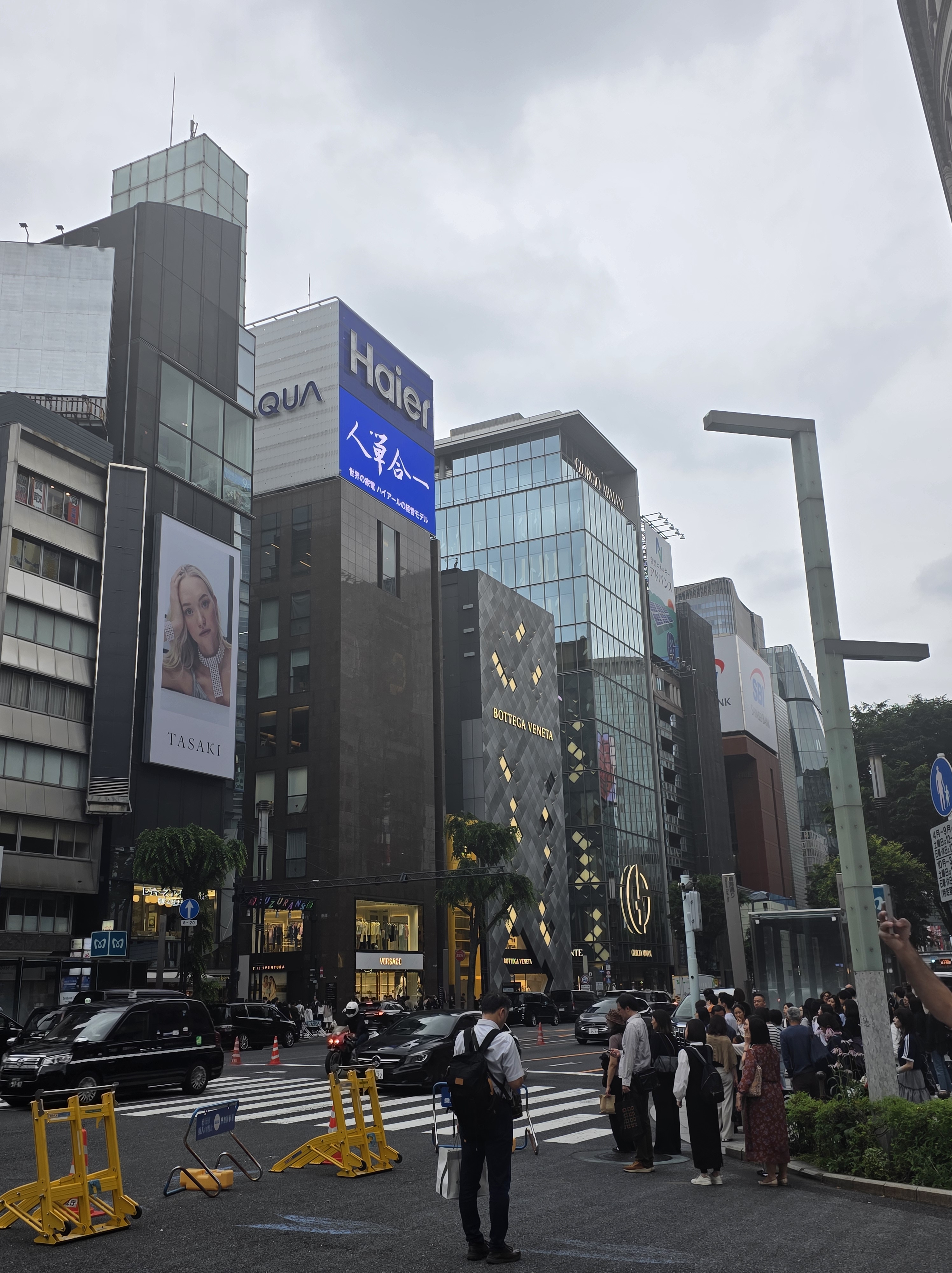
Next, we headed to the Ginza district and walked around. Each Tokyo neighbourhood feels different from the the other – Ginza feels more upscale and also more European in a way. In places, it almost feels like walking around the Galeries Lafayette area in Paris.
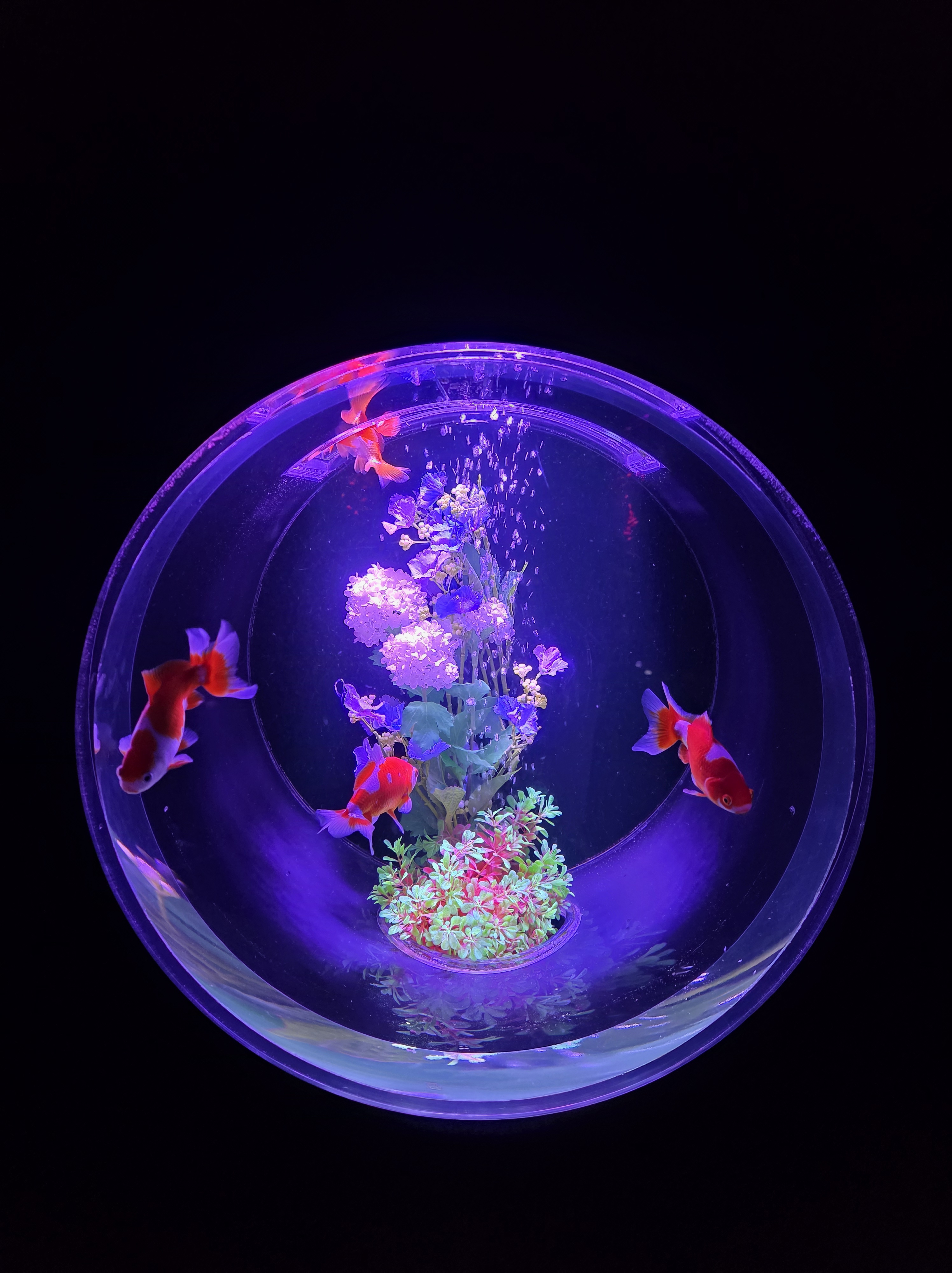
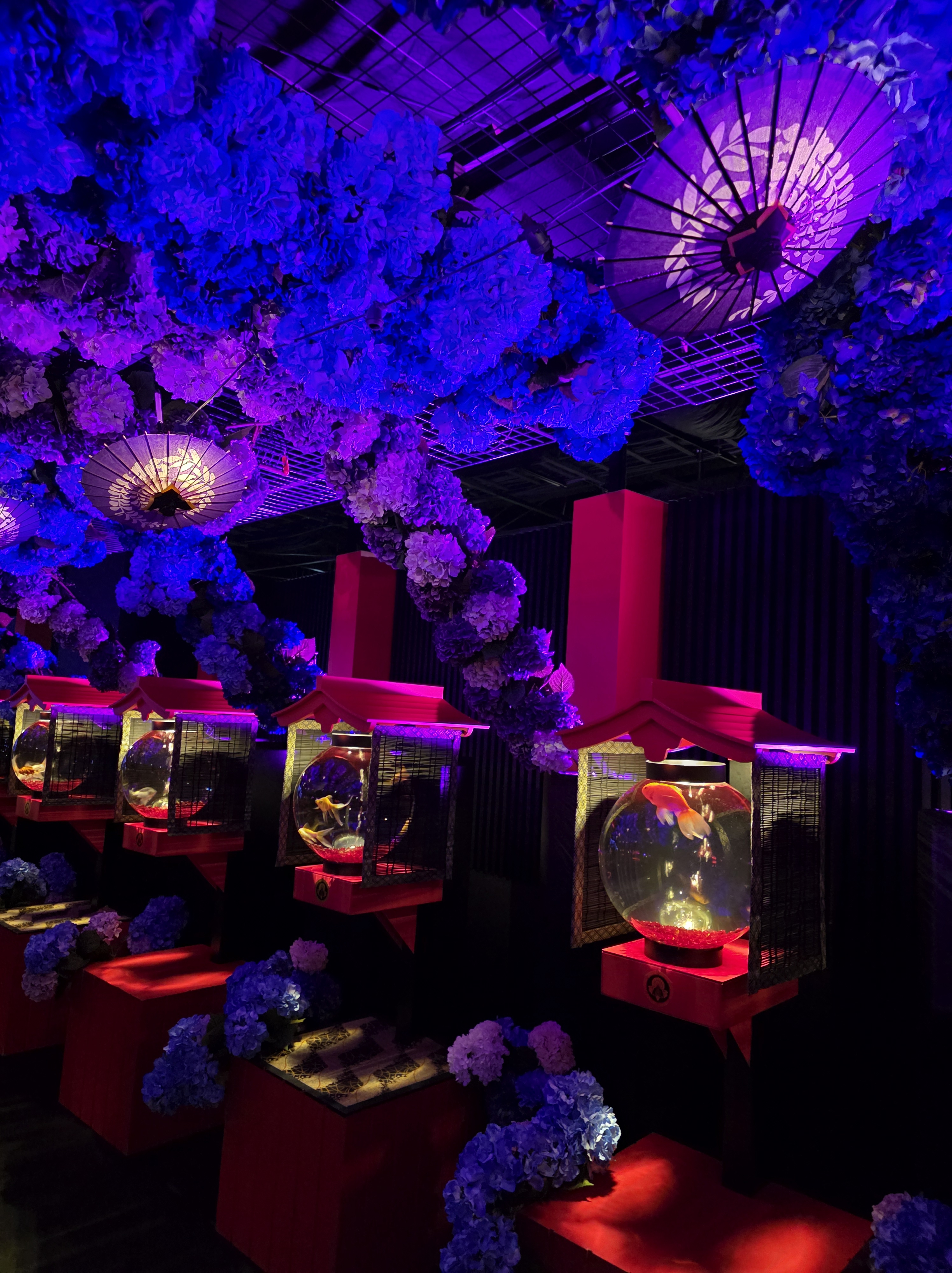
In Ginza, we visited the Art Aquarium Museum, which has lots of different aquarium installations with live fish lit up in creative ways. Yes, it was cool and interesting, but there was also something a bit unsettling about it – some sense of neglect or even cruelty. Some tanks were tiny glass bowls, others looked like solitary confinement cells with two or three fish crammed inside, clearly with no room to move. It’s unclear whether they’re kept there permanently, and if not, how the whole system works – how they’re fed, where they’re moved, etc. The fish themselves were fascinating – some with bulging eyes, others round-bellied and odd-looking. But after a while, the installations started to feel a bit repetitive.


We had dinner in a diner in the same building – set meals with meat, fish, and various small side dishes. I had one with wagyu beef.
We wanted to hang around Ginza a bit longer, but it started raining so we headed back to the hotel.

 Travelling Leila